Windows Doors Manufacturer

Leave Your Message
Need Project Quote?
Chat With Us Now
Chat With Us Now
Windows Doors Manufacturer
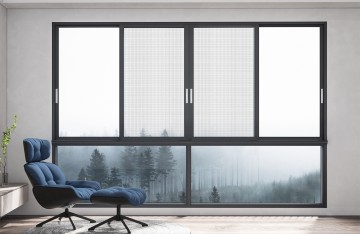
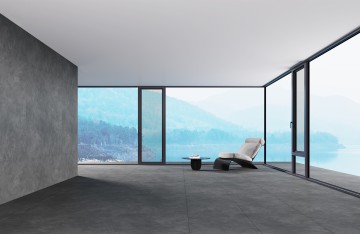
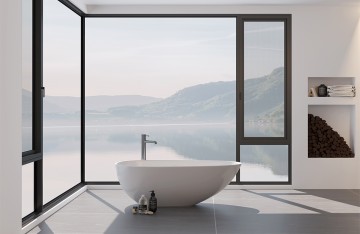
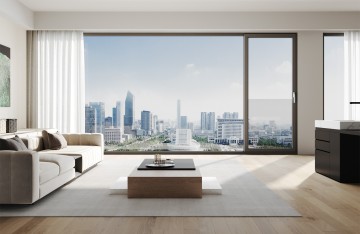
Building corners are universally recognized in structural wind engineering as the most vulnerable zones of an architectural envelope. When laminar wind currents collide with the perpendicular faces of a structure, the airflow accelerates violently around the 90-degree corner geometry, creating severe localized vortex shedding and high negative suction forces (wake depression).
According to standard wind tunnel fluid dynamics (Bernoulli principle), the negative pressure coefficient ($C_p$) at building corners can reach -1.5 to -3.0 times the positive windward pressure. Standard residential fenestration systems inevitably fail in these zones due to frame deflection, water entry through depressed weep paths, seal peeling, and structural fastener fatigue. Integrating an aluminum corner window for high wind areas necessitates an uncompromising combination of high-moment-of-inertia 6063-T6/6061-T6 extruded alloys, reinforced all-glass structural silicone joints or fortified reinforced aluminum corner posts, and continuous multi-chamber thermal barriers.
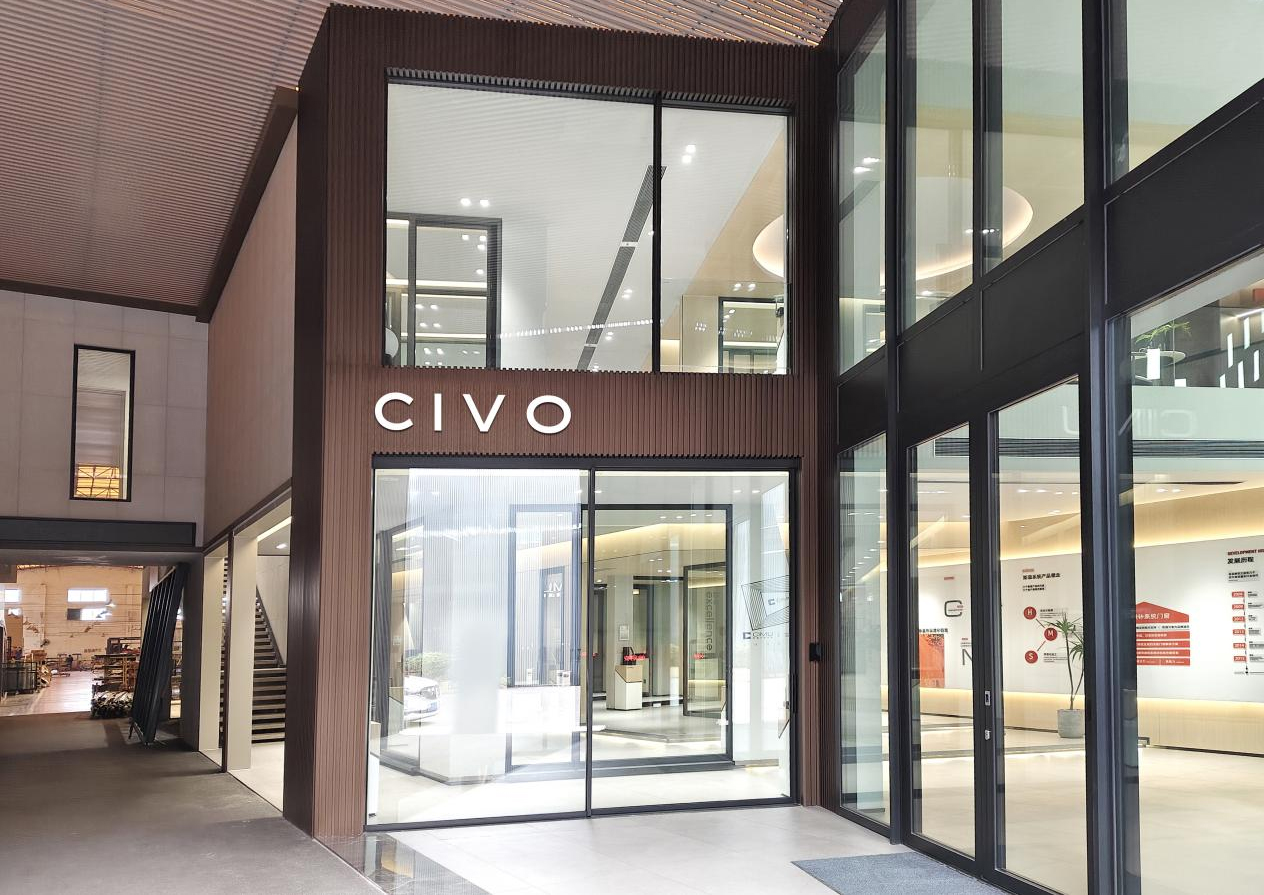
Engineered corner couplings distribute dynamic turbulence, absorbing localized cyclic gusts and mitigating frame micro-vibrations across coastal high-rise elevations.
Designed to withstand extreme windward push and leeward suction up to 5000 Pa (Class 9 Wind Load), exceeding the toughest ASTM E330 and EN 12211 specifications.
Independent decompression chambers equalize external dynamic gust pressure, eliminating wind-driven water intrusion even during torrential typhoon conditions.
The global commercial and luxury residential real estate sectors are witnessing an unprecedented paradigm shift. Modern biophilic design and contemporary architectural movements demand seamless 270-degree unobstructed vistas, expansive glass-to-frame ratios, and minimalist corner junctions that invite natural light into living spaces. However, with the rising frequency of extreme weather events—including Super Typhoons in the Asia-Pacific region, Atlantic Hurricanes along the American and Caribbean coasts, and fierce Katabatic squalls in alpine regions—the architectural envelope faces unprecedented stress tests.
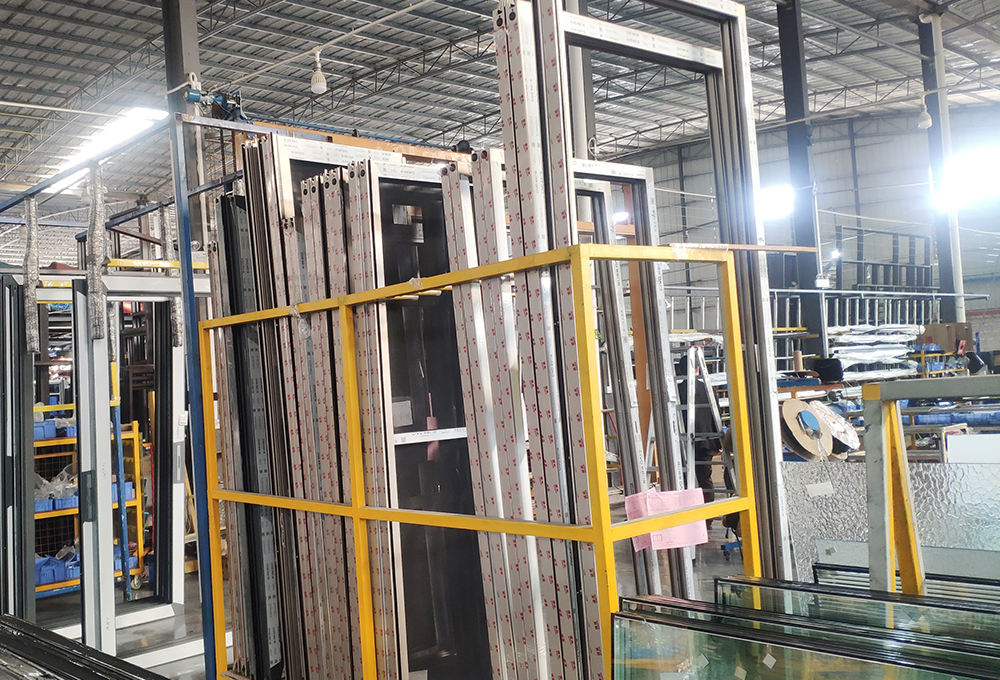
In response, the industrial landscape of aluminum corner window systems has evolved from traditional assembled mullion assemblies to high-precision, thermally broken system envelopes. Today’s premier systems integrate multi-cavity PA66 GF25 thermal barriers, aerospace-grade alloy wall thicknesses (2.0mm to 3.0mm+), structurally bonded laminated IGU glazing (incorporating SentryGlas® or structural PVB interlayers), and multi-point concealed locking mechanisms that clamp gaskets evenly against heavy wind deflection.
Coastal estates demand sweeping ocean panoramas, yet face unrelenting saltwater corrosion and cyclonic wind surges. Aluminum corner window assemblies in these zones require C5-M marine-grade fluorocarbon powder coating (AAMA 2605 compliant) and multi-layered laminated safety glass designed to withstand windborne debris impact followed by thousands of cyclic pressure reversals.
At altitudes above 100 meters, wind velocity multiplies exponentially according to boundary layer atmospheric physics. Corner glass systems at penthouse heights experience staggering negative suction. Our reinforced thermal break profiles ensure that frame deflection remains below L/240 or L/300 under extreme positive and negative design wind pressures.
Mountain topography generates severe thermal updrafts and katabatic wind shears that buffet buildings with rapid gust frequencies. Heavy-gauge aluminum corner systems provide the rigorous structural inertia required to resist frame twisting while delivering ultra-low thermal U-values (down to 1.1 W/m²·K) to combat extreme mountain temperature differentials.
In premier commercial retail and hotel lobbies, visual transparency is paramount for product presentation and guest experience. Custom structural butt-glazed corner window solutions merge immense glass panels using structural silicone weatherseals, reinforced by top and bottom heavy aluminum anchoring brackets embedded into the slab.
| Performance Parameter | Standard Residential Window | CIVO High-Wind Aluminum Corner Window | International Standard Reference |
|---|---|---|---|
| Wind Pressure Resistance (P3) | 1500 - 2500 Pa (Class 4-5) | 4500 - 5500+ Pa (Class 9 / Super Typhoon) | ASTM E330 / EN 12211 / AS 2047 |
| Watertightness Under Pressure | 250 - 450 Pa | 700 - 1050 Pa (Isobaric Drainage) | ASTM E331 / EN 12208 |
| Air Permeability / Leakage | Class 4 (1.5 m³/m²·h) | Class 8 (< 0.5 m³/m²·h - Hermetic) | EN 12207 / AAMA 101 |
| Aluminum Profile Alloy & Temper | 6063-T5 (1.4mm - 1.6mm) | 6063-T6 / 6061-T6 (2.0mm - 3.0mm+) | GB/T 5237 / ASTM B221 |
| Glazing Interlayer Specification | Standard Monolithic / Clear DGU | Double/Triple DGU + SGP/PVB Hurricane Lami | ASTM E1996 (Missile Impact) |
| Corner Joint Reinforcement | Standard Mechanical Screw Corner | Cast Aluminum Corner Cleat + Epoxy Injection | High Structural Rigidity Standard |
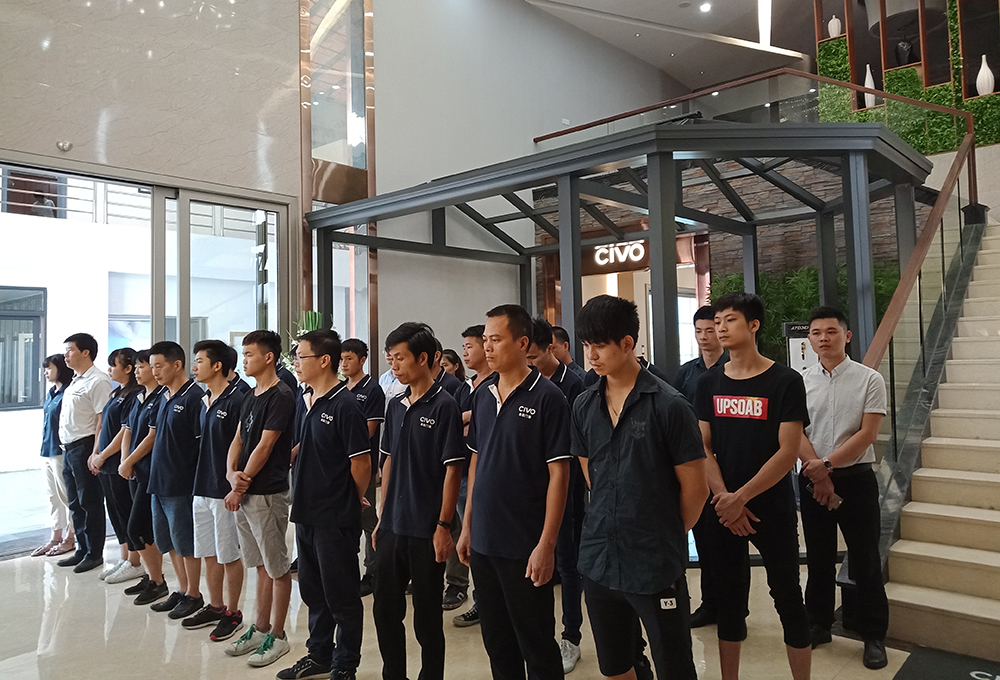
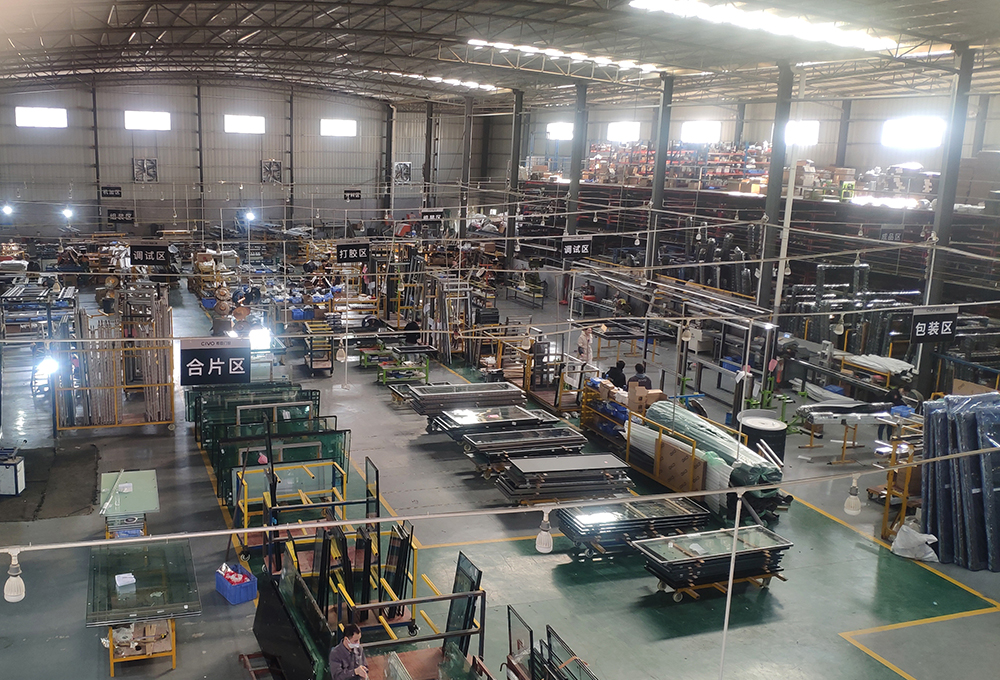
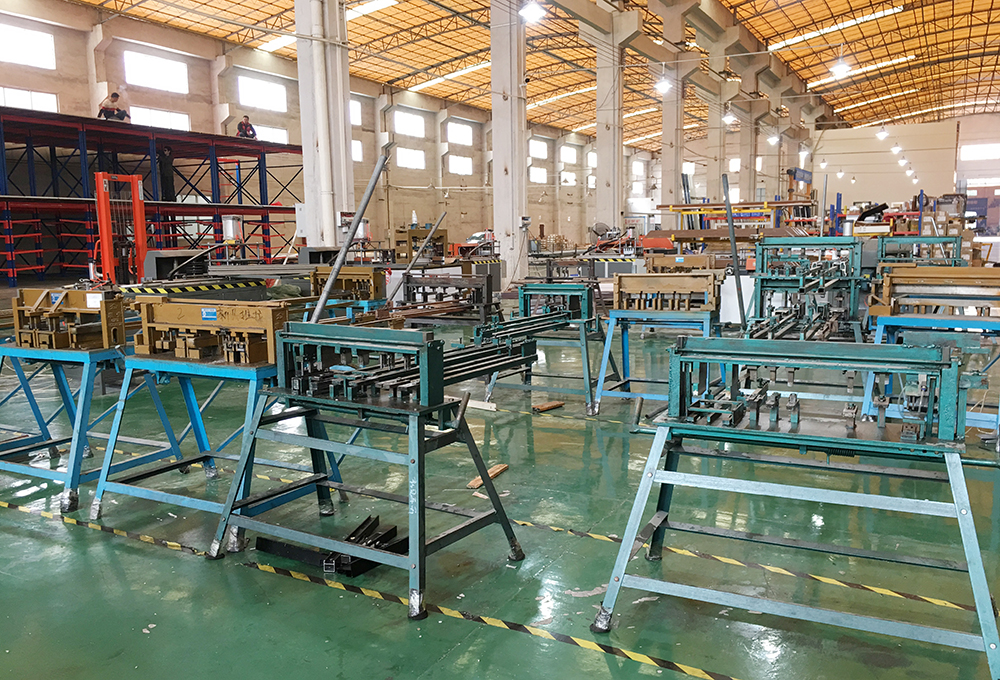
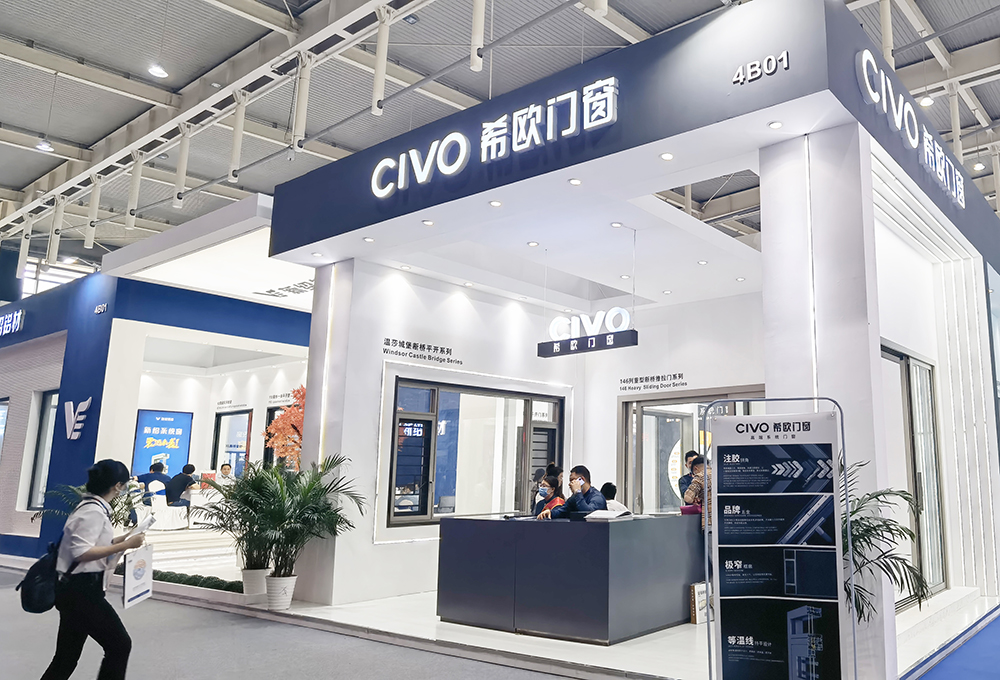
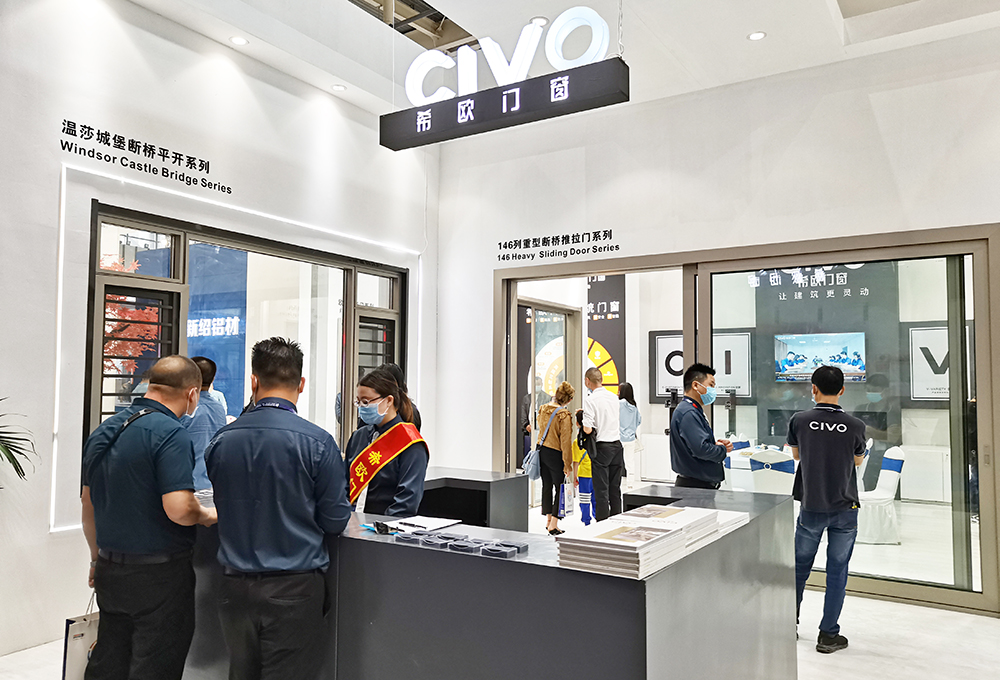
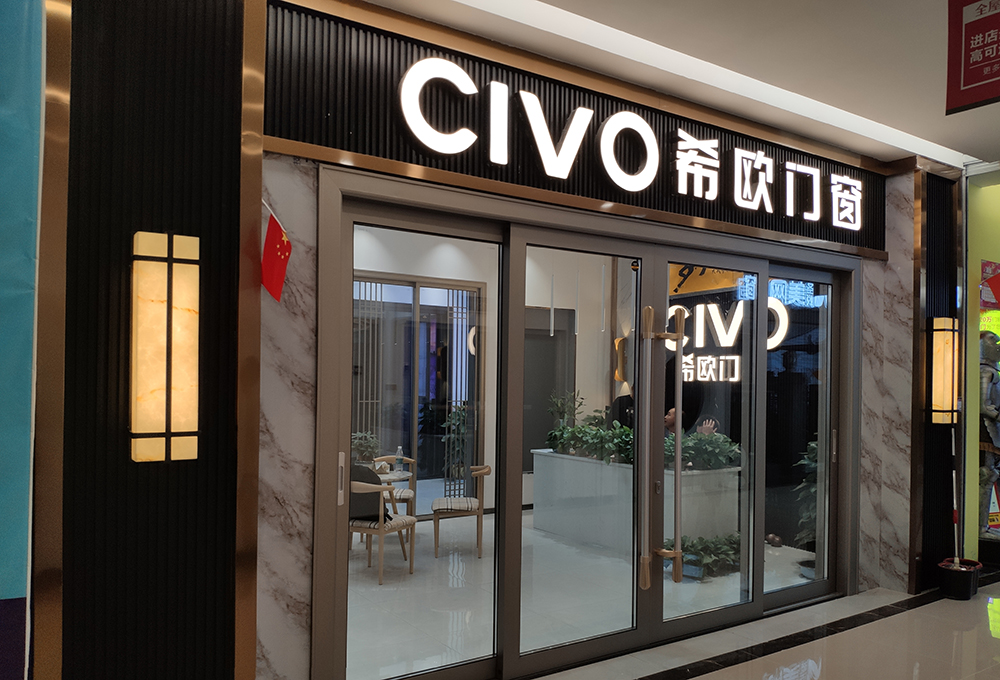
CIVO is a premier global provider of architectural aluminum system solutions, seamlessly integrating research and development, high-precision manufacturing, sales, and end-to-end technical service for high-performance door and window systems. Operating under the visionary philosophy “MAKE BUILDINGS MORE FLEXIBLE,” the CIVO brand is dedicated to supplying supreme-tier building materials that empower households and commercial developers worldwide to enjoy the unmatched security and aesthetic luxury of precision-engineered fenestration.
Tailoring designs to microclimates and regional architectural styles across the globe, CIVO has engineered comprehensive product lines engineered for extreme wind resistance, energy conservation, thermal acoustic containment, and unyielding safety. Every CIVO corner and facade system undergoes meticulous quality scrutiny to ensure maximum durability under the harshest atmospheric conditions.
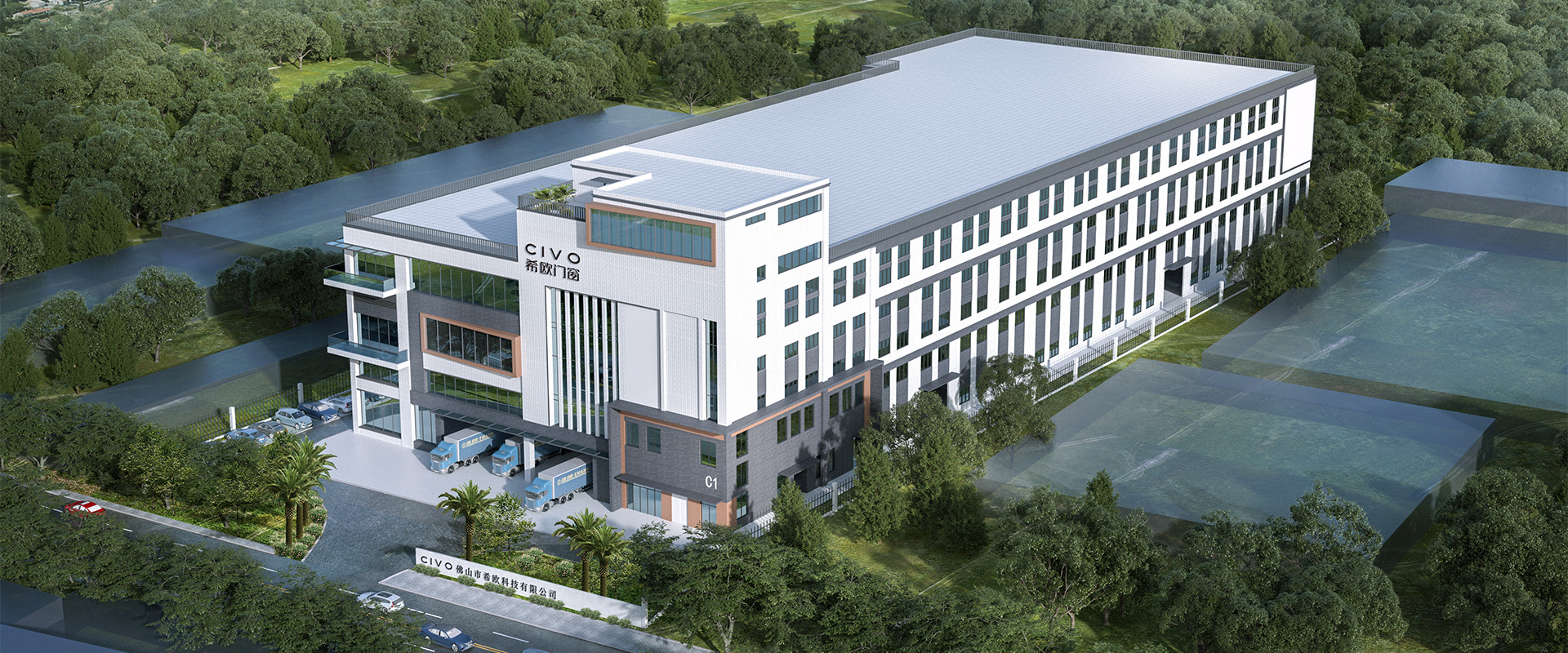
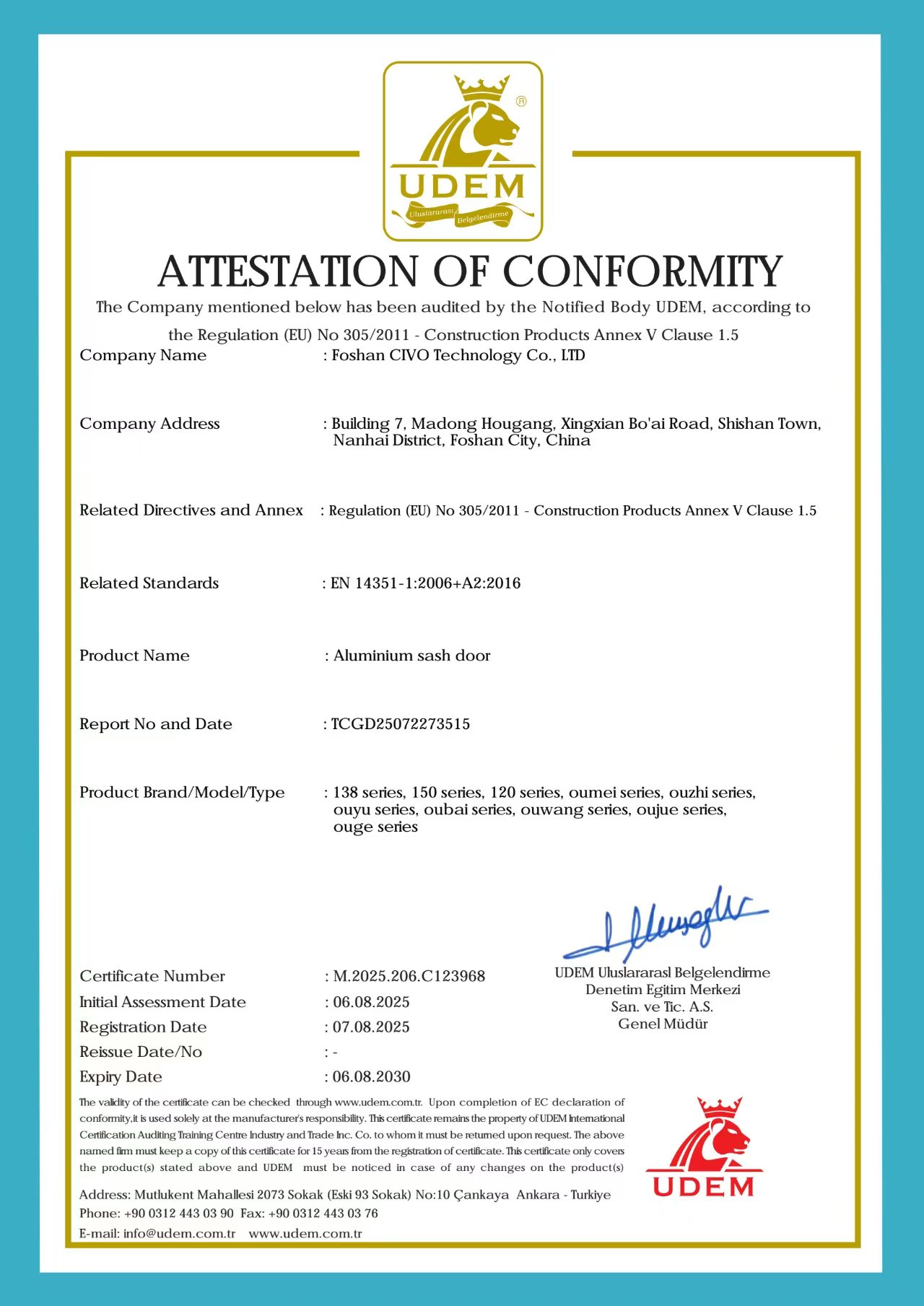
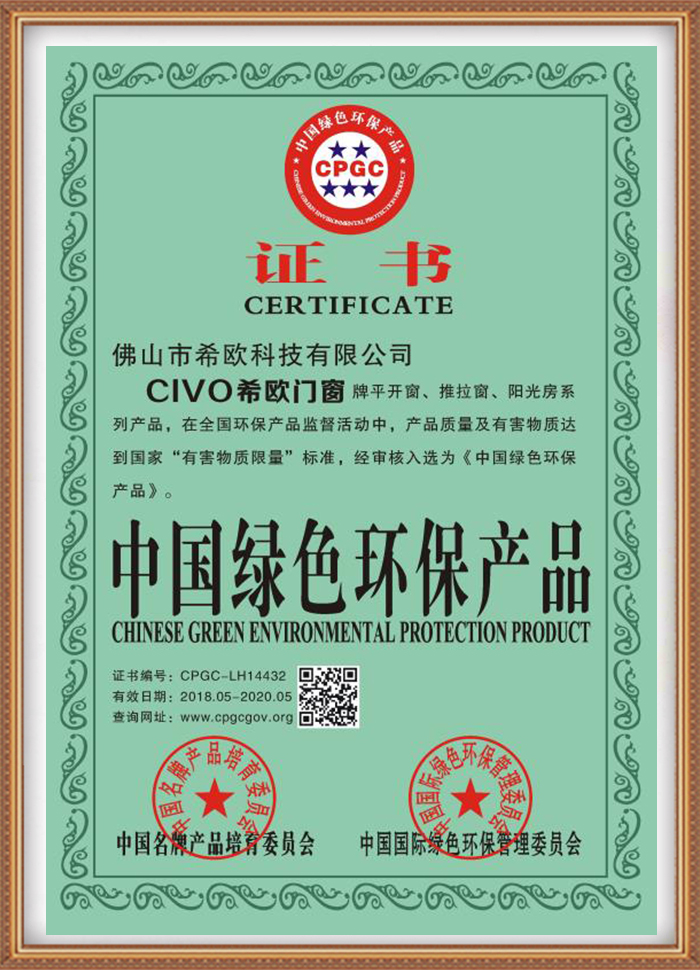
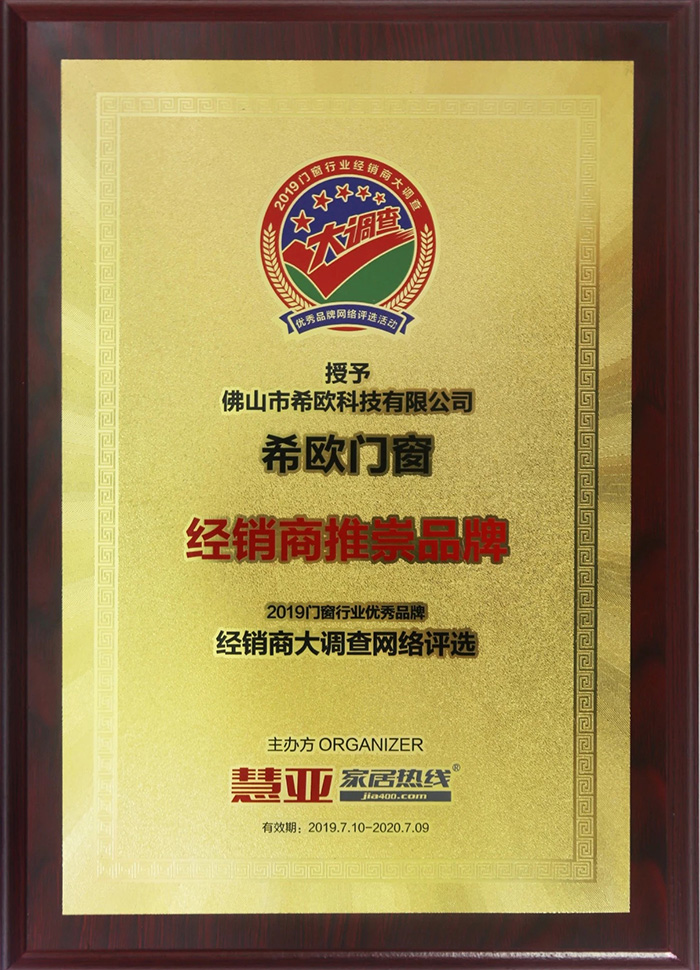
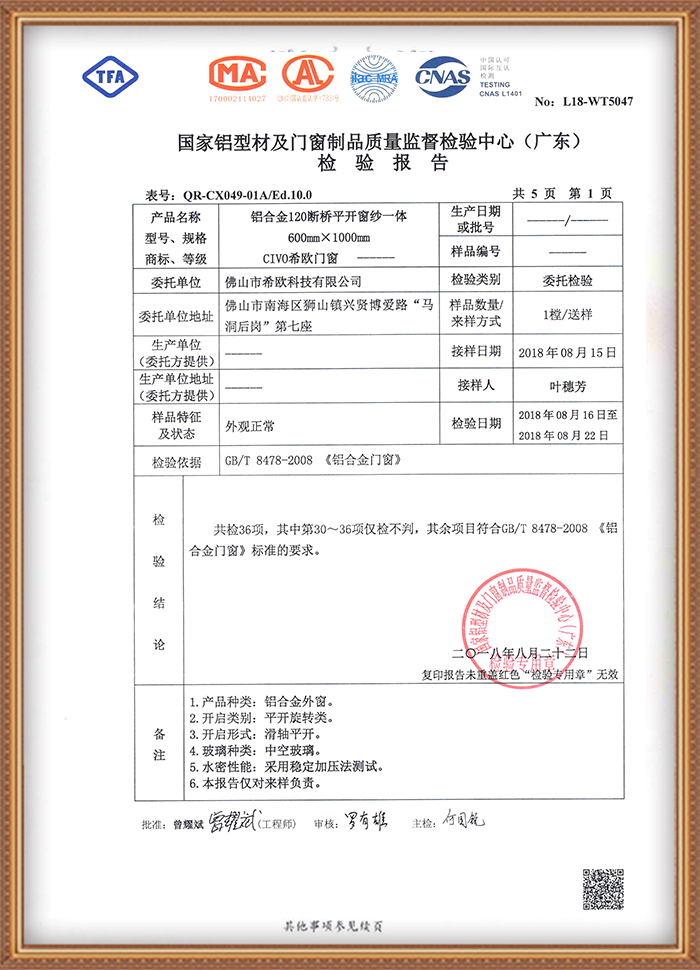
CIVO architectural fenestration systems hold prestigious global engineering certifications and dozens of utility model patents, demonstrating compliance with extreme wind loads, thermal barriers, and impact durability.
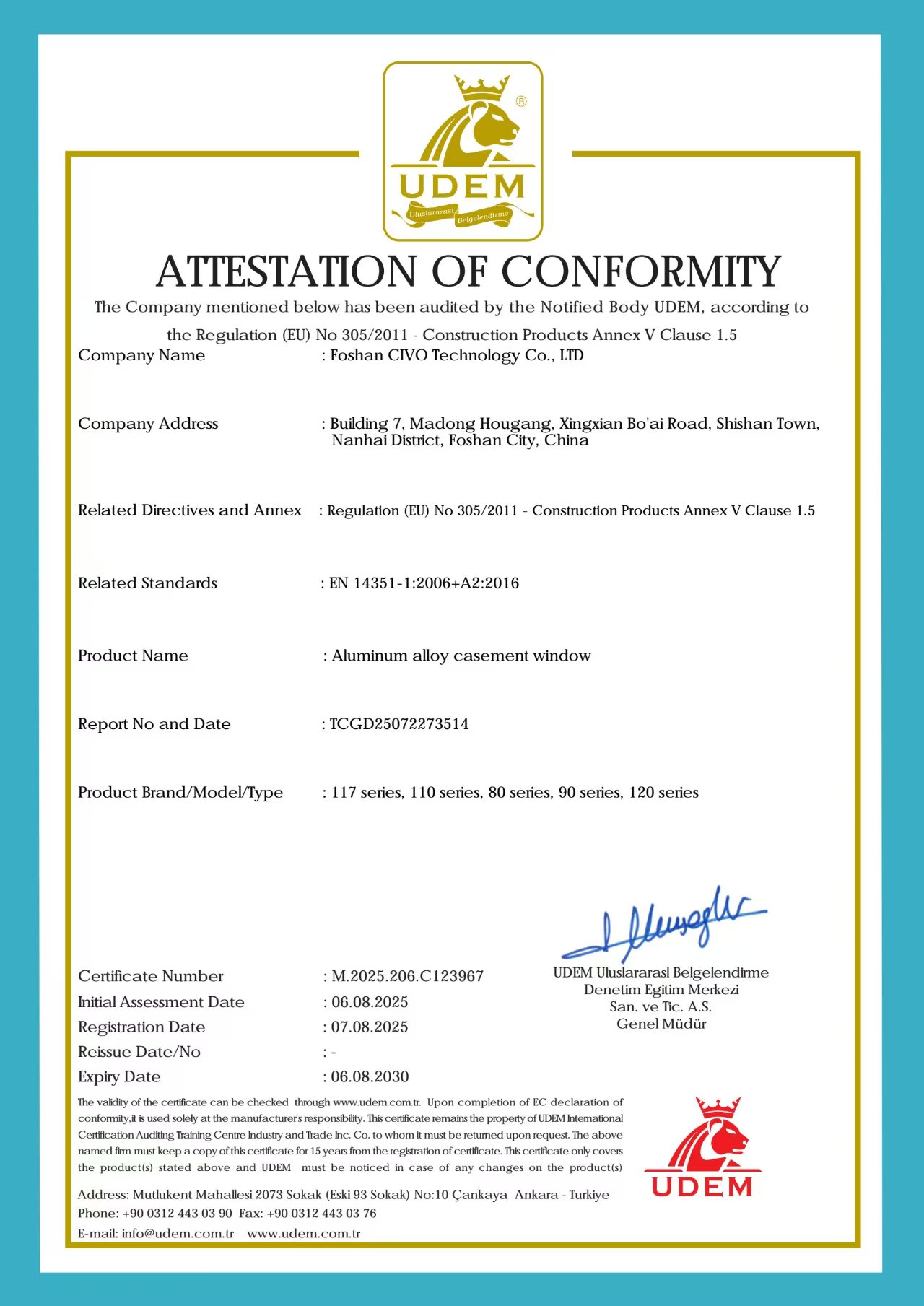
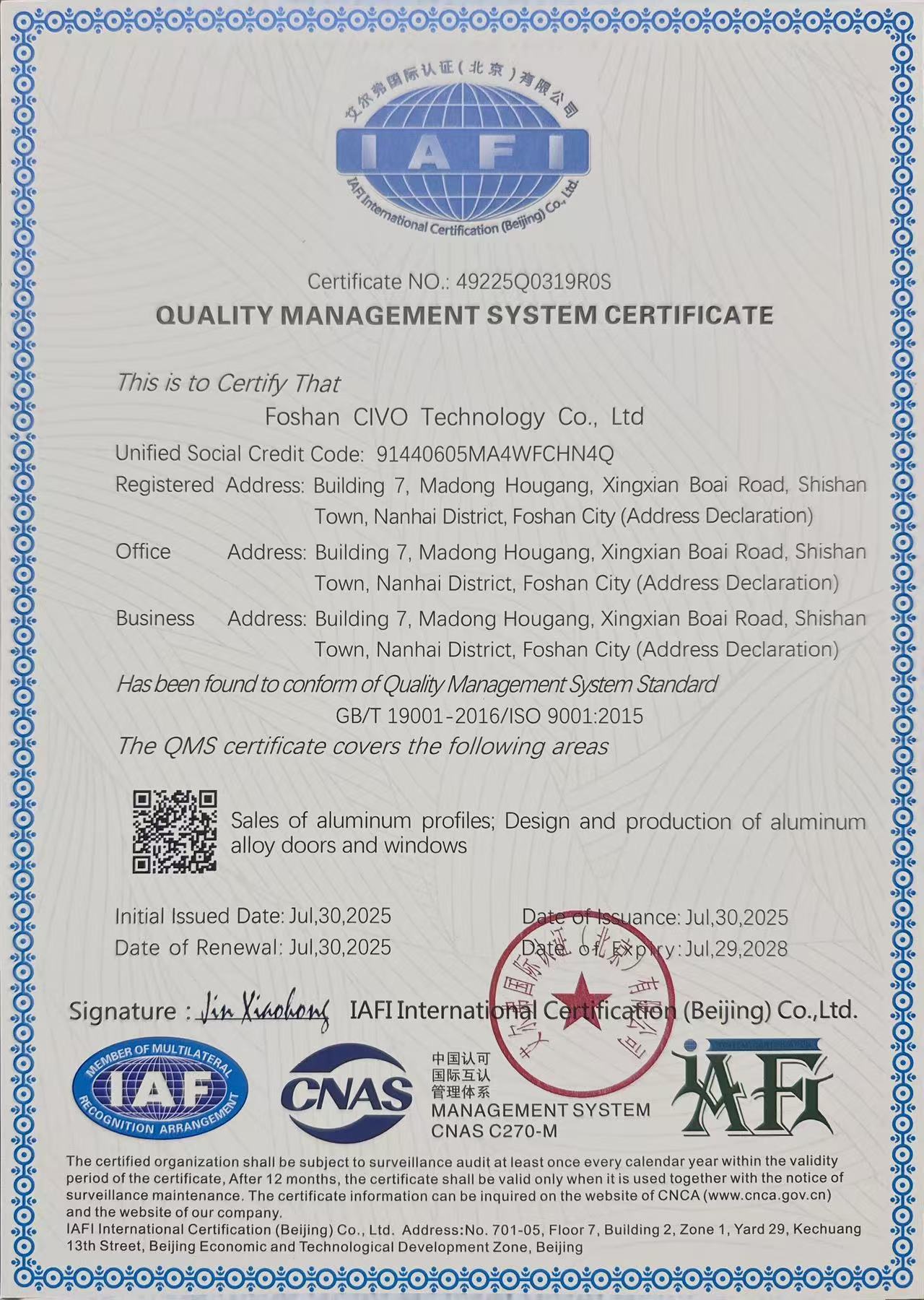
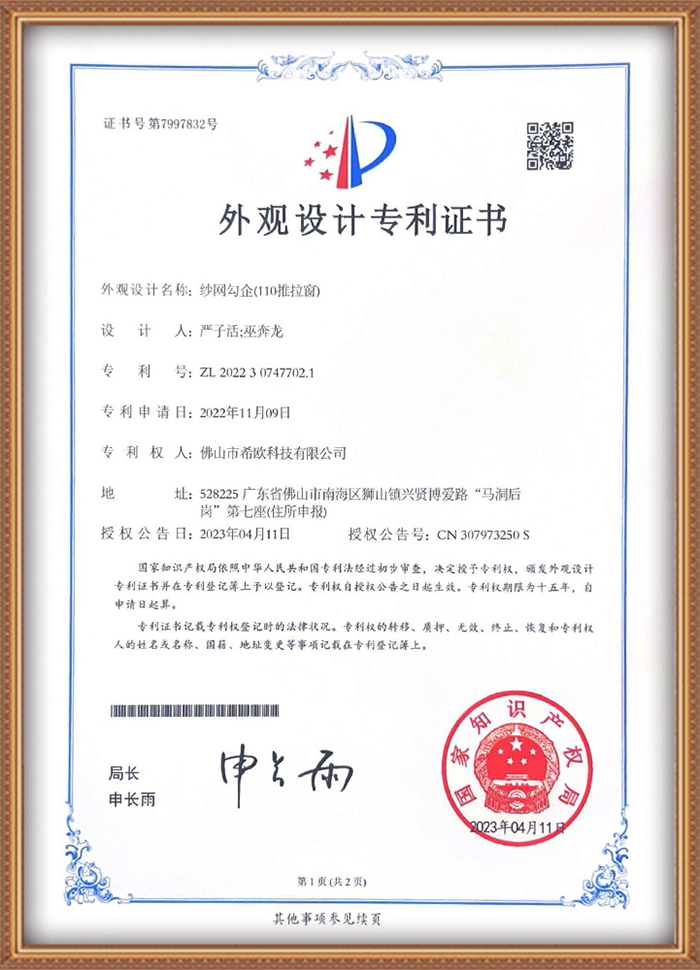
Continuous Innovation in Wind & Thermal Engineering
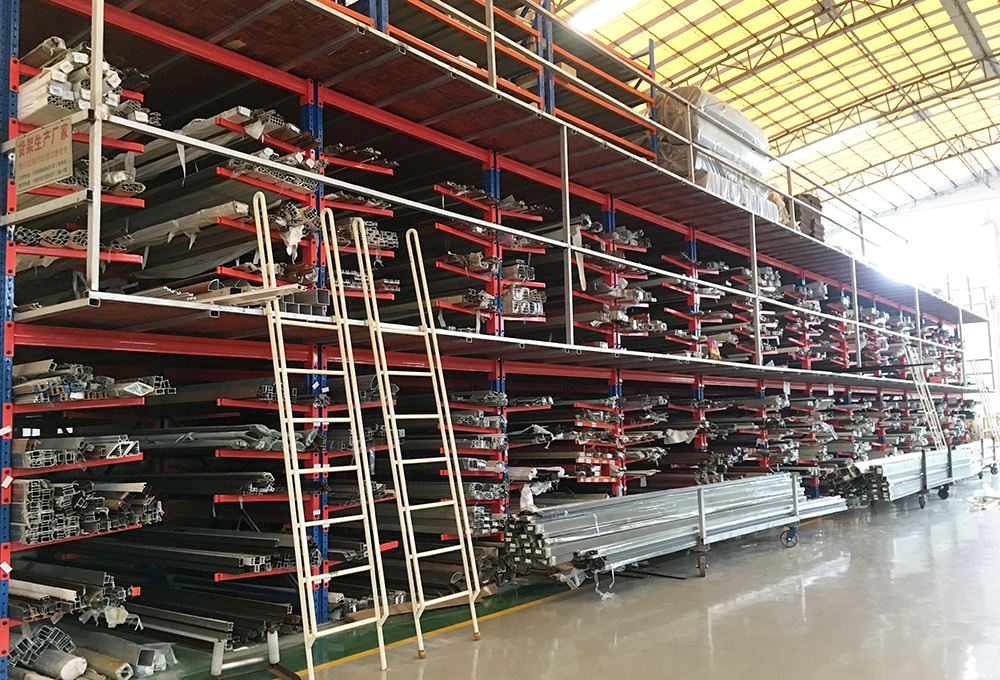
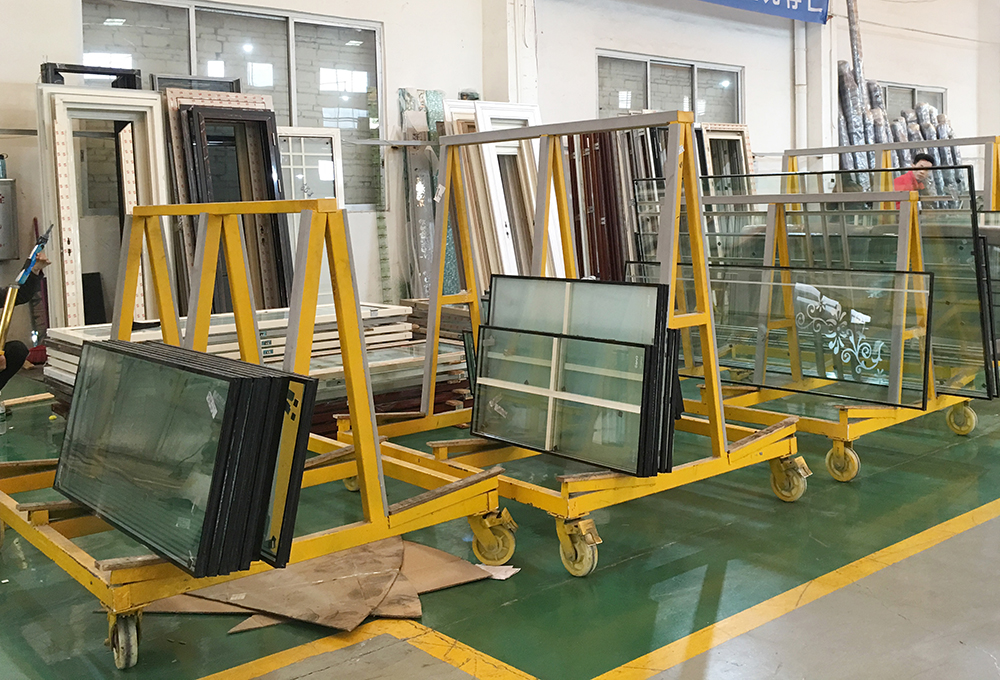
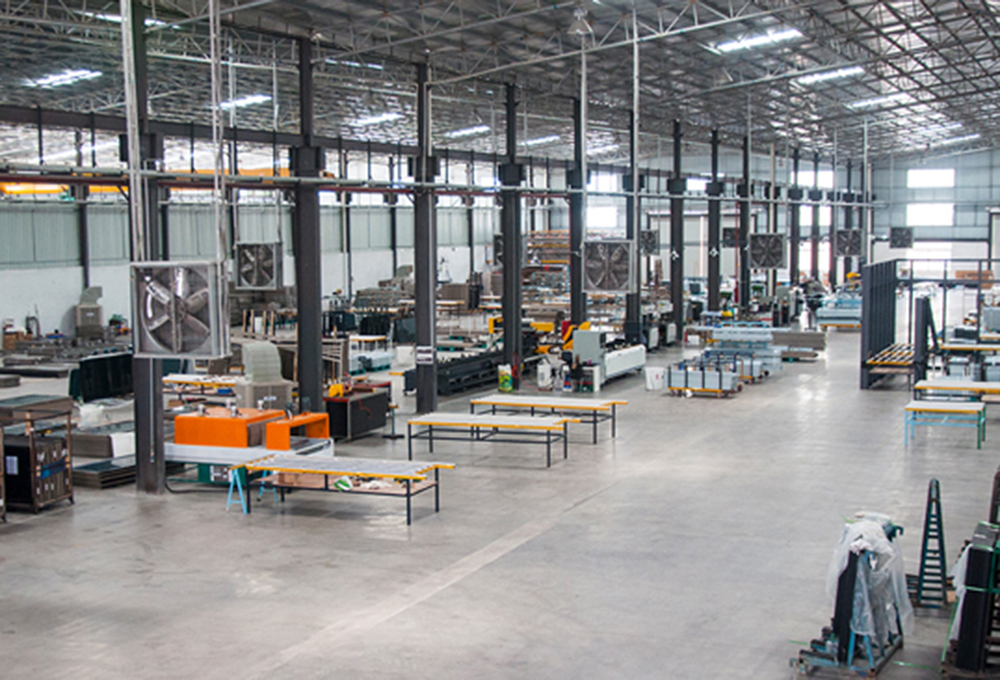
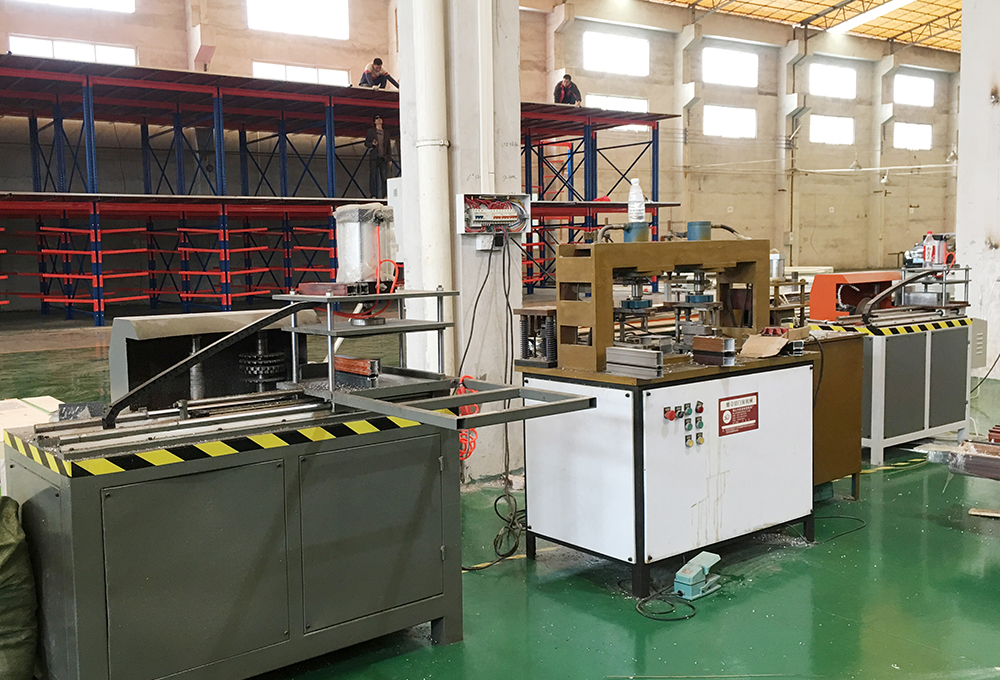
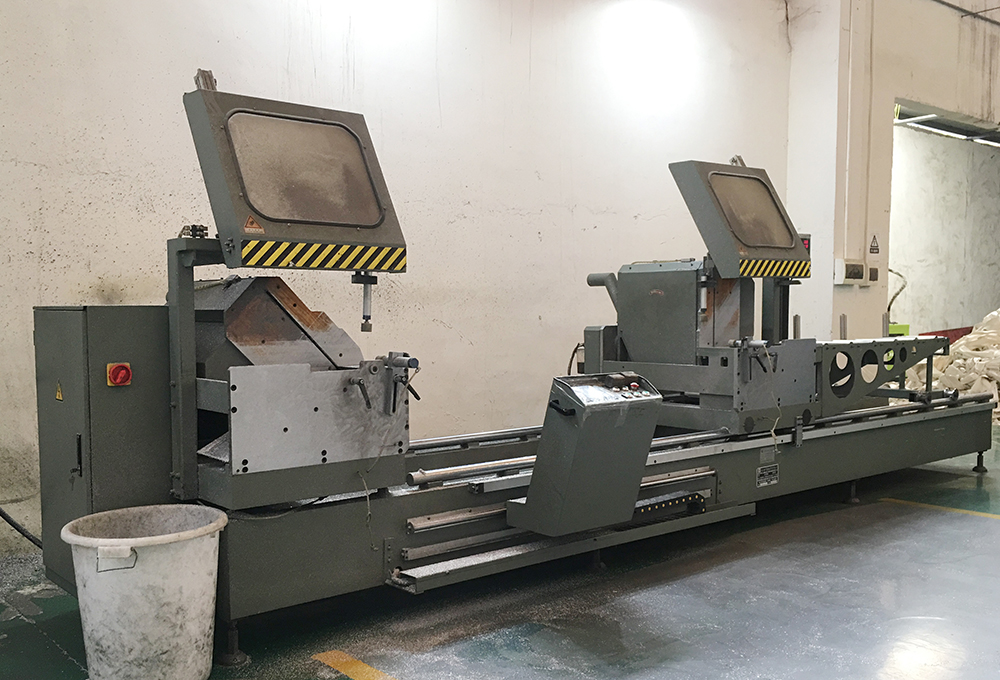
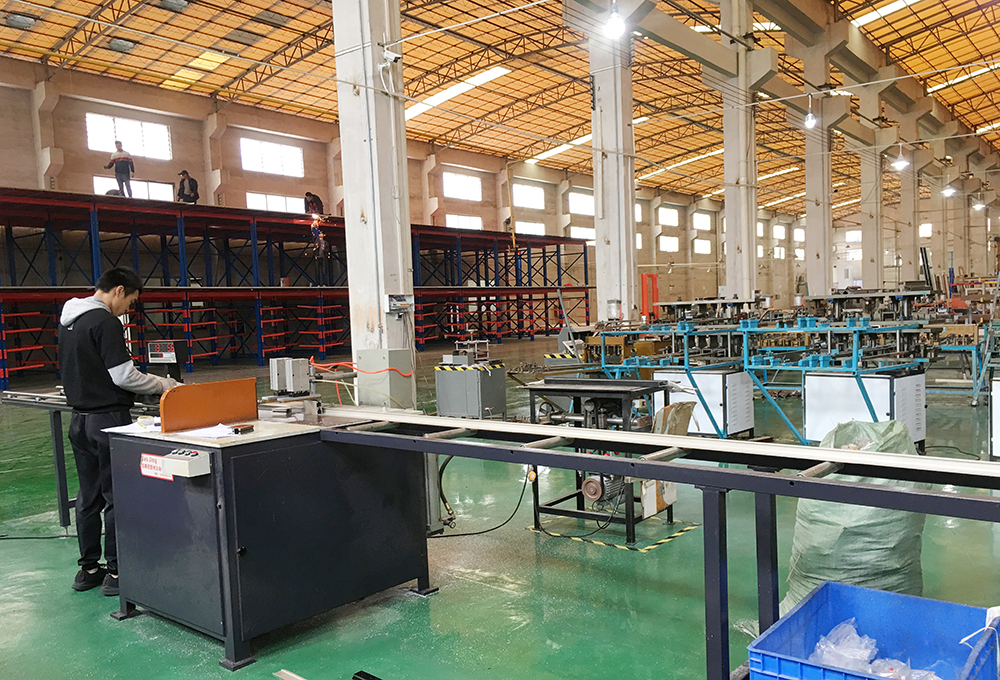
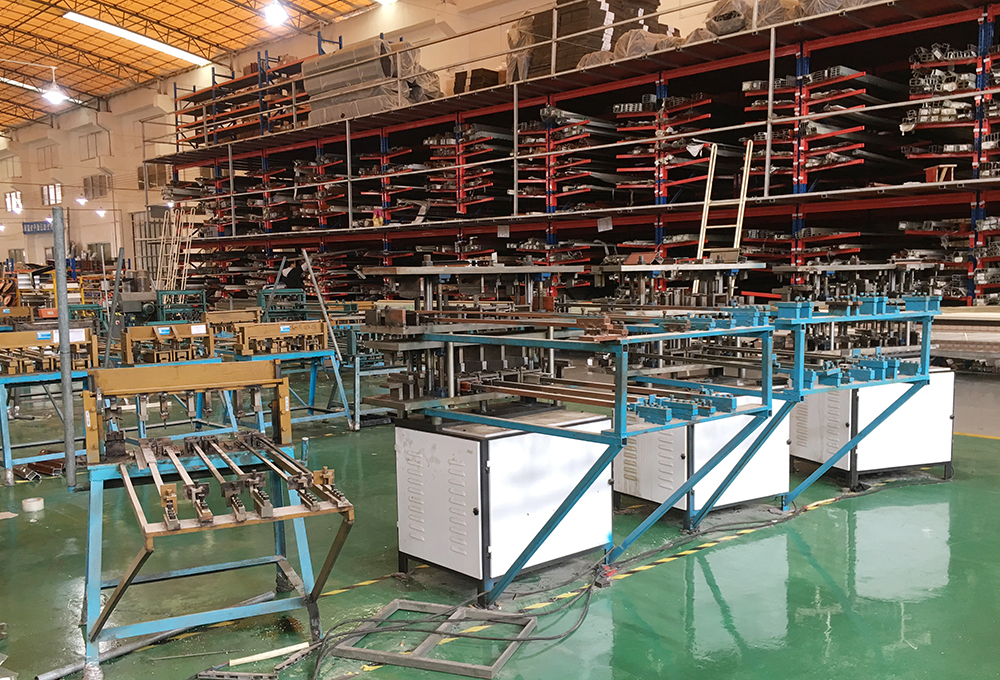
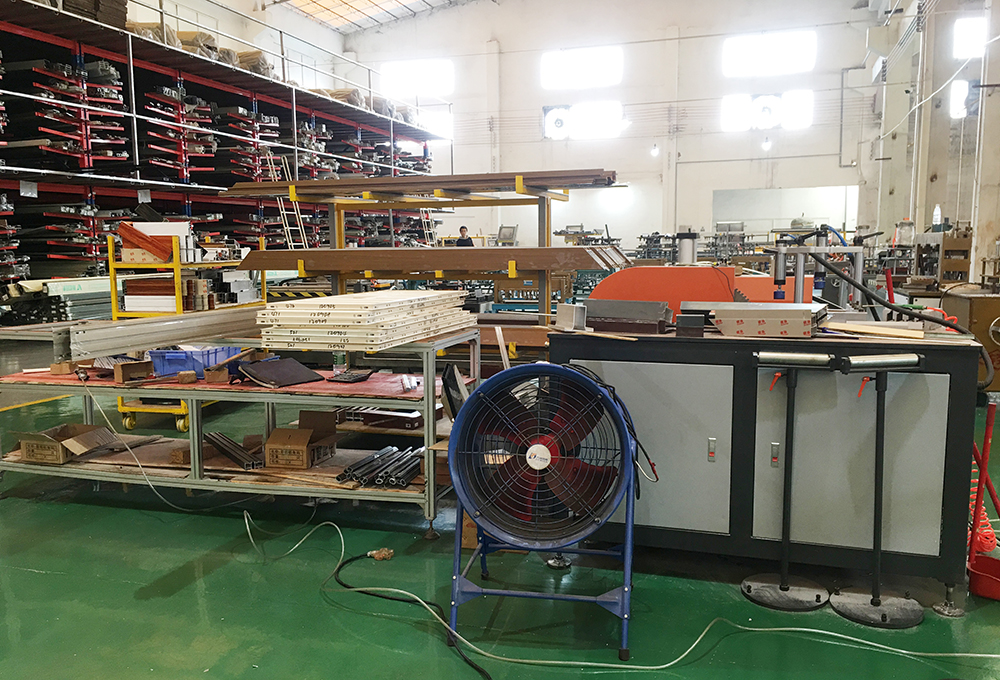
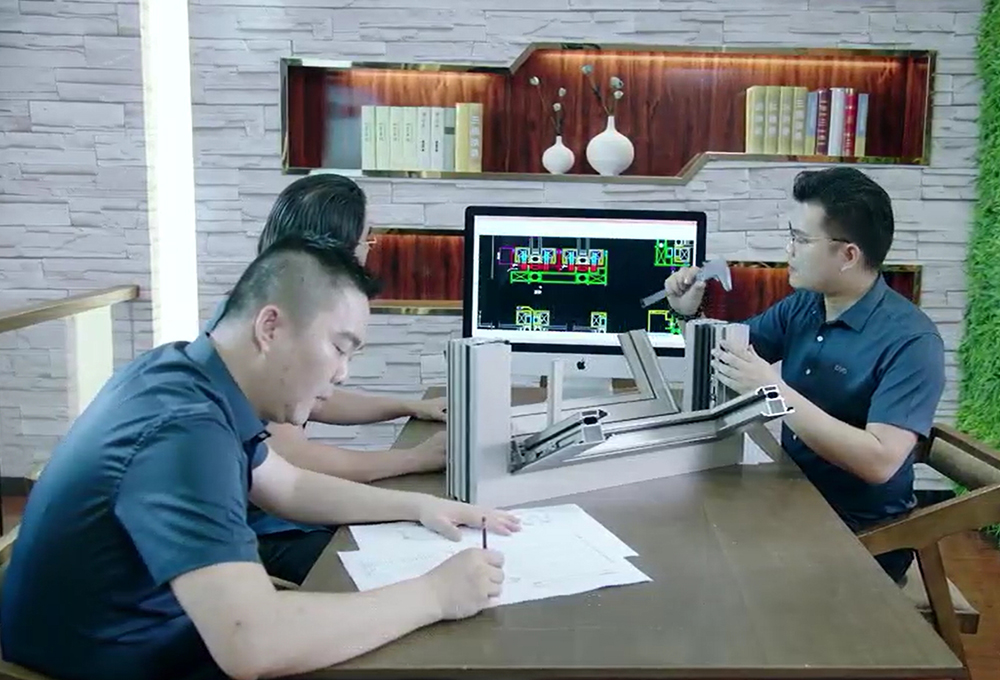
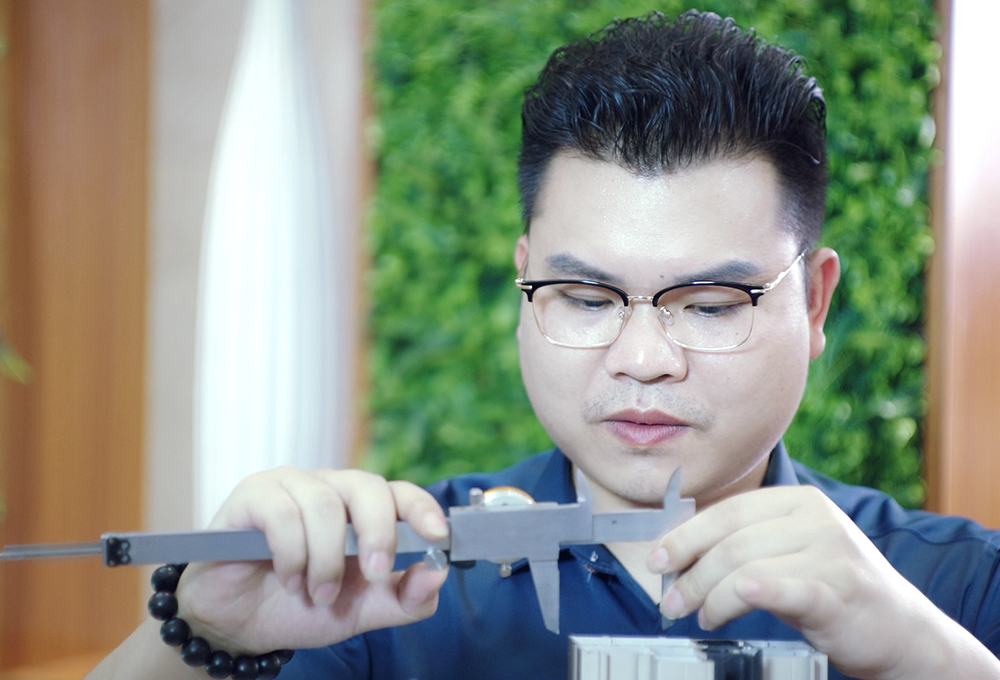
The evolution of corner fenestration for severe climatic zones is accelerating alongside digital engineering. Advanced Computational Fluid Dynamics (CFD) integrated with artificial intelligence now enables CIVO engineers to run parametric wind-load simulations on bespoke building corner geometries before profile extrusion begins. This eliminates potential micro-whistling, acoustic turbulence, and water stagnation zones long before field installation.
Furthermore, the industry is transitioning toward closed-loop circular economy models. CIVO is spearheading the utilization of low-carbon recycled aluminum profiles produced via clean hydroelectric smelting, reducing embodied carbon by up to 70% while maintaining the mechanical yield strength (Rp0.2 ≥ 200 MPa) required for extreme hurricane-force resistance.