Windows Doors Manufacturer

Leave Your Message
Need Project Quote?
Chat With Us Now
Chat With Us Now
Windows Doors Manufacturer
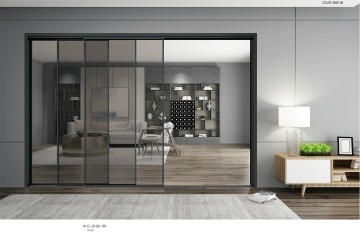
Modern public architecture is undergoing a significant transformation, driven by urbanization, demographic shifts, and the critical need for sustainable development. In this context, the selection of building envelope components has moved beyond simple aesthetics to encompass rigorous functional performance. Among these components, aluminum exterior doors for public buildings represent a vital interface between the built environment and the public. These entrance systems must withstand constant mechanical stress, resist extreme weather conditions, provide high security, and contribute to the thermal efficiency of the building. The global commercial market for architectural aluminum doors has seen robust growth, driven by investments in public transit hubs, healthcare facilities, academic campuses, and municipal offices.
Aluminum has become the material of choice for public entrance systems primarily due to its exceptional strength-to-weight ratio. Unlike timber, which is prone to warping and requires extensive maintenance, or steel, which is heavy and susceptible to corrosion, aluminum alloys (such as extruded 6063-T5 or 6063-T6) offer structural resilience without excessive weight. This allows architects to design large-format, high-visibility glazed entrance doors that invite natural light into public spaces while maintaining structural integrity. Furthermore, industrial advancements in surface treatment—including PVDF coatings, electrostatic powder painting, and ceramic electrophoretic finishes—ensure that these entrance systems resist degradation from ultraviolet light, pollution, and high-frequency tactile contact.
Engineered to handle millions of cycles annually in high-traffic hubs like airports, metro stations, and administrative centers.
Utilizes polyamide thermal break technology to reduce heat transfer, lowering HVAC operating costs in large public spaces.
Compatible with modern building management systems, access controls, automated actuators, and safety sensors.
The requirements for an aluminum exterior door vary significantly depending on the specific typology of the public building it serves. Understanding these distinct application scenarios is crucial for proper architectural specification:
Transit facilities are characterized by continuous, round-the-clock foot traffic and the movement of heavy luggage and equipment. Doors in these environments must feature heavy-duty hardware systems, such as lever gear mechanisms and robust overhead closers. Large-scale sliding systems, such as the MT150 heavy lever gear sliding door, are ideal for these zones. They offer wide clear opening widths, allowing smooth multi-directional pedestrian flow and preventing bottlenecks. Additionally, these systems must withstand high wind loads generated by open terminal environments and passing vehicles.
In healthcare settings, accessibility, hygiene, and acoustic control are paramount. Aluminum exterior doors must conform to barrier-free access regulations (such as ADA standards), requiring low-profile or flush thresholds to facilitate wheelchair and gurney transit. Smooth, quiet automated sliding systems like the 4016 perfect system extremely narrow sliding door minimize noise transmission, creating a calmer healing environment. The use of antimicrobial finishes on handles and metal surfaces is also a growing requirement in these sterile environments.
Safety, impact resistance, and energy conservation are the primary concerns for educational buildings. Doors must be designed to withstand rough usage by students while ensuring secure access control. Thermal broken aluminum profiles equipped with double or triple insulating glass units (IGUs) are specified to maintain comfortable indoor temperatures during seasonal extremes, directly contributing to energy-saving initiatives on campuses.
For civic buildings, museums, and galleries, the exterior door represents the aesthetic identity of the institution. Architects often demand minimalist profiles with expansive glazing to maximize transparency and light transmission. Systems such as the 138PD minimalism full view thermal broken door provide the perfect balance between high-end architectural design and structural safety, ensuring that public landmarks are both welcoming and highly secure.
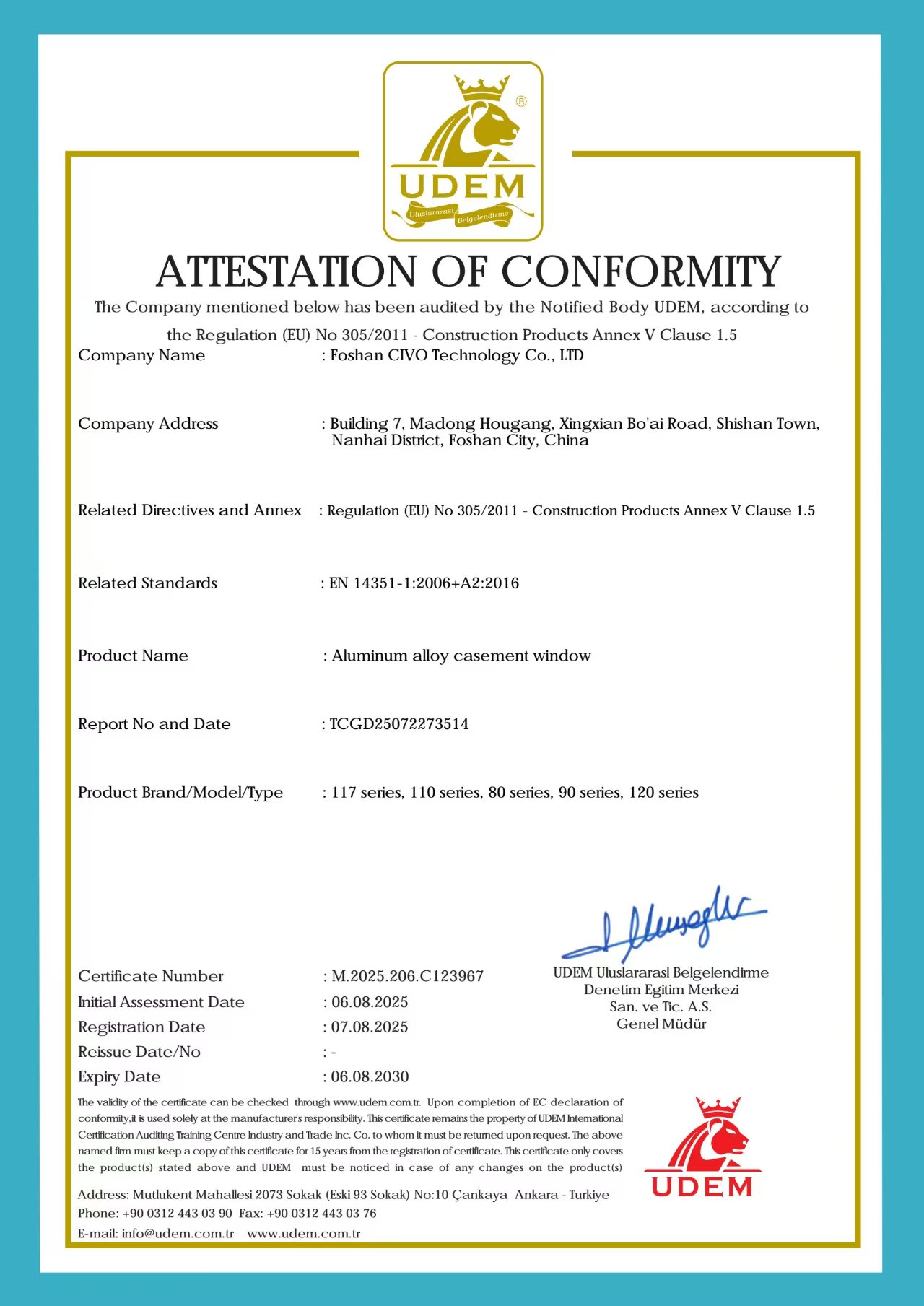
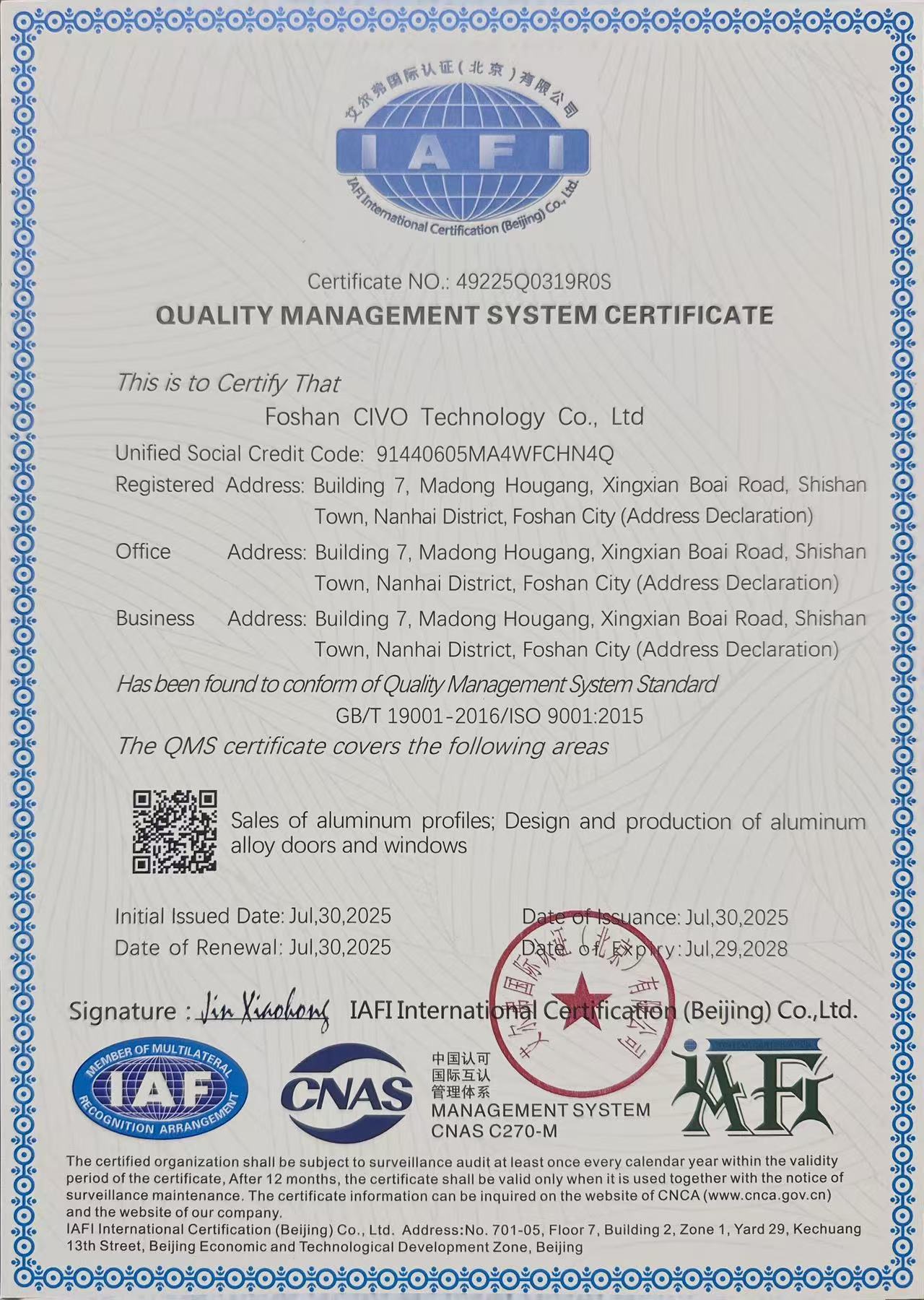
To ensure safety and performance in public infrastructure, aluminum exterior doors must be manufactured to meet strict engineering standards:
The convergence of structural engineering and digital technology is driving the next generation of public building entry systems. One major trend is the integration of smart access control directly into the aluminum door profiles. Electromagnetic locks, biometrics, and RFID scanners are now seamlessly embedded within the frames, maintaining clean lines while enhancing security. Furthermore, with the rise of the Internet of Things (IoT), automated doors are being equipped with smart sensors that communicate with the Building Management System (BMS). This allows for real-time monitoring of traffic flow, energy loss, and hardware wear. AI-driven predictive maintenance systems can detect slight misalignments or changes in friction within sliding tracks, alerting facility managers to perform maintenance before a mechanical failure occurs, ensuring uninterrupted operation of public services.
CIVO is a premier provider of architectural aluminum system solutions, integrating research and development, production, sales, and service of high-performance system door and window products.
With our core slogan "MAKE BUILDINGS MORE FLEXIBLE", CIVO is committed to delivering quality-oriented building materials and providing high-end system doors and windows for global residential, commercial, and public projects.
According to different regional climates and architectural styles, CIVO develops high-quality, safe, and energy-efficient aluminum windows and doors to meet the demanding requirements of global engineering projects.
Contact Us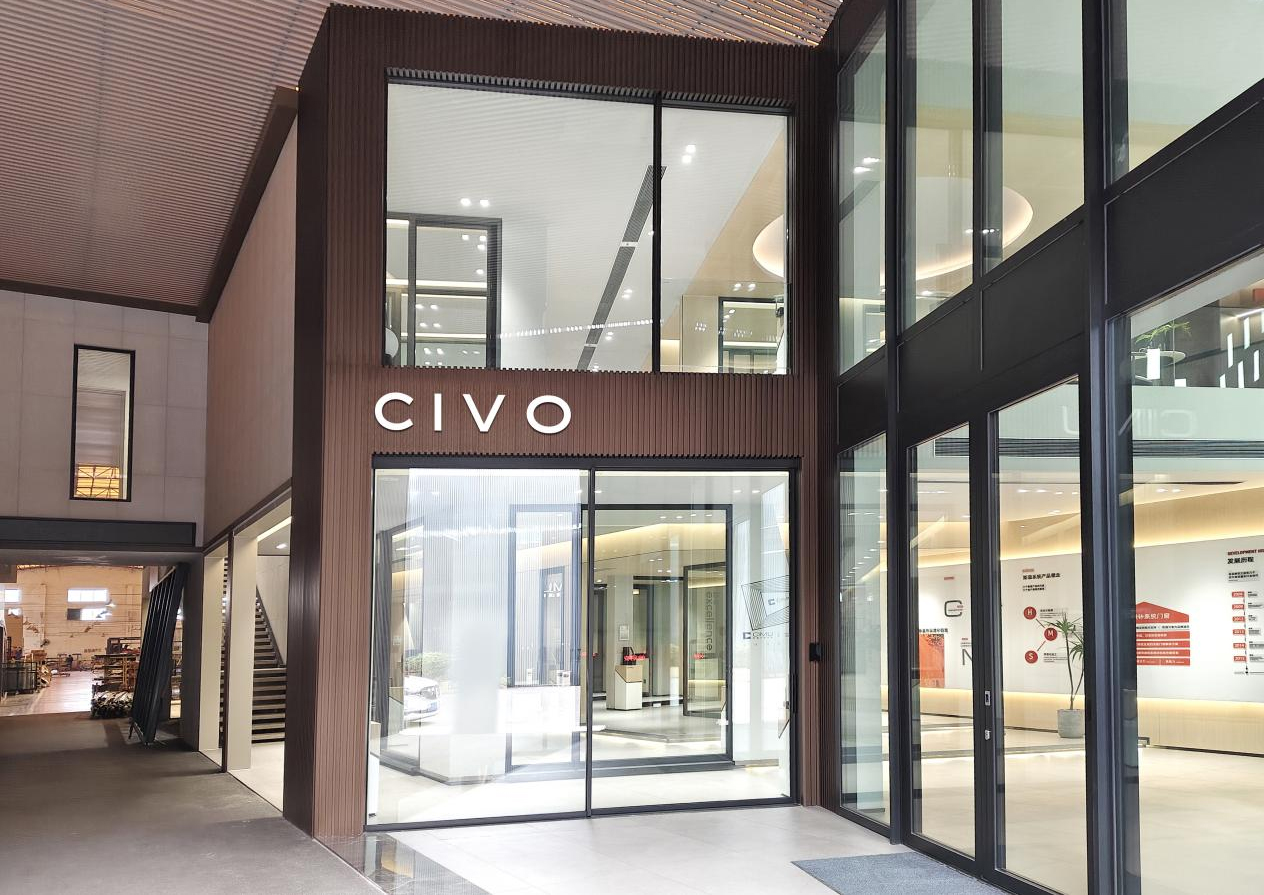
Established Year
Modern Plant Area
Standard Reserve Profile Warehouse
Global Exclusive Stores
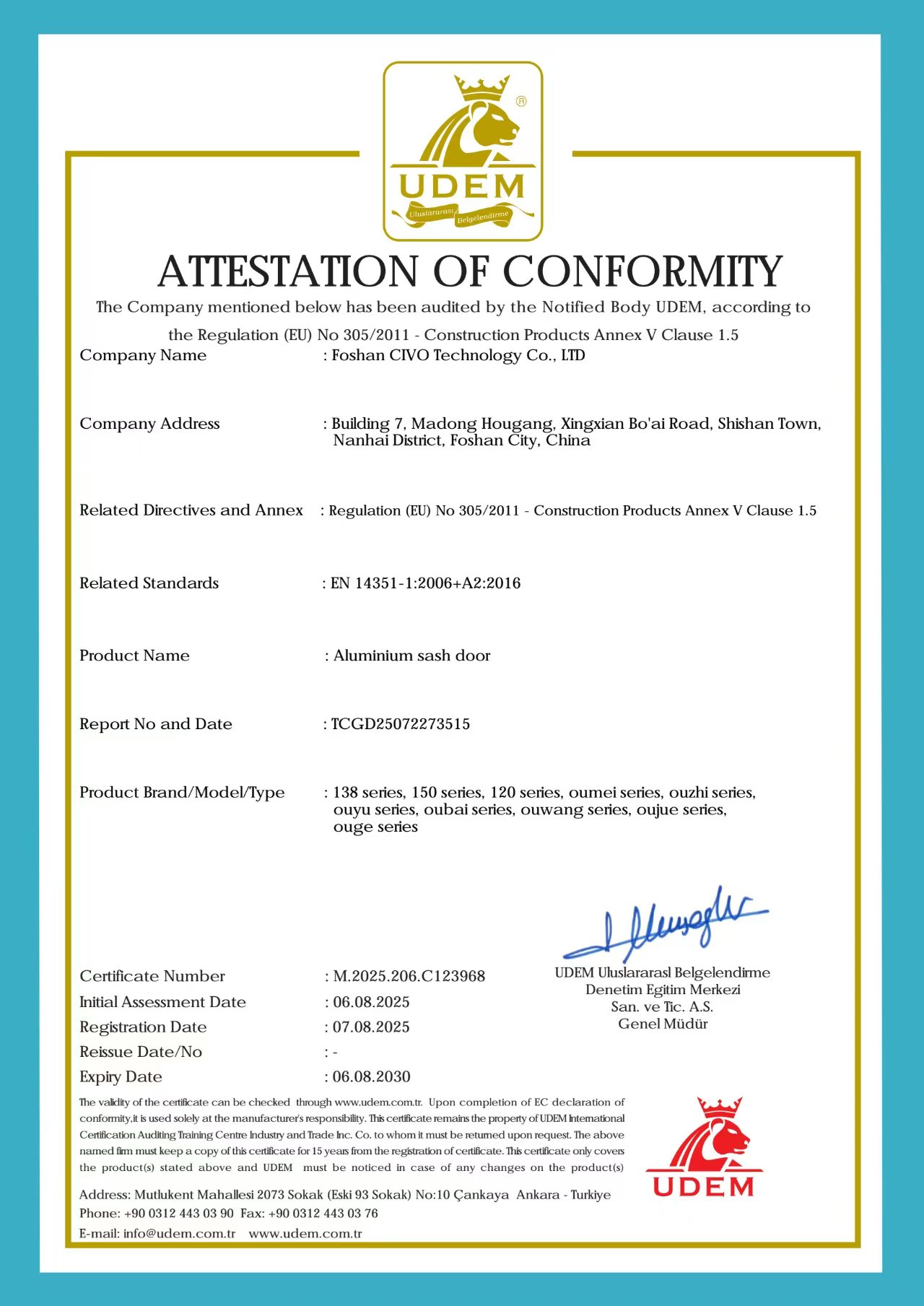

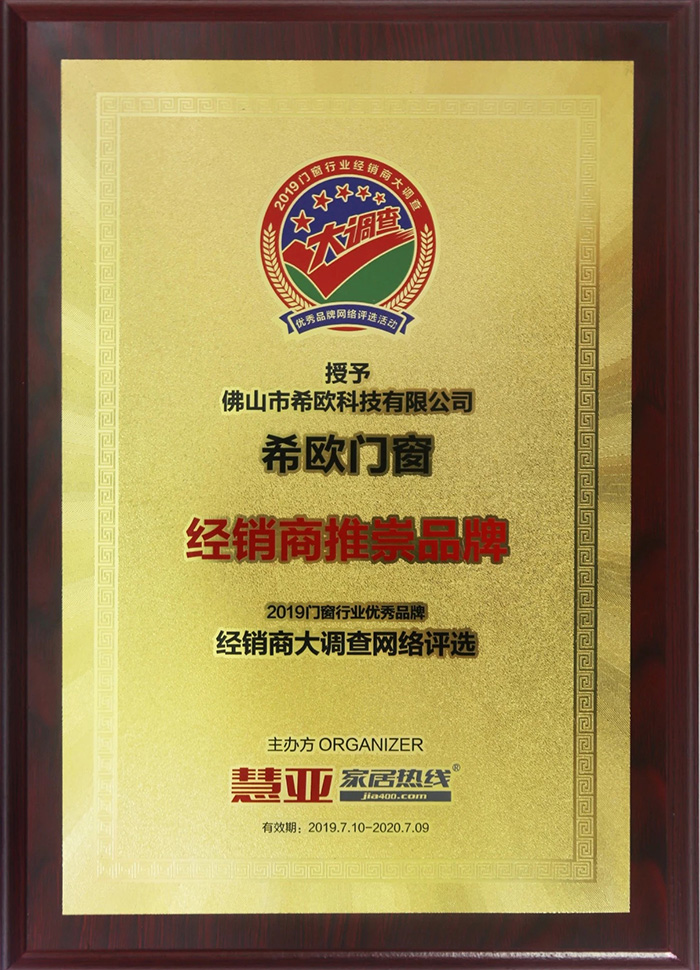
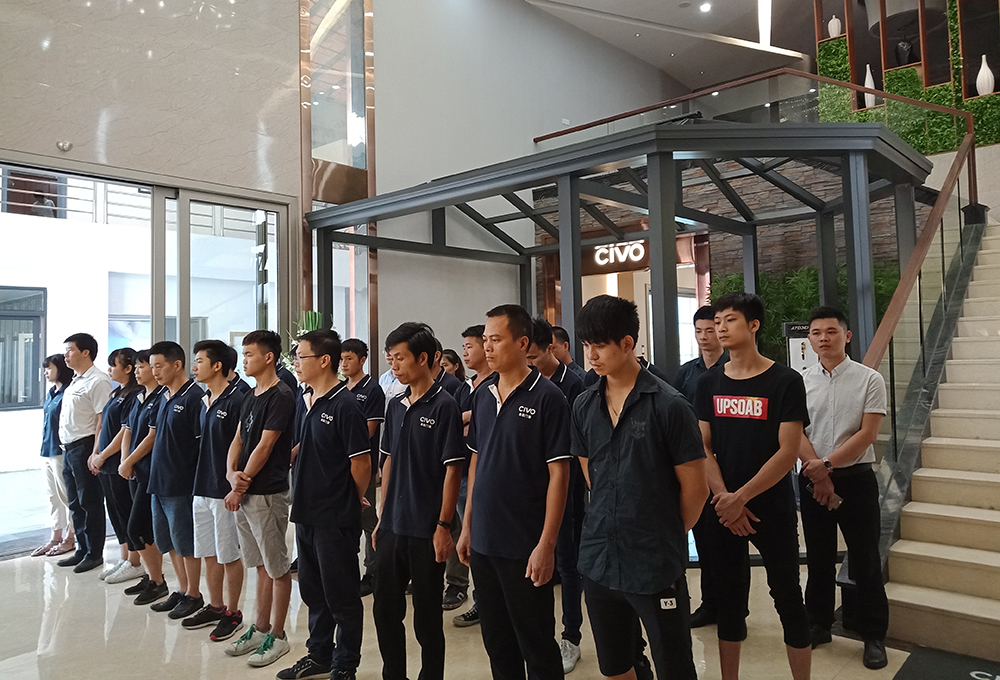
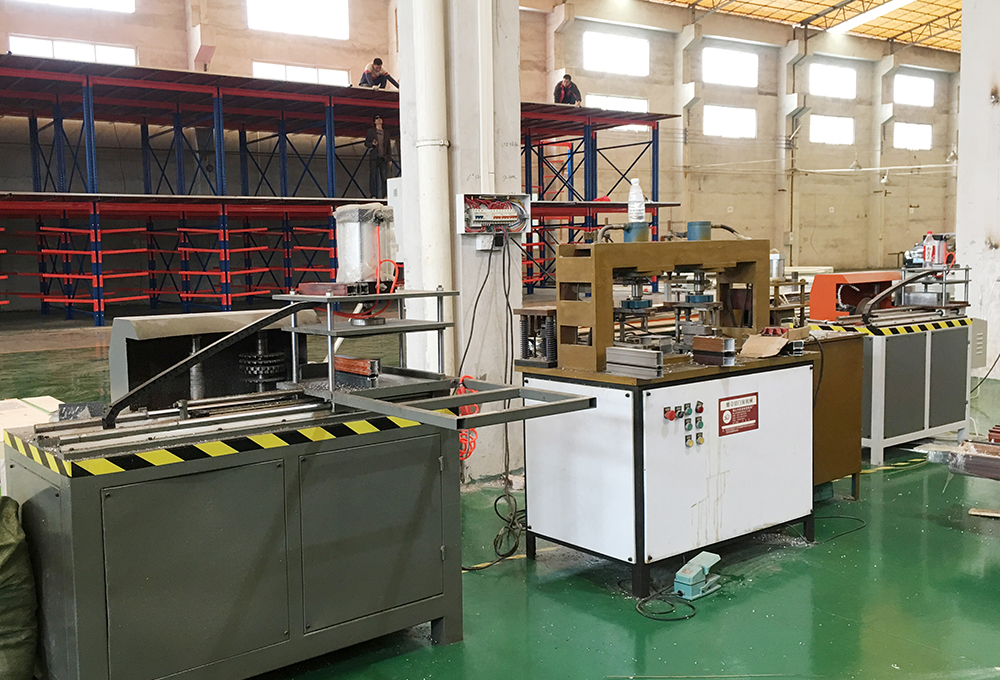
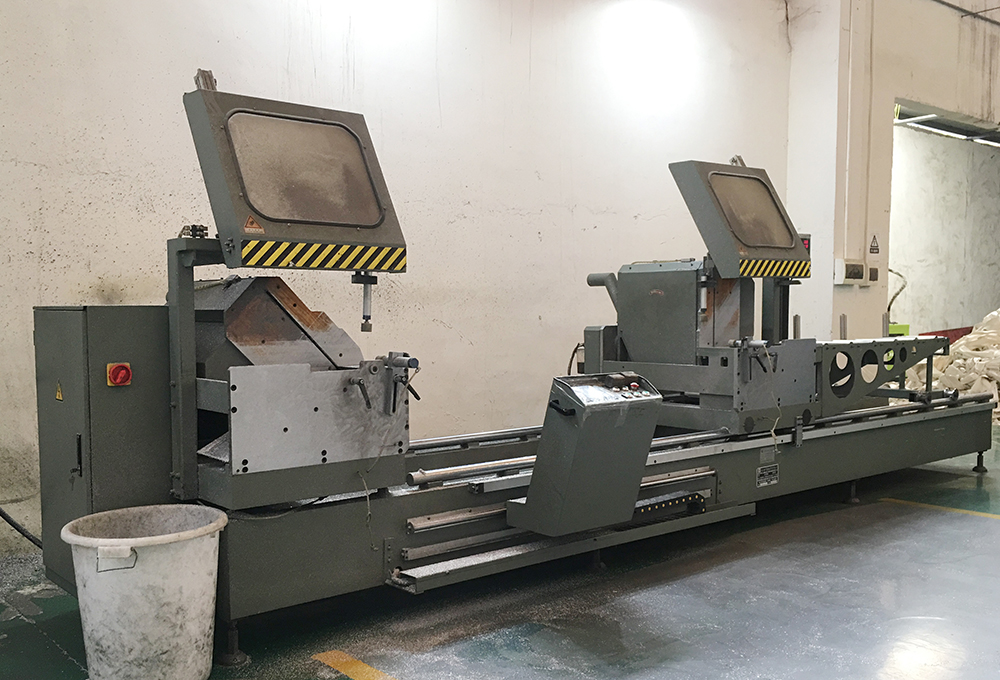
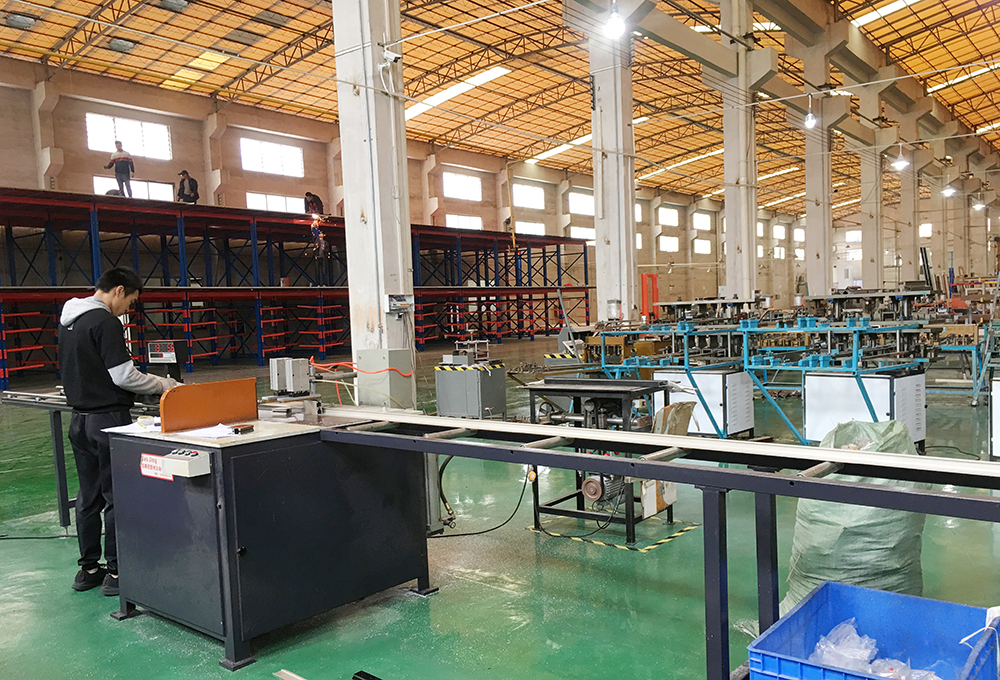
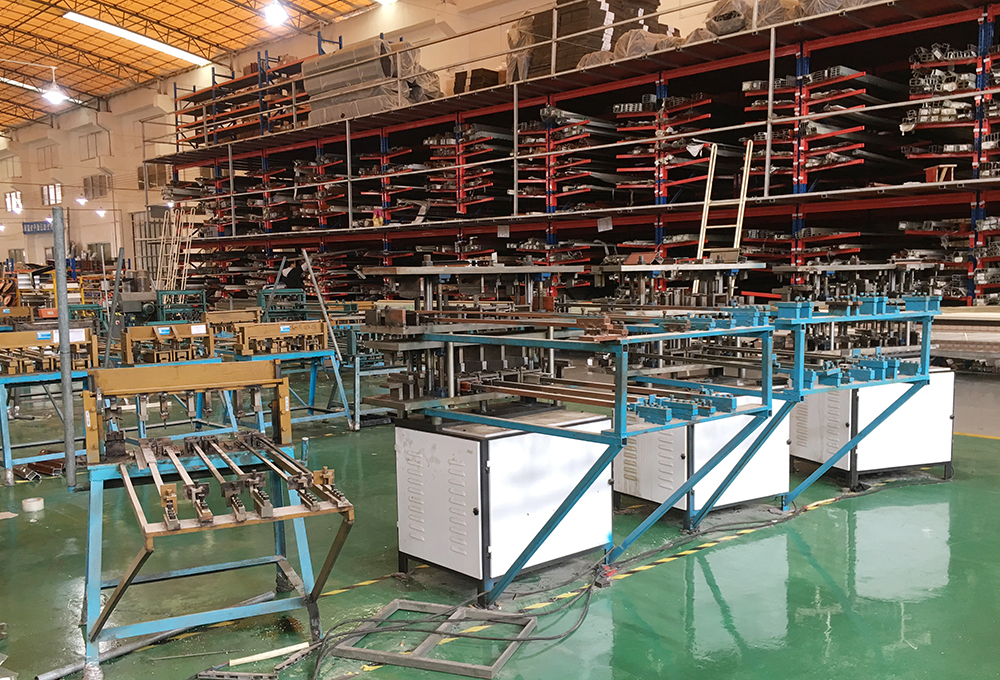
CIVO's production facility spans 40,000 square meters, equipped with high-precision manufacturing lines designed to output consistent, high-performance architectural systems.
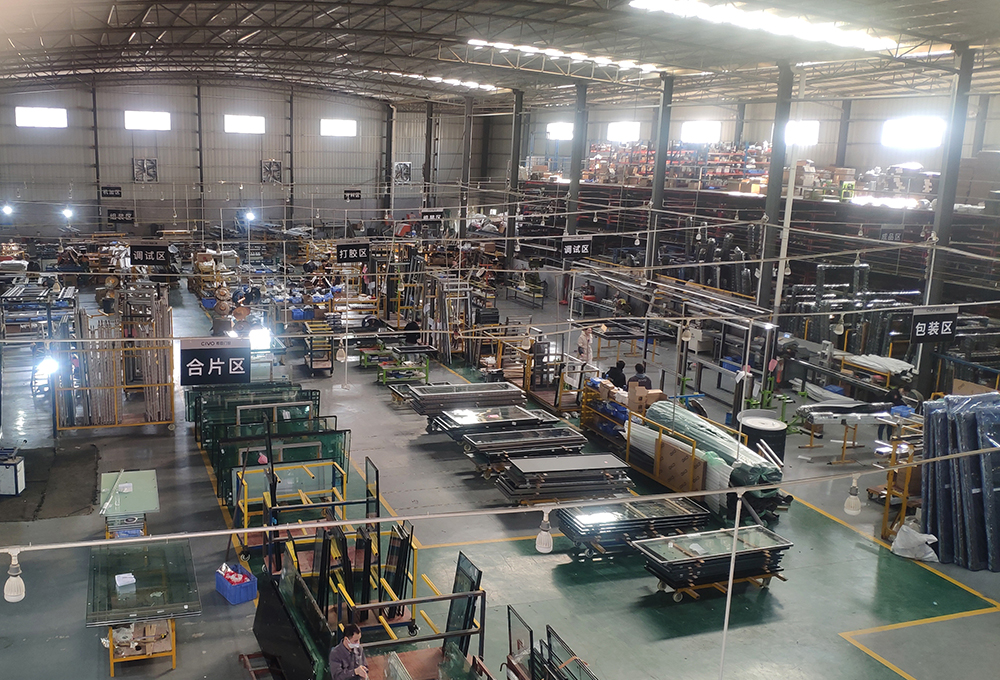
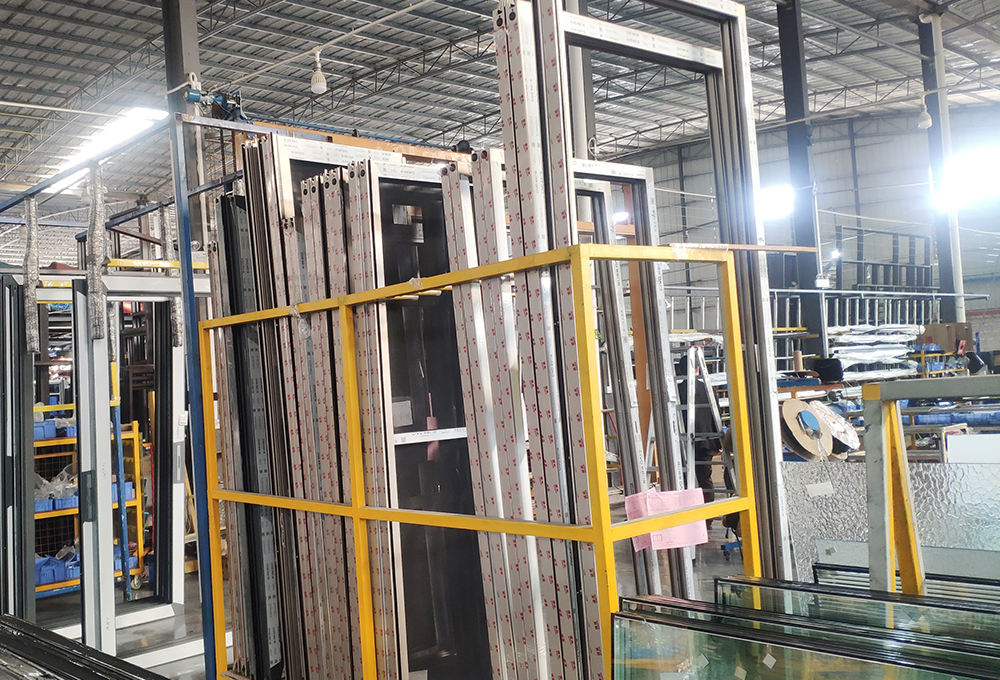
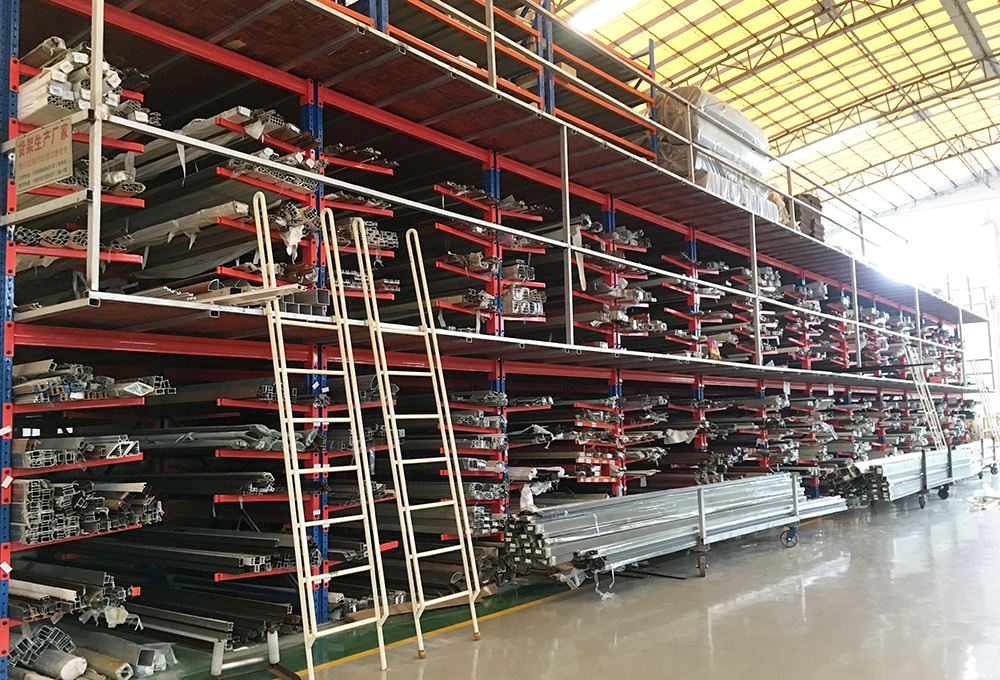
We utilize top-tier industrial milling, cutting, and molding machinery to ensure precise tolerances and long-term structural reliability of our public building doors.
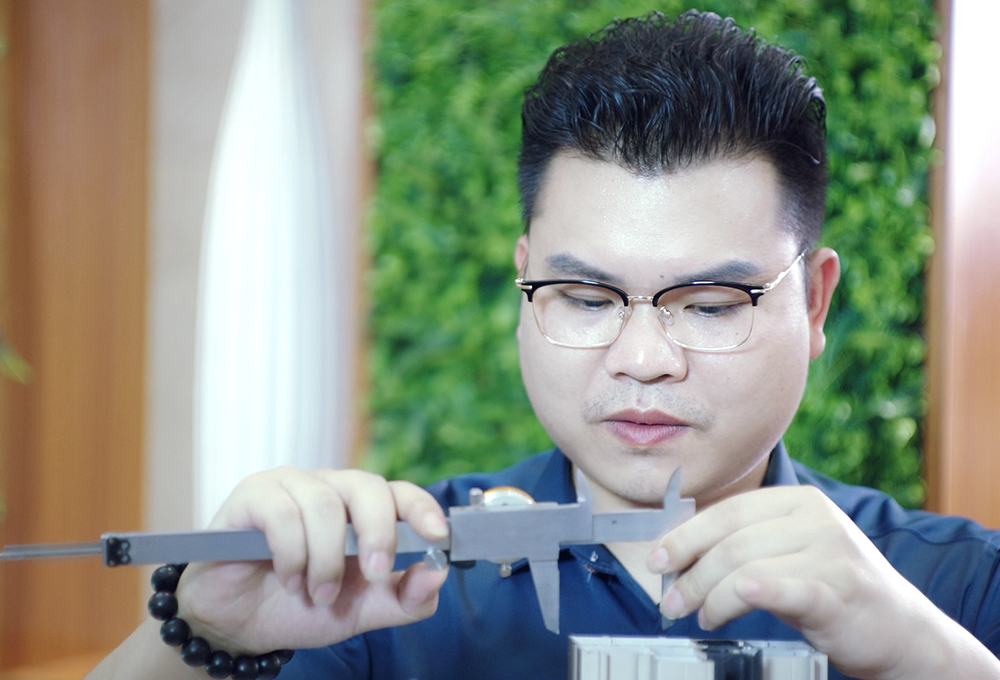
Continuous innovation is at the core of CIVO. Our R&D center focuses on thermal performance, structural wind loads, and intelligent hardware integration.


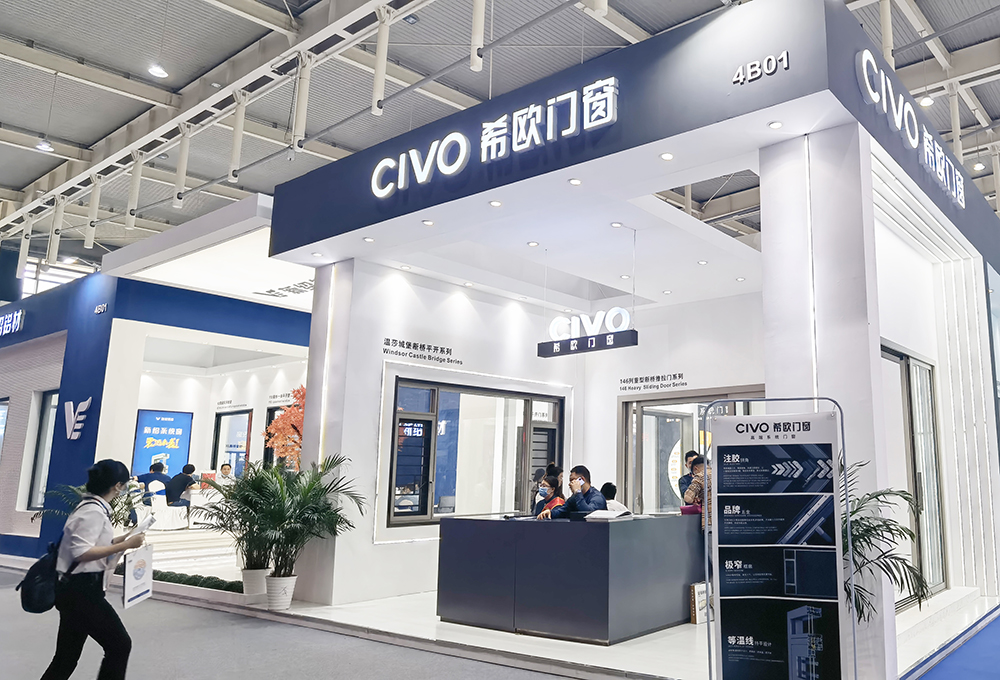
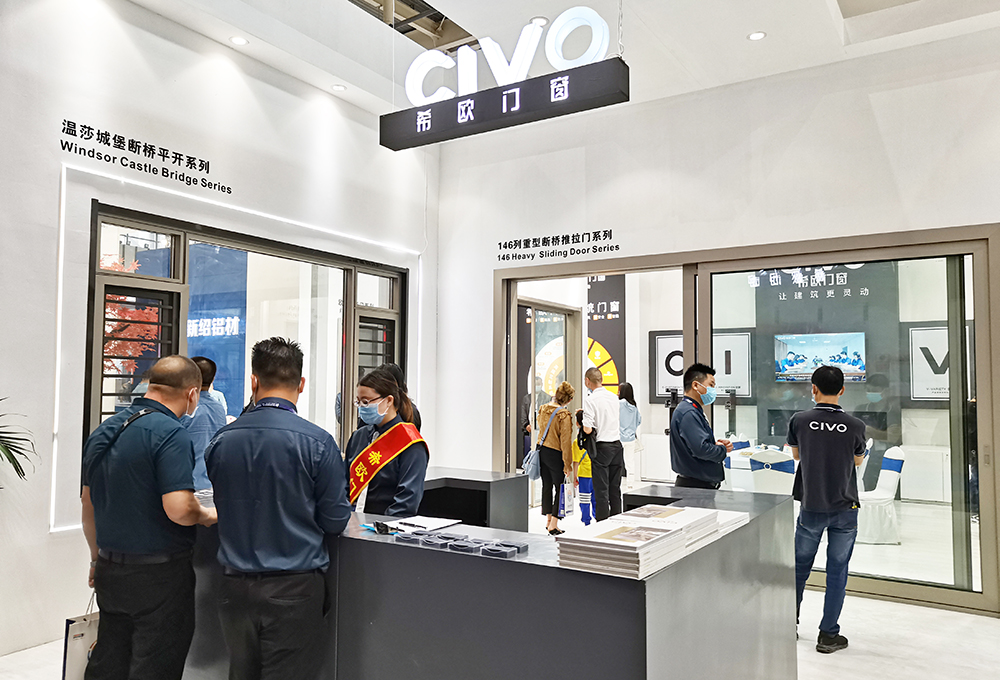
CIVO regularly showcases its latest architectural system designs at international industry exhibitions, engaging with global architects and developers.