Windows Doors Manufacturer

Leave Your Message
Need Project Quote?
Chat With Us Now
Chat With Us Now
Windows Doors Manufacturer
Premium Architectural Systems Engineered for Maximum Thermal Performance
In the contemporary landscape of sustainable architecture, the integration of energy-efficient building envelopes has transitioned from a niche design philosophy to a global regulatory imperative. Windows and doors represent the most critical interfaces for heat exchange between a building's interior and the external environment. Among these, the aluminum French door has emerged as a cornerstone for architects and developers aiming to satisfy rigorous energy conservation standards, such as LEED, BREEAM, and Passive House certifications, without sacrificing aesthetic grandeur or structural longevity.
Historically, French doors were constructed primarily from timber or steel. While visually appealing, timber is susceptible to weathering, warping, and high maintenance, whereas traditional steel profiles suffer from poor thermal insulation properties. The advent of advanced aluminum extrusion technologies, combined with innovative thermal break engineering, has revolutionized this product class. Today, aluminum French doors offer the ultimate synergy of structural strength, architectural flexibility, and exceptional thermal performance, making them indispensable for energy-efficient commercial and residential buildings alike.
Advanced multi-chambered polyamide thermal breaks significantly reduce heat transfer, keeping interiors insulated.
High-tensile aluminum alloys withstand extreme wind loads and support large-span, triple-glazed glass units.
Aluminum is 100% recyclable, retaining its properties indefinitely, contributing to a circular economy.
The primary mechanism behind the energy efficiency of modern aluminum French doors is the "thermal break" or "thermal barrier." Because aluminum is a highly conductive metal, an uninsulated aluminum frame would rapidly conduct heat out of a building during winter and into the building during summer. To prevent this, manufacturers insert a low-conductive material—typically reinforced polyamide glass-fiber strips—between the interior and exterior aluminum profiles. This creates a thermal barrier that effectively disrupts the path of heat conduction.
Furthermore, energy-efficient aluminum French doors are designed to accommodate advanced glazing systems. Double or triple-pane insulated glass units (IGUs) filled with inert gases like Argon or Krypton, and coated with Low-Emissivity (Low-E) films, work in tandem with the thermal-break frames. This multi-layered defense system dramatically lowers the overall U-value (the rate of heat transfer) of the door assembly, ensuring compliance with the most stringent energy codes worldwide.
The global market for energy-efficient windows and doors is experiencing unprecedented growth, driven by tightening building codes, carbon-neutrality targets, and rising energy costs. Commercial developers are increasingly recognizing that investing in high-performance building envelopes yields substantial long-term financial returns through reduced HVAC operational costs and enhanced property value.
In high-density urban environments, acoustic insulation is as critical as thermal performance. Modern aluminum French doors address this dual requirement through multi-point locking systems and high-density EPDM weather stripping. The precise compression seals not only eliminate air infiltration (drafts) but also act as highly effective sound barriers, making them ideal for mixed-use developments, luxury hotels, and premium office spaces.
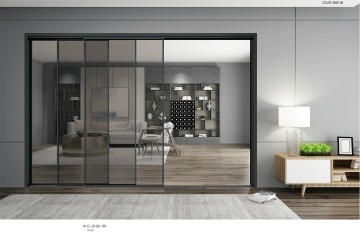
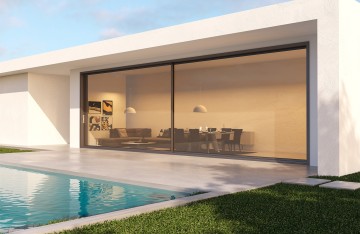
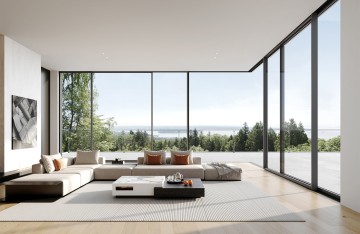
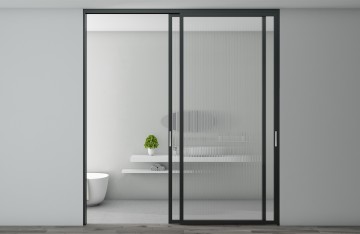
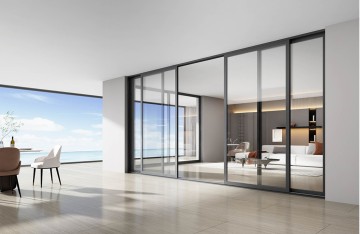
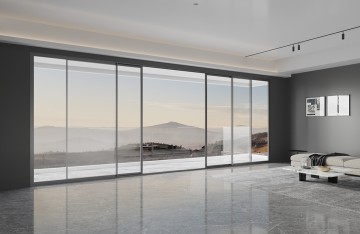
Another major trend is the demand for "slim-profile" or "minimalist" designs. Architects want to maximize natural daylighting (which reduces artificial lighting energy consumption) while maintaining structural safety. High-strength aluminum allows for incredibly narrow sightlines, enabling expansive glass panes that blur the boundary between indoor and outdoor spaces while maintaining structural stability under high wind pressures.
To fully understand the versatility of energy-efficient aluminum French doors, it is helpful to analyze their deployment across distinct architectural typologies:
In Passive House (Passivhaus) design, the goal is to maintain a comfortable interior climate with virtually no active heating or cooling. Here, aluminum French doors serve as critical solar gain interfaces. Positioned on south-facing elevations (in the Northern Hemisphere), they allow low-angle winter sunlight to penetrate and warm the concrete floors (thermal mass), while their advanced low-E glazing prevents the captured heat from escaping. During summer, integrated shading systems and high-performance coatings prevent overheating, keeping the home naturally cool.
For luxury hotels and eco-resorts, guest comfort and connection to nature are paramount. Large-span aluminum French doors allow guests to open their rooms completely to private balconies or gardens. When closed, the superior thermal and acoustic insulation ensures a quiet, energy-controlled environment, shielding guests from external noise and extreme weather. The durability of aluminum is particularly advantageous in coastal resorts, where salt-spray and high humidity would quickly degrade wood or steel doors.
In commercial offices, natural light has been shown to boost employee productivity and well-being. Large aluminum French doors can be used to divide internal conference spaces or lead to outdoor rooftop gardens. The integration of smart access control systems, automatic closers, and heavy-duty hardware ensures these doors can withstand high-frequency commercial traffic while maintaining their airtight seals and thermal efficiency over decades of operation.
MAKE BUILDINGS MORE FLEXIBLE
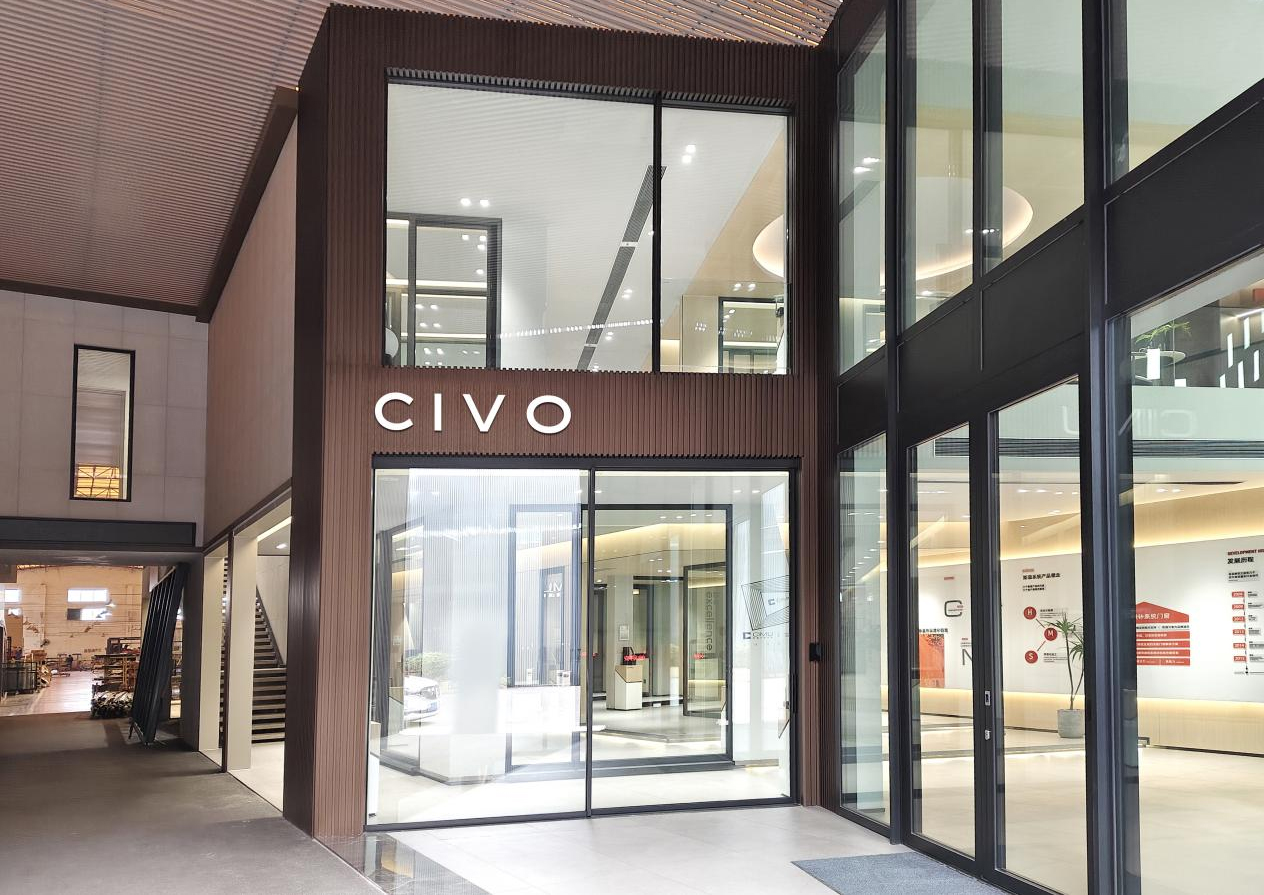
CIVO is a premier provider of architectural aluminum system solutions, integrating research and development, production, sales, and service of high-end system door and window products.
With our core philosophy "MAKE BUILDINGS MORE FLEXIBLE", CIVO is deeply committed to delivering quality-oriented home building materials and providing high-end system doors and windows for global customers who refuse to compromise on design or performance.
According to different regional climates and architectural styles, CIVO develops high-quality, safe, and energy-efficient aluminum windows and doors to meet the rigorous requirements of residential, commercial, and engineering projects worldwide.
Contact Us
Established Year
Plant Area
Standard Profile Reserve
Exclusive Stores
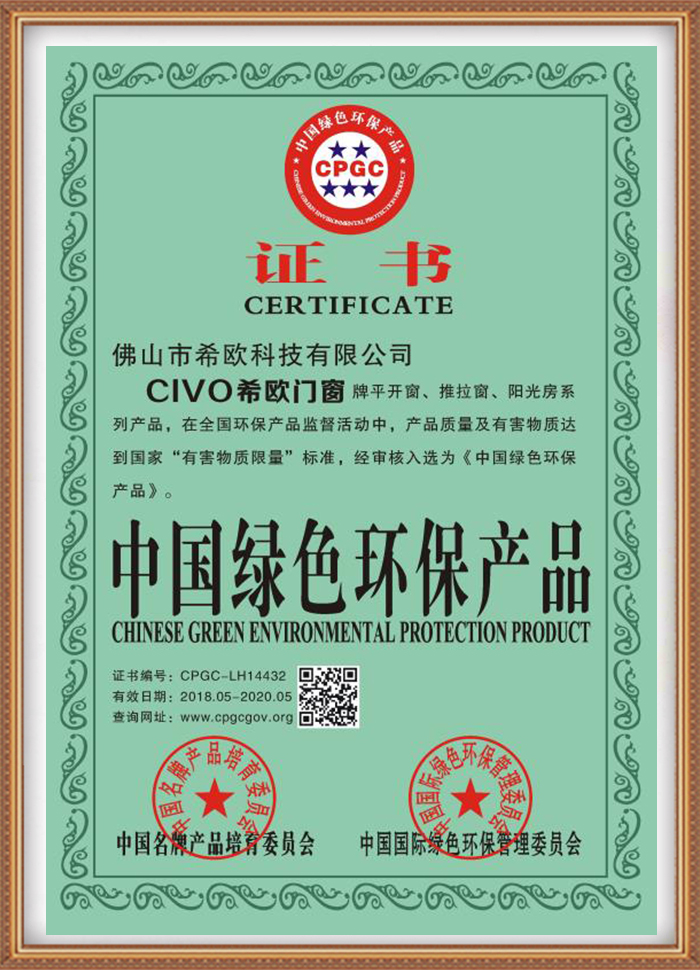
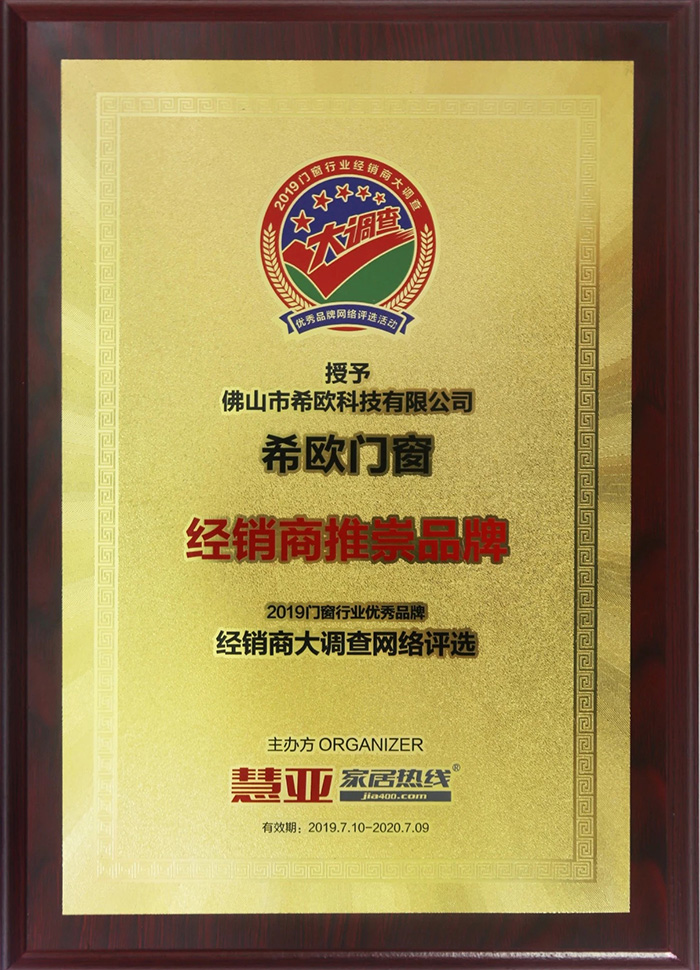
Verified Quality Standards for Global Markets
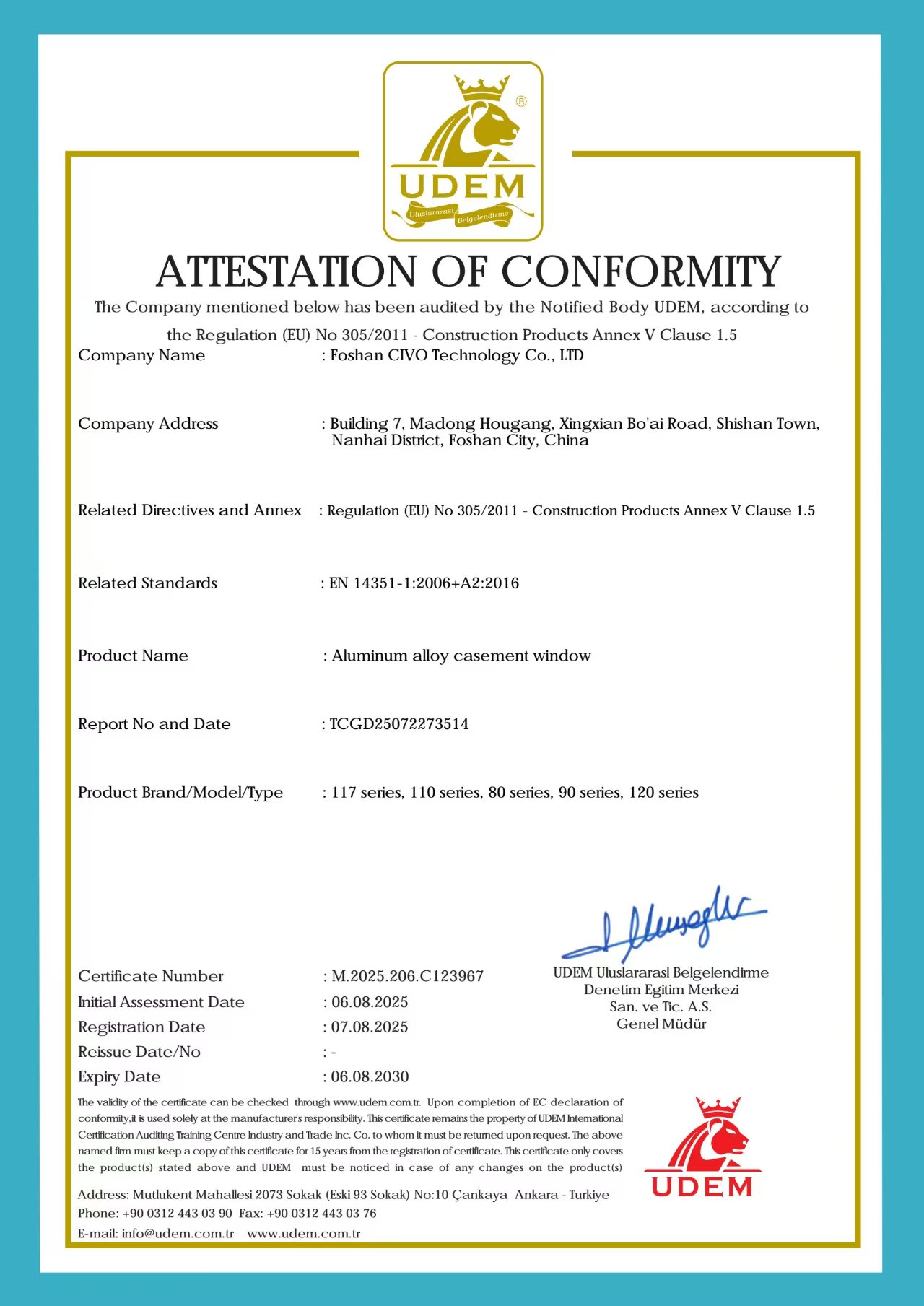
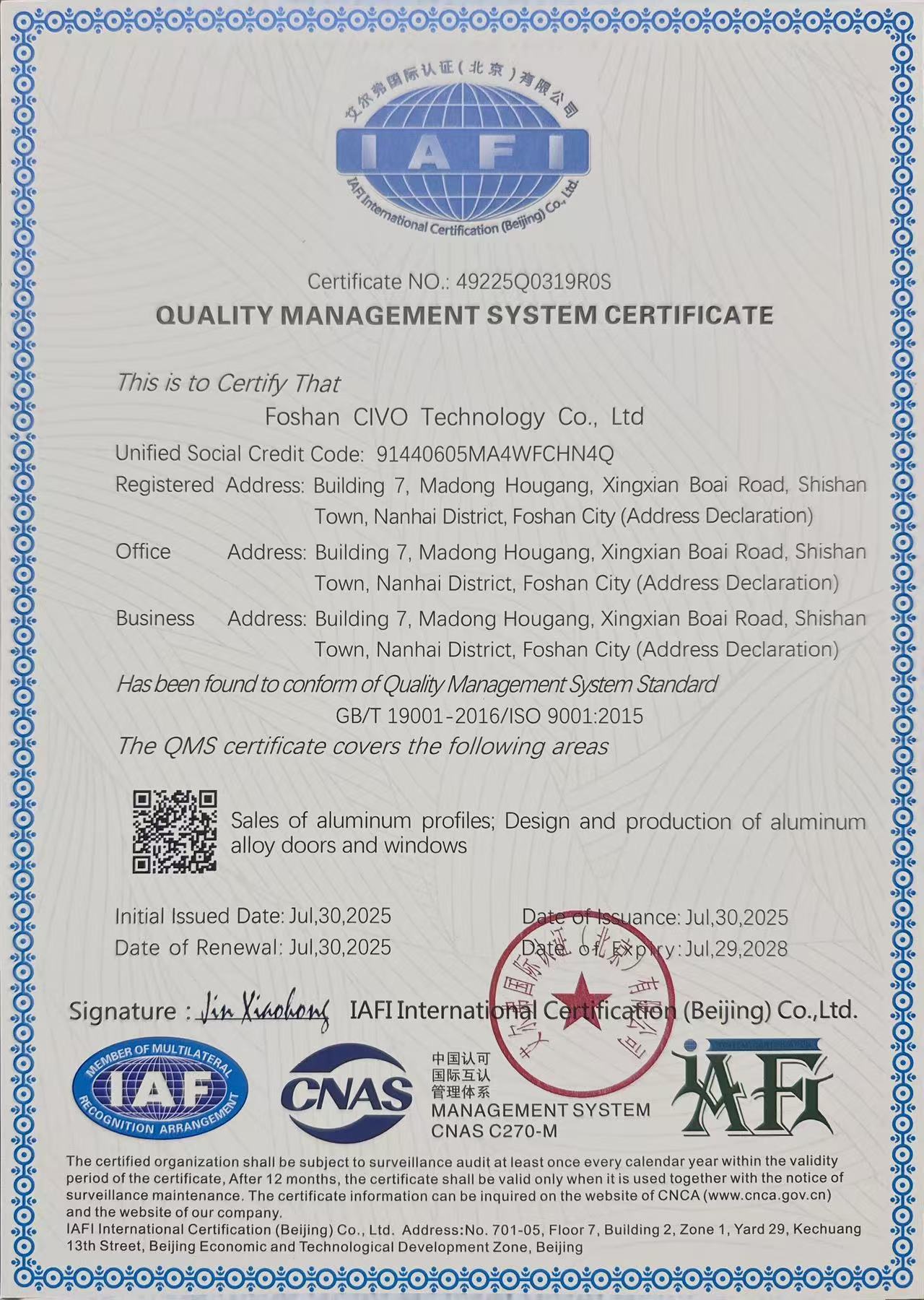
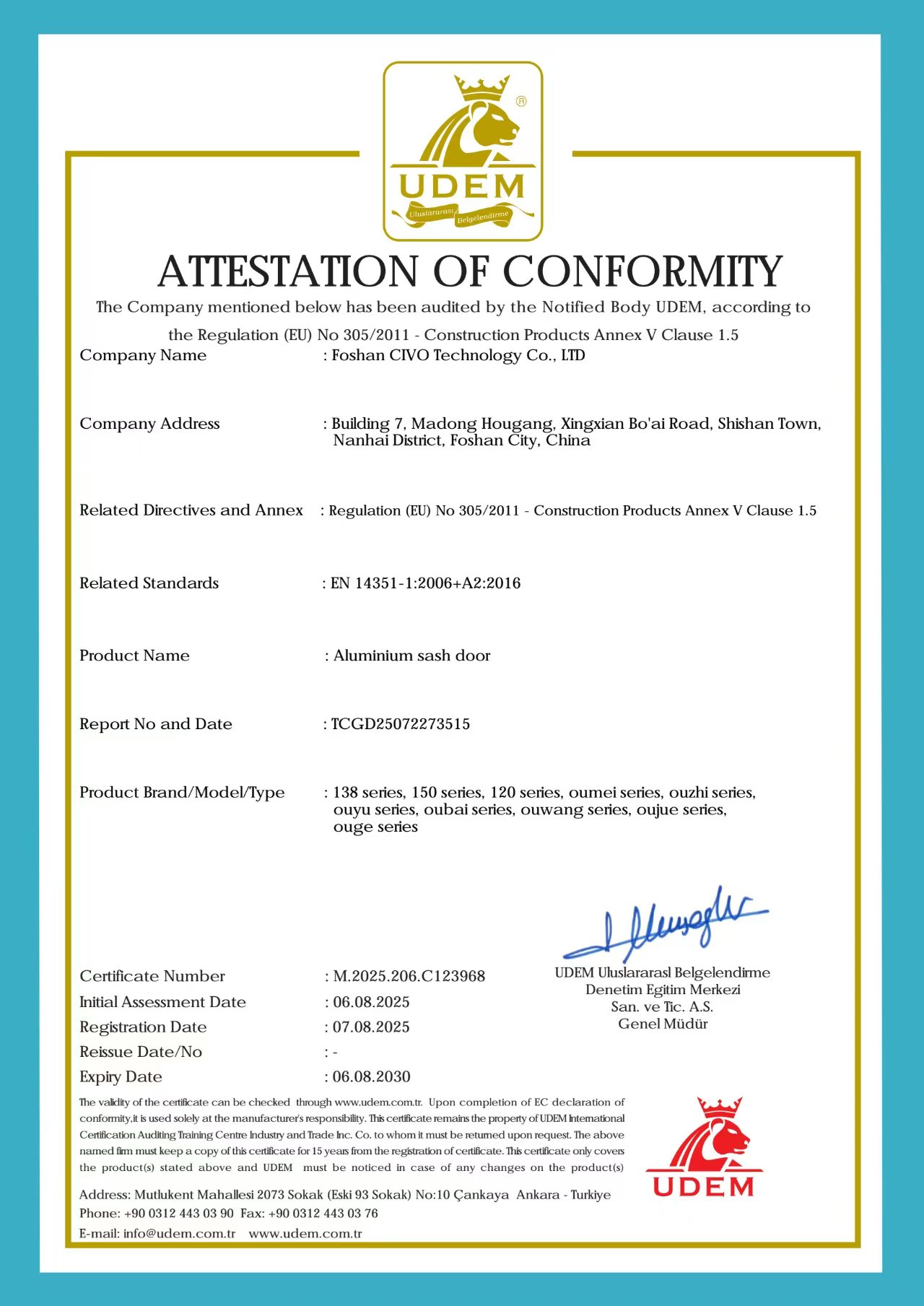
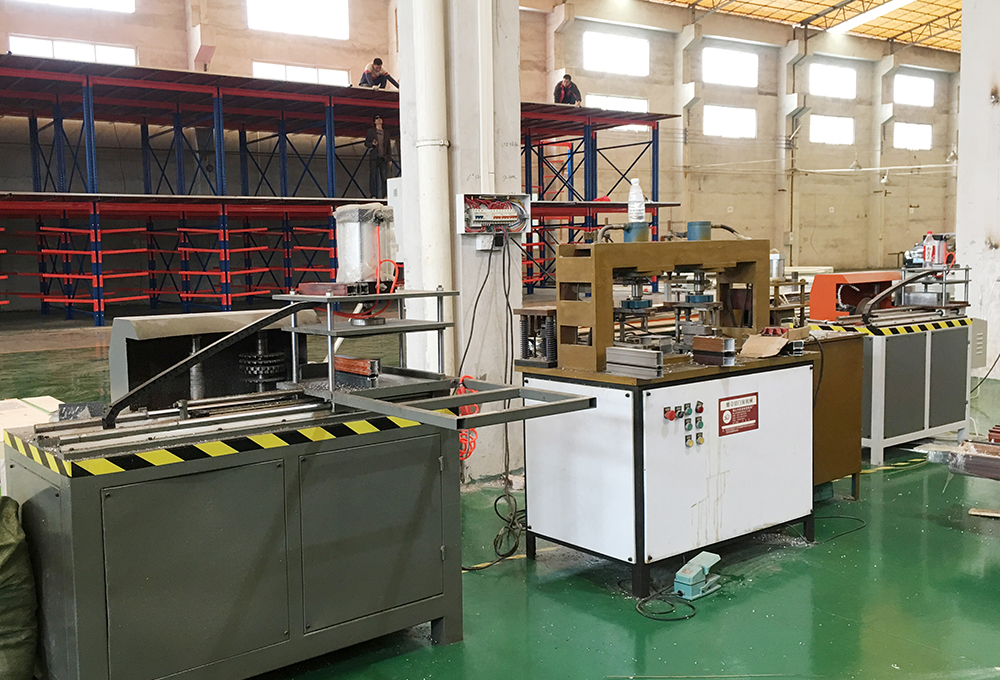
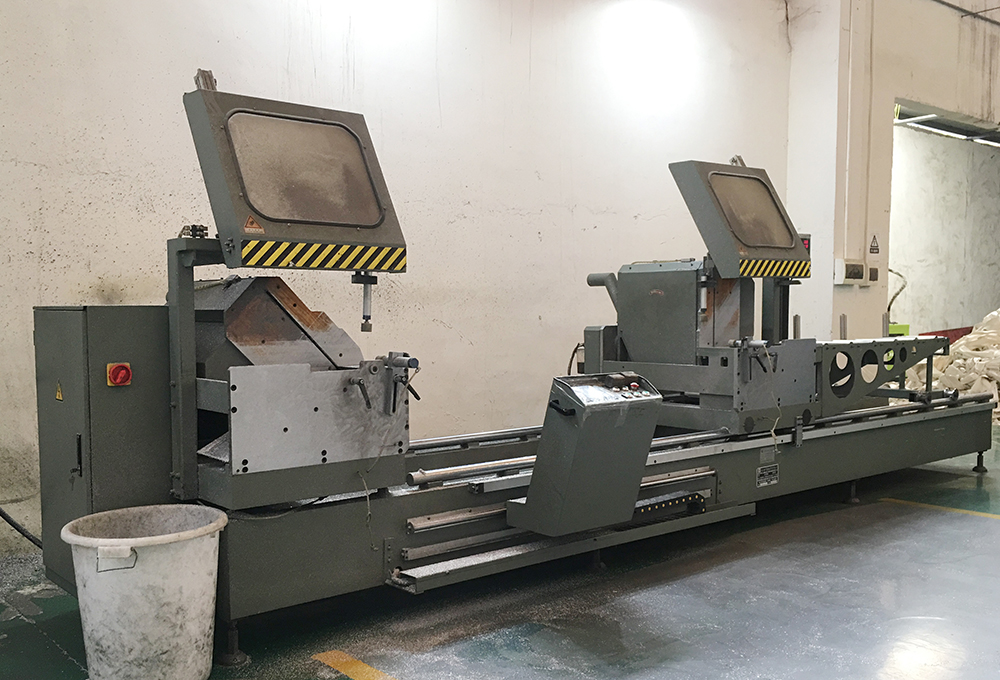
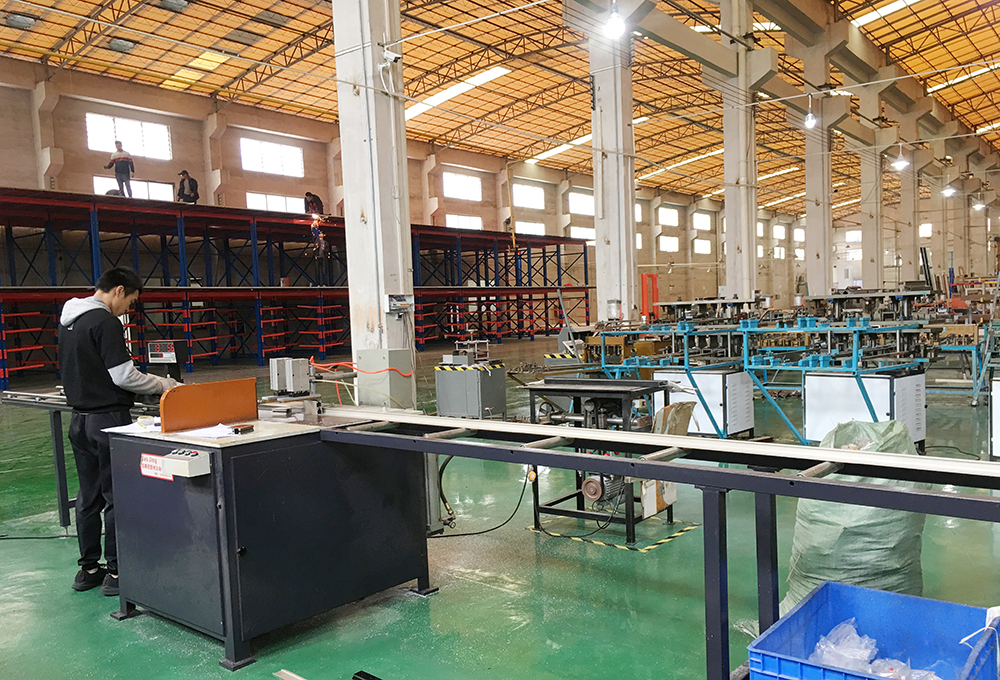
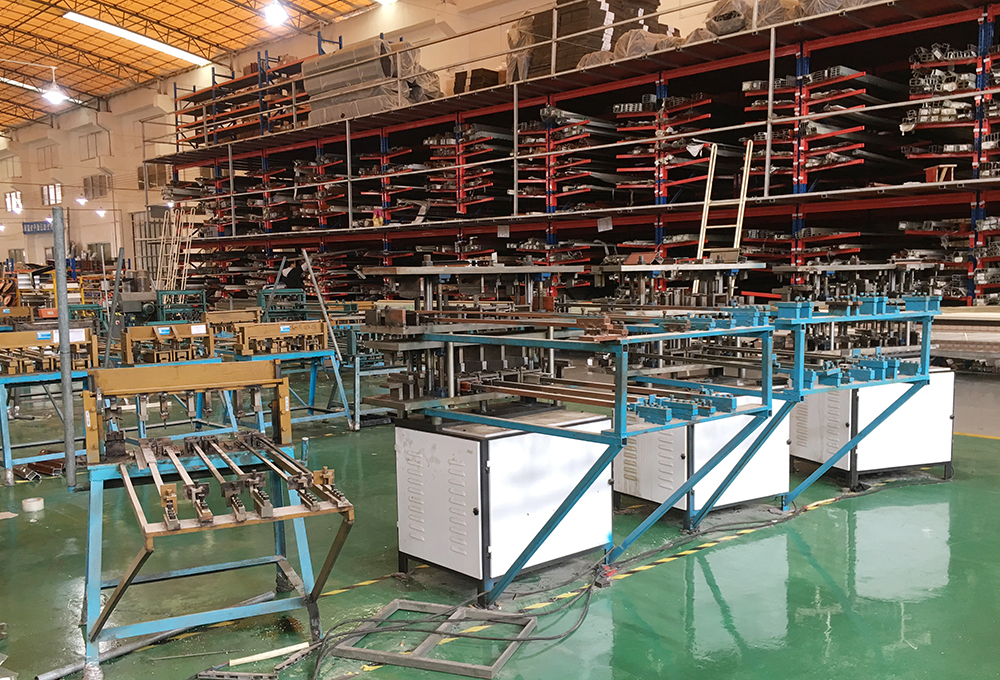
State-of-the-Art Manufacturing Facility in Foshan
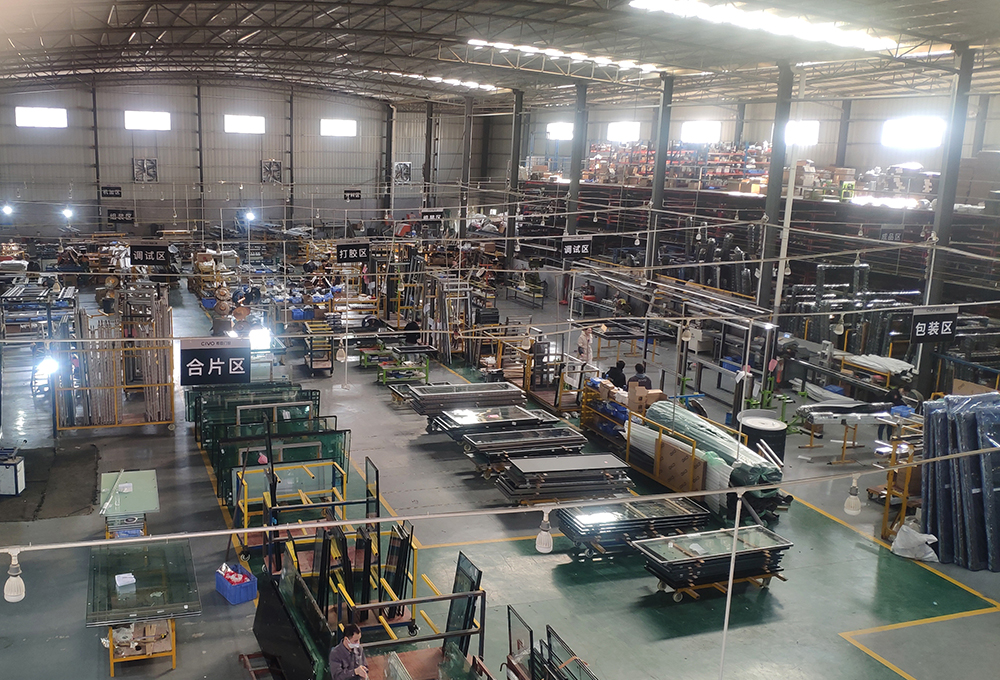
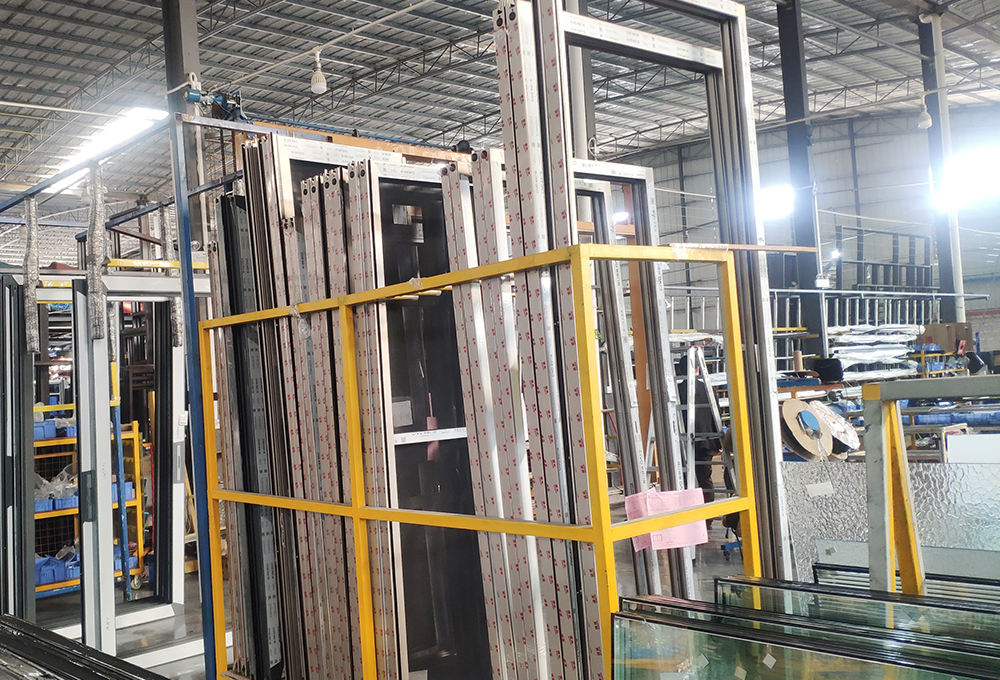
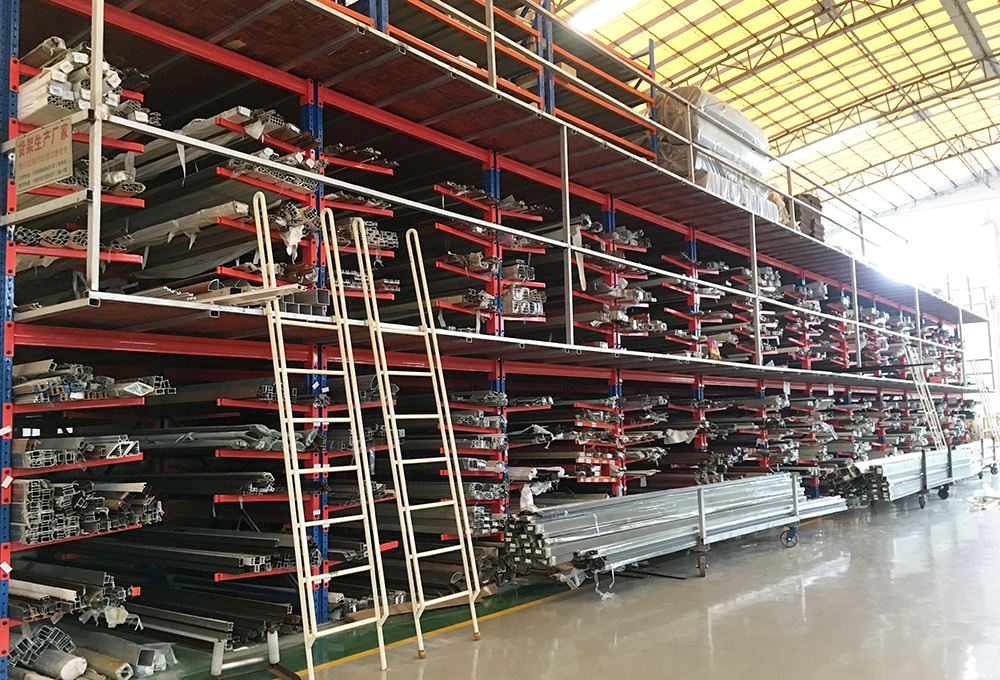
Advanced German and Italian Machinery for Flawless Extrusion & Cutting
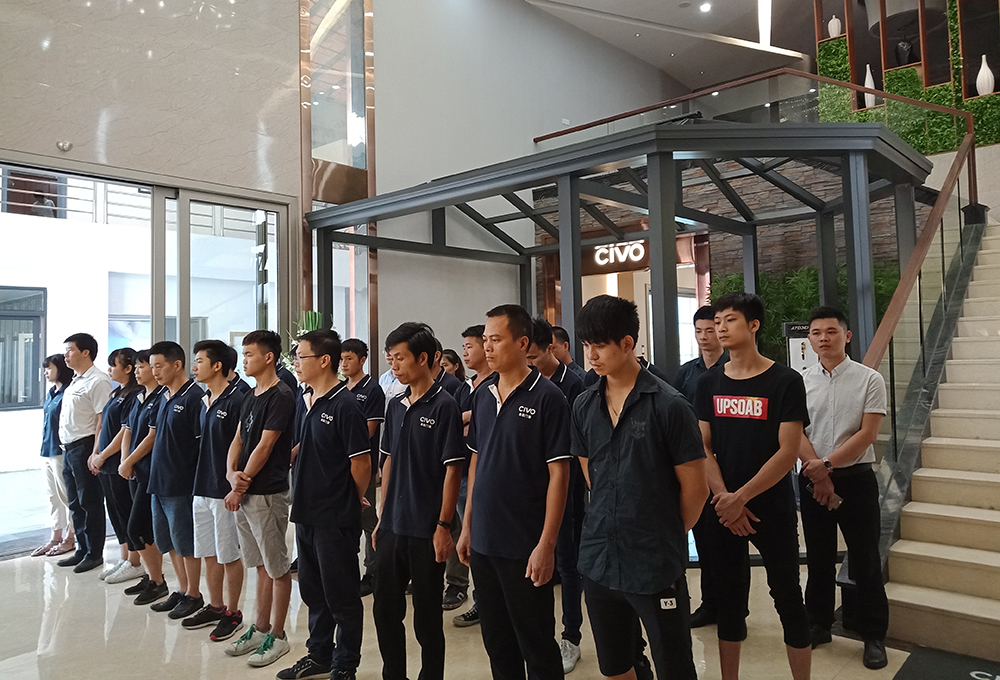
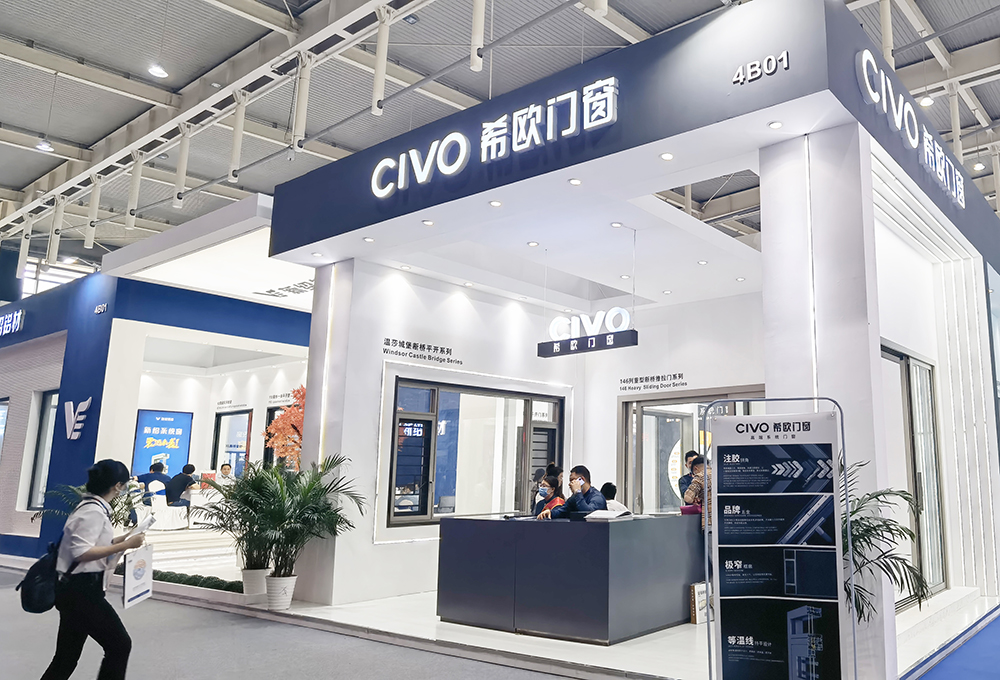
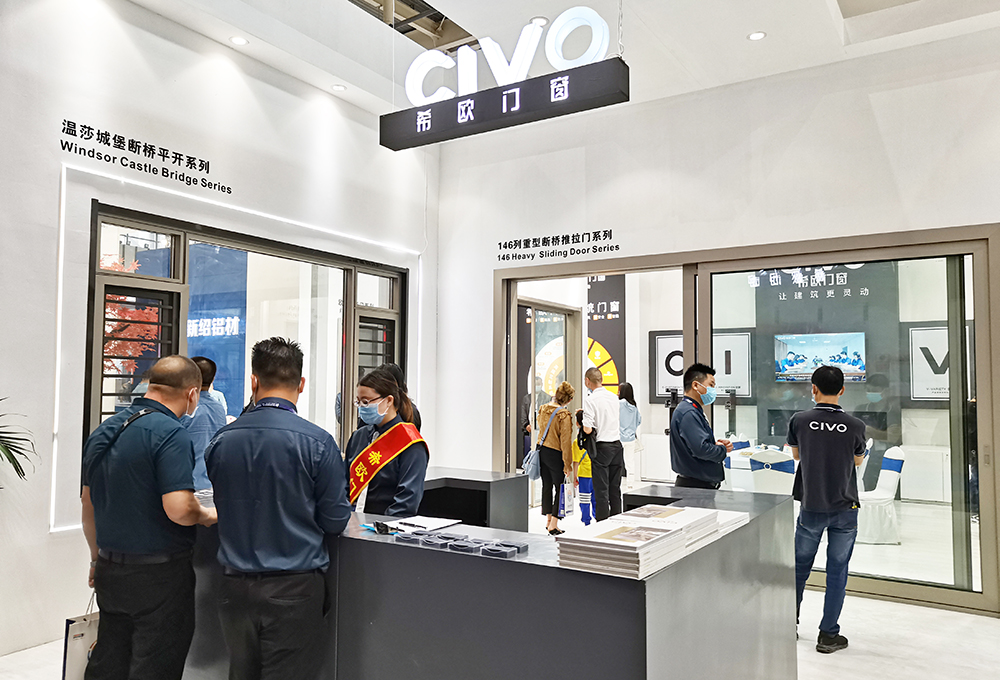
Connecting with Architects and Developers Worldwide
Where Innovation Meets Thermal Efficiency

Explore Our Full Range of Certified Energy-Saving Solutions