Windows Doors Manufacturer

Leave Your Message
Need Project Quote?
Chat With Us Now
Chat With Us Now
Windows Doors Manufacturer
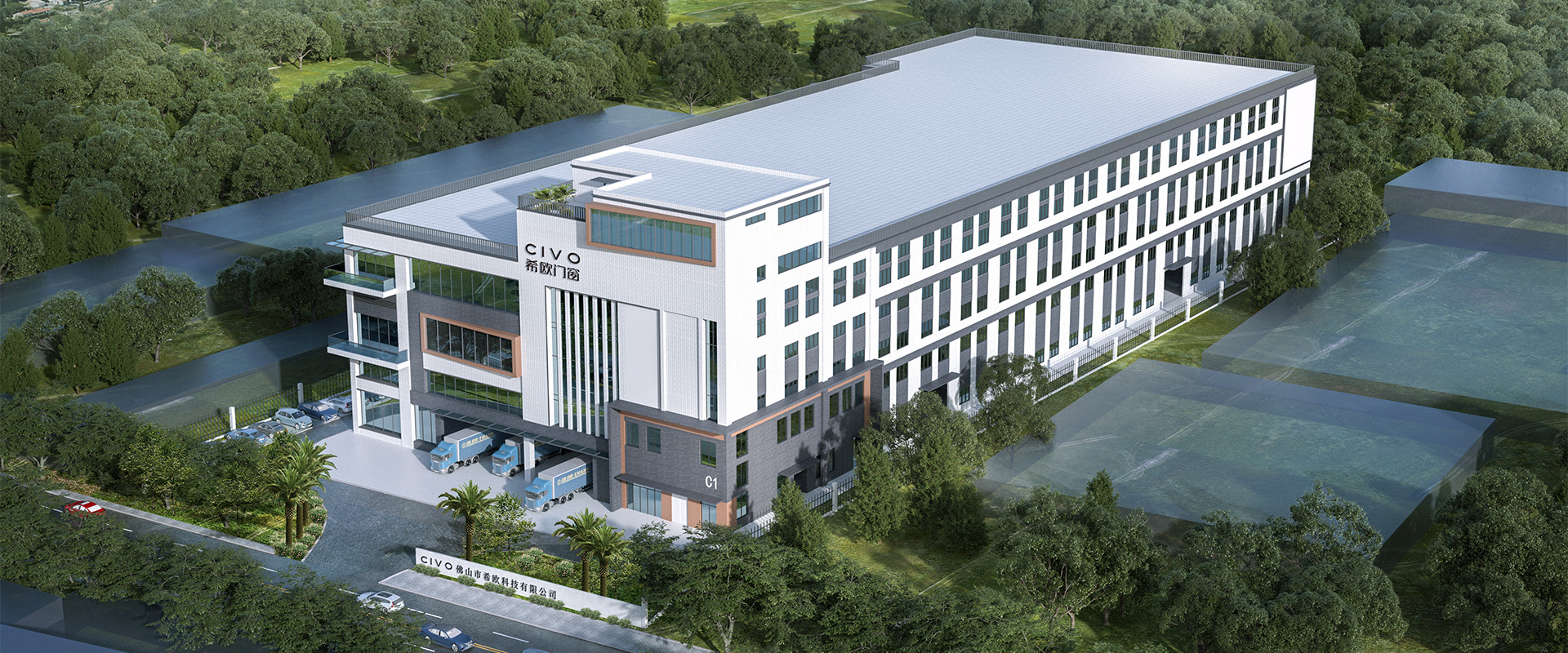
Precision-engineered architectural fenestration marrying High-Velocity Hurricane Zone (HVHZ) projectile endurance with panoramic seamless patio connectivity.
Engineered explicitly for extreme coastal wind-load displacement, thermal containment, and indoor-outdoor patio transitions.
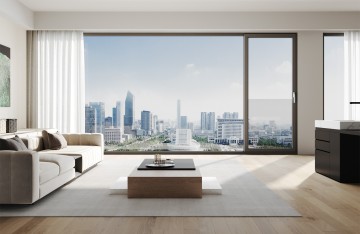
Side-press compression seal engineering designed to eliminate driving rain ingress under severe patio gale forces.
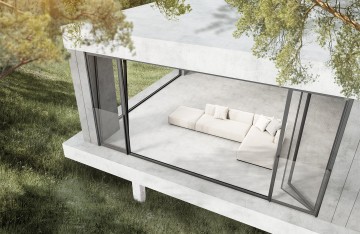
Multi-point circumferential perimeter deadbolts delivering fortified cyclone barrier defense for luxury patio verandas.
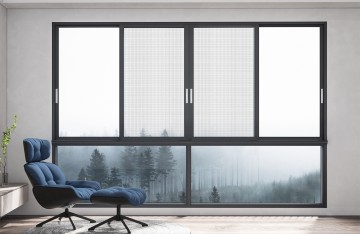
Reinforced structural mullions with ultra-smooth heavy-gauge tandem rollers supporting massive storm-rated glass spans.
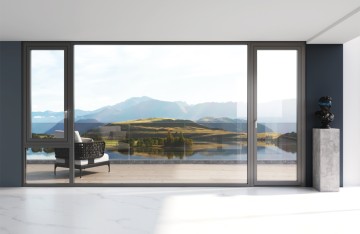
Engineered multi-cavity thermal break barrier isolating tropical solar radiation and blocking hurricane pressure differentials.
In contemporary architectural design, the boundary between interior living spaces and open outdoor patios has dissolved into uninterrupted, light-filled spatial transitions. However, for coastal geographic zones—ranging from the hurricane corridors of Florida, the Caribbean Basin, and the Gulf Coast to typhoon-prone maritime regions across the Pacific Rim—this pursuit of transparency introduces severe architectural vulnerabilities. Standard fenestration systems are inherently inadequate when facing Category 4 and Category 5 wind events, where cyclic wind pressures exceed +100/-100 PSF (Pounds per Square Foot) and airborne debris transforms into high-velocity projectiles.
Consequently, specifying an Aluminum Hurricane Window For Patios is no longer merely an aesthetic preference; it represents a mandatory life-safety and asset-protection engineering strategy. Modern patio hurricane fenestration merges high-tensile 6063-T6 architectural aluminum alloy extrusions, multi-chambered polyamide PA66 thermal breaks, and structural laminated impact glass matrices to withstand the dual phenomena of dynamic pressure cycling and kinetic missile impact.
Certified against Large Missile Impact Level D & E, absorbing the direct kinetic energy of a 9-pound 2x4 lumber projectile traveling at 50 feet per second, followed by 9,000 positive and negative pressure cycles without breach.
Utilizing high-density, multi-chambered architectural aluminum alloys exhibiting ultimate tensile strengths exceeding 205 MPa, eliminating frame deflection and sill blowout during extreme coastal squalls.
Advanced PA66GF25 thermal breaks mitigate external thermal conductance, matching low U-values with low Solar Heat Gain Coefficients (SHGC) to drastically curb HVAC cooling loads in tropical zones.
Commercial properties—such as luxury beachfront resorts, multi-tiered oceanfront condominium complexes, and high-end al-fresco restaurant verandas—face escalating pressure from institutional insurers and municipal building codes (such as Florida Building Code FBC TAS 201, 202, and 203). Coastal properties without tested impact-resistant envelope glazing face astronomical insurance deductibles or total denial of underwriting.
In parallel, commercial operators refuse to compromise on guest experience. The outdated approach of installing bulky storm shutters or corrugated steel accordion panels obscures natural ocean panoramas and demands labor-intensive manual deployment prior to incoming storms. Aluminum hurricane windows for patios solve this operational dilemma permanently. By integrating passive, continuous impact defense directly into the architectural envelope, hospitality and multi-family developers achieve 24/7 disaster readiness, sound transmission mitigation (STC ratings reaching 38 to 44 dB), and elevated market asset appraisals.
The performance matrix of a patio impact window relies upon the symbiotic engineering between structural metal framing and elastomeric glass composite assemblies:
1. Structural Aluminum Framing: Aluminum is uniquely suited for patio storm barriers due to its unmatched strength-to-weight ratio, non-combustibility, and corrosion resistance when treated with fluoropolymer architectural coatings (AAMA 2605 compliant PVDF) or coastal-grade anodization (AAMA 611 Class I). Under dynamic wind loads, wide-span patio window profiles must maintain structural deflection thresholds tighter than L/175 or L/240. Multi-cavity structural profiles prevent torque failure along the perimeter fastenings, ensuring water tightness under ASTM E331 test conditions at pressures up to 15 PSF.
2. Interlayer Mechanics (PVB vs. SentryGlas® SGP): The glass panel of a patio hurricane window is a multi-layered composite. While standard laminated glass relies on Polyvinyl Butyral (PVB), high-load patio installations utilize SentryGlas® ionoplast interlayers. SGP interlayers are 100 times stiffer and offer five times the tear strength of conventional PVB. If the sacrificial exterior heat-strengthened glass fracture occurs under the blunt impact of flying debris, the ionoplast interlayer remains upright and rigid, maintaining the airtight building envelope and preventing sudden internal pressurization—the primary catalyst for catastrophic residential roof collapse during hurricanes.
CIVO is a premier provider of architectural aluminum system solutions, integrating research and development, production, sales, and service of system door and window products. With the slogan “MAKE BUILDINGS MORE FLEXIBLE,” the CIVO brand is committed to delivering quality-oriented home building materials and enabling countless households to experience the unique charm of high-end system doors and windows.
According to the geographical climate and local architectural styles of different regions, CIVO has developed a series of high-quality, safe, and energy-efficient products designed to meet the needs of high-end consumer groups. Since its establishment, CIVO has taken product safety as its core responsibility, ensuring that every product reflects its commitment to durability, performance, and security.
Learn More About CIVO Profile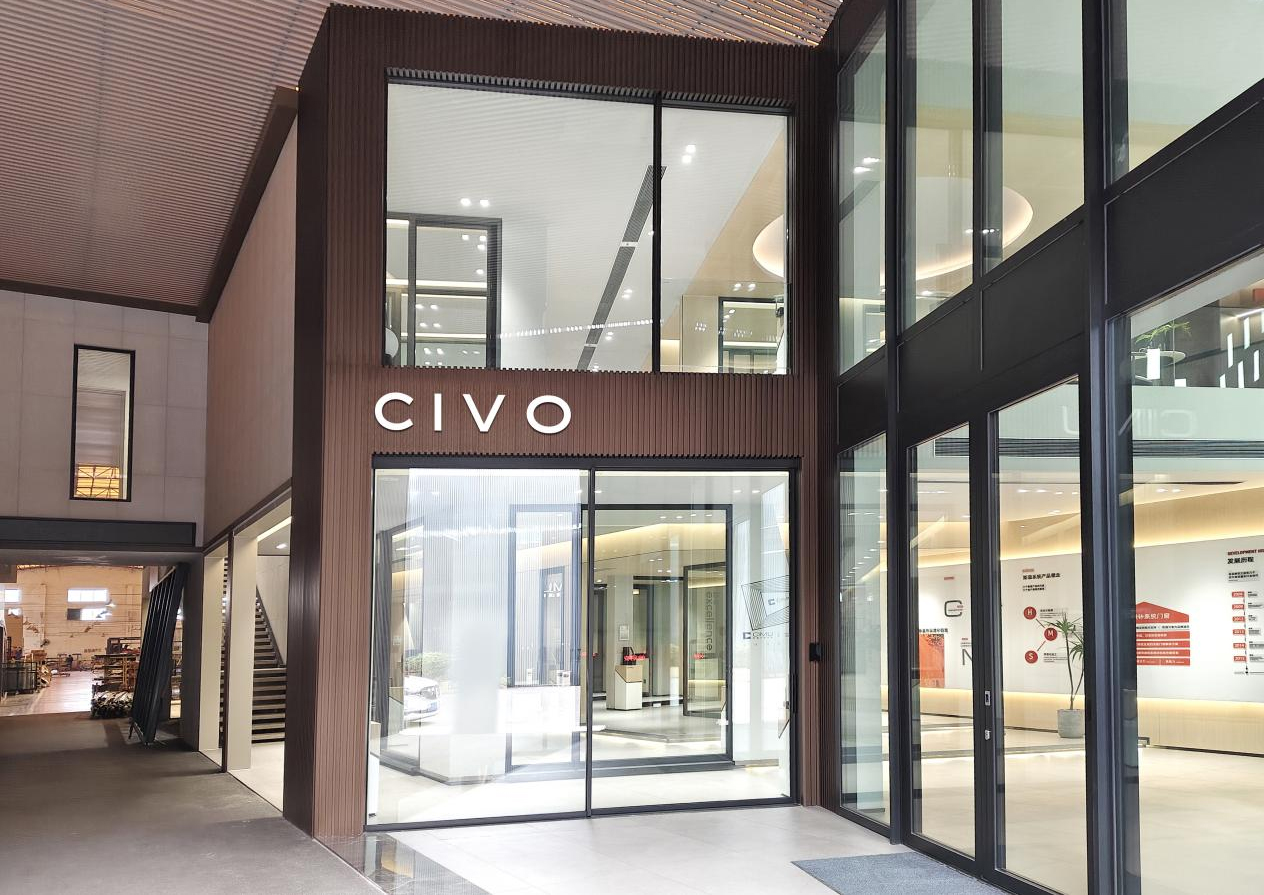
Analyzing structural loading, functional integration, and aesthetic harmony across diverse patio environments.
In high-end subtropical waterfront villas, patios and lanais serve as primary outdoor living environments. Integrating CIVO heavy-duty sliding and side-press hurricane window systems allows seamless enclosure of expansive verandas without sacrificing crystal-clear panoramic ocean vistas.
Rooftop terraces and penthouse patios experience severe aerodynamic amplification due to vortex shedding and altitude-induced positive/negative pressures. Standard patio windows flex excessively, resulting in water penetration and terrifying whistle noises during tropical storms.
Waterfront restaurants and resort clubs depend on flexible patio enclosures to maximize seating capacity regardless of volatile squalls. When storm warnings issue, the patio converts within seconds into an impenetrable barrier, maintaining structural safety without interrupting business operations.
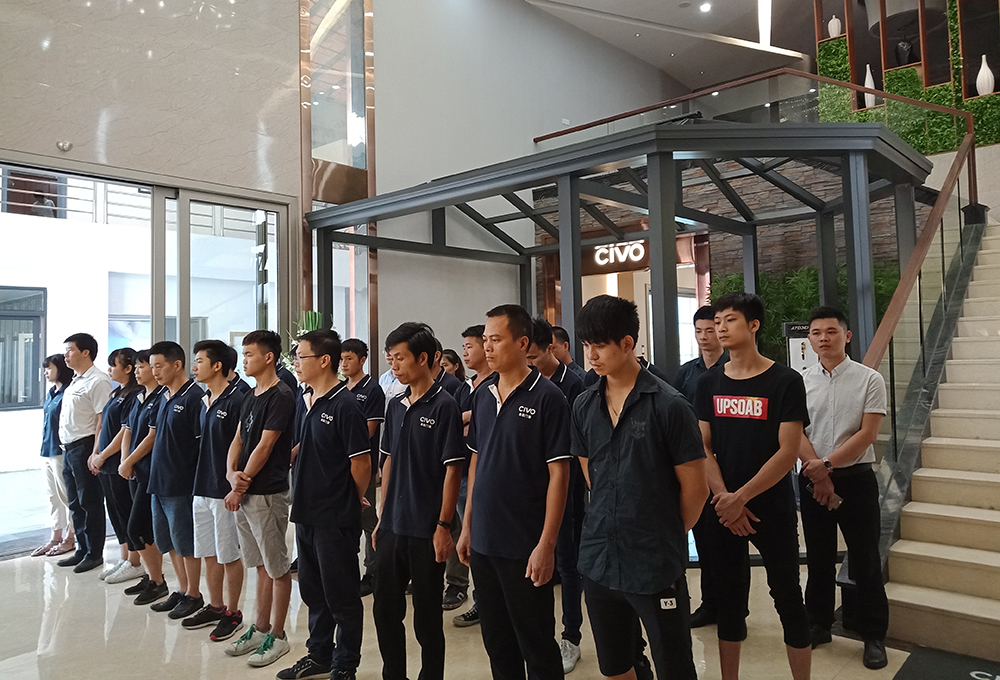
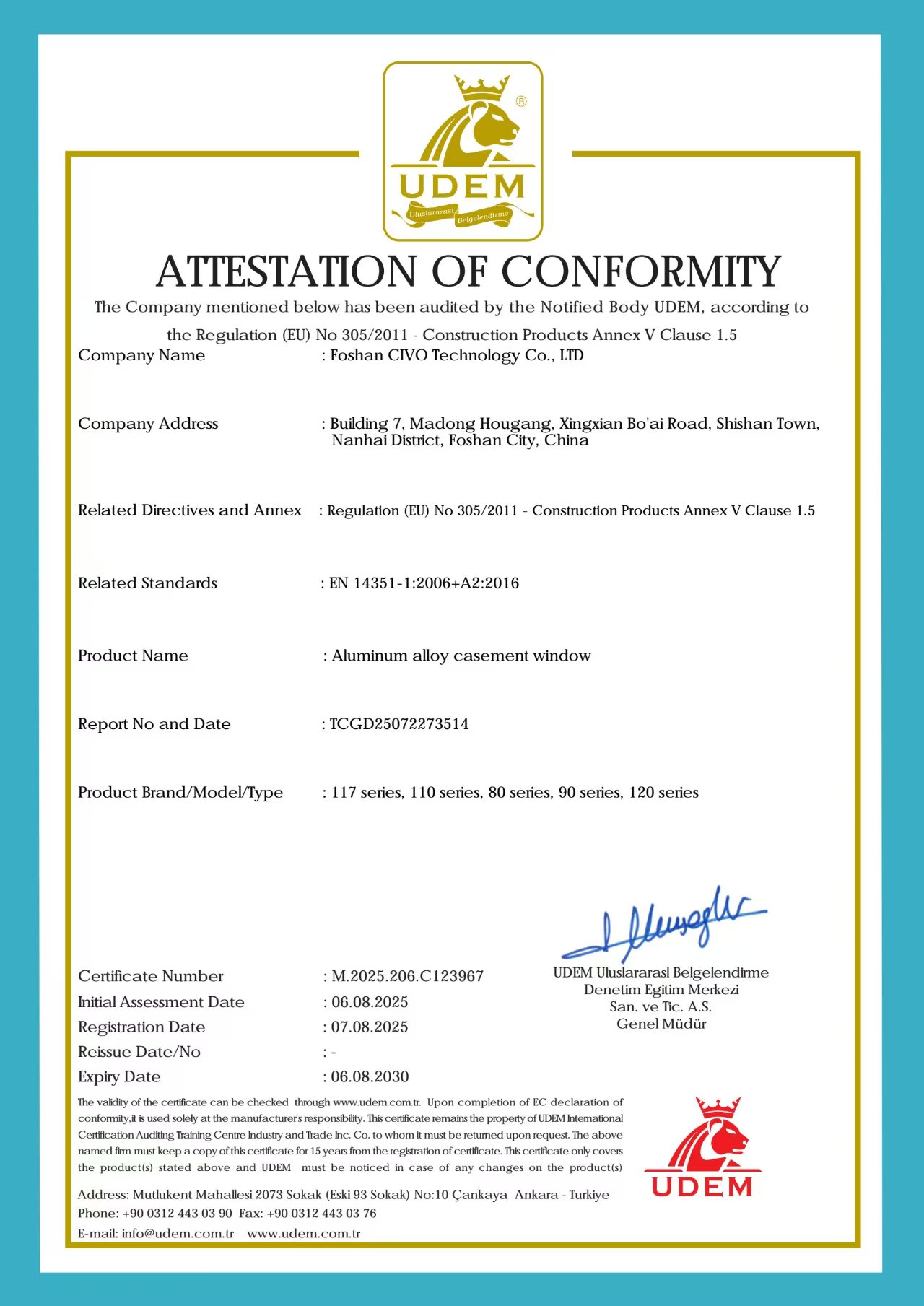
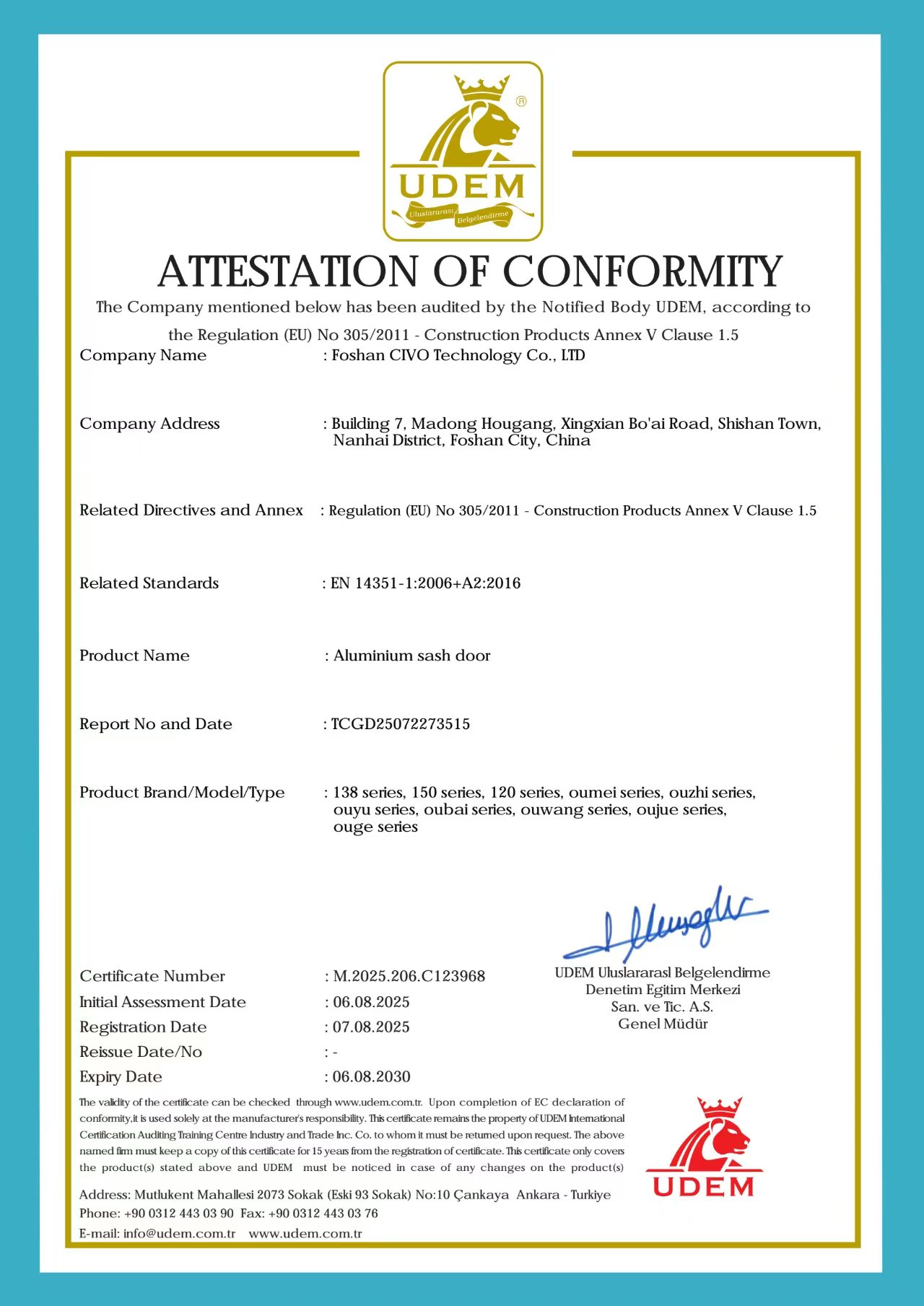
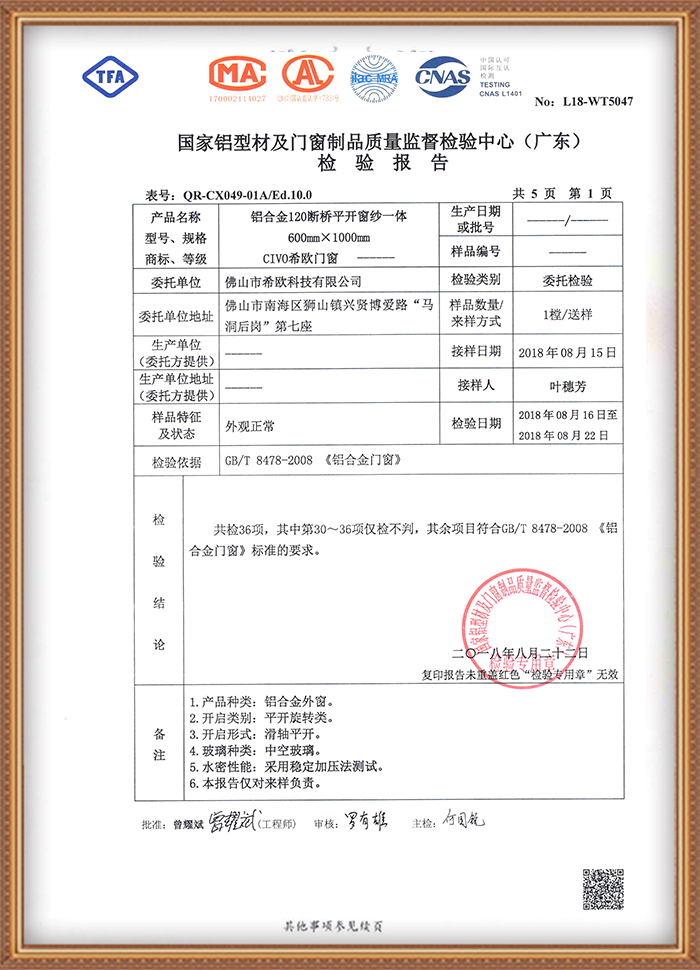
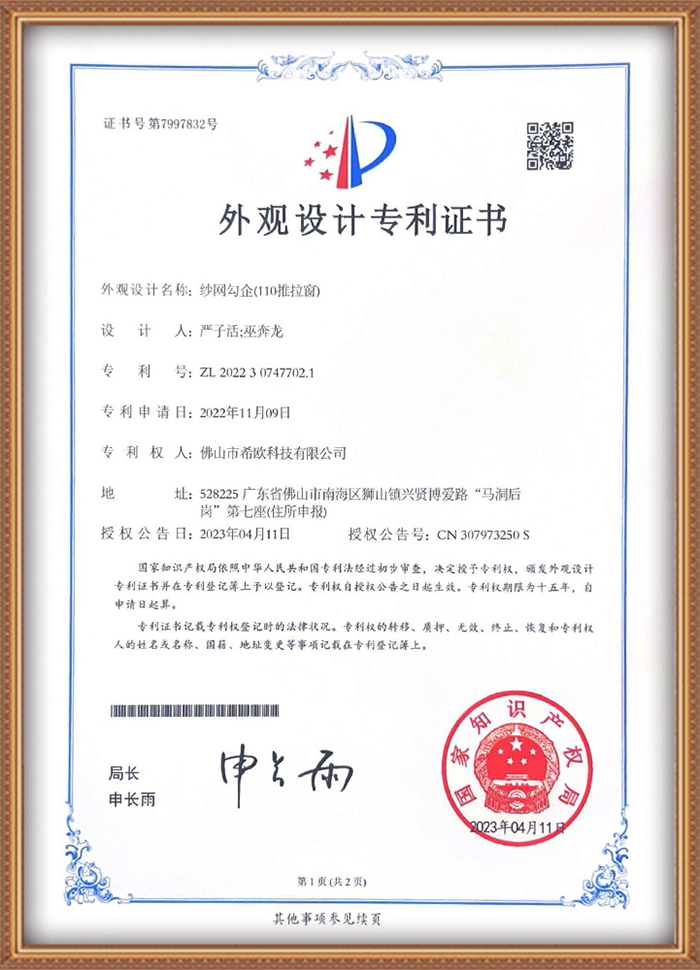
Rigorous structural testing, impact validations, and international architectural quality accreditations.



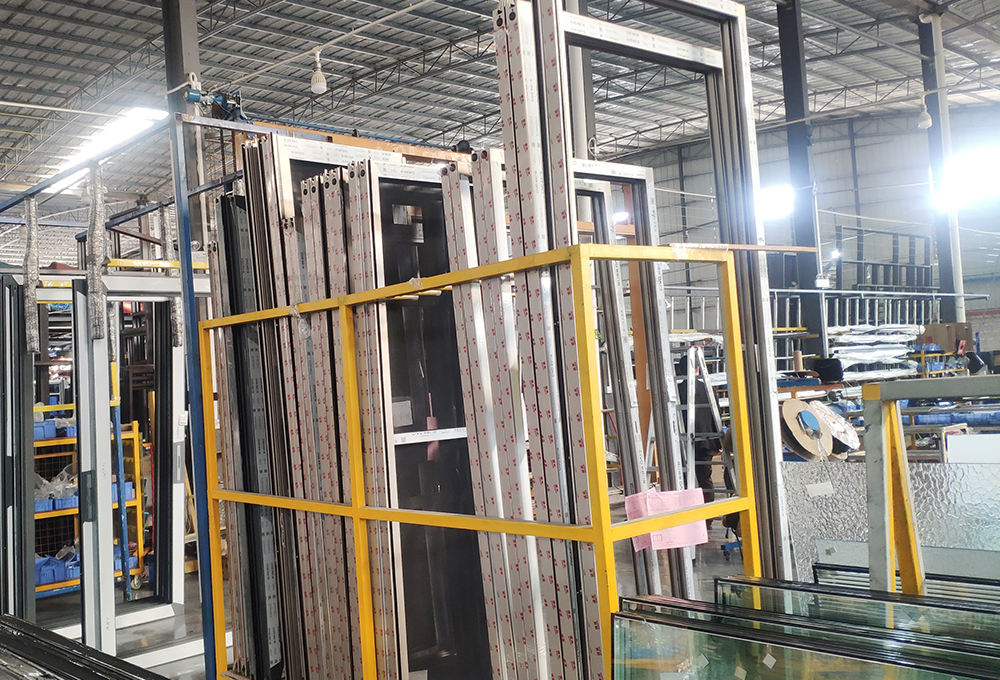
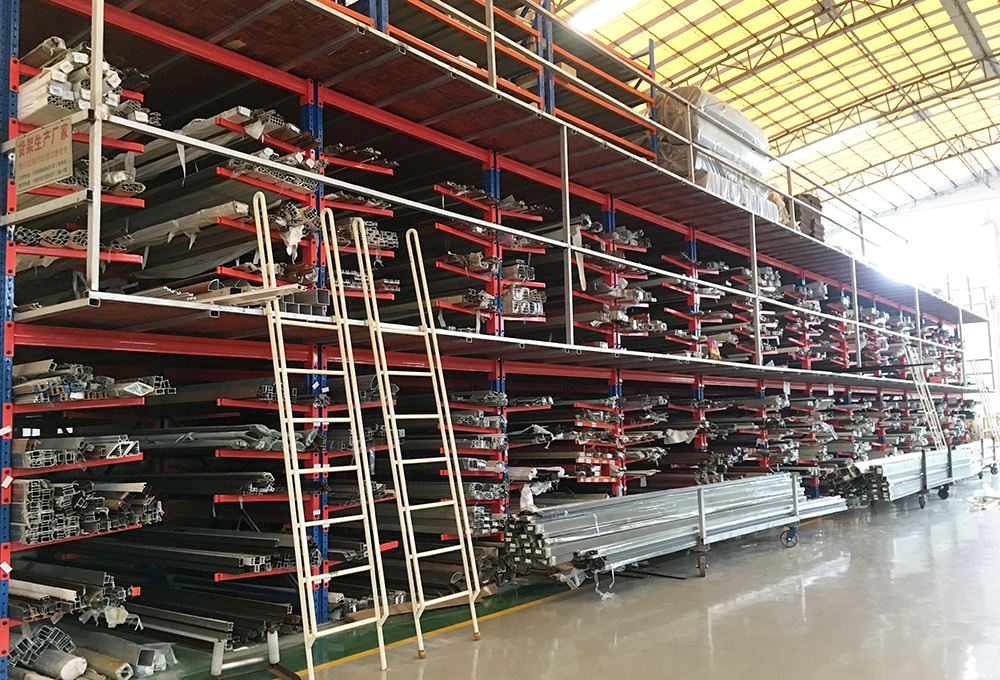
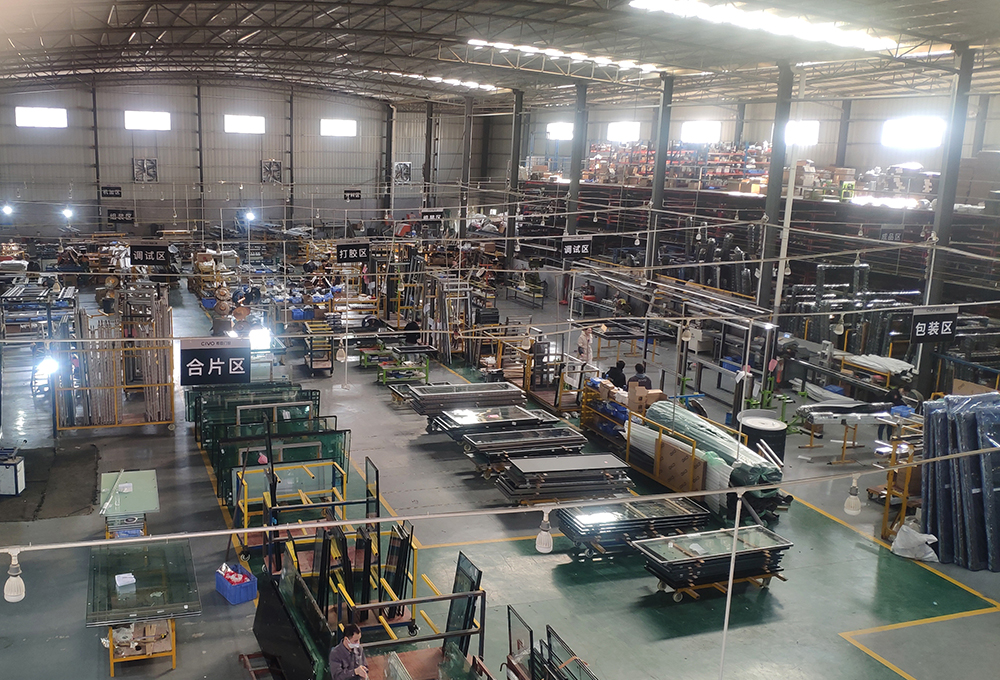
Over 40,000 square meters of intelligent fabrication lines delivering micrometer-precision aluminum assemblies.
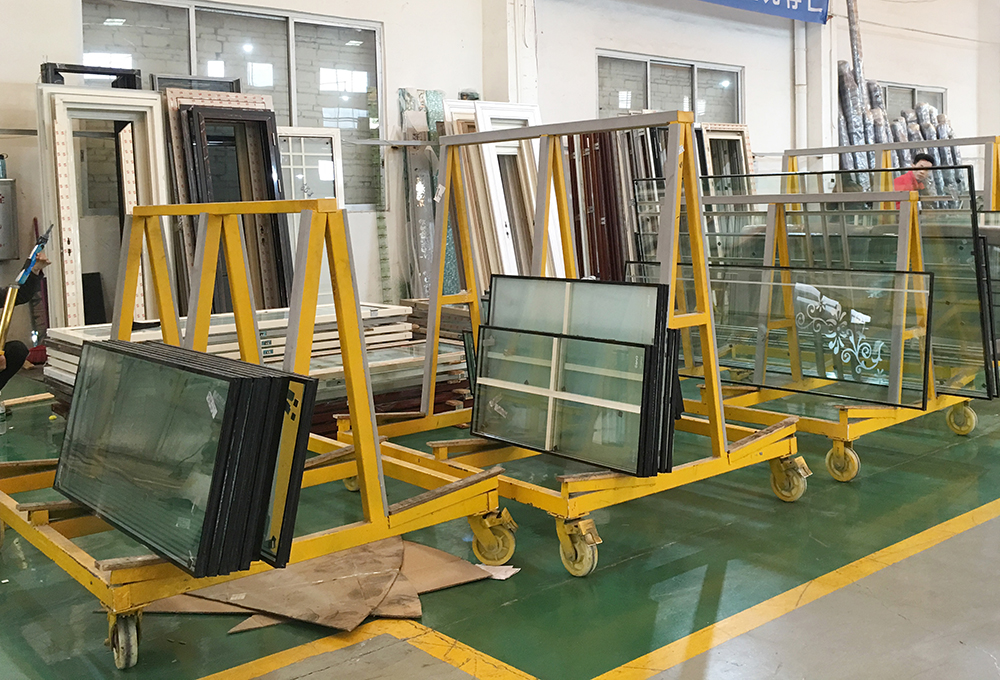
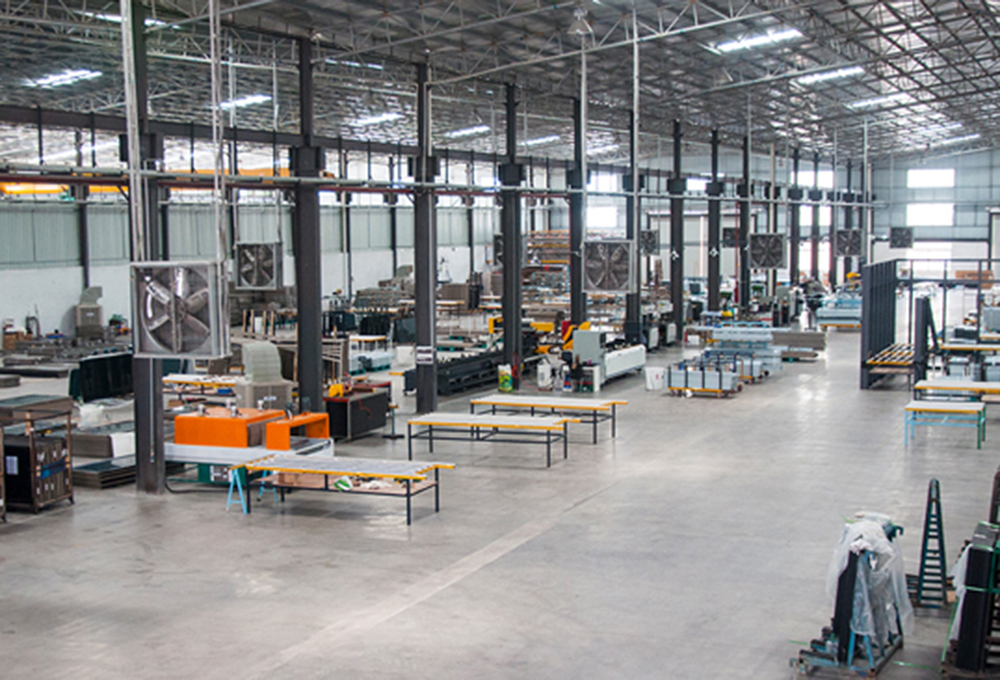
State-of-the-art CNC cutting, hydraulic punch tooling, and automated multi-angle milling technology.
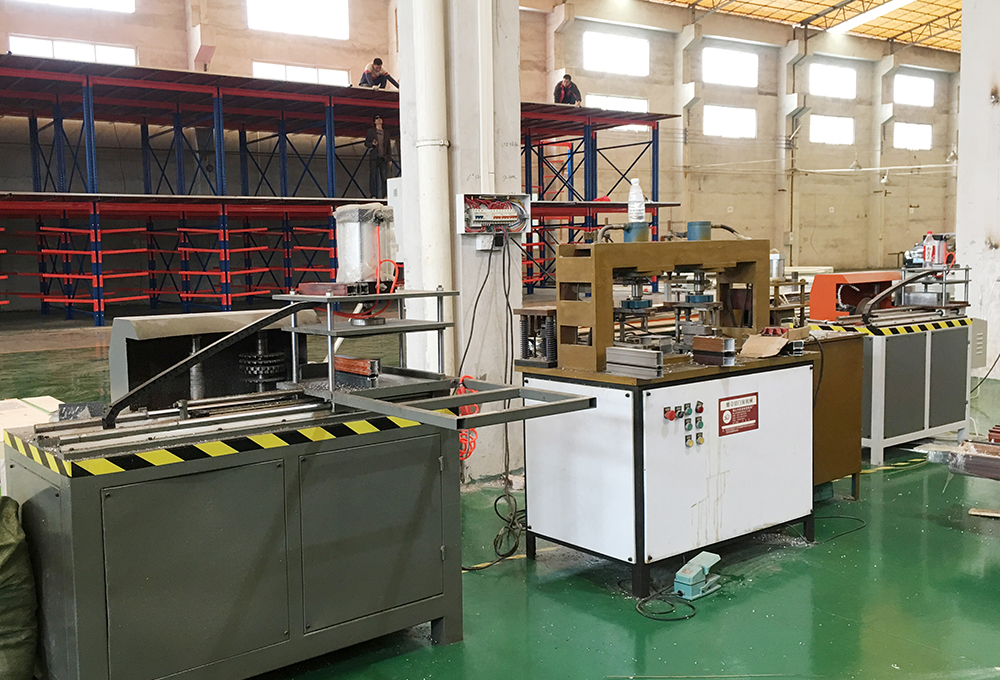
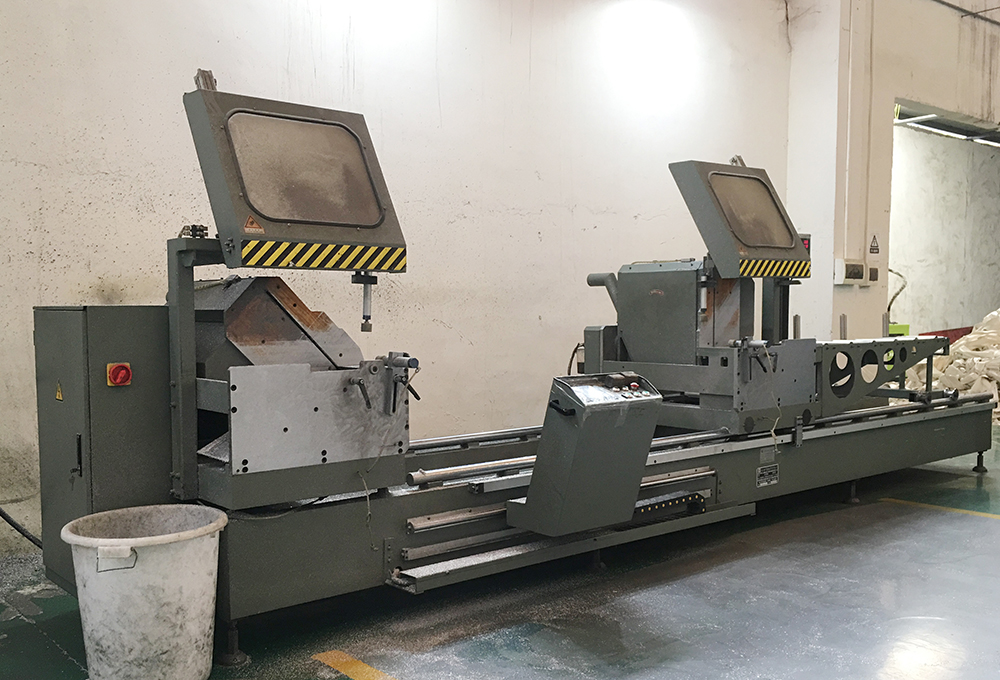
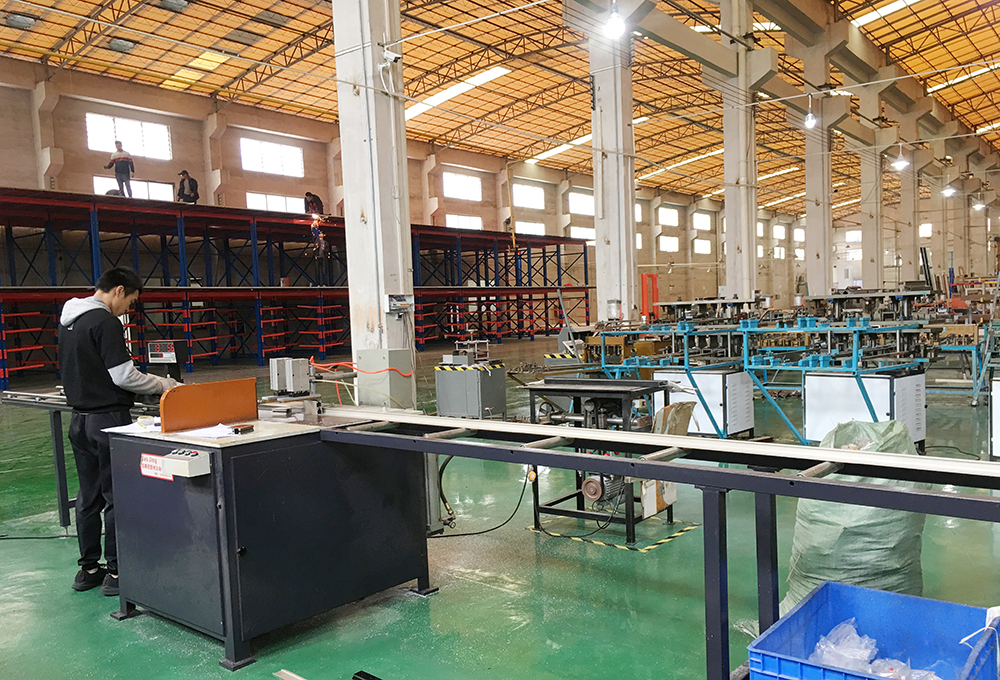
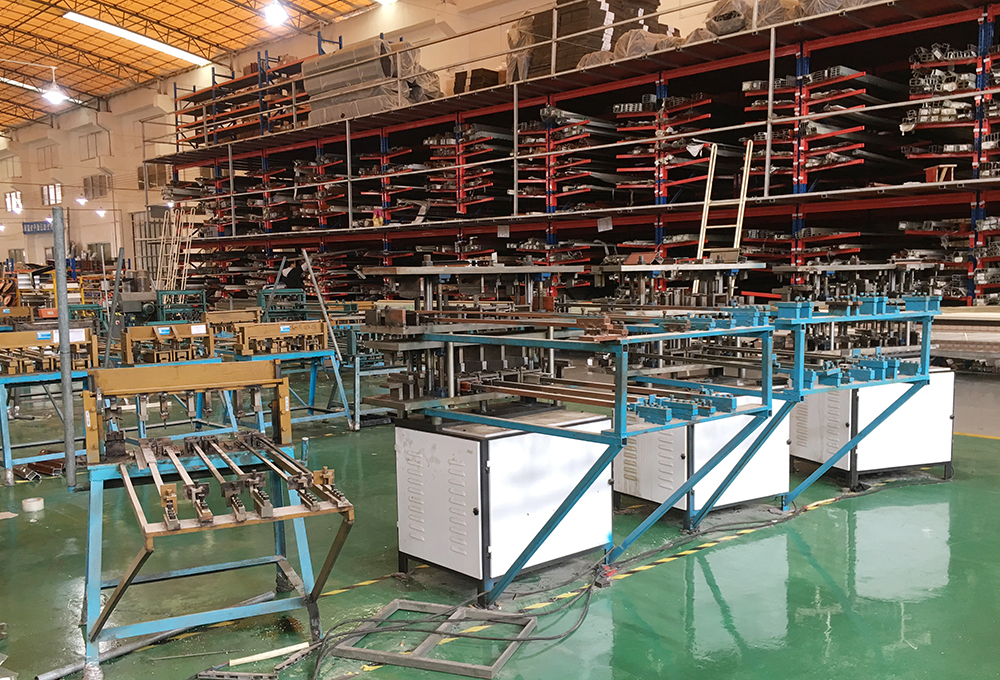
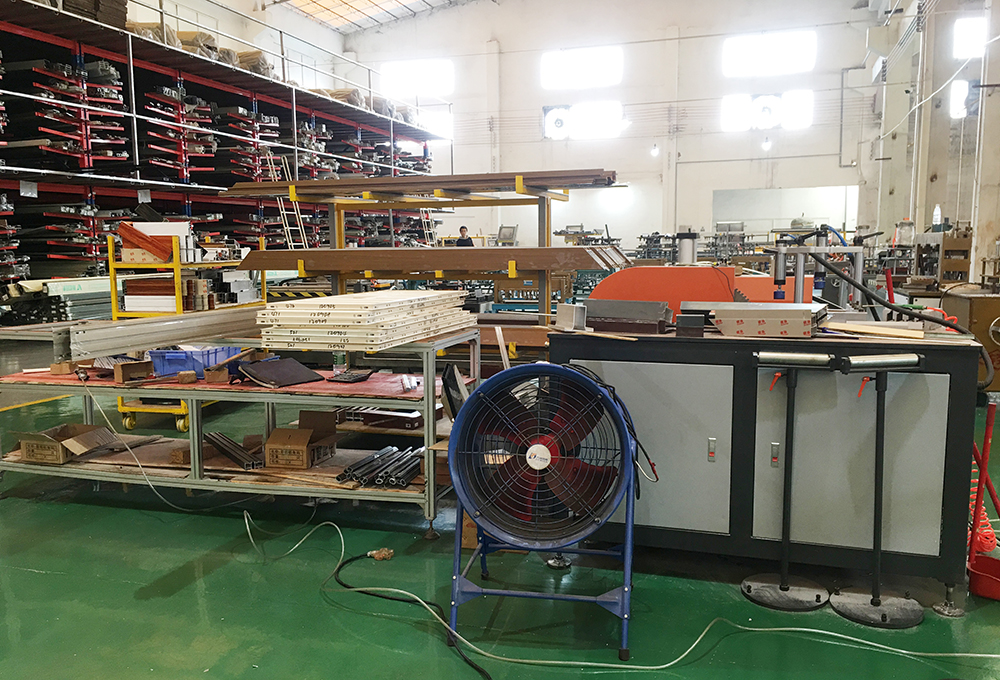
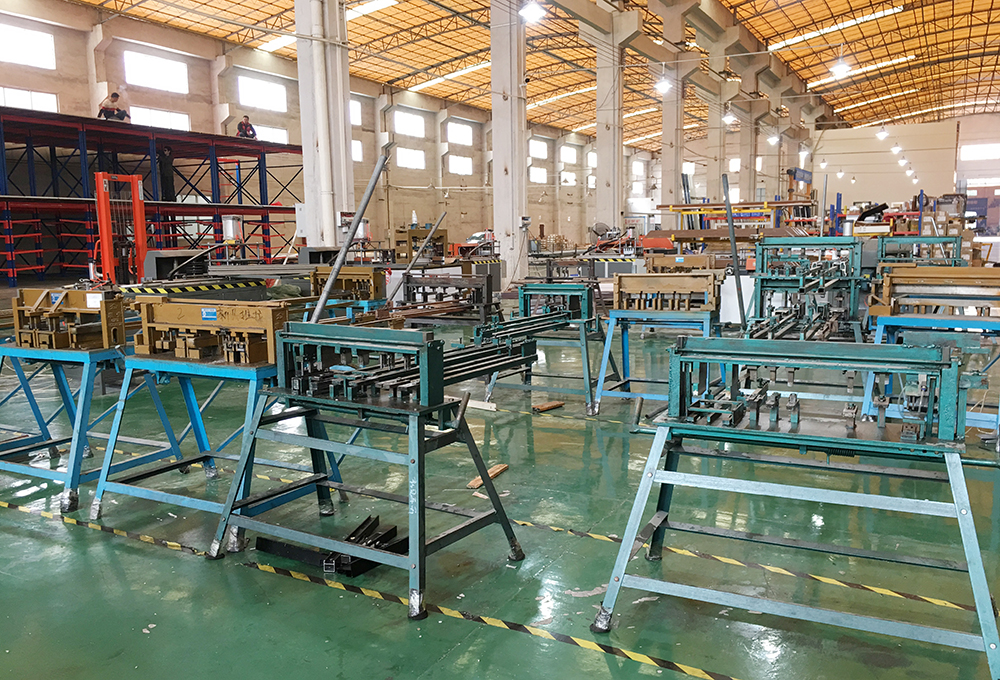
Connecting with architectural partners, facade consultants, and builders at leading international building expos.
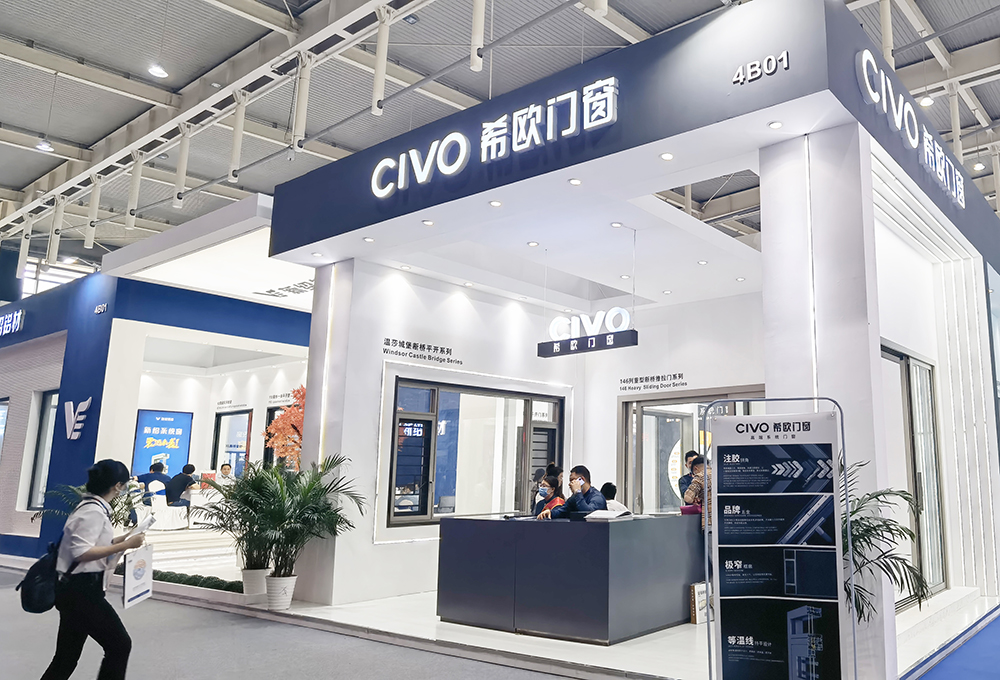
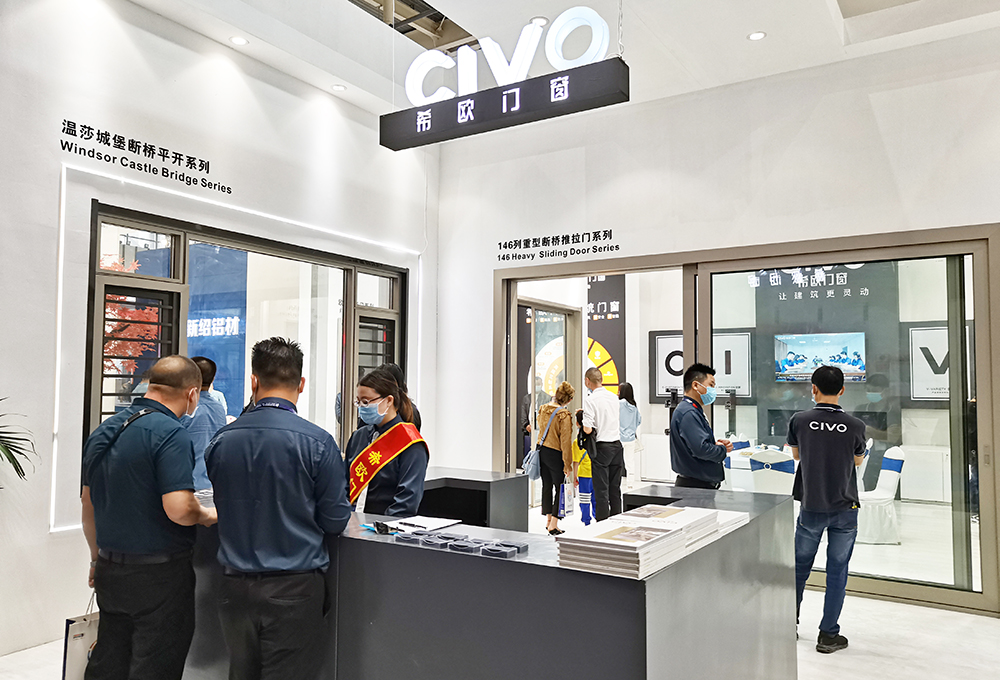
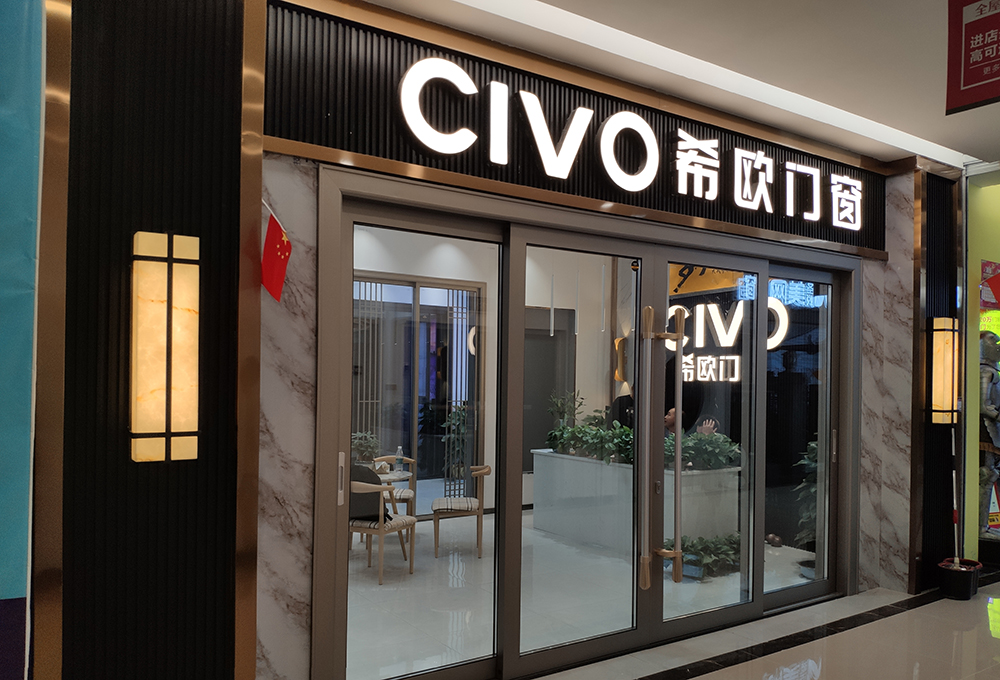
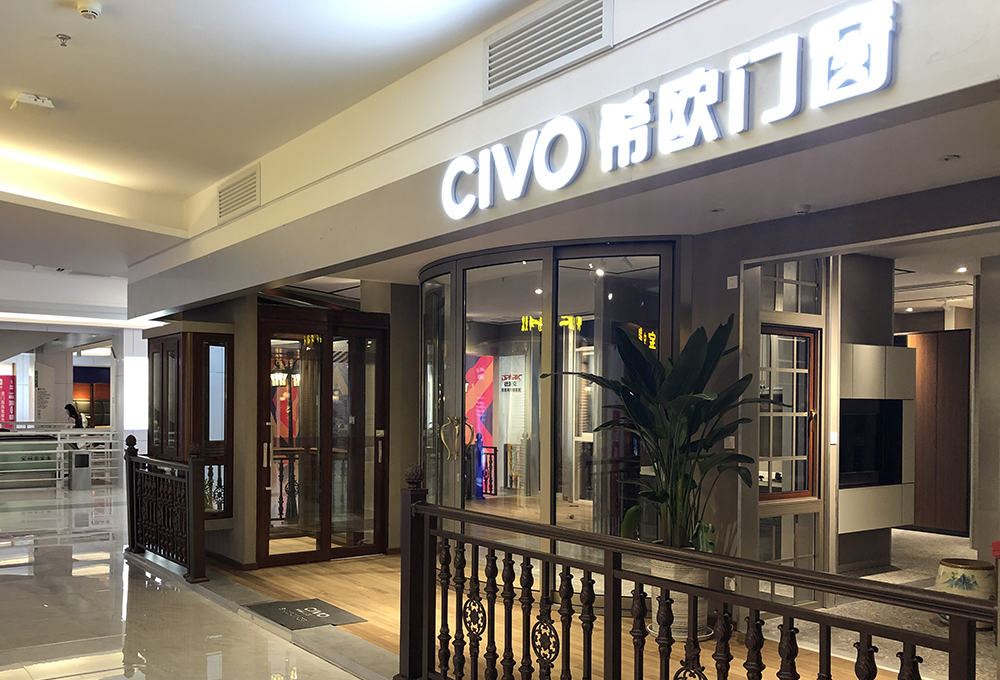
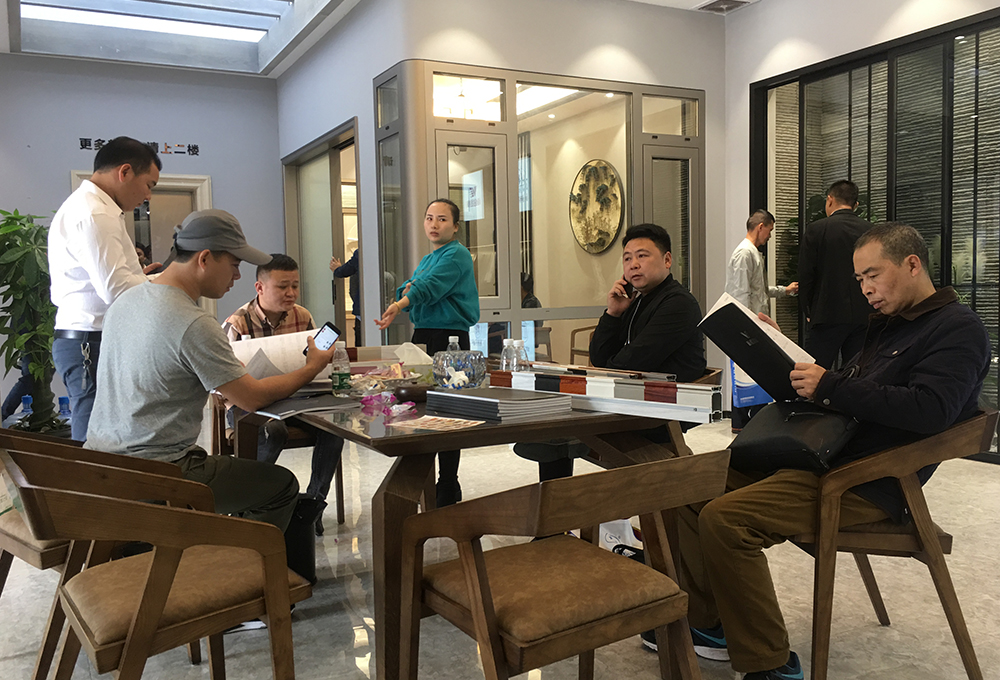
Continuous dynamic simulation, water tightness benchmarking, and thermal modeling pushing system boundaries.



Comprehensive portfolio of thermal broken, inward, outward, side-press, and heavy sliding configurations.
Patented side-press structural compression seal for airtight patio protection against torrential windstorm deluges.
Heavy-gauge aluminum interior casement swing providing superior pressure resistance and effortless balcony cleaning access.
Multi-track sliding patio configuration with stainless steel bottom runners for wide-opening panoramic patio ventilation.
Compact architectural profile with high-density polyfoam insulation bars, maximizing energy savings across patio envelopes.
Outward projecting friction-stay casement utilizing wind gust pressure to drive the sash tighter into its primary perimeter gasket.
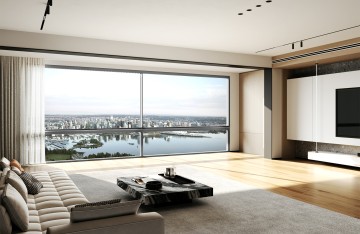
Top-hung suspension roller mechanism eliminating floor sill tripping hazards while enduring heavy hurricane dynamic wind loads.
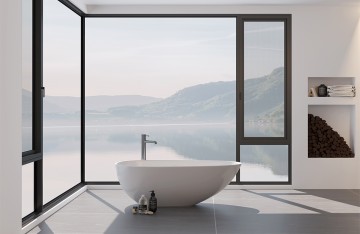
Ultra-thick 3.0mm architectural wall thickness with integrated security screen mesh designed for extreme HVHZ coastal patio installations.
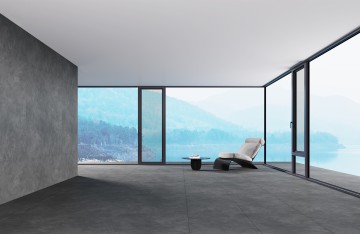
Robust 2.0mm structural profile pairing impact glass protection with 304 marine-grade stainless insect and security wire mesh.
As building science advances under the dual pressures of global climate intensification and aggressive carbon neutrality mandates, the architectural specification of patio hurricane windows is entering a new paradigm characterized by three major technological vectors:
The next generation of aluminum hurricane patio systems integrates micro-electromechanical sensors (MEMS) embedded directly within the thermal barrier cavities. These IoT sensors communicate seamlessly with residential and commercial automation platforms. Upon detecting barometric pressure plummets associated with rapid cyclogenesis, or extreme ultrasonic vibrations from external impact, the system automatically engages secondary concealed perimeter deadbolts, activates threshold water purge gates, and transmits real-time structural integrity diagnostics to property managers.
Traditional impact glass units achieve substantial structural resistance but remain relatively heavy and limited in thermal performance (typical center-of-glass U-values hovering around 0.28 to 0.35 BTU/h·ft²·°F). The emergence of hybrid VIG-impact glazing combines an evacuated vacuum thermal chamber with an exterior SentryGlas® laminated impact layer. This breakthrough cuts overall window assembly weight by 30% while achieving astonishing U-values below 0.10 BTU/h·ft²·°F—surpassing passive house standards without diminishing Large Missile D impact ratings.
Environmental Product Declarations (EPDs) are increasingly required for tier-one commercial coastal developments. CIVO is pioneering the transition toward low-carbon architectural aluminum billets smelted using hydroelectric and renewable solar energy sources, coupled with high post-consumer scrap recycling ratios. This ensures that specifying massive patio storm windows simultaneously fortifies coastal human habitats and honors the ecological imperative of embodied carbon mitigation.