Windows Doors Manufacturer

Leave Your Message
Need Project Quote?
Chat With Us Now
Chat With Us Now
Windows Doors Manufacturer
Explore our leading thermal broken aluminum impact windows engineered for high energy efficiency and extreme weather protection.
In modern sustainable architecture, the building envelope plays a critical role in determining overall energy efficiency, occupant safety, and long-term durability. As carbon neutrality goals tighten worldwide, architects and developers are turning to Aluminum Impact Windows as a structural cornerstone for green buildings.
Aluminum, naturally lightweight yet exceptionally robust, offers an ideal structural framework. When coupled with advanced thermal break technologies and impact-resistant glazing, these window systems address the dual challenge of sustainable design: reducing operational carbon footprint while offering maximum resistance against severe weather events induced by climate change.
Historically, aluminum was criticized in green building design due to its high thermal conductivity. However, the introduction of Thermal Broken (Broken Bridge) technology revolutionized the industry. By inserting a low-conductive polyamide insulating barrier between the interior and exterior aluminum profiles, thermal bridging is effectively eliminated.
For green buildings, this translates to a massive reduction in thermal transfer. When integrated with multi-layered laminated impact glass (comprising Low-E coatings and argon gas fills), these windows achieve exceptionally low U-factors and Solar Heat Gain Coefficients (SHGC). This keeps buildings cooler in hot climates and warmer in cold climates, significantly reducing the energy load on HVAC systems.
"Optimizing the window-to-wall ratio with high-performance thermal broken aluminum impact windows is one of the most cost-effective methods to achieve LEED certification and meet strict Energy Star requirements globally."
Furthermore, the "impact" aspect is achieved through a robust interlayer—typically Polyvinyl Butyral (PVB) or SentryGlas Plus (SGP)—sandwiched between two layers of glass. During a storm or attempted forced entry, the glass may crack, but the interlayer holds the fragments together, maintaining the building envelope's integrity and preventing devastating internal pressurization.
The global market for green building materials is experiencing exponential growth, driven by stringent government mandates, rising energy costs, and a collective corporate shift toward ESG (Environmental, Social, and Governance) values. Aluminum impact windows are no longer restricted to hurricane-prone coastal regions; they are increasingly specified in metropolitan inland areas due to their security benefits and superior acoustic insulation.
Key development trends shaping the industry include:
From coastal residential communities to high-rise commercial structures, aluminum impact windows provide tailored performance characteristics.
Coastal zones present the harshest environments, characterized by high humidity, salt spray, and extreme wind loads. Aluminum impact windows with marine-grade powder coatings offer the necessary corrosion resistance. By incorporating high-performance glazing, these properties minimize solar heat gain from intense coastal sun while offering peace of mind against category 5 hurricanes without the need for unsightly storm shutters.
For high-rises, wind pressure increases exponentially with height. The structural rigidity of aluminum allows for large-span curtain walls and windows that withstand structural deflection. In green commercial buildings, this maximizes natural daylighting—reducing the reliance on artificial lighting—while maintaining tight thermal control to lower peak energy demands.
Safety, noise reduction, and energy efficiency are paramount in schools and civic centers. The acoustic dampening properties of laminated impact glass (often reducing exterior noise by up to 40dB) create quiet, focused learning environments. Simultaneously, the impact resistance protects against vandalism, accidental impacts, and extreme weather events, safeguarding public assets.
Achieving net-zero energy requires minimizing thermal energy losses to near-zero levels. Advanced thermal broken profiles with triple-pane insulated impact glass provide the extreme thermal resistance needed. These systems seal tightly against air infiltration, ensuring that indoor conditioned air remains trapped inside, maximizing the efficiency of energy recovery ventilators (ERVs).
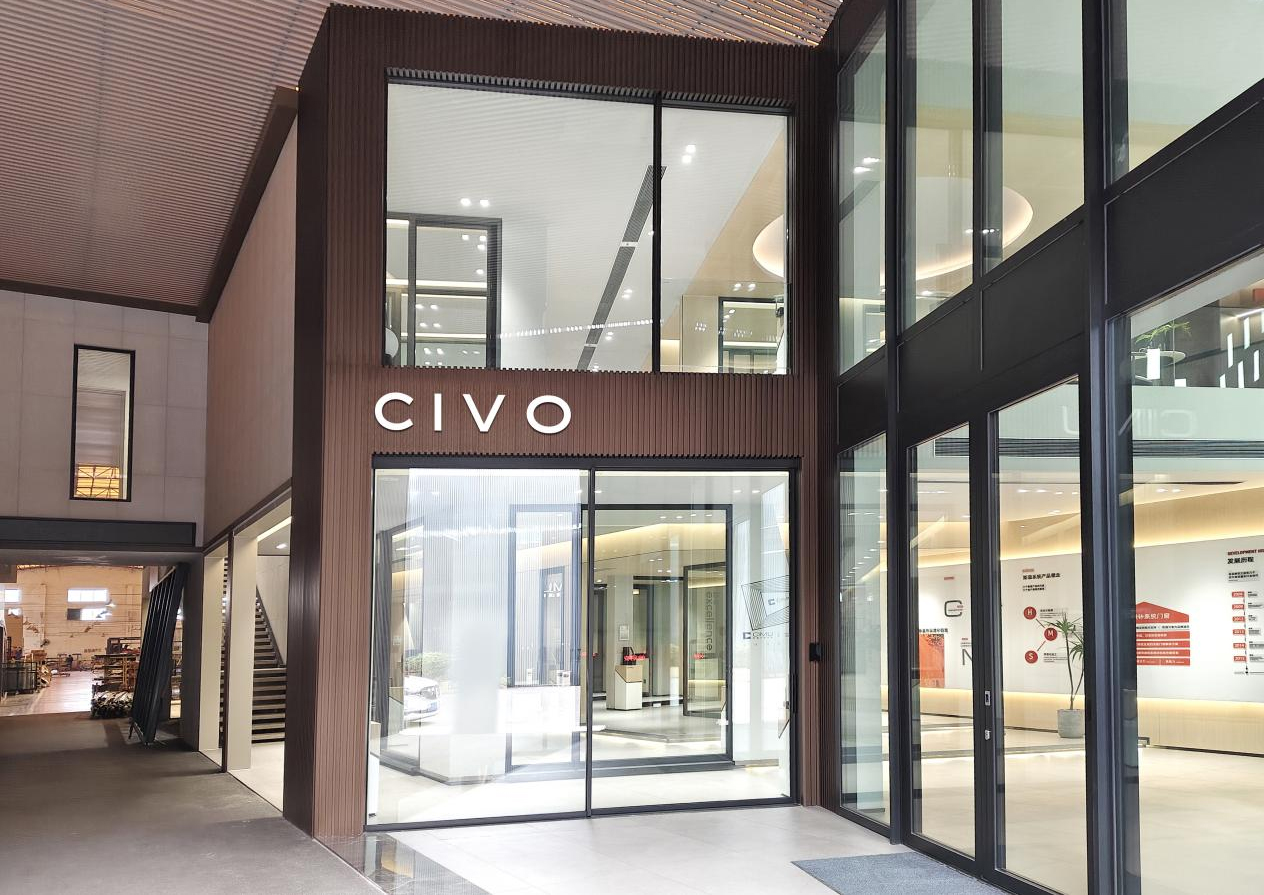
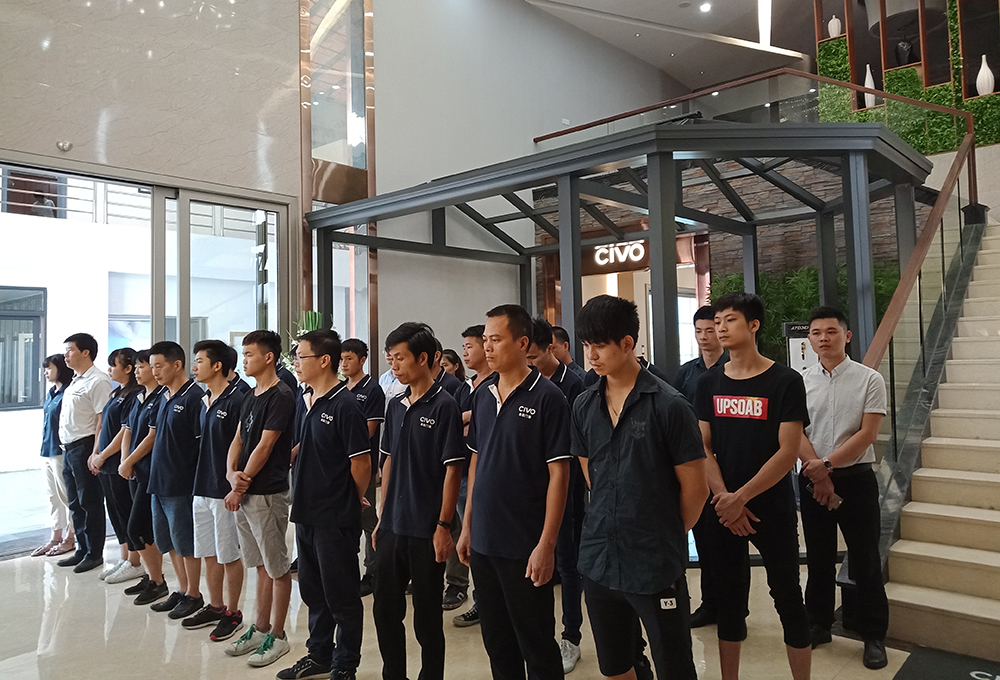
CIVO is a premier provider of architectural aluminum system solutions, integrating research and development, production, sales, and service of system door and window products. With our brand slogan "MAKE BUILDINGS MORE FLEXIBLE," CIVO is committed to delivering quality-oriented home building materials, enabling countless households and commercial projects to experience the unique charm of high-end system doors and windows.
According to the geographical climate and local architectural styles of different regions, CIVO has developed a series of high-quality, safe, and energy-efficient products designed to meet the rigorous needs of high-end consumer groups and green building standards. Since our establishment, product safety and structural integrity have been our core responsibilities, ensuring that every system reflects our commitment to durability, thermal efficiency, and security.
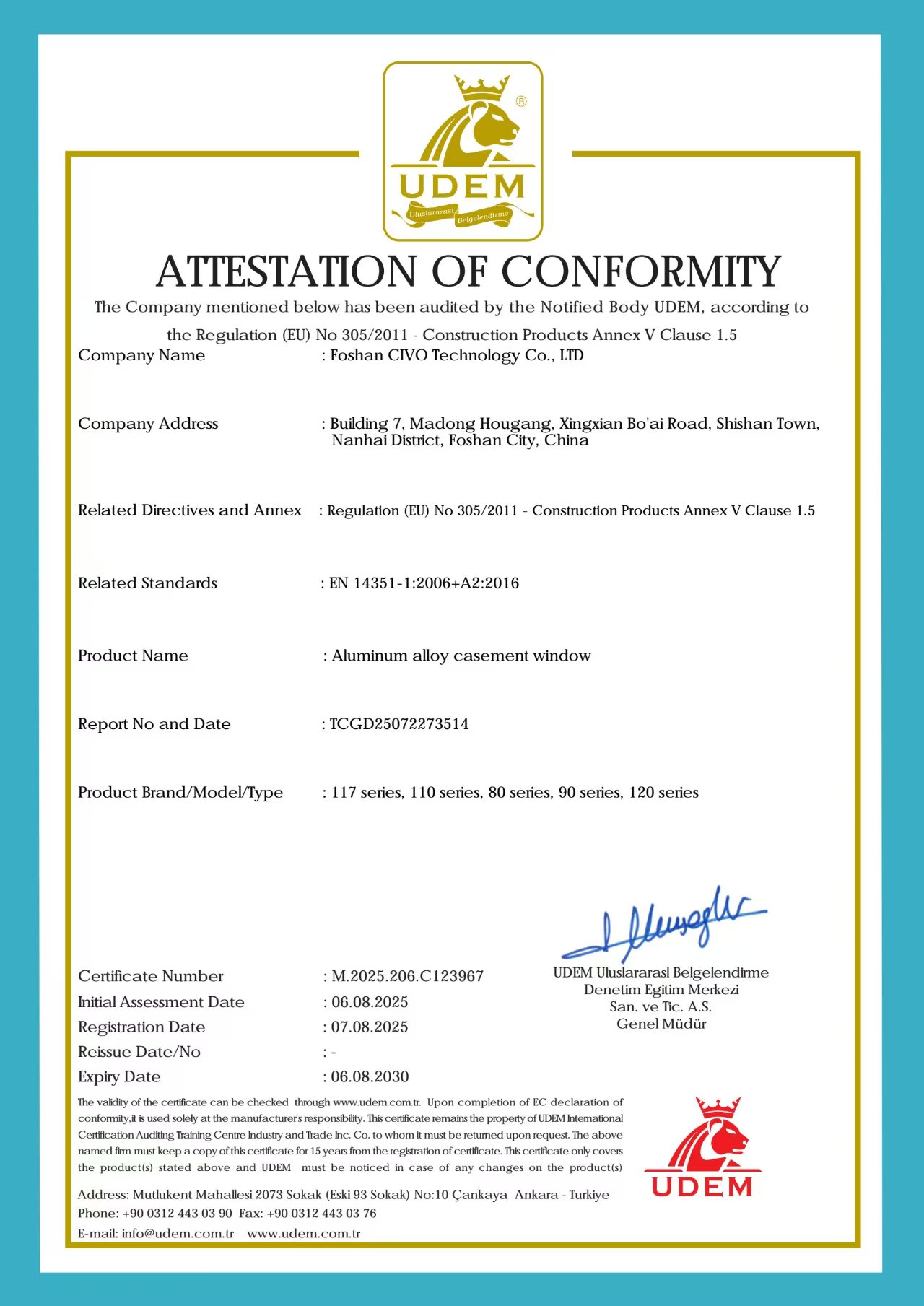
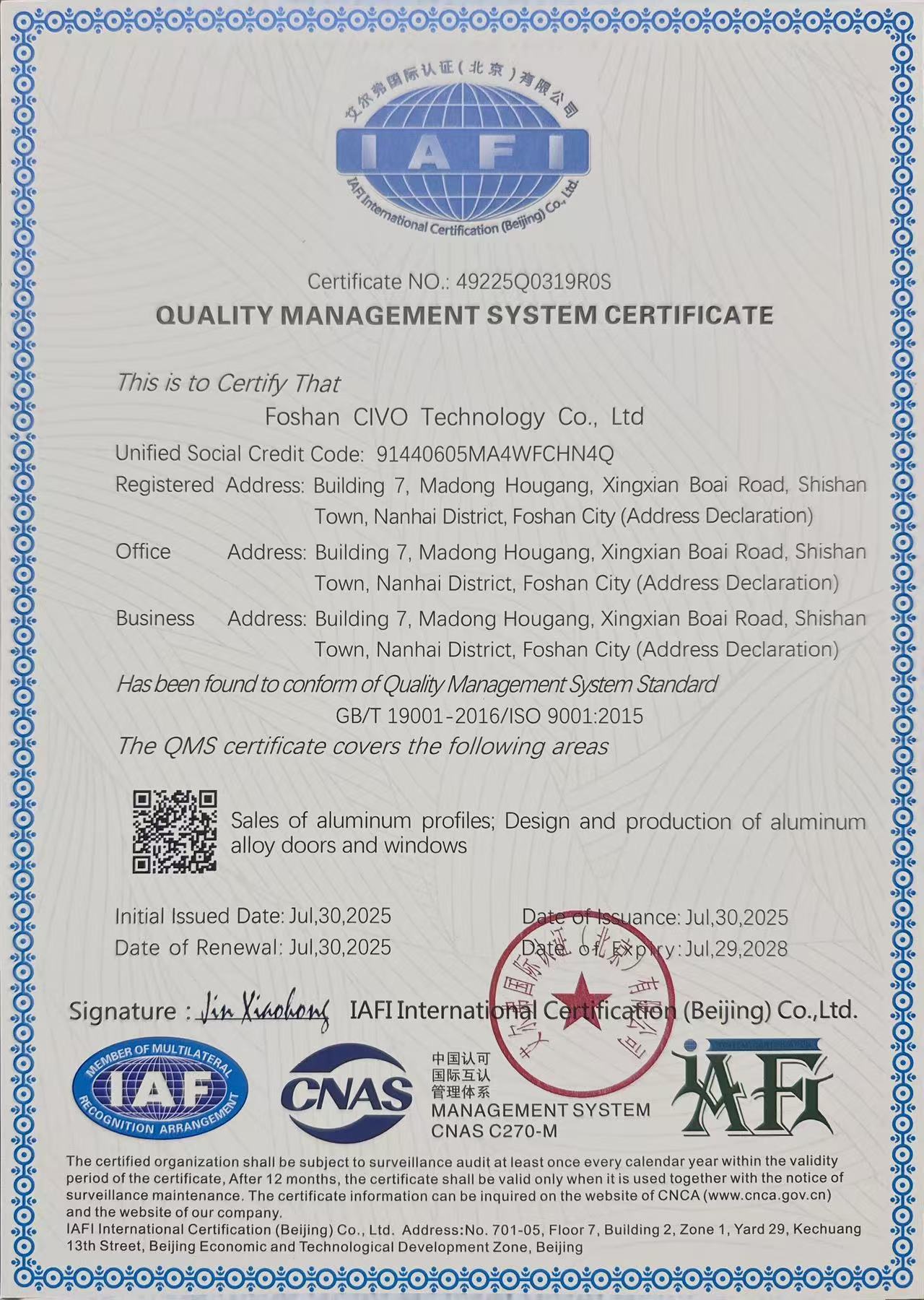
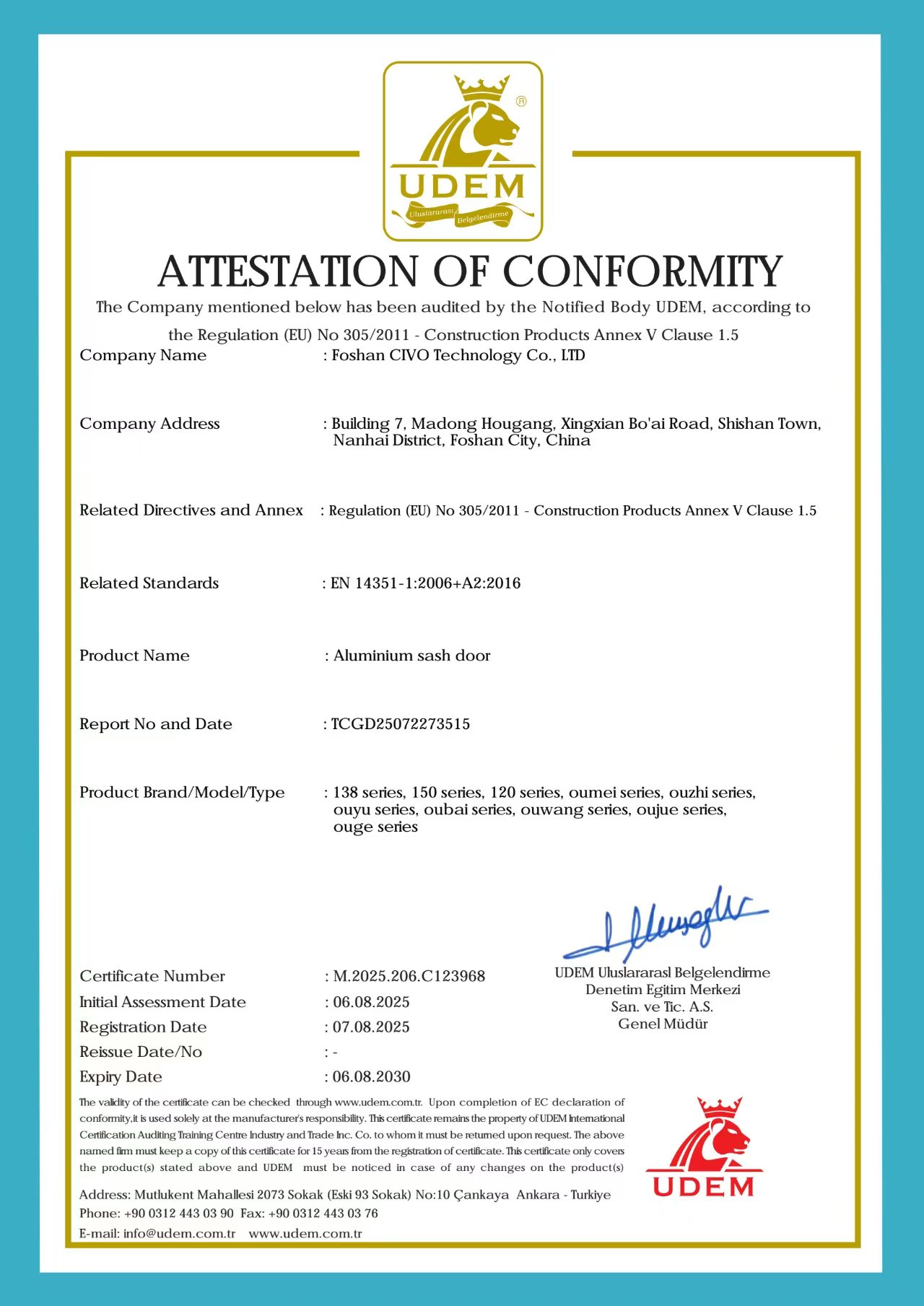
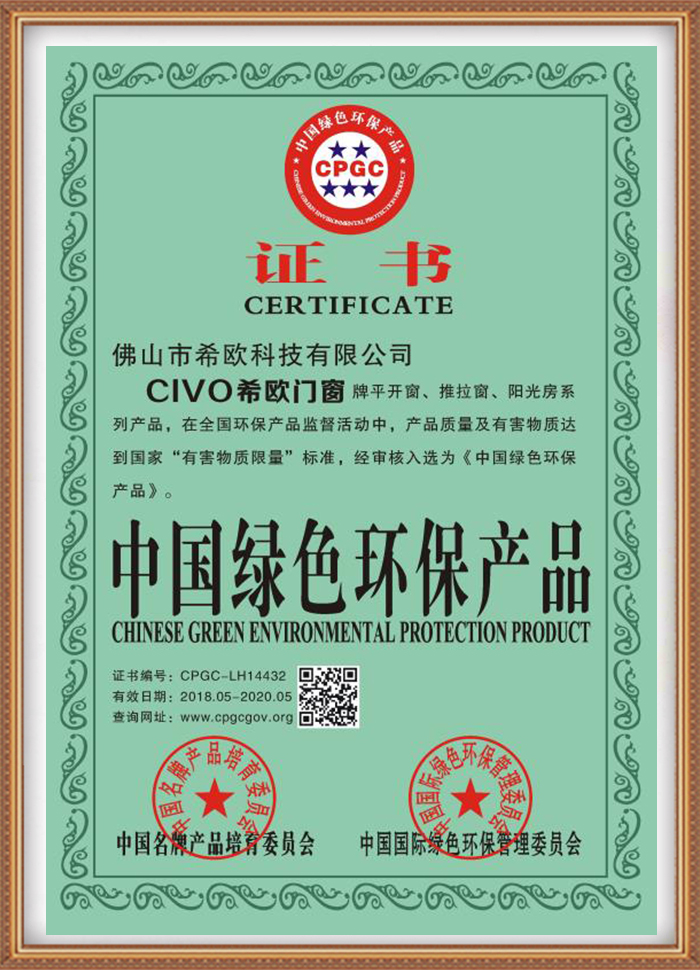
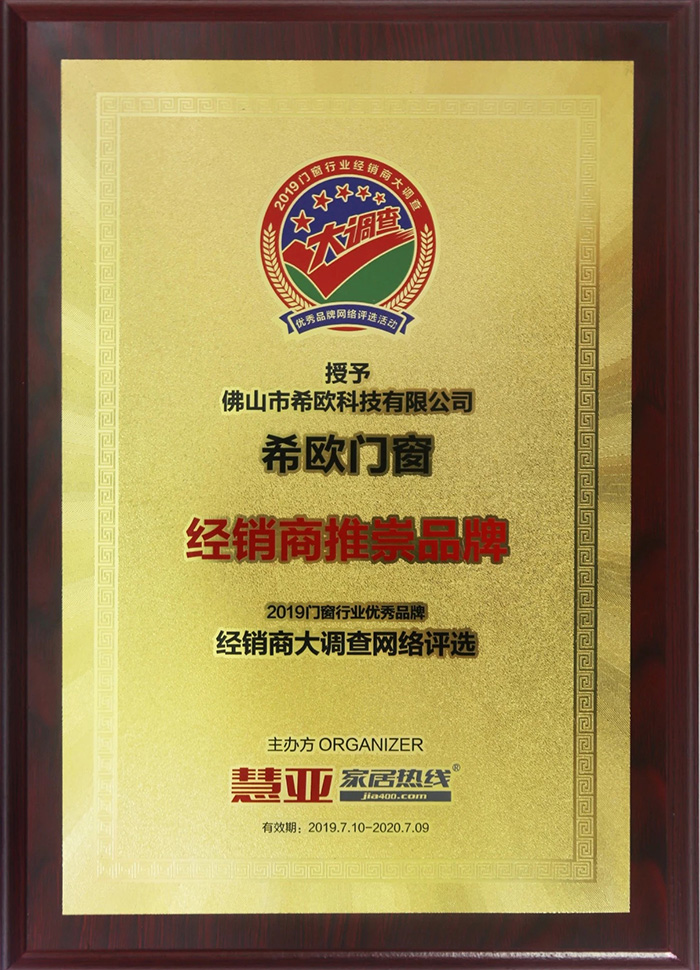
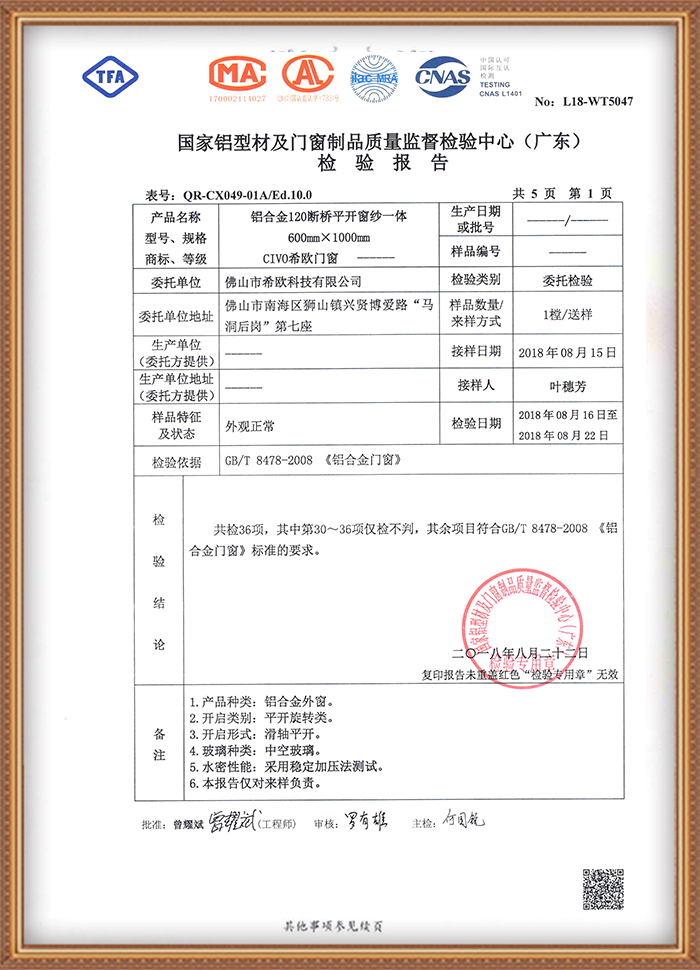
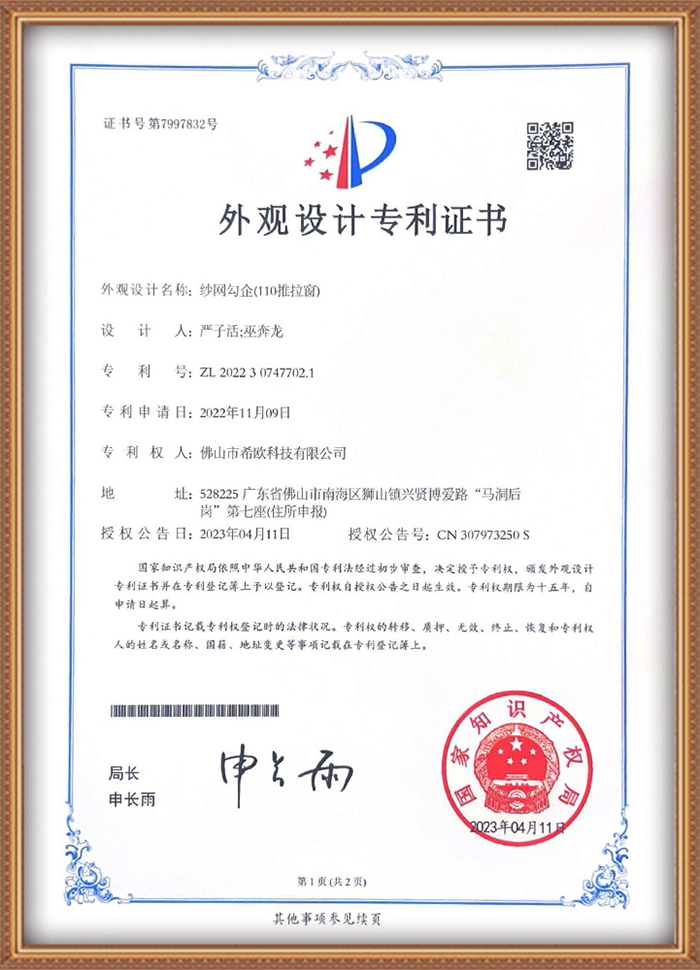
Our commitment to quality is backed by rigorous international testing and certifications, ensuring compliance with global building standards.
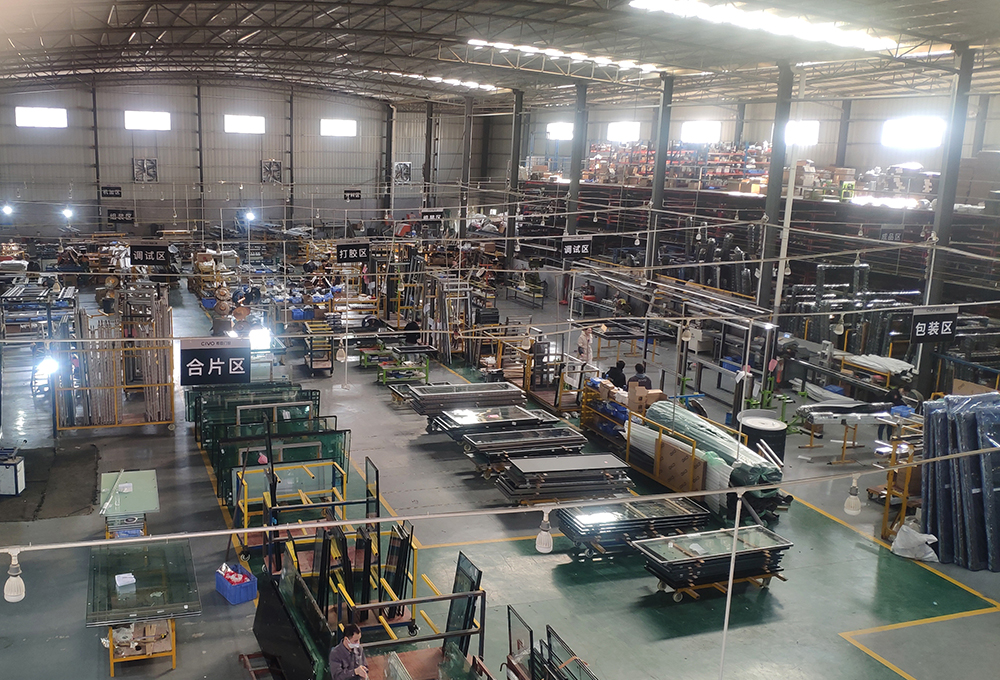
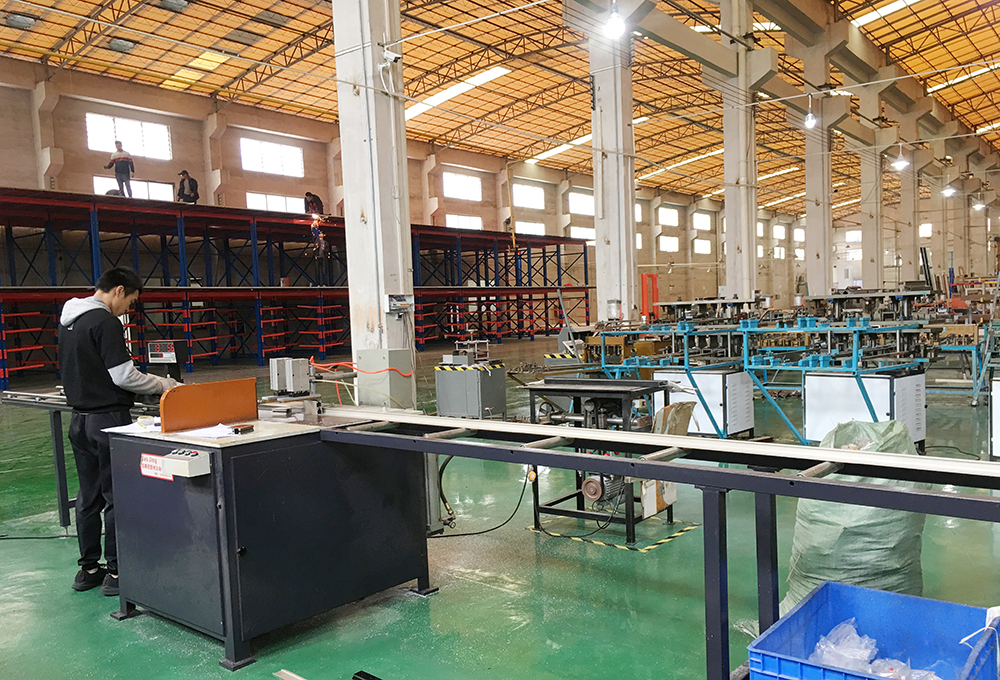
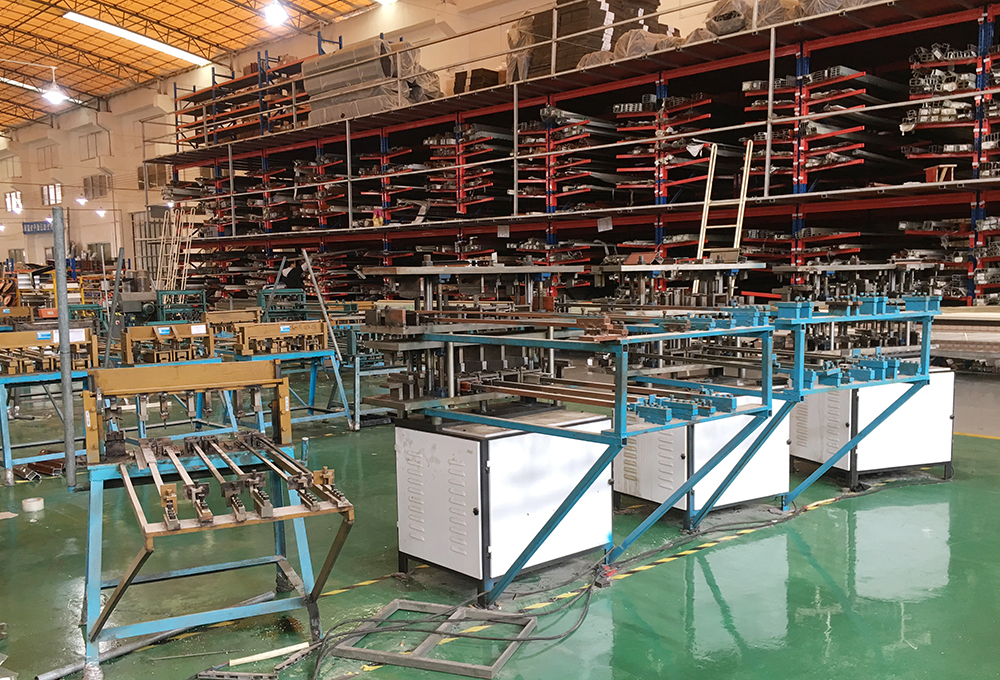
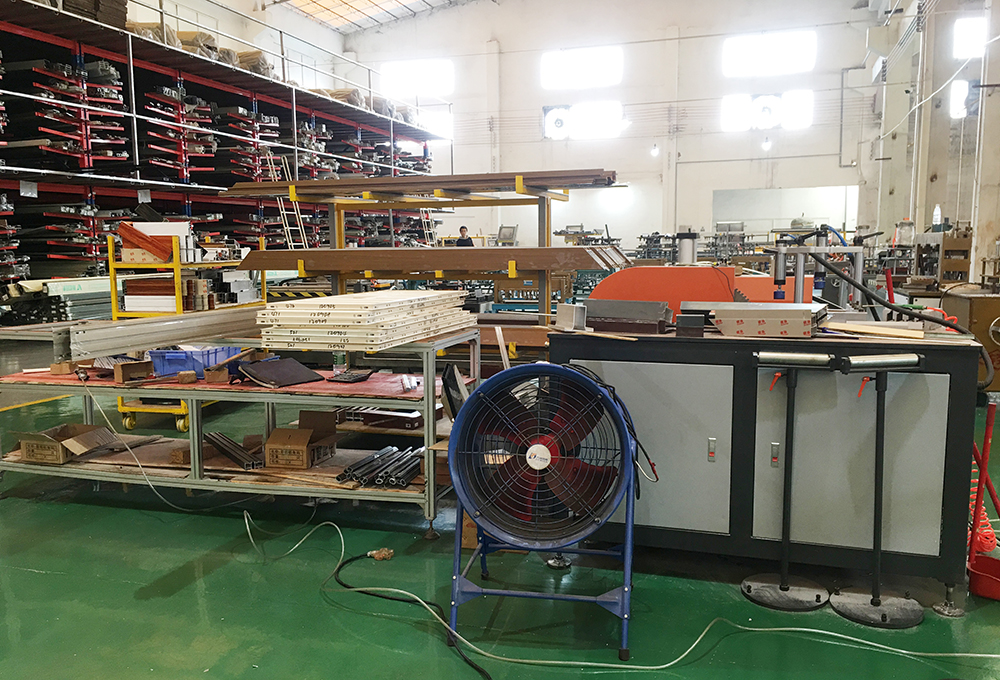
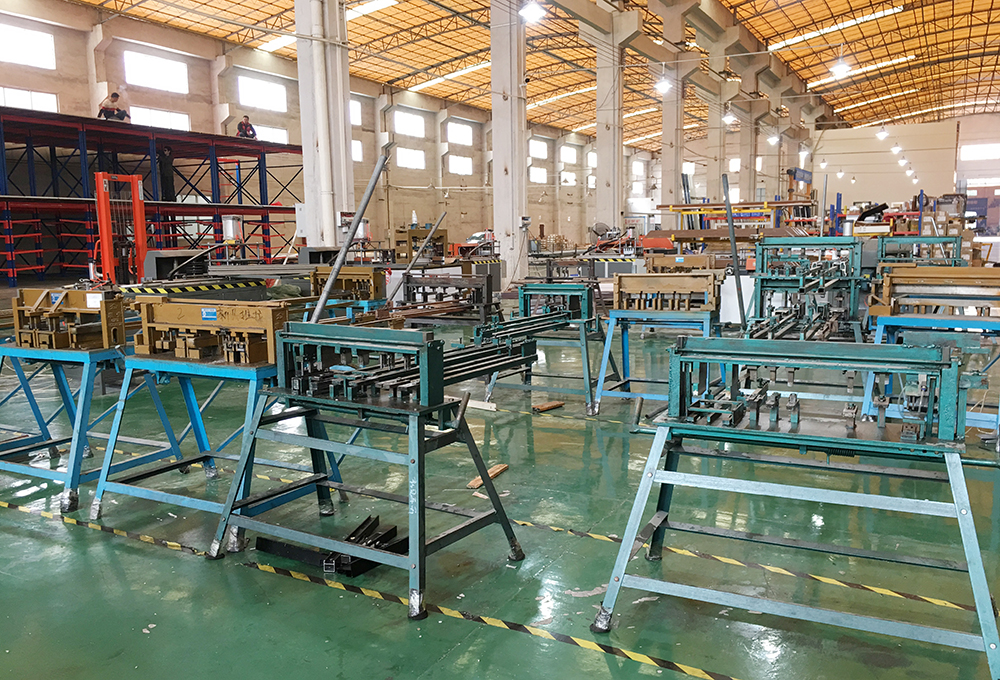
A glimpse inside our 40,000 square meter state-of-the-art manufacturing facility, designed for precision engineering.
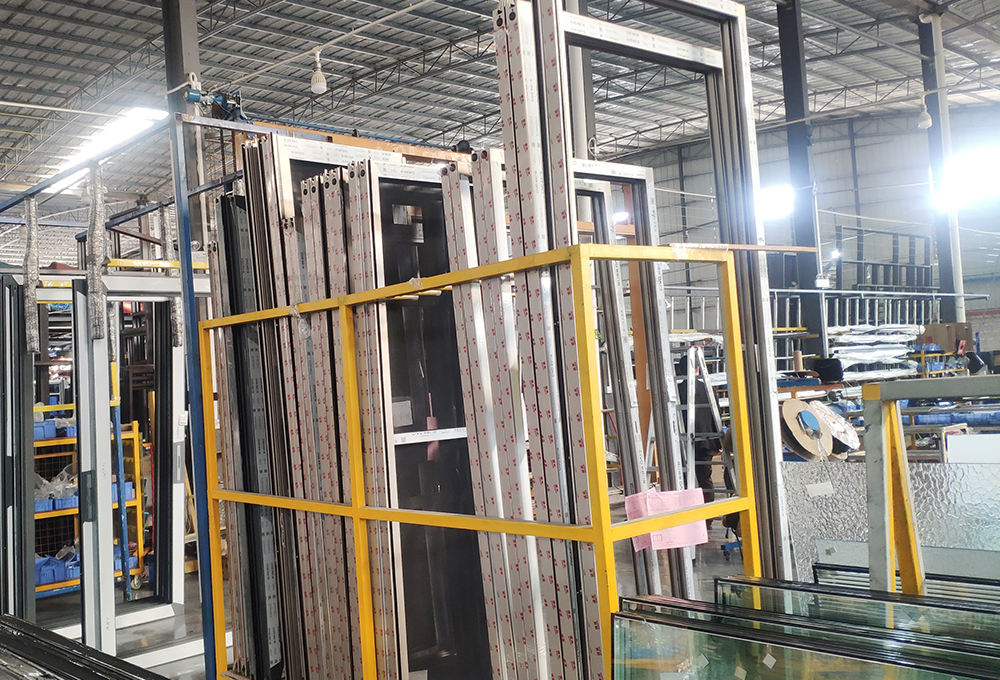
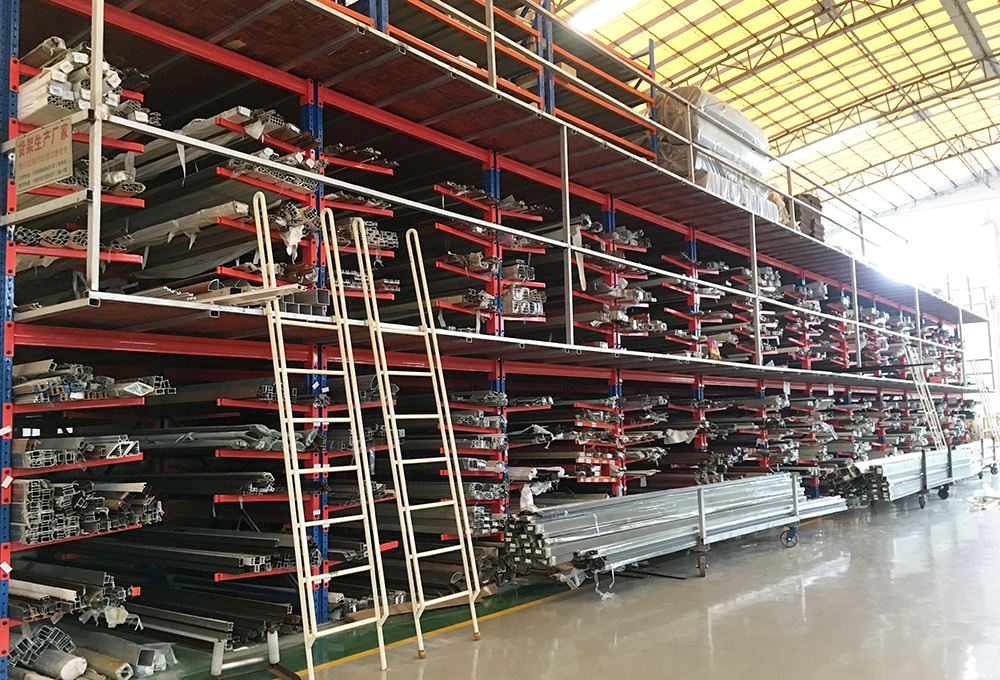
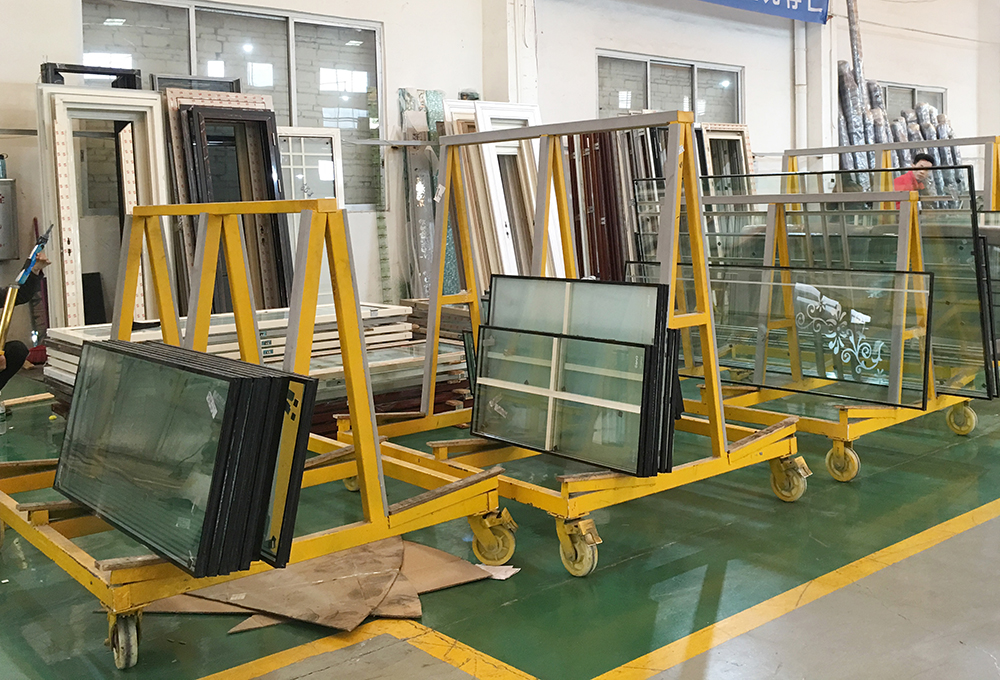
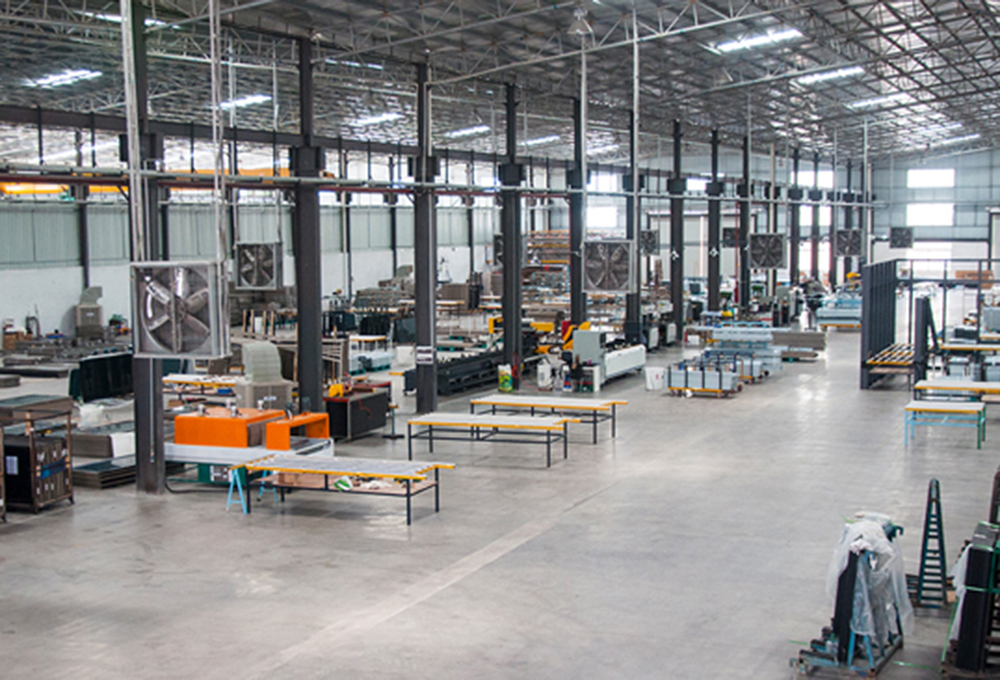
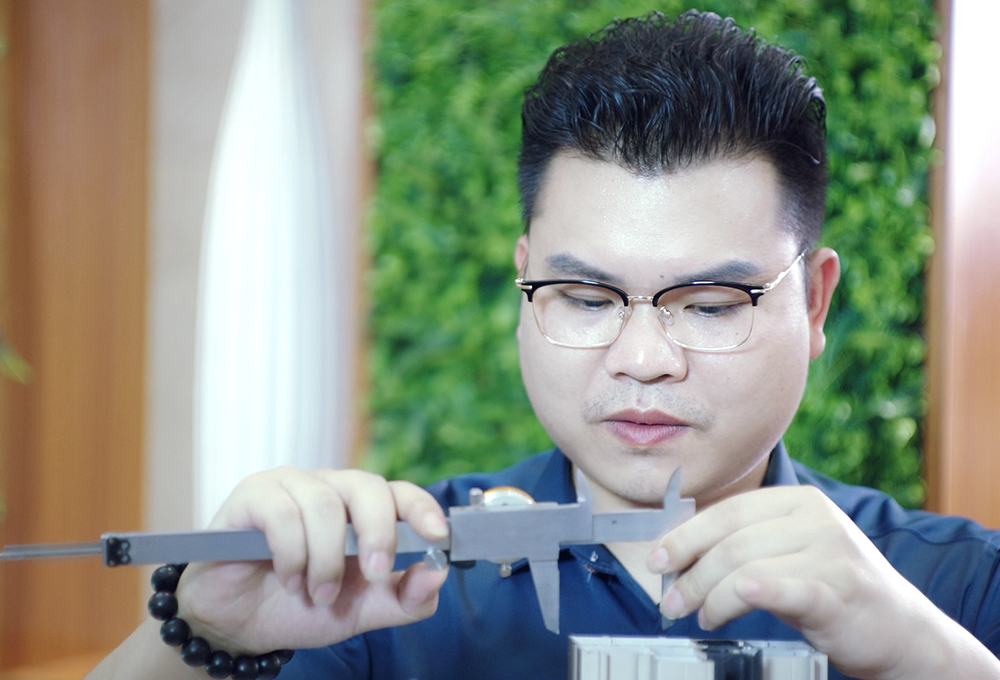
Leveraging high-precision German and Italian machinery to guarantee structural accuracy and perfect sealing.
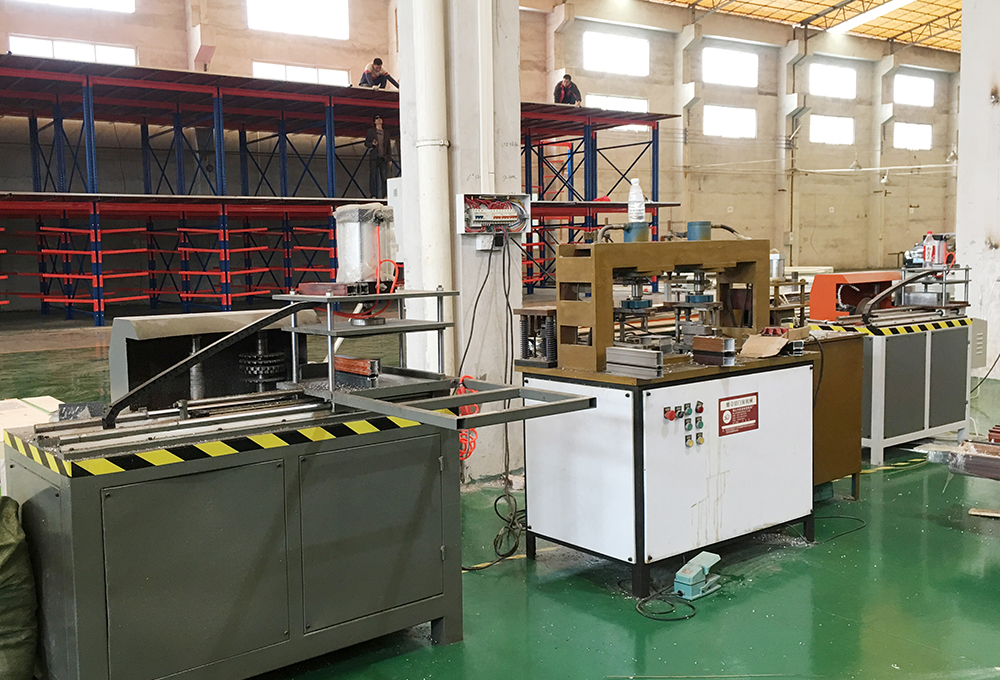
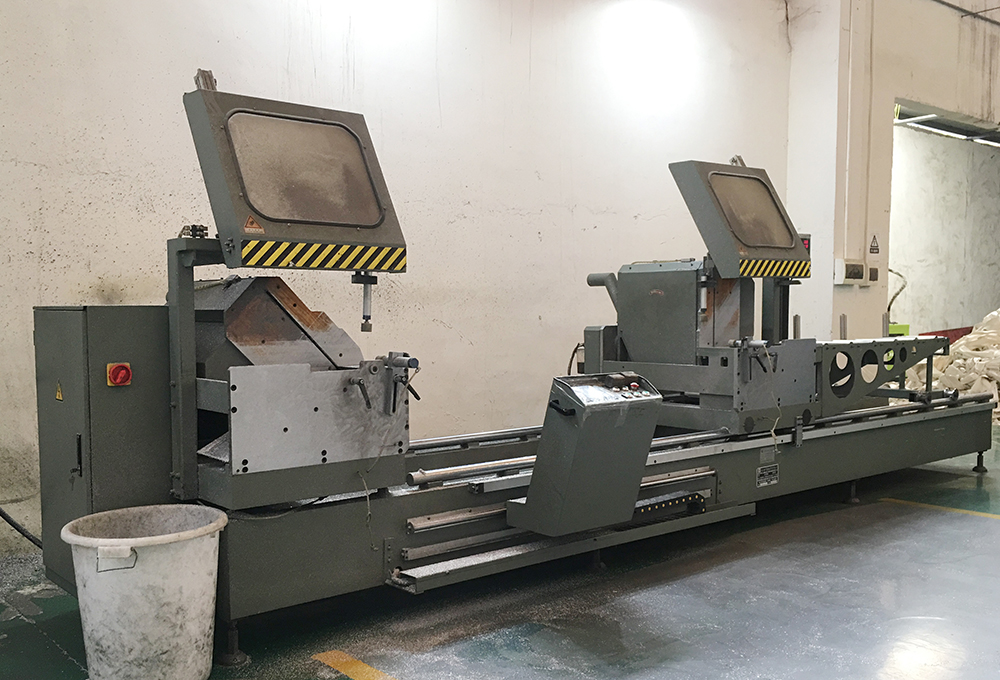
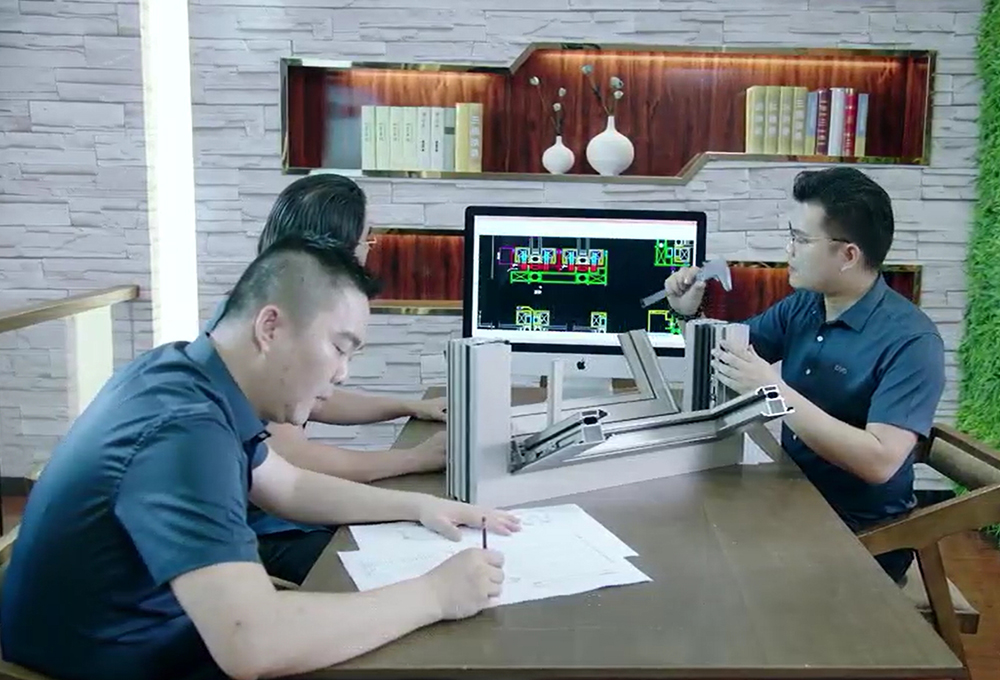
Continuous innovation in thermal efficiency and wind-load resistance is driven by our dedicated engineering team.
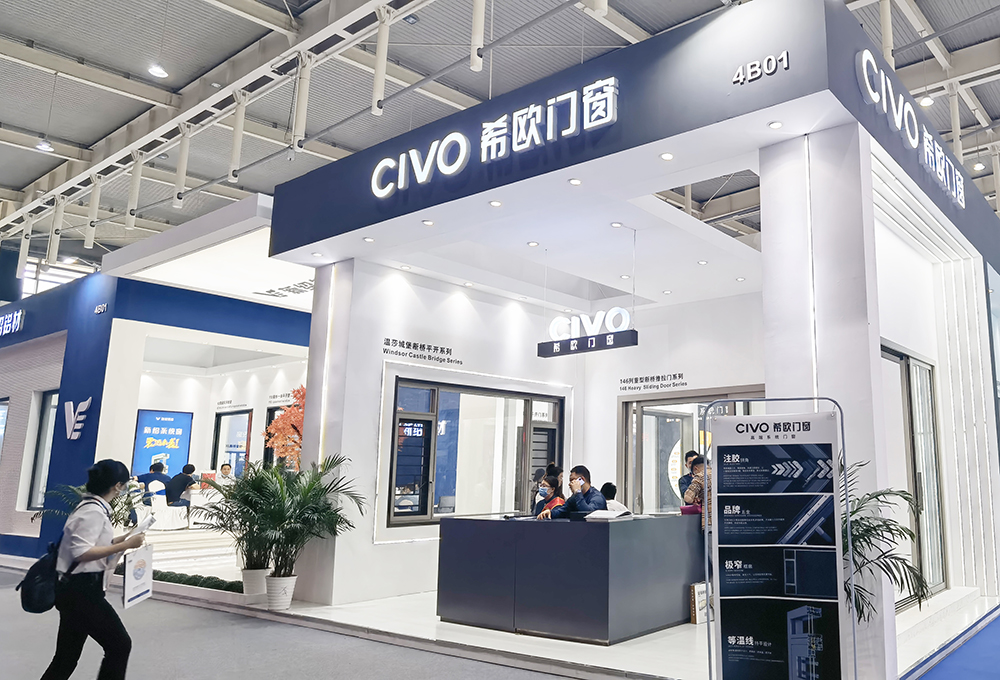
Showcasing our green building fenestration solutions to architects and developers at top international building expos.
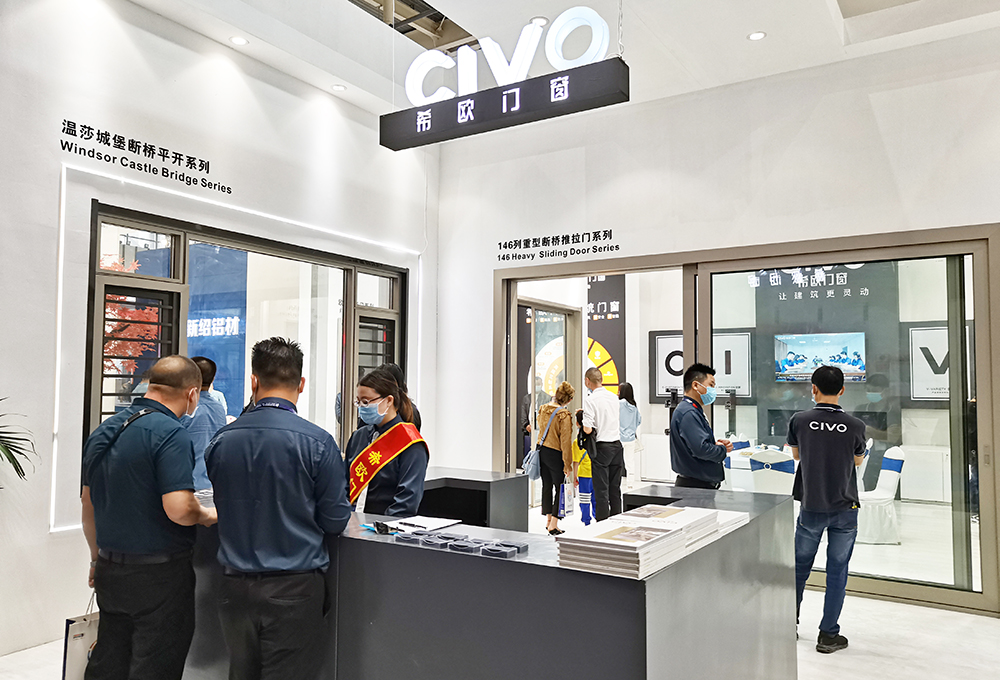
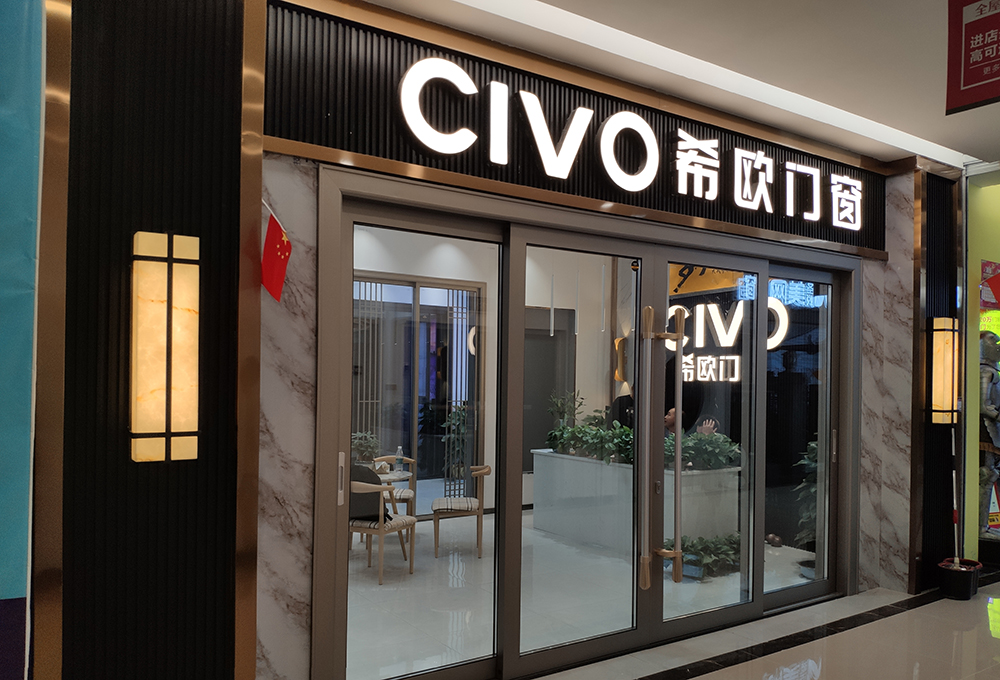
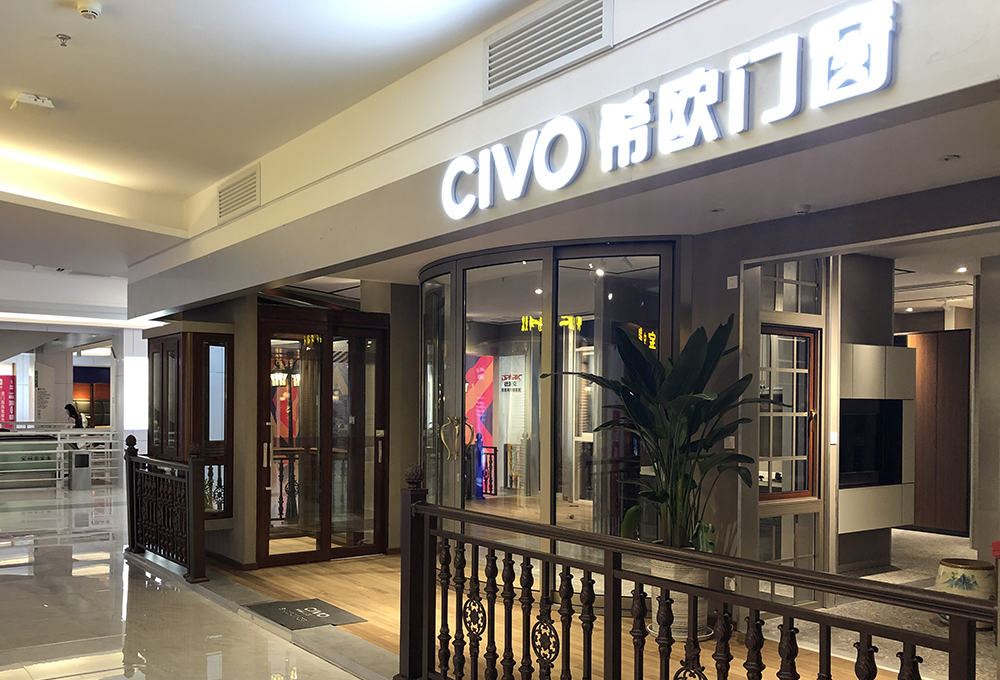
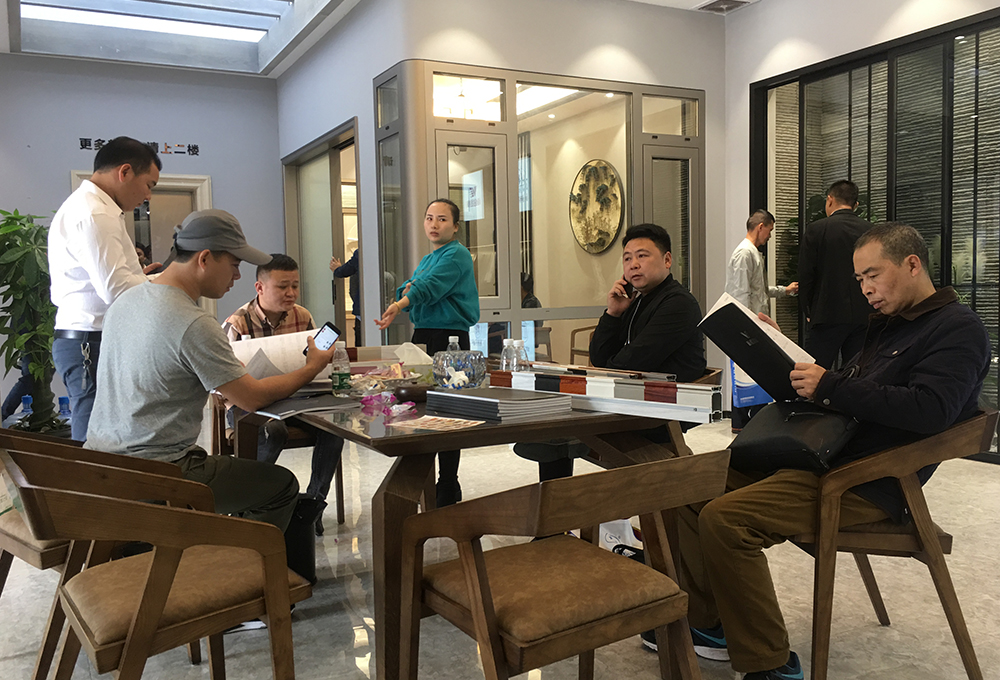
Browse our entire catalog of thermal broken sliding, inward-opening, outward-opening, and suspension window systems.
Contact CIVO's engineering experts today to receive customized CAD drawings, wind load calculations, and energy-saving analysis for your project.
Contact Our Design Team