Windows Doors Manufacturer

Leave Your Message
Need Project Quote?
Chat With Us Now
Chat With Us Now
Windows Doors Manufacturer

Engineered to withstand severe atmospheric pressures, featuring advanced structural profiles and high-efficiency thermal barriers.
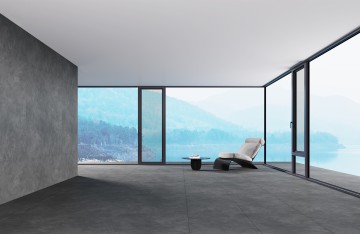

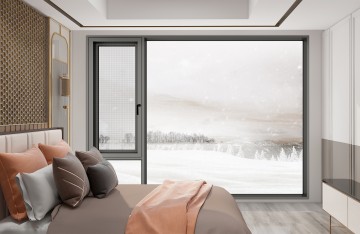
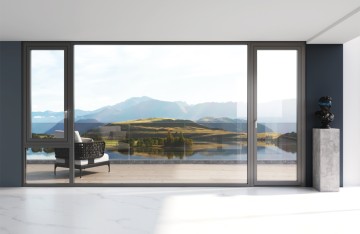
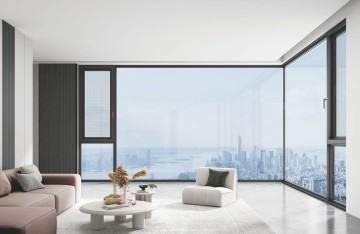
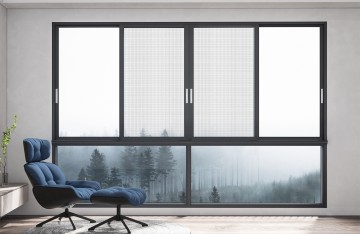
In modern architecture, the building envelope faces unprecedented challenges. Urbanization continues to drive vertical expansion, resulting in taller structures that are subjected to severe wind loads at high altitudes. At the same time, coastal developments must contend with increasingly frequent and violent tropical storms, hurricanes, and typhoons. In these demanding environments, standard fenestration systems are highly vulnerable to failure. This reality has driven the evolution of the Aluminum Insulated Window for High Wind Areas—an engineered synthesis of extreme structural resilience and advanced thermal management.
Wind striking a building does not exert a simple static force; instead, it generates complex, dynamic pressures. As air flows around a structure, it creates positive pressure on the windward side and negative pressure (suction) on the leeward and side walls. These forces increase exponentially with wind velocity and height above ground level. If a window fails under these loads, the sudden change in internal building pressure can lead to catastrophic structural failure, including roof blow-offs.
To quantify a window's ability to withstand these forces, engineers use Design Pressure (DP) ratings. A DP rating indicates the structural load, water resistance, and air infiltration resistance a window can sustain. For high wind areas, windows must achieve high DP ratings, which require thicker aluminum extrusions, reinforced internal chambers, and robust multi-point locking hardware. These features ensure that the window frame does not deflect beyond allowable limits (typically L/175 or L/240 of the span), preventing glass breakage and seal failure.
Utilizes heavy-duty aluminum alloys with wall thicknesses up to 3.0mm, ensuring minimal deflection under peak wind gusts.
Polyamide insulating strips isolate the exterior and interior frames, eliminating thermal bridging and condensation.
Distributes wind loads evenly along the frame perimeter, maintaining an airtight seal under extreme pressure differentials.
Historically, structural strength and thermal efficiency were at odds. Increasing the thickness and depth of aluminum profiles to resist wind loads naturally created a larger pathway for heat conduction, leading to poor energy performance. However, modern thermal break technology has resolved this conflict. By inserting a low-conductive polyamide strip between the inner and outer aluminum profiles, manufacturers create a thermal barrier that blocks heat transfer.
In high wind areas, thermal insulation is closely linked to airtightness. When high winds exert pressure on a window, even minor frame deflection can break the weather seals, allowing cold or hot air to infiltrate the building. This air leakage degrades the building's energy efficiency and can introduce moisture, leading to mold and structural decay. Therefore, a high-wind insulated window must combine a rigid aluminum frame with a multi-chambered thermal break and high-performance EPDM gaskets to maintain a complete seal under load.
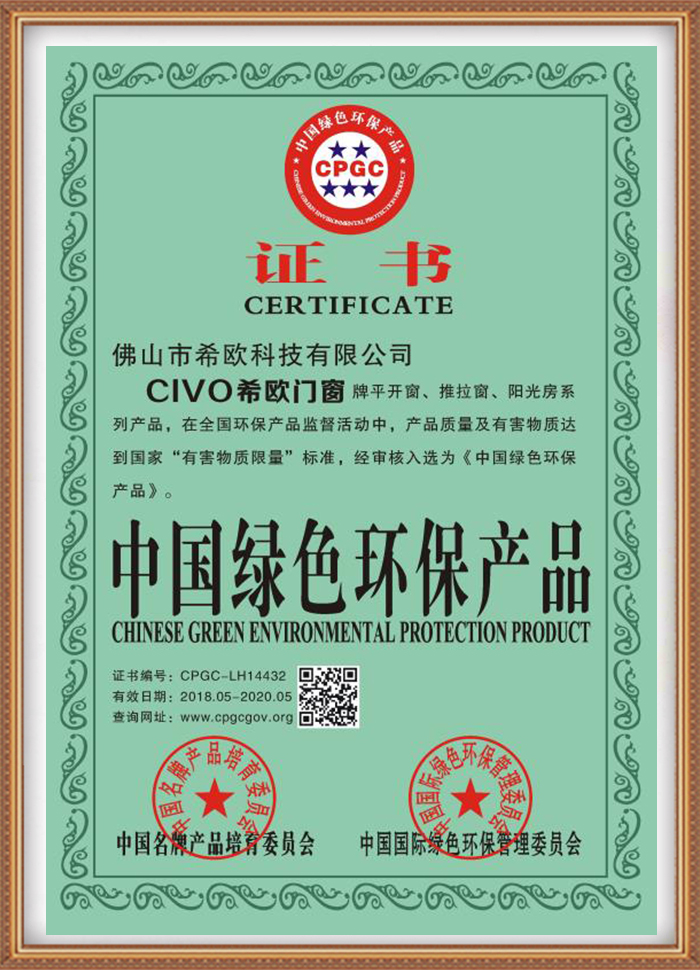
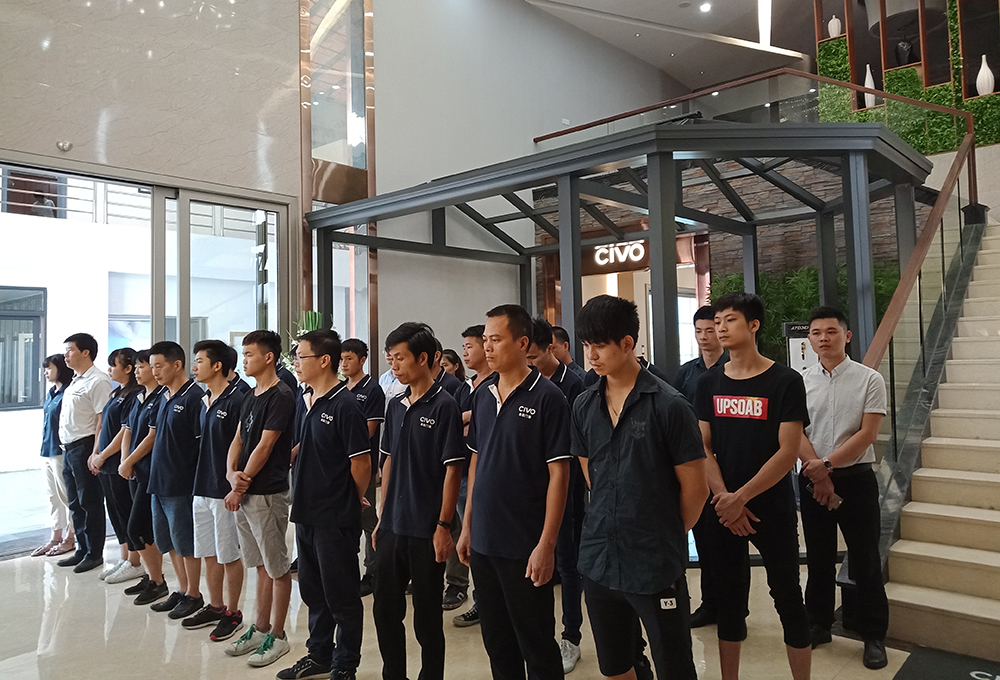
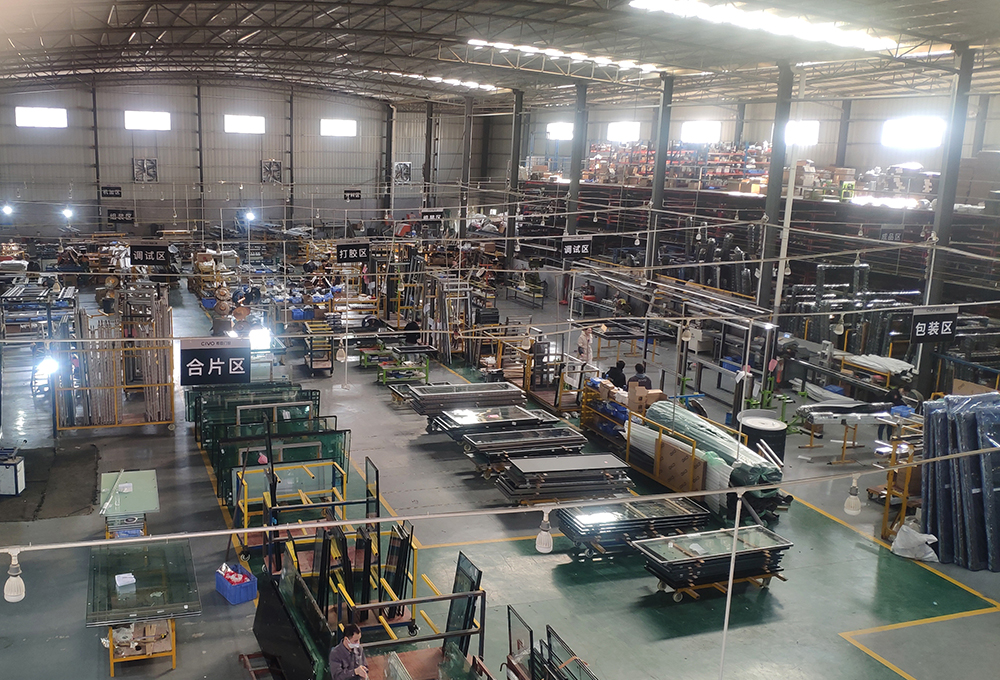
CIVO is a provider of architectural aluminum system solutions, integrating research and development, production, sales, and service of system door and window products.
With the slogan "MAKE BUILDINGS MORE FLEXIBLE", CIVO is committed to delivering quality-oriented home building materials and providing high-end system doors and windows for global customers.
According to different regional climates and architectural styles, CIVO develops high-quality, safe, and energy-efficient aluminum windows and doors to meet the requirements of residential, commercial, and engineering projects.
Contact Us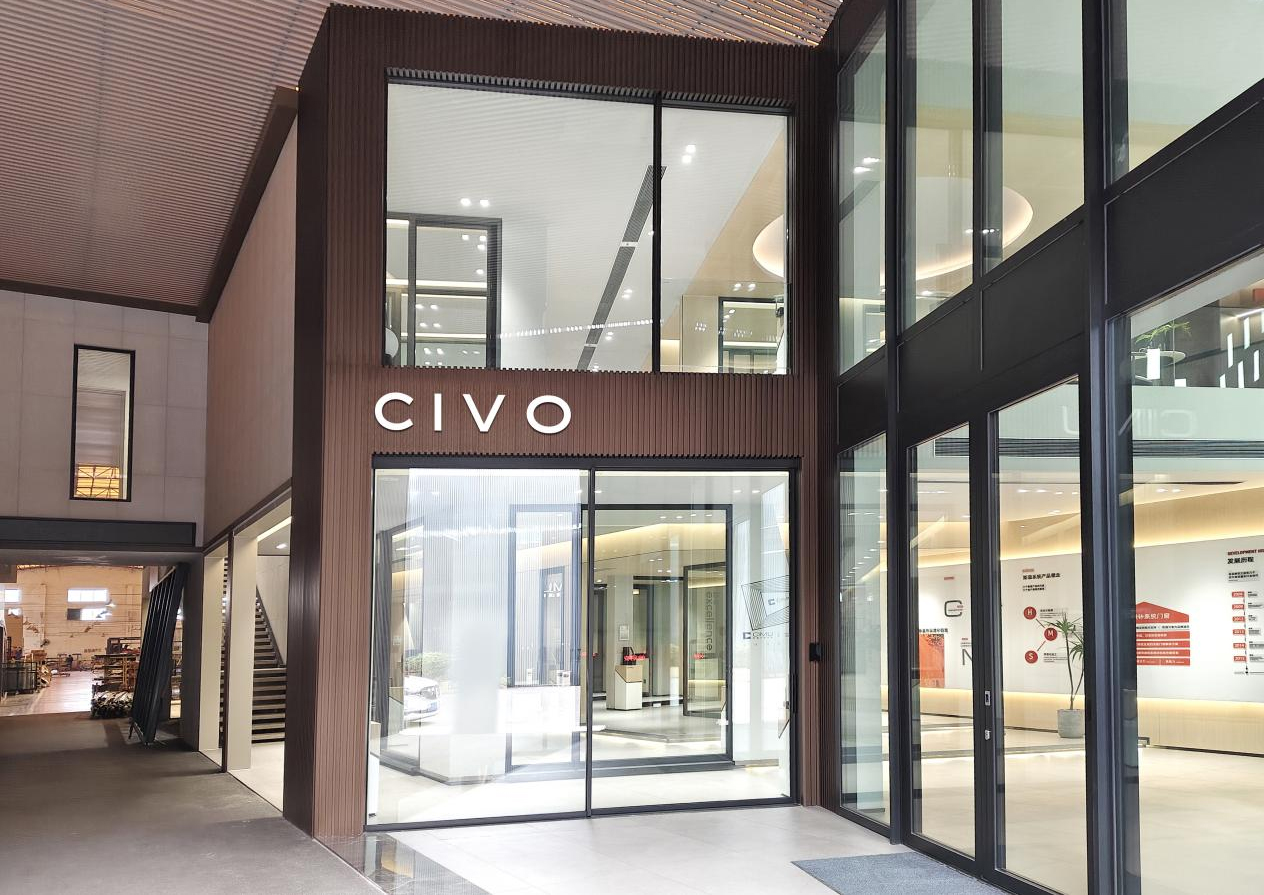
Established in 2016
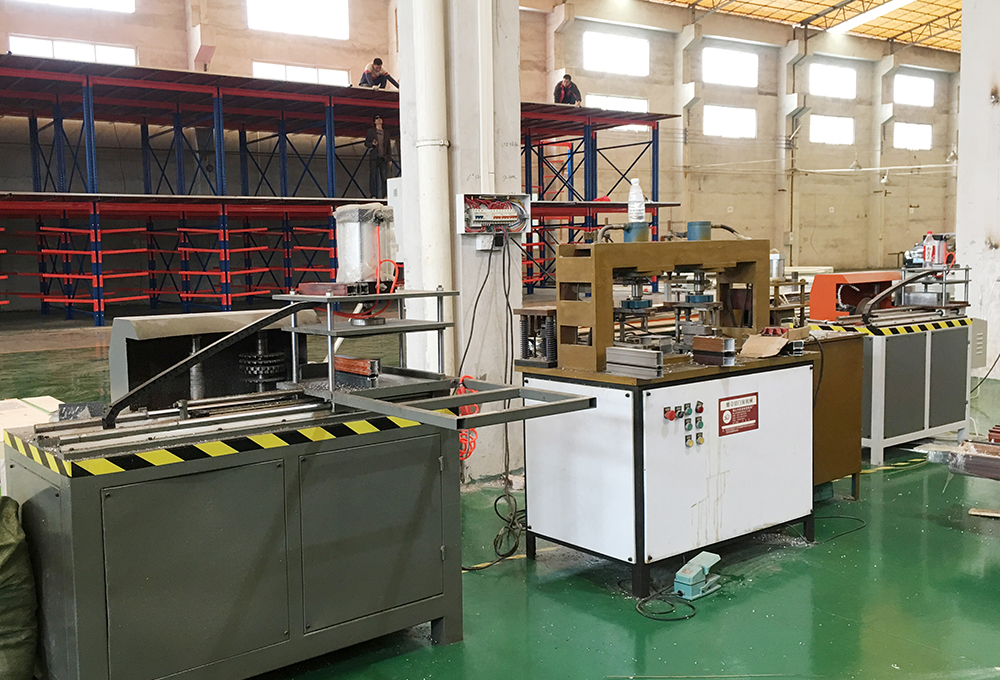
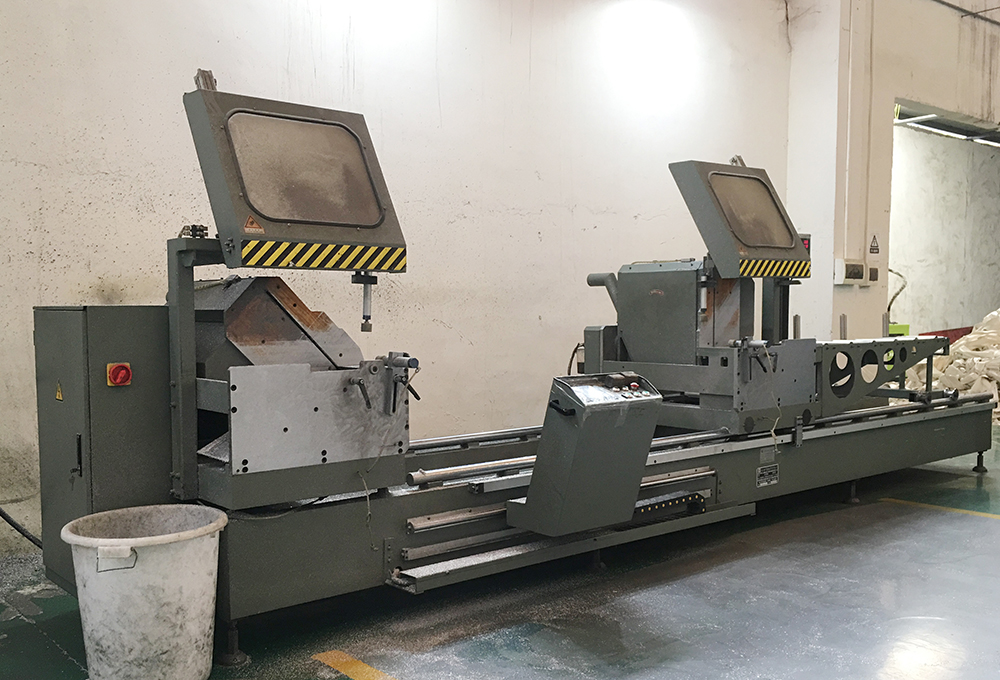
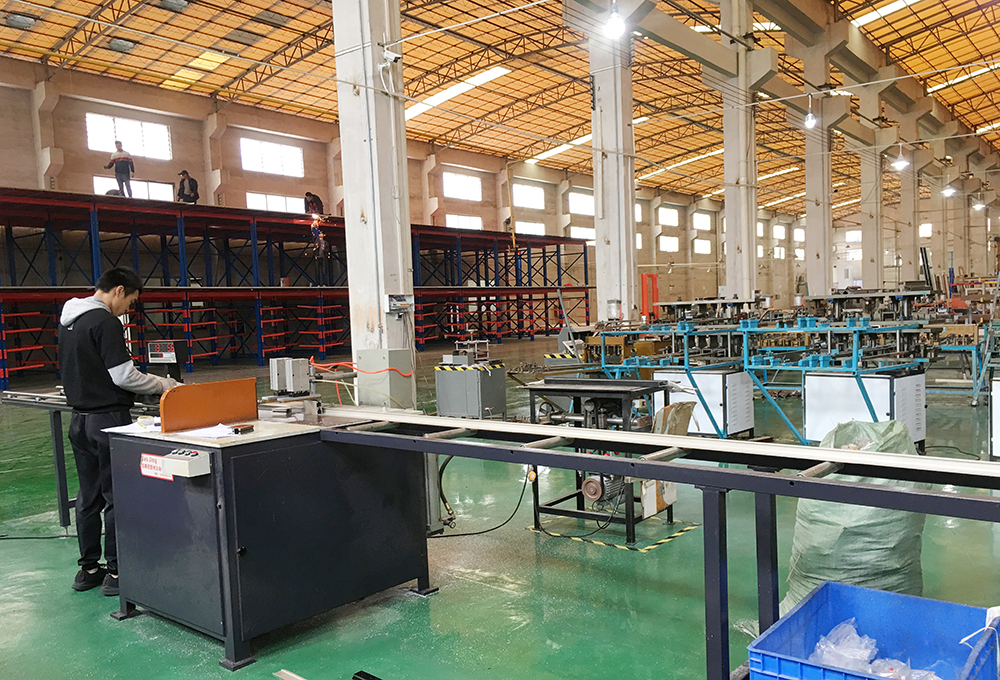
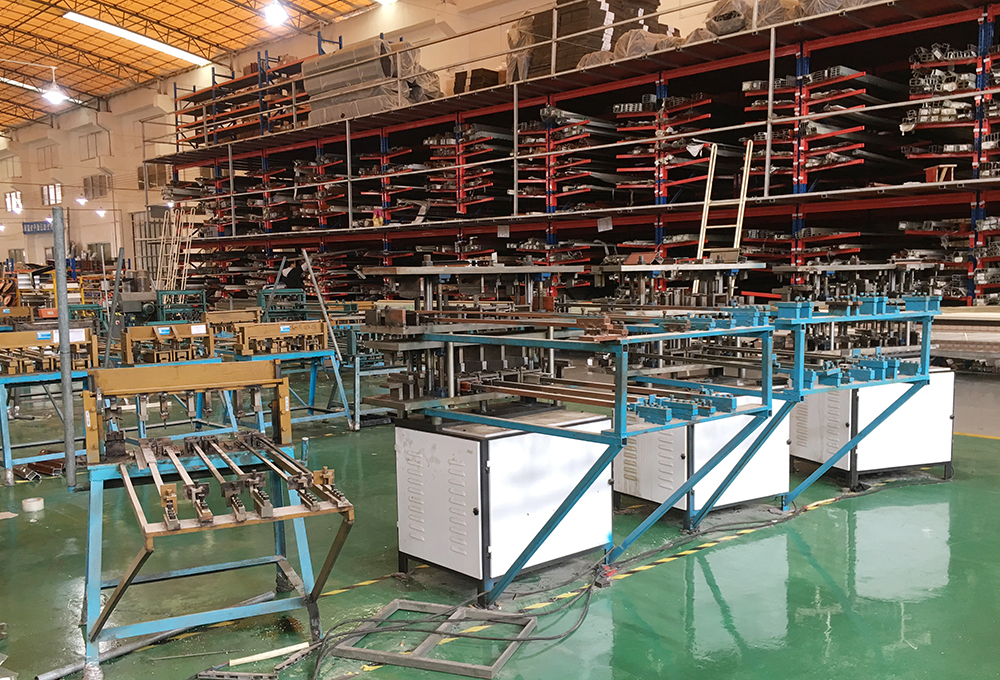
Plant Area
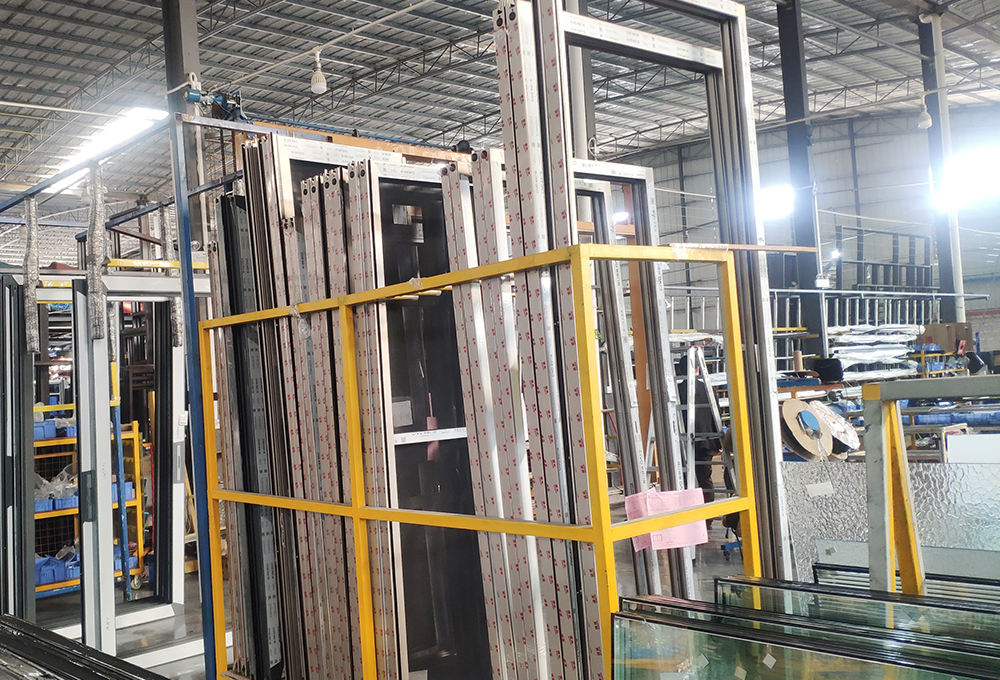
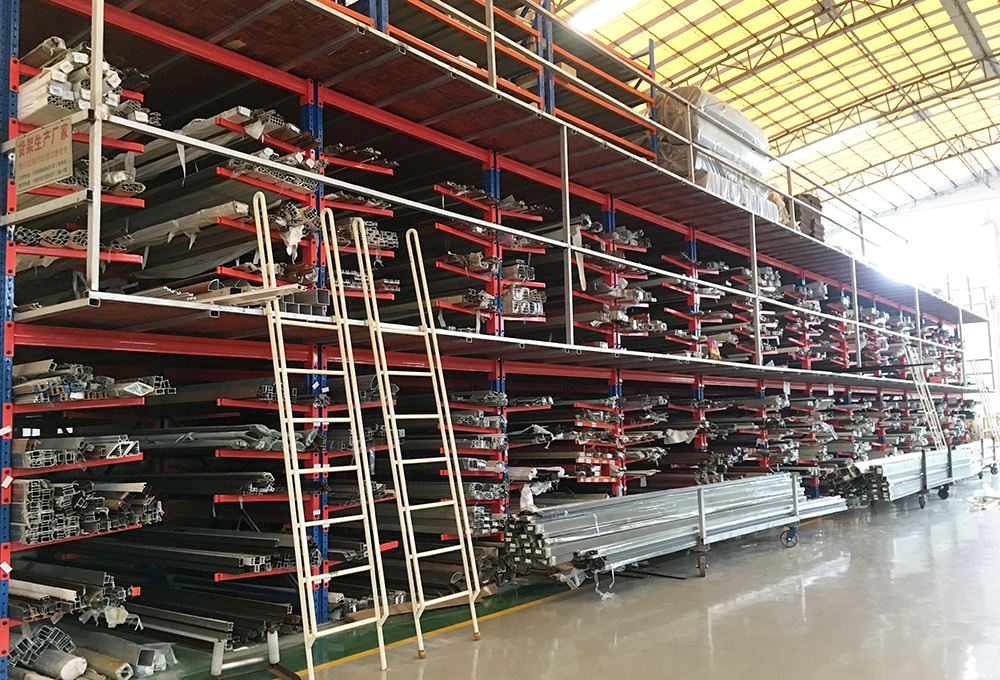
Standard Reserve Profile Warehouse
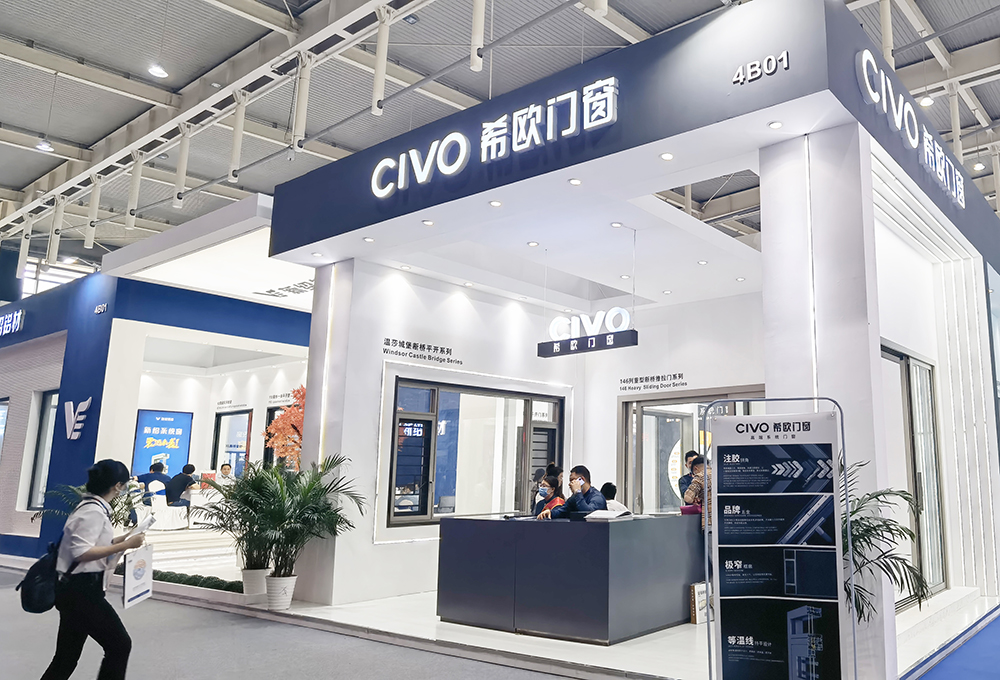
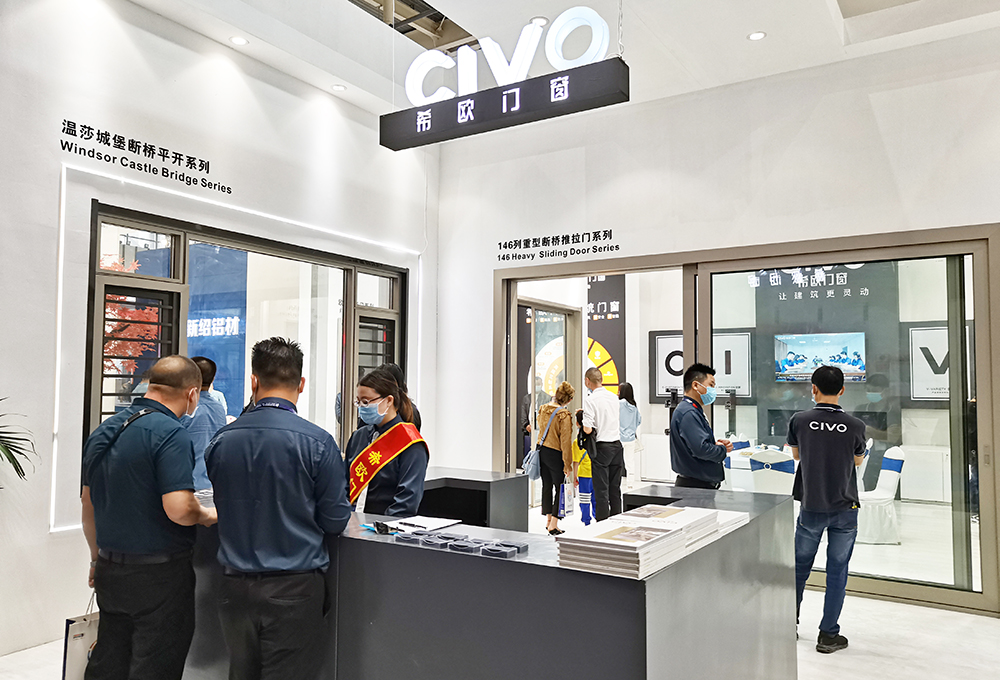
Exclusive Stores
The demand for high-wind aluminum insulated windows spans multiple sectors, each with unique performance requirements. As building codes adapt to extreme weather, these systems are transitioning from specialized solutions to standard requirements in modern construction.
Coastal zones are characterized by a combination of high winds, wind-driven rain, and corrosive salt spray. Windows in these areas must resist both structural deflection and water penetration while protecting the interior from salt-induced corrosion. High-performance aluminum systems designed for coastal use feature marine-grade powder coatings or anodized finishes alongside multi-layered glazing. In high-rise residential towers, where wind speeds increase with height, these windows prevent water intrusion under high pressure, safeguarding interior finishes and maintaining occupant comfort.
Mountainous environments present a different challenge: sudden, violent wind gusts combined with extreme temperature fluctuations. In these areas, the thermal performance (U-value) of the window is critical to prevent condensation and freeze-thaw damage within the frame. Aluminum insulated windows with wide thermal breaks and triple-pane insulated glass units (IGUs) provide the thermal resistance needed to keep interiors warm, while their structural frames withstand high-altitude wind loads.
For commercial buildings, schools, and hospitals, safety and operational continuity are paramount. In storm-prone regions, these structures often serve as emergency shelters. Windows must remain intact during severe weather events to protect occupants and prevent wind-driven rain from causing extensive water damage. Heavy-duty aluminum profiles with reinforced steel or aluminum inserts provide the structural capacity required for these large-span commercial openings.
The market for high-wind insulated windows is evolving rapidly, driven by several key trends:
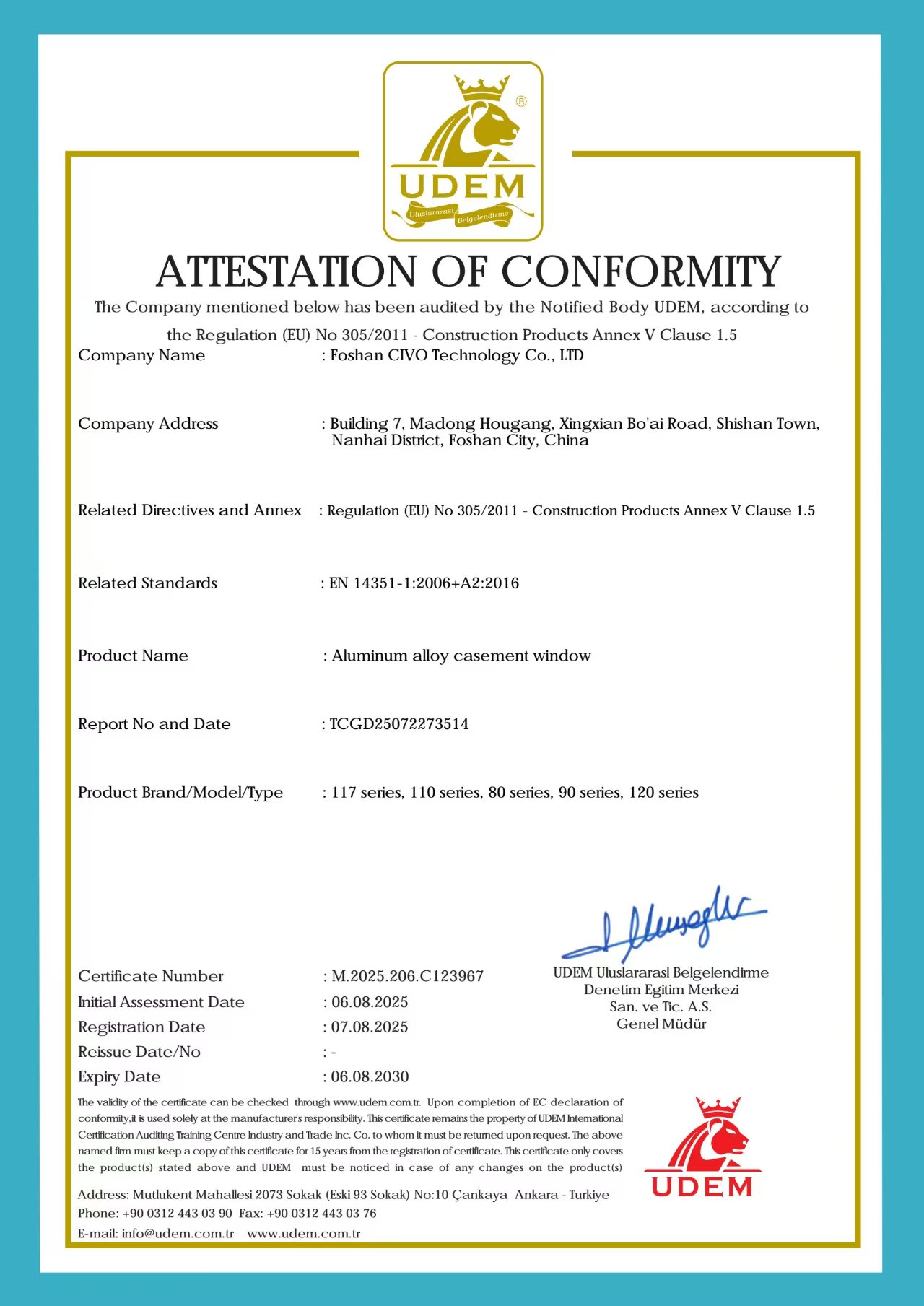

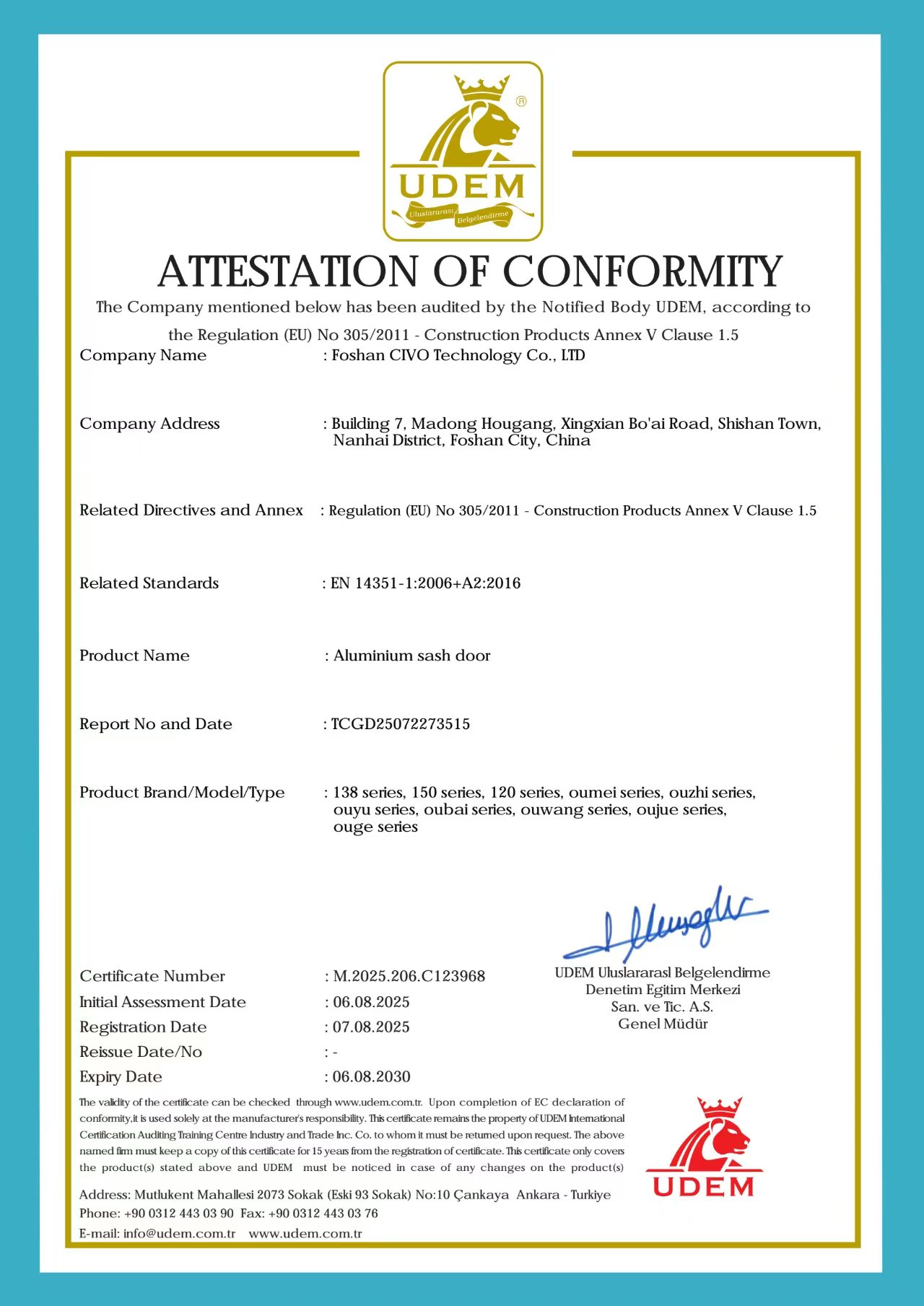



Explore our range of thermal broken system windows, designed to provide structural security and thermal efficiency in high-wind environments.