Windows Doors Manufacturer

Leave Your Message
Need Project Quote?
Chat With Us Now
Chat With Us Now
Windows Doors Manufacturer
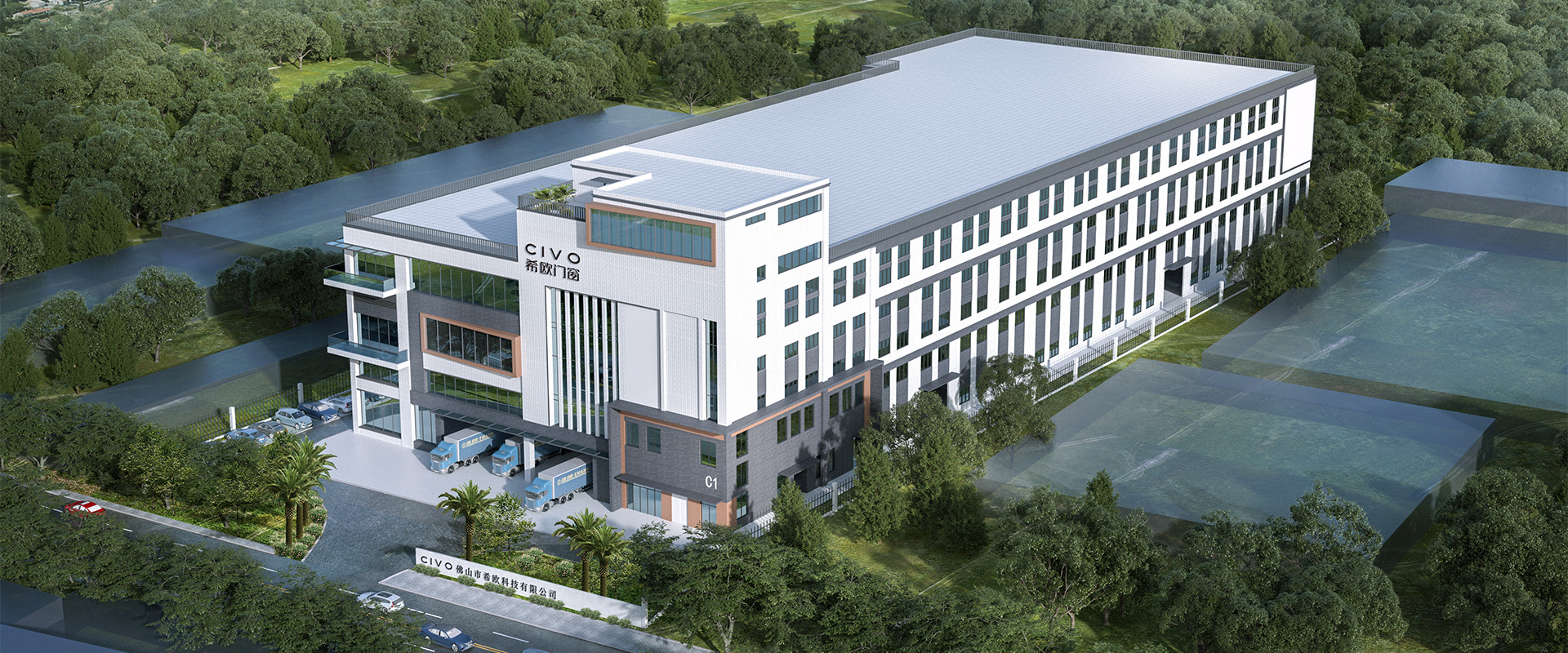
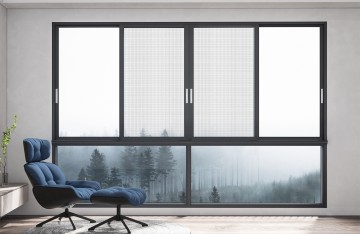
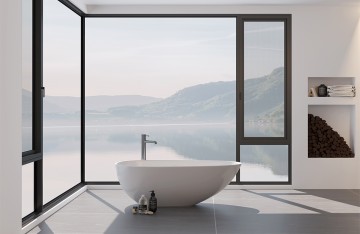
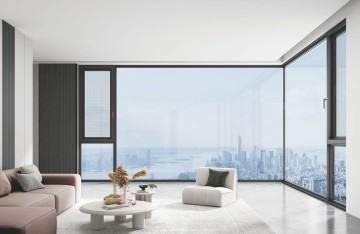
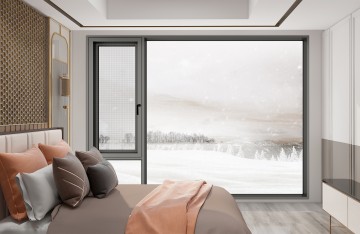
Explore our premium thermal broken configurations designed to optimize natural ventilation and security in low-rise residential and commercial developments.
Modern low-rise buildings, spanning from suburban residential estates and luxury villas to boutique commercial centers and school campuses, present unique architectural challenges. Unlike high-rise structures that must primarily contend with extreme vertical wind loads, low-rise buildings demand a delicate balance of natural ventilation, solar shade, privacy, security, and integration with the surrounding micro-climate. The aluminum louver window for low-rise buildings has emerged as a cornerstone solution, addressing these multifaceted demands while enhancing the visual identity of the structure.
Historically, louver windows were viewed as simple utility components, restricted to warehouses or basic residential bathrooms. However, the integration of premium structural aluminum alloys (such as 6063-T5 or T6) and advanced thermal break technology has revolutionized their application. Today, architects utilize aluminum louver window systems to design responsive facades that actively interact with the environment, controlling daylight entry, minimizing thermal bridges, and facilitating natural air circulation without compromising safety.
Industry Insight: The global shift toward sustainable and passive building designs has accelerated the demand for high-performance louver systems. By optimizing air exchange and reducing reliance on mechanical HVAC systems, aluminum louver windows play a critical role in achieving green building certifications such as LEED and BREEAM for low-rise developments.
When designing window systems for low-rise structures, material longevity and maintenance are paramount. Aluminum stands superior to wood and uPVC due to several key factors:
Low-rise architectures benefit immensely from strategic placement of louver systems. Below, we analyze three primary application scenarios where aluminum louver windows deliver maximum functional and aesthetic value.
In low-density residential developments, privacy and indoor environmental quality (IEQ) are top priorities. Traditional windows often force a compromise: opening them for fresh air sacrifices privacy and invites external noise. Aluminum louver windows solve this dilemma. By adjusting the blade angle, homeowners can direct airflow upward or downward, blocking the direct line of sight from street level while maintaining continuous natural ventilation. Furthermore, when integrated with high-performance fly screens and security meshes, these windows protect against intruders and insects, even when the louvers are fully open.
Schools, libraries, and community centers require abundant natural light and high ventilation rates to maintain a healthy indoor environment. Standard casement or sliding windows can pose safety hazards for children if opened wide at upper levels. Louver windows provide a secure alternative. The restricted opening gap between individual blades prevents falls while maximizing the total free ventilation area. Additionally, automated louver systems can be connected to the school's central building management system (BMS) to flush the building with cool night air, reducing daytime cooling loads.
Low-rise commercial projects in coastal regions face severe weather risks, including tropical storms and high wind pressures. Heavy-duty aluminum louver windows engineered with reinforced frames and marine-grade finishes are designed to withstand these harsh conditions. During severe weather, the louvers can be tightly sealed, utilizing multi-point locking systems and EPDM gaskets to prevent water ingress. In pleasant weather, they open wide to invite sea breezes, creating an open-air atmosphere that enhances the guest experience.
The modern aluminum louver window is no longer a static element. It has evolved into a smart, energy-efficient building envelope component. The integration of thermal break (broken bridge) technology represents a significant milestone. By inserting a polyamide barrier with low thermal conductivity between the interior and exterior aluminum profiles, thermal bridge effects are minimized. This ensures that heat remains outside during hot summer months and inside during winter, drastically lowering the building's carbon footprint.
As the Internet of Things (IoT) and smart home ecosystems become standard in low-rise luxury developments, louver windows are adapting. Smart actuators connected to temperature, rain, wind, and CO2 sensors allow the louver blades to adjust automatically. For example, if a sudden downpour is detected, the windows close immediately without human intervention. In dry, hot conditions, the system calculates the optimal angle to block direct solar radiation while allowing indirect daylight to illuminate the interior, reducing the energy consumed by artificial lighting.
At Foshan CIVO Technology Co., Ltd., we are at the forefront of these technological advancements. Our research and development center focuses on integrating high-end thermal insulation materials with robust mechanical structures to deliver system doors and windows that meet the stringent energy-saving standards of different global climate zones.
CIVO is a leading provider of architectural aluminum system solutions, integrating research and development, production, sales, and service of high-performance system door and window products.
With the core slogan "MAKE BUILDINGS MORE FLEXIBLE", CIVO is committed to delivering quality-oriented home building materials and providing high-end system doors and windows for global residential, commercial, and engineering projects.
According to different regional climates and architectural styles, CIVO develops high-quality, safe, and energy-efficient aluminum windows and doors to meet the diverse and rigorous requirements of our international clientele.
Contact Us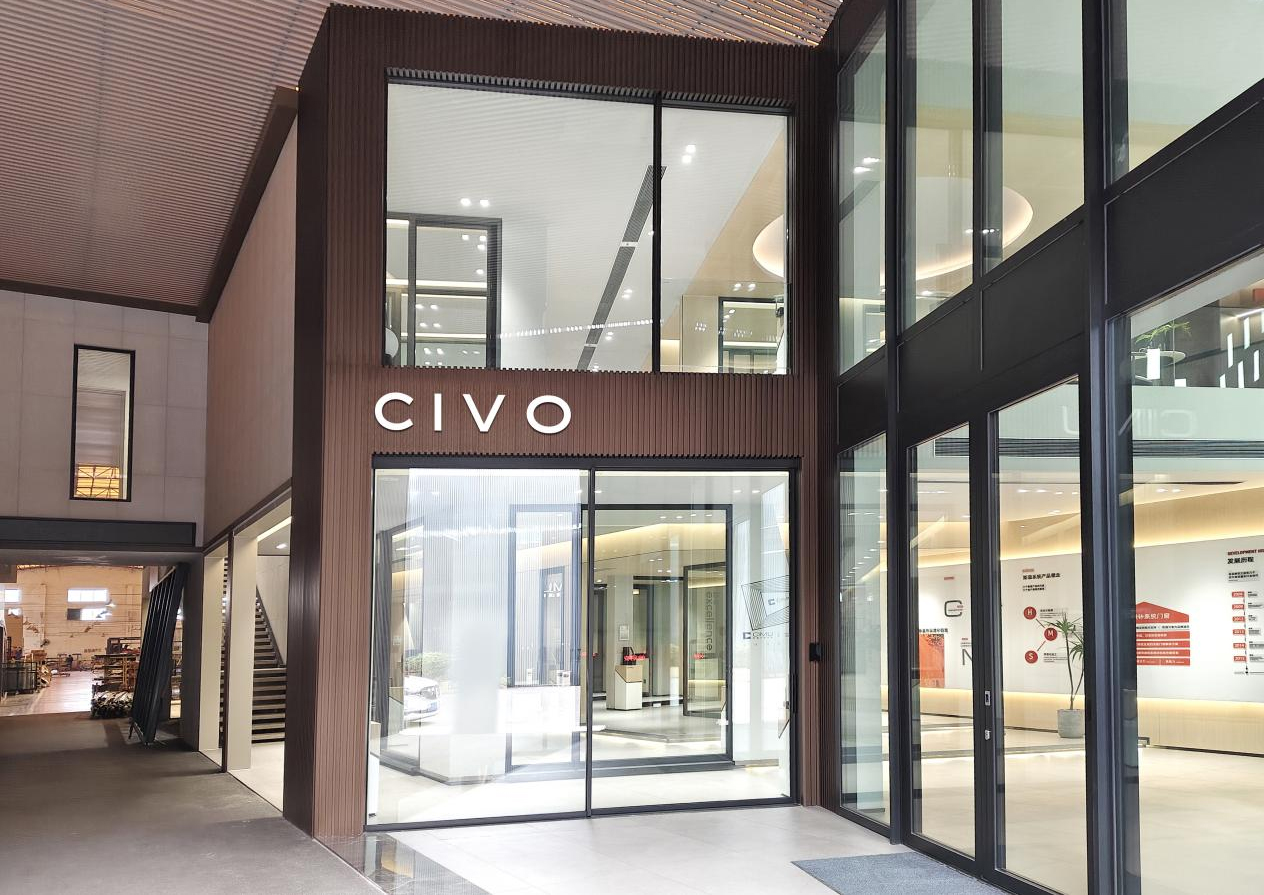
Established in 2016
Plant Area
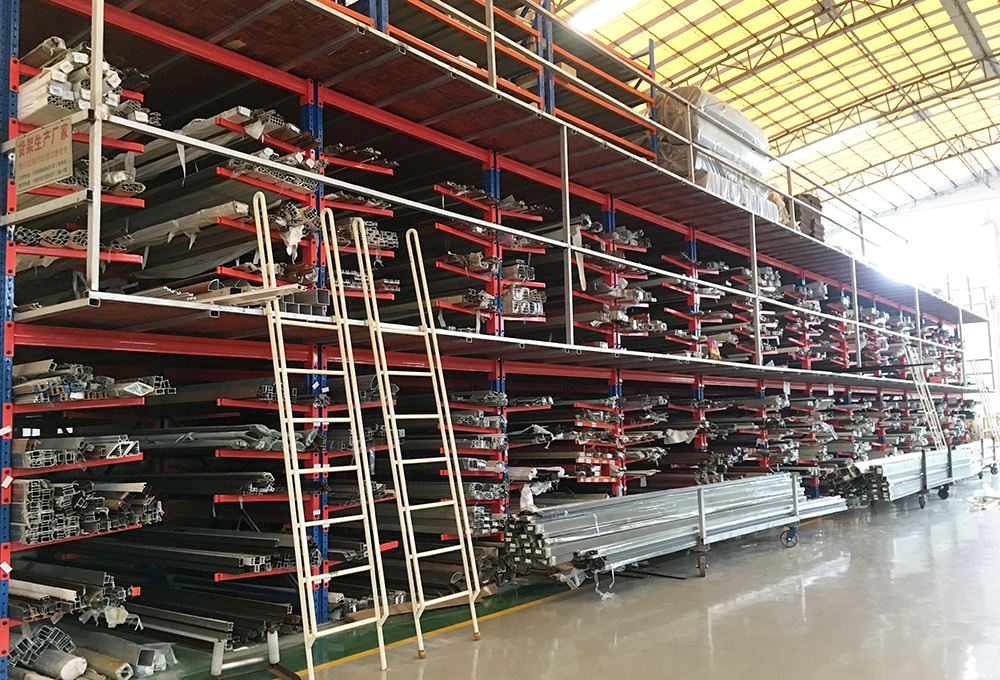
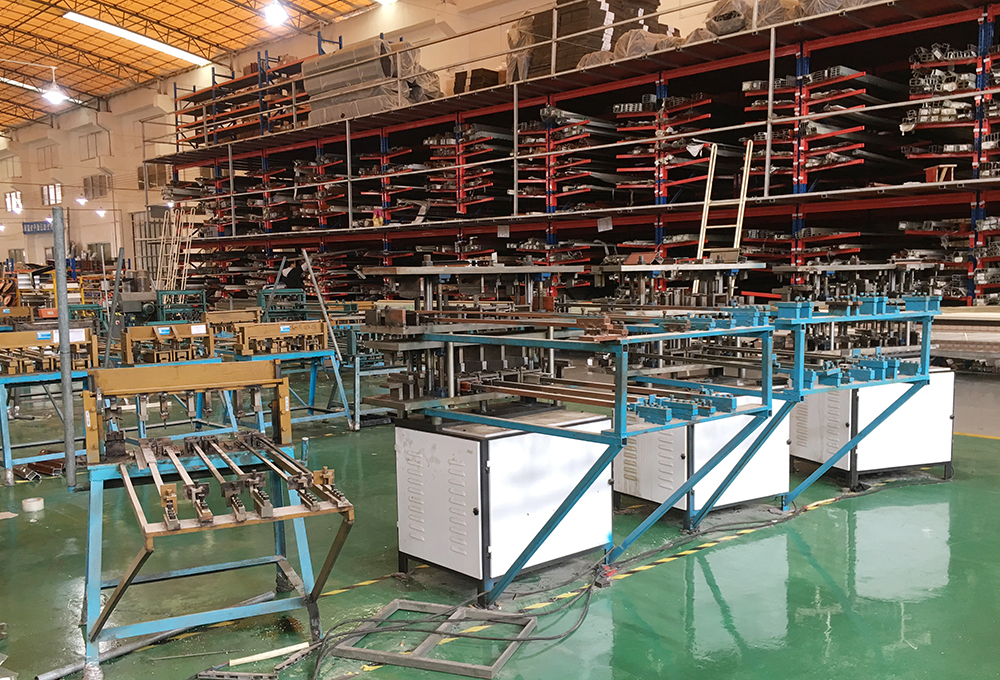
Standard Reserve Profile Warehouse
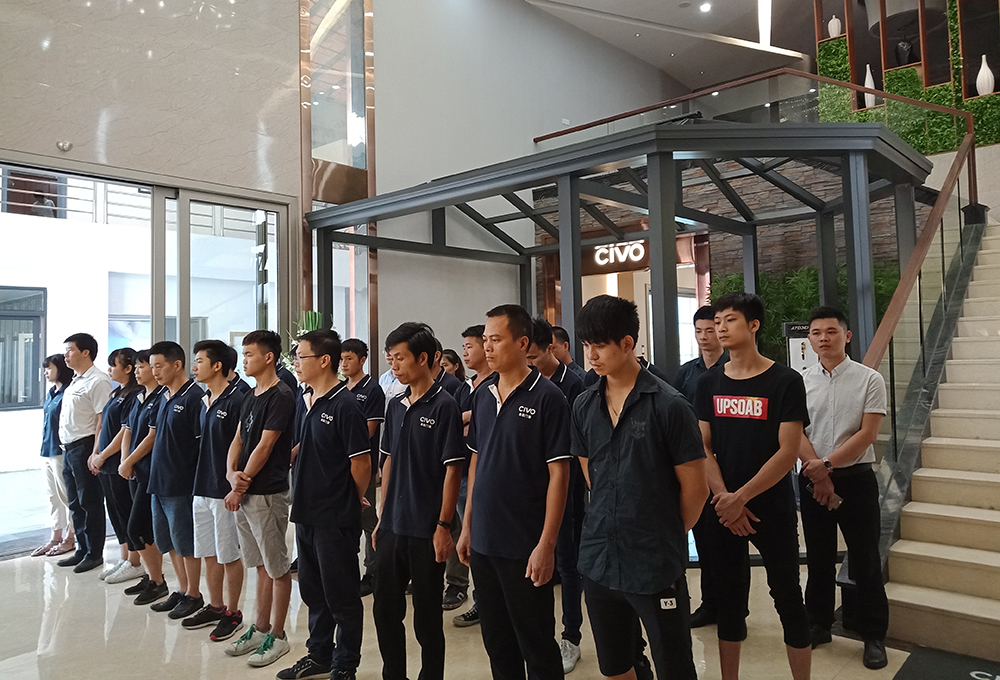
Exclusive Stores
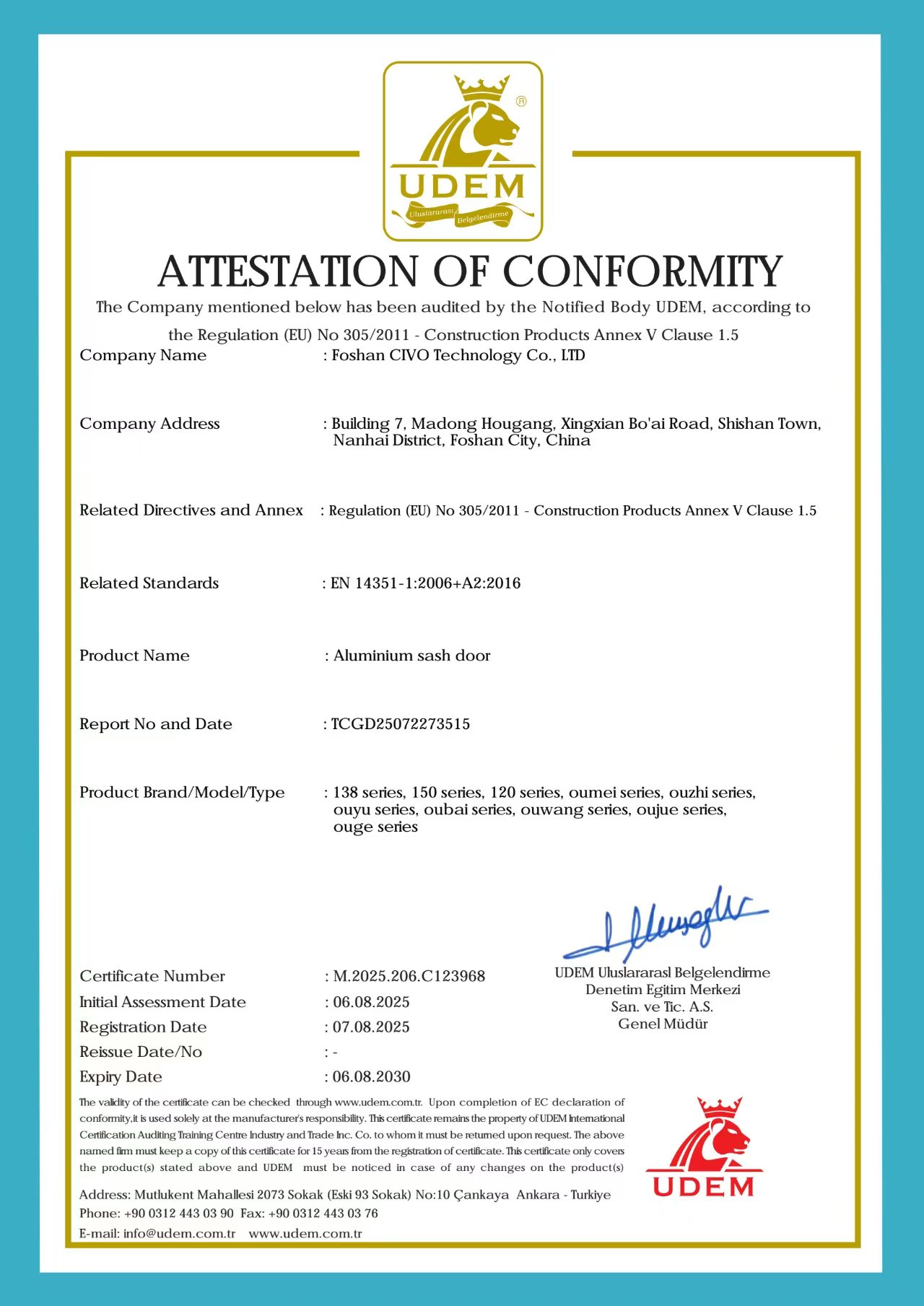
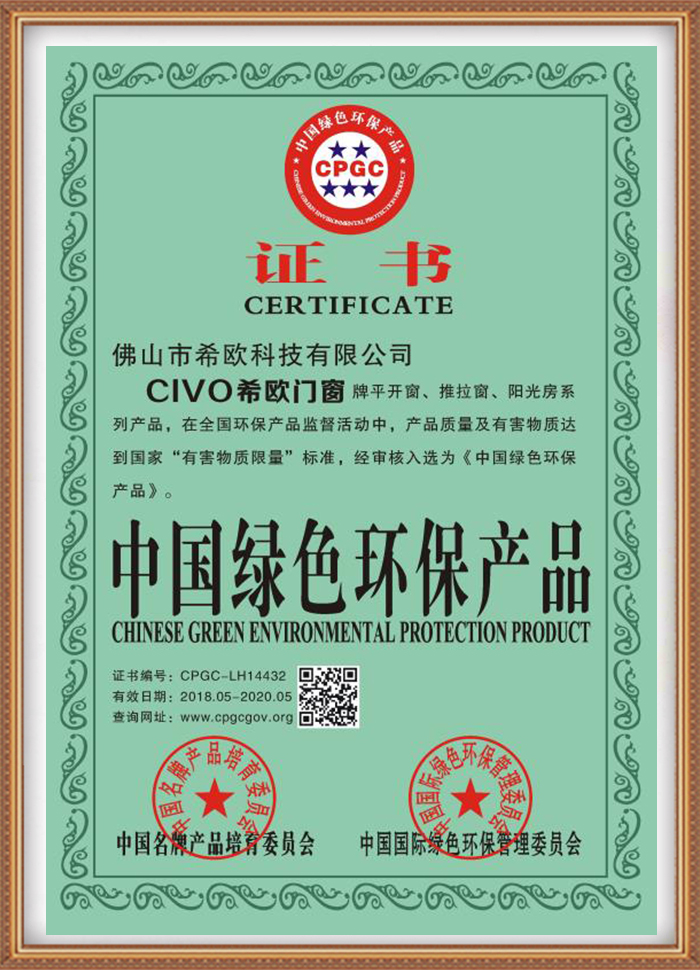
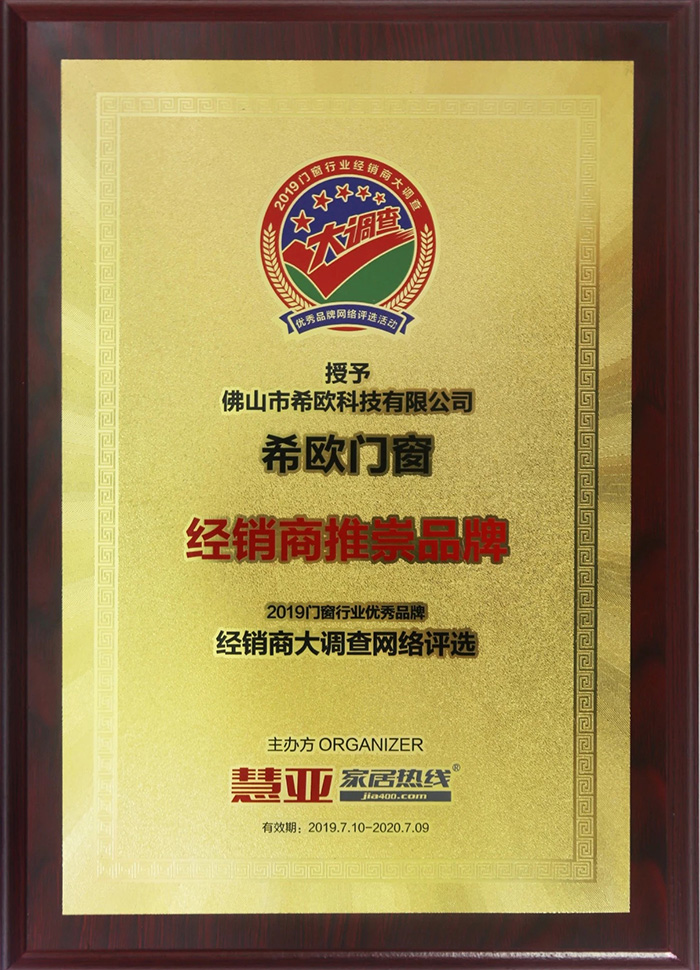
Our commitment to quality is validated by rigorous testing and international standard certifications, ensuring safety and compliance across global markets.
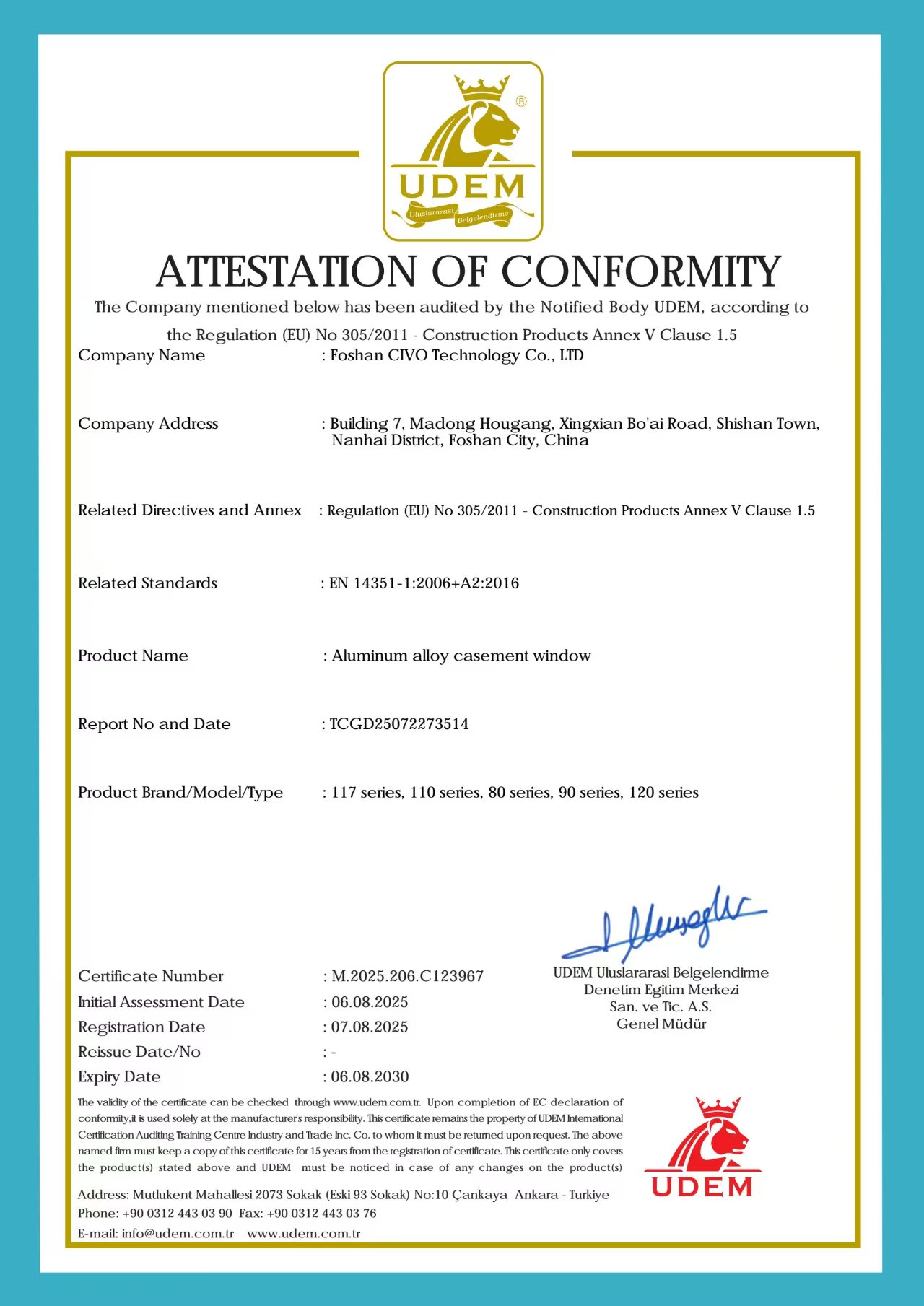
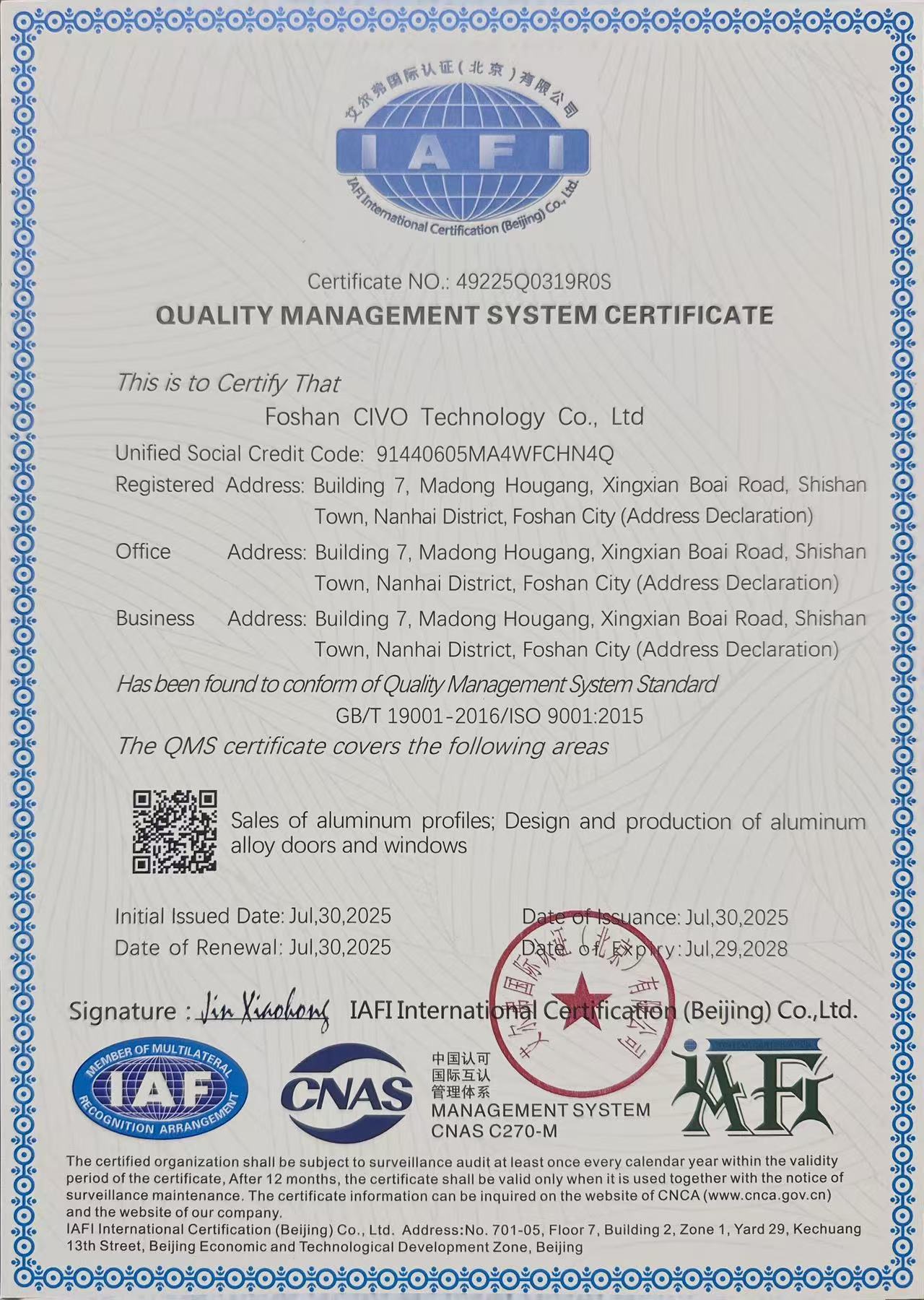
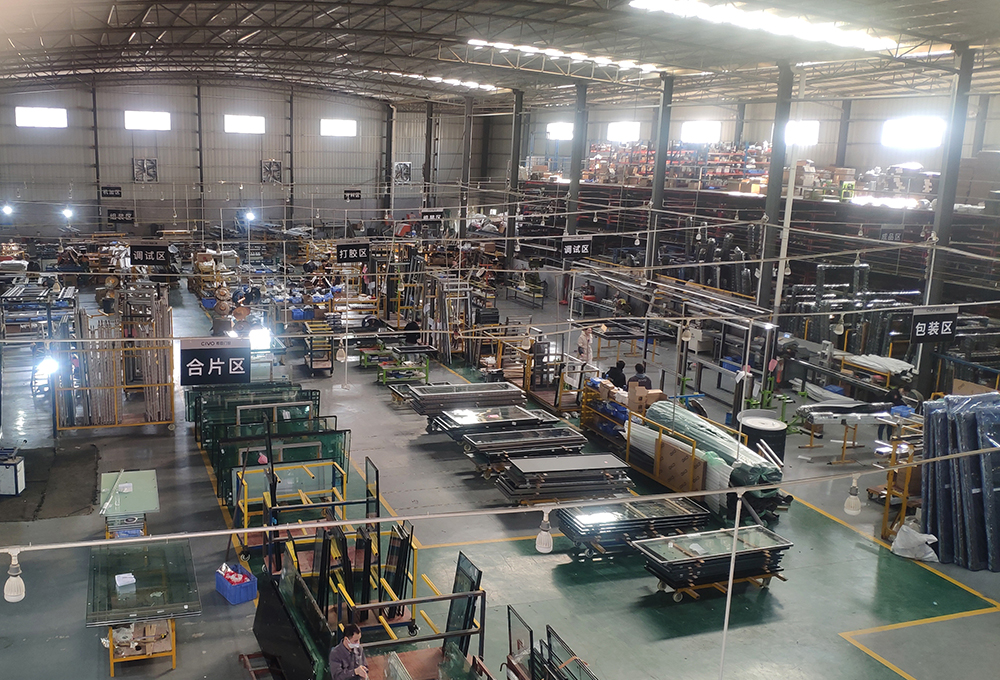
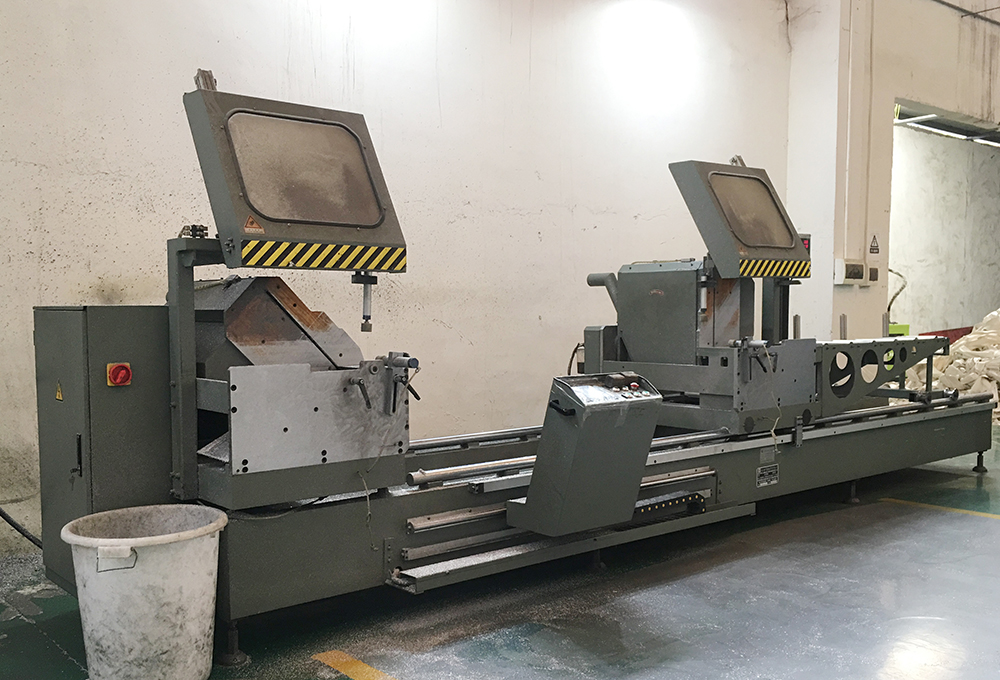
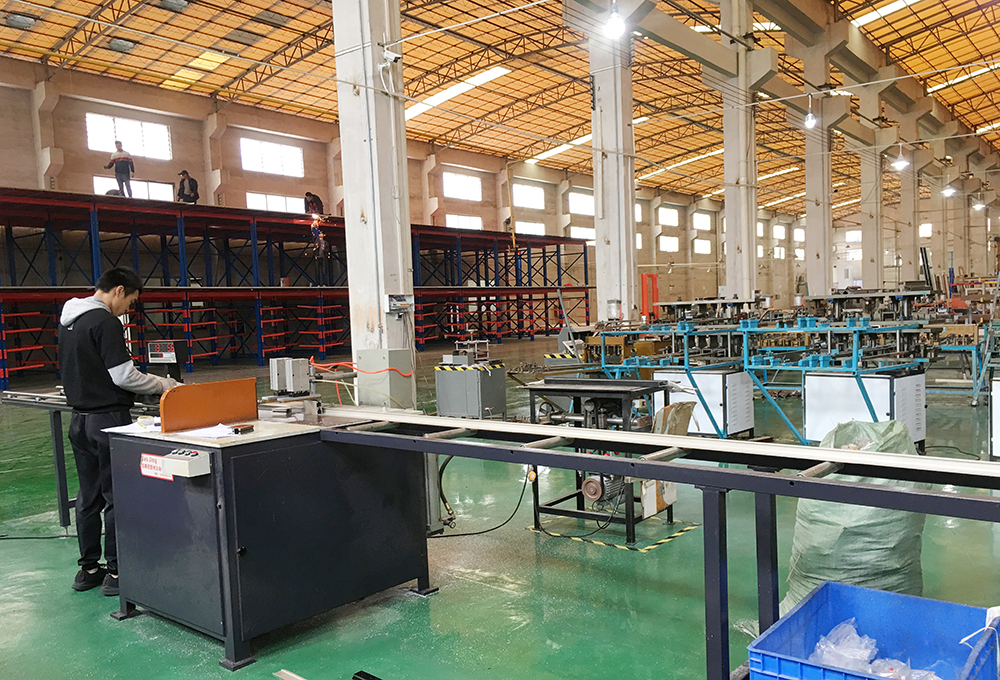
Step inside our 40,000㎡ manufacturing facility, where precision engineering and advanced logistics come together to produce world-class architectural systems.
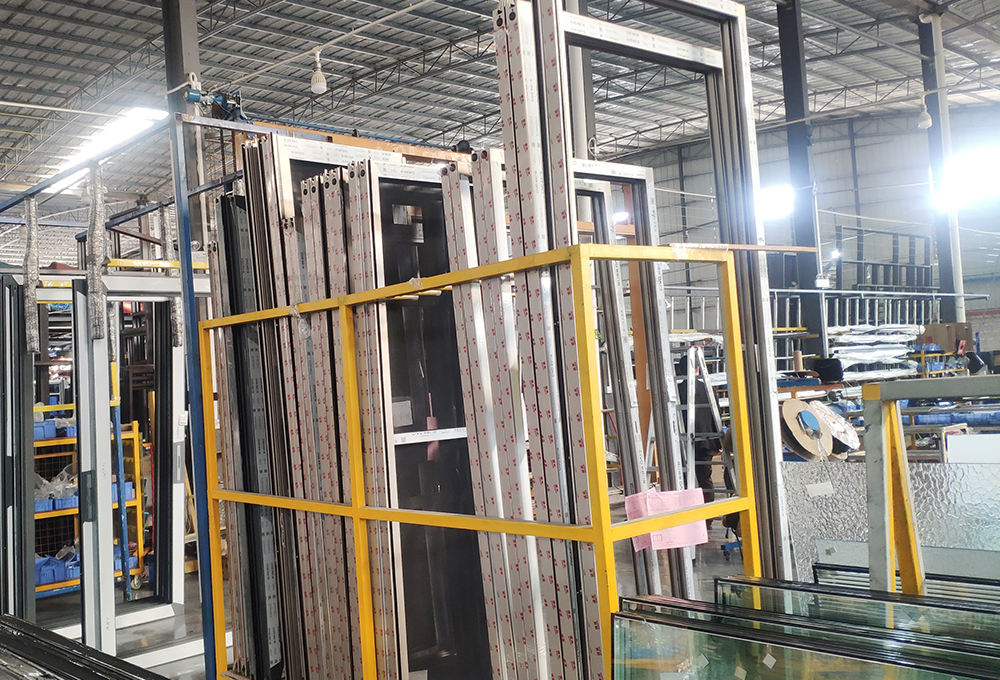
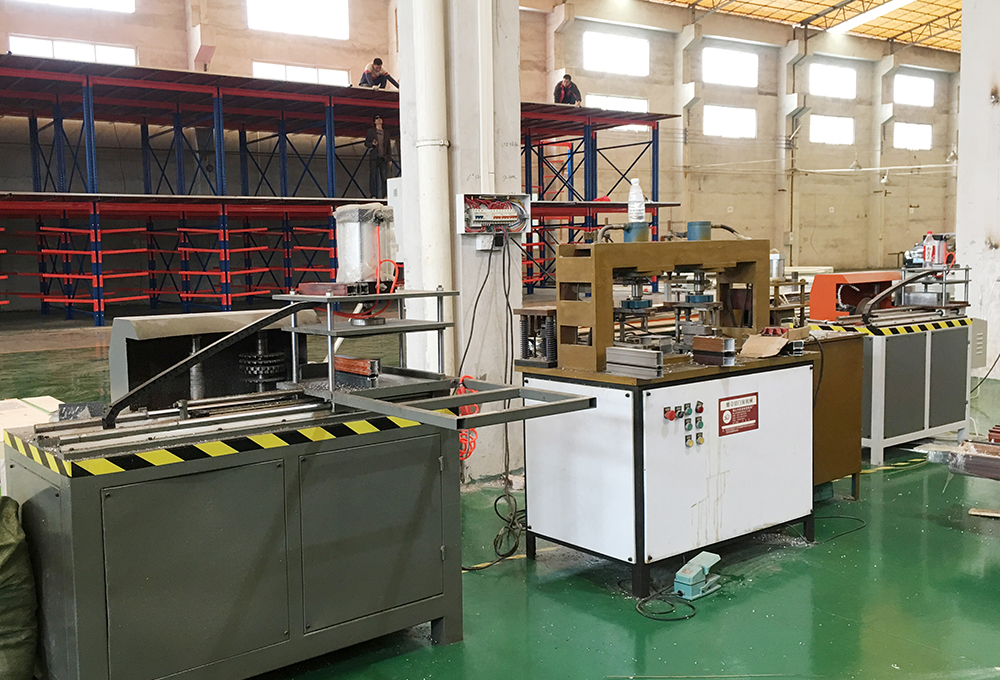
Leveraging state-of-the-art machinery to guarantee structural precision, seamless corner joints, and flawless finishes on every aluminum profile.
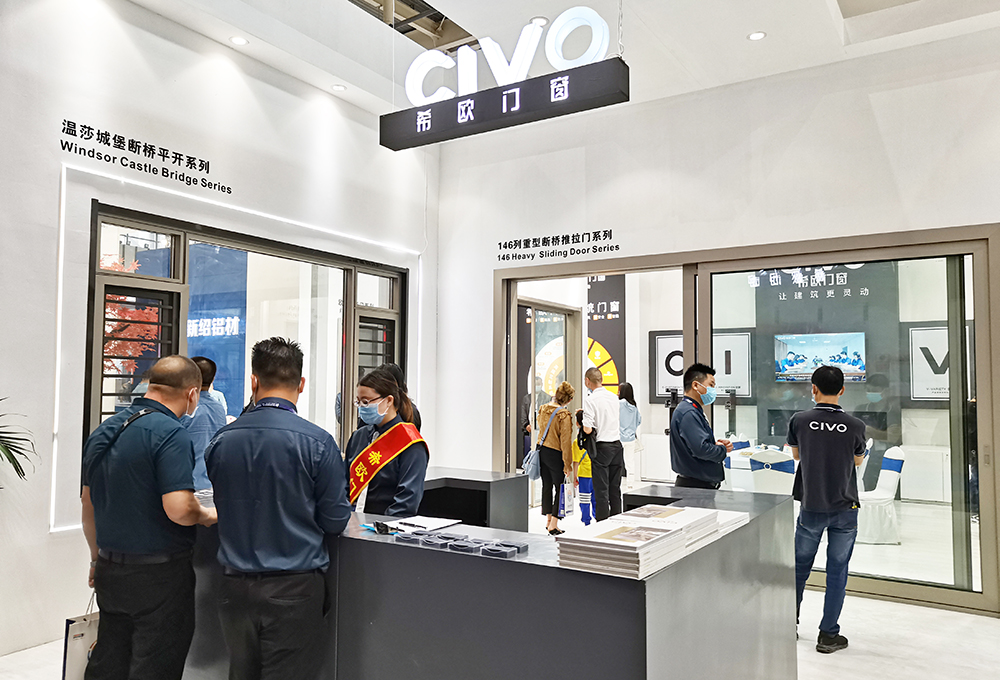
Connecting with global partners and displaying our latest window and door designs at leading international building material trade shows.
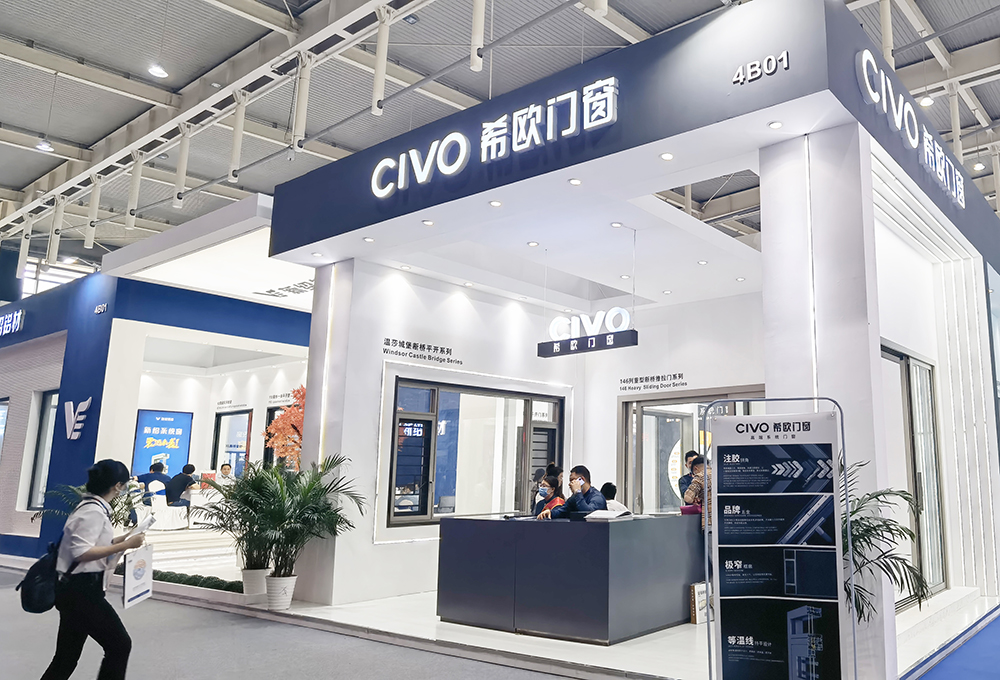
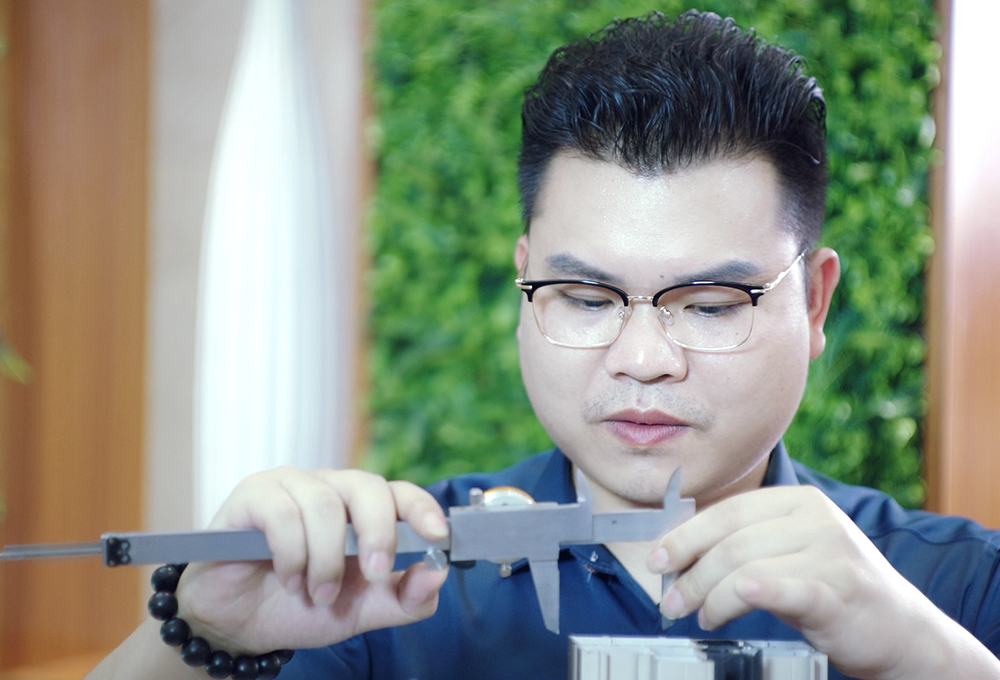
Innovation is at our core. Our R&D center continuously tests new thermal barriers, structural reinforcements, and acoustic solutions.


Browse our complete selection of high-performance architectural windows, customizable for low-rise commercial, residential, and industrial applications.