Windows Doors Manufacturer

Leave Your Message
Need Project Quote?
Chat With Us Now
Chat With Us Now
Windows Doors Manufacturer
Engineered for high load-bearing capacity, superior thermal insulation, and seamless integration into modern commercial architecture.
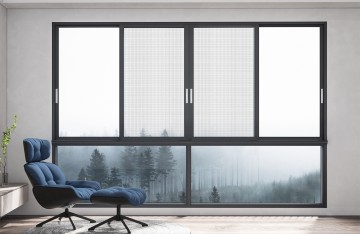
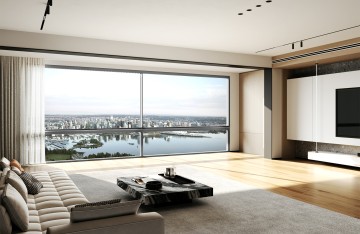
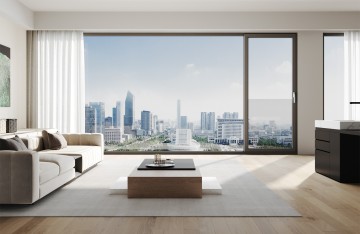
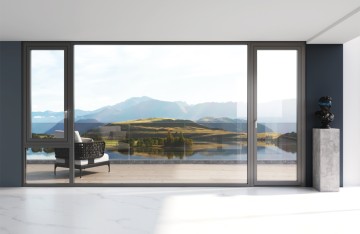
In the contemporary architecture landscape, the demand for structural integrity, aesthetic transparency, and environmental sustainability has pushed aluminum sliding windows to the forefront of commercial building design. Unlike residential installations, commercial systems must withstand extreme wind loads, severe weather conditions, and continuous operational cycles. As high-rise office towers, modern retail complexes, and upscale corporate headquarters continue to define urban skylines, heavy-duty aluminum sliding systems have evolved from simple functional apertures into sophisticated, engineered building envelope components.
The global transition toward green building certifications, such as LEED and BREEAM, has fundamentally altered the manufacturing specifications of aluminum fenestration. Modern commercial projects require windows with exceptionally low U-factors and high Solar Heat Gain Coefficients (SHGC). This has catalyzed the widespread adoption of thermal break technology. By inserting a reinforced polyamide thermal barrier between the interior and exterior aluminum profiles, manufacturers have successfully mitigated the metal's natural thermal conductivity. This ensures that massive glazed surfaces no longer compromise the building's overall thermal envelope, directly reducing HVAC energy consumption and operational carbon footprints.
Utilizing high-tensile 6063-T5/T6 aluminum alloys designed to withstand heavy wind loads in high-rise applications.
Advanced multi-cavity polyamide thermal breaks that dramatically lower U-values and prevent heat transfer.
Integrated multi-point locking systems and anti-lift hardware to protect commercial assets and human life.
The intersection of IoT (Internet of Things) and building automation has introduced a new era of "smart fenestration." Today's aluminum sliding windows for commercial buildings are frequently integrated with automated actuators, allowing them to communicate with the building management system (BMS). These systems automatically adjust window openings based on real-time internal CO2 levels, relative humidity, and outdoor weather forecasts, facilitating natural night ventilation and lowering reliance on mechanical air conditioning.
Furthermore, the aesthetic trend toward minimalism has driven the development of ultra-slim sightline sliding systems. Architects no longer want bulky profiles obstructing panoramic views. Engineering high-performance sliding windows with narrow interlocking stiles (often less than 30mm) while maintaining structural integrity requires precision engineering. High-performance double and triple glazing units, filled with argon gas and coated with low-emissivity (Low-E) layers, are paired with these slim frames to provide optimal acoustic isolation—a critical requirement for commercial buildings situated in noisy urban centers.
Aluminum sliding windows are not a one-size-fits-all solution; their design configurations vary drastically based on the specific commercial application:
In high-altitude environments, wind pressure increases exponentially. Systems like the 140 thermal broken suspension sliding window are utilized due to their superior structural deflection ratings and advanced drainage systems. They allow natural ventilation in office spaces, improving indoor air quality and employee cognitive performance while remaining completely airtight during storms.
Hotels and luxury resorts demand seamless transitions between indoor suites and outdoor balconies. Large-scale sliding systems, including lift-and-slide variants, allow massive glass panels weighing up to 400kg to slide effortlessly with a single hand. This maximizes panoramic views and natural light, directly enhancing the guest experience.
Retail storefronts require high transparency to display merchandise alongside high durability to endure constant public usage. Heavy-duty sliding mechanisms with low-threshold profiles ensure barrier-free, ADA-compliant access for all customers while maintaining high thermal efficiency during off-hours.
Schools and hospitals prioritize safety, ease of maintenance, and acoustic dampening. Windows must prevent accidental falls while allowing controlled ventilation. Specialized side-press and integrated screen sliding windows offer secure ventilation limiters, keeping occupants safe while ensuring a quiet, healing, or learning environment.
By choosing the correct structural profile and glass configuration, developers can optimize daylighting, control solar heat gain, and minimize acoustic pollution, creating highly productive and comfortable interior spaces.
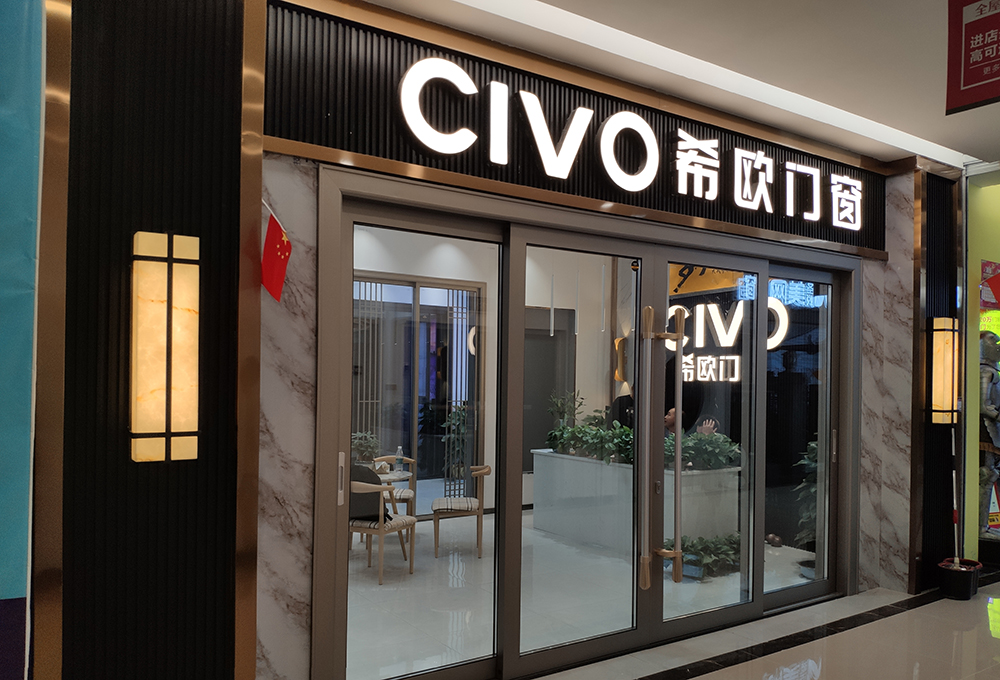
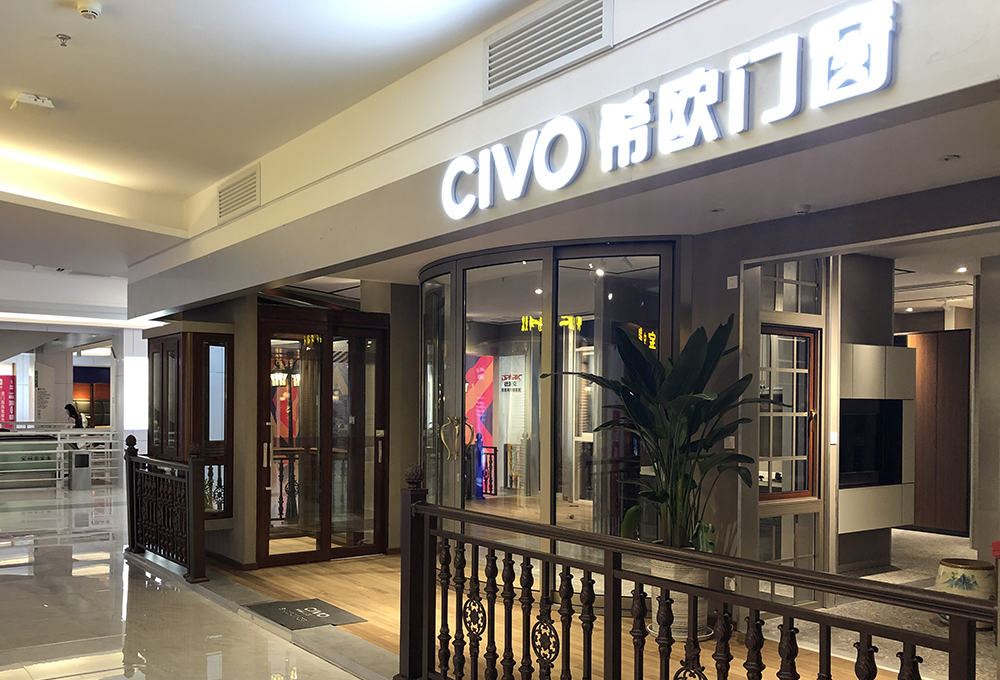
CIVO is a provider of architectural aluminum system solutions, integrating research and development, production, sales, and service of system door and window products. With the slogan “MAKE BUILDINGS MORE FLEXIBLE,” the CIVO brand is committed to delivering quality-oriented home and commercial building materials, enabling countless projects to experience the unique charm of high-end system doors and windows.
According to the geographical climate and local architectural styles of different regions, CIVO has developed a series of high-quality, safe, and energy-efficient products designed to meet the needs of high-end consumer groups. Since its establishment, CIVO has taken product safety as its core responsibility, ensuring that every product reflects its commitment to durability, performance, and security.
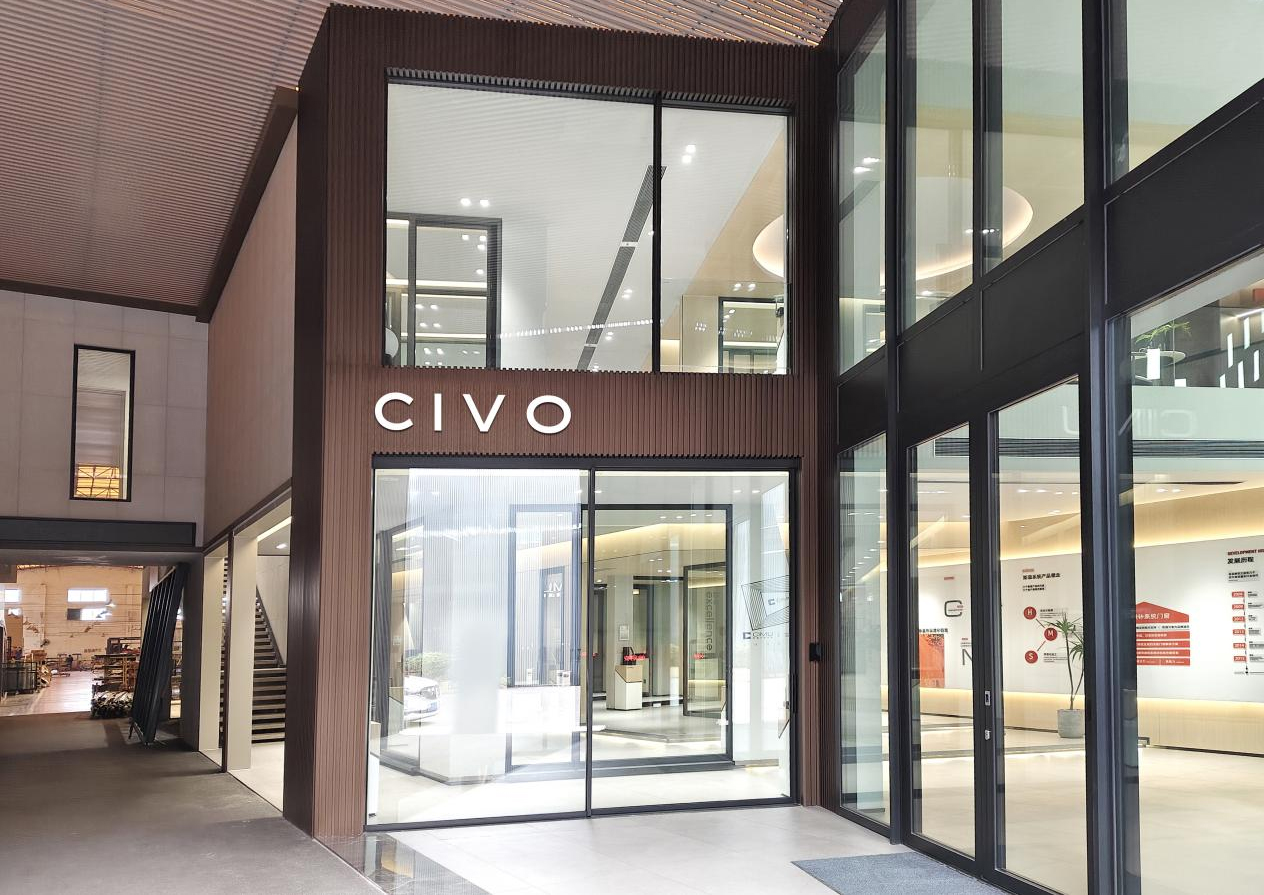
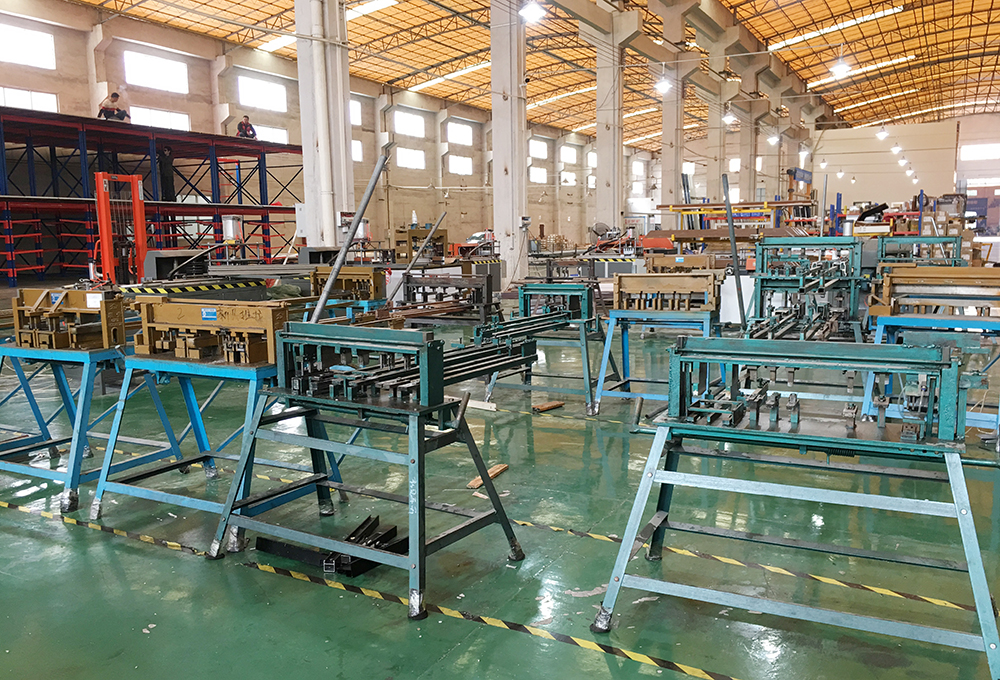
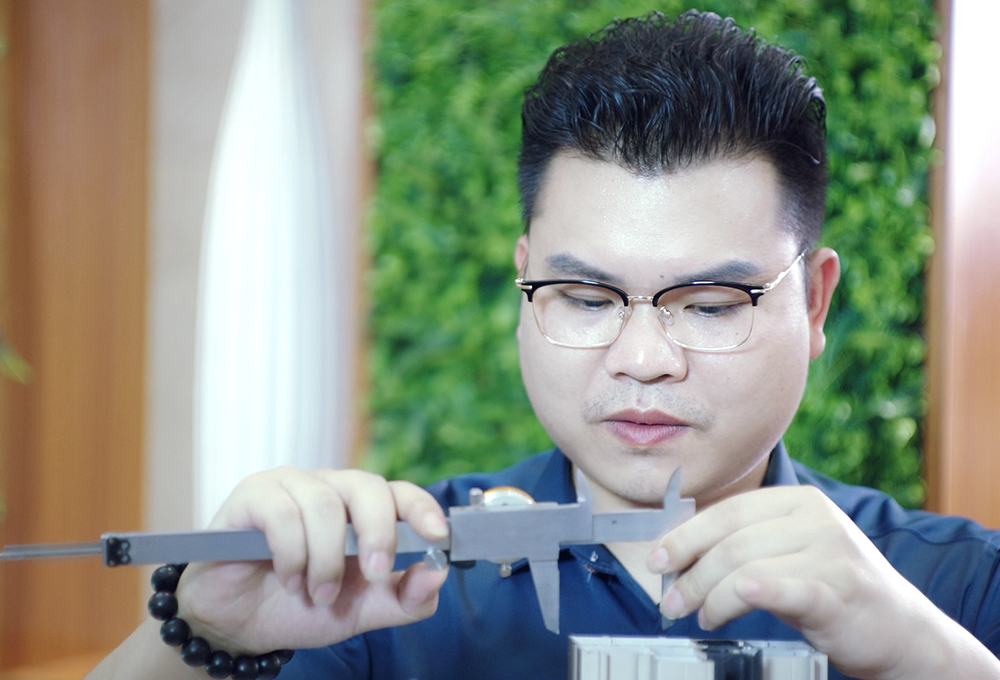
Precision manufacturing ensures that every aluminum sliding window meets rigorous international standards for commercial structures.
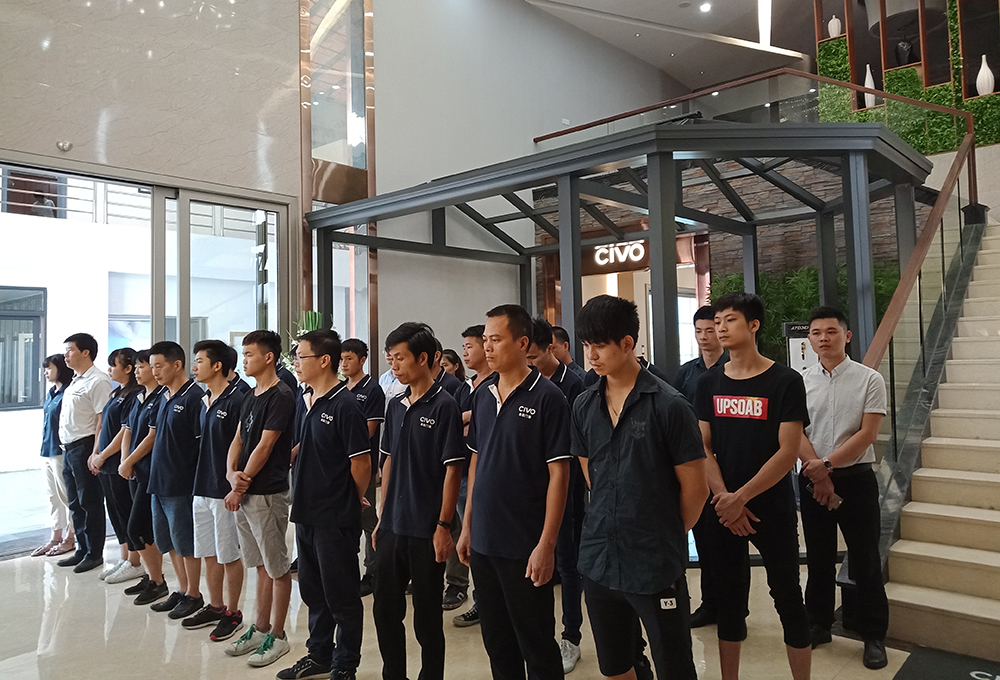
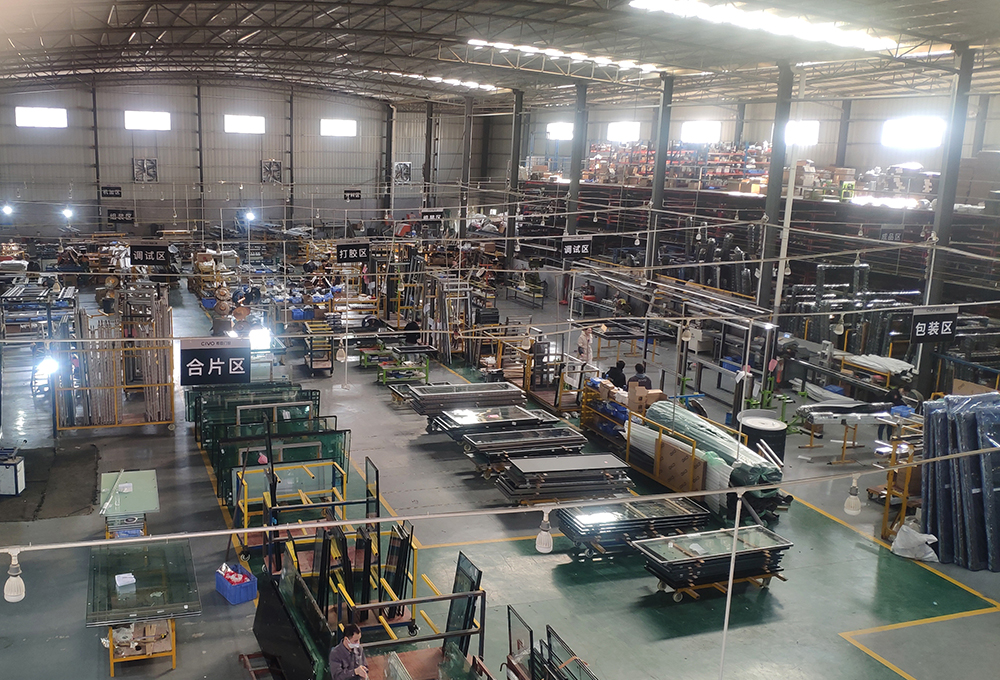
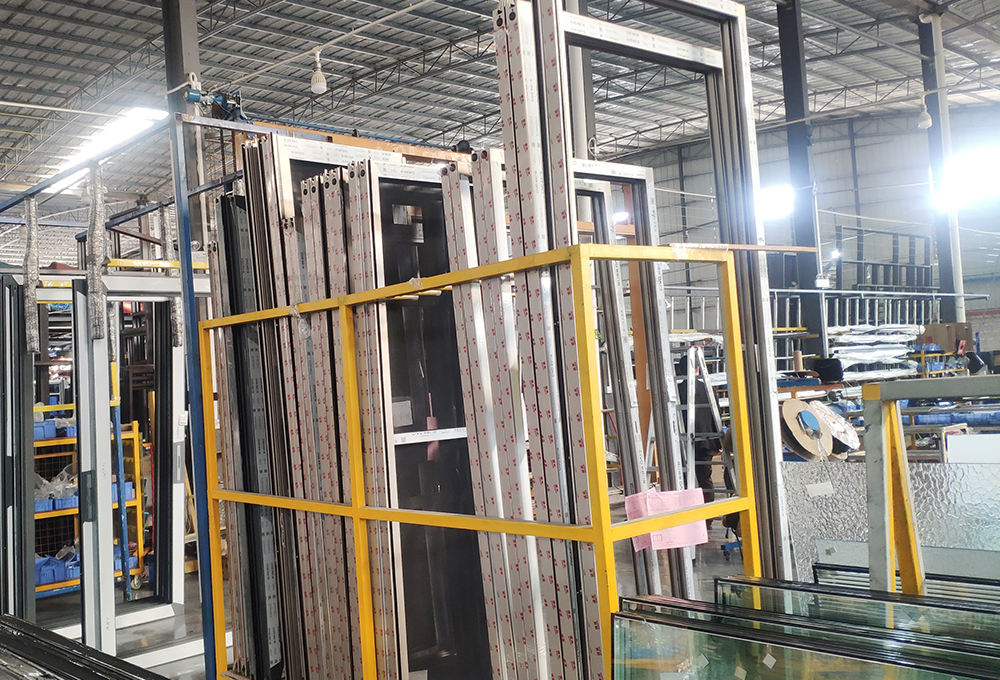
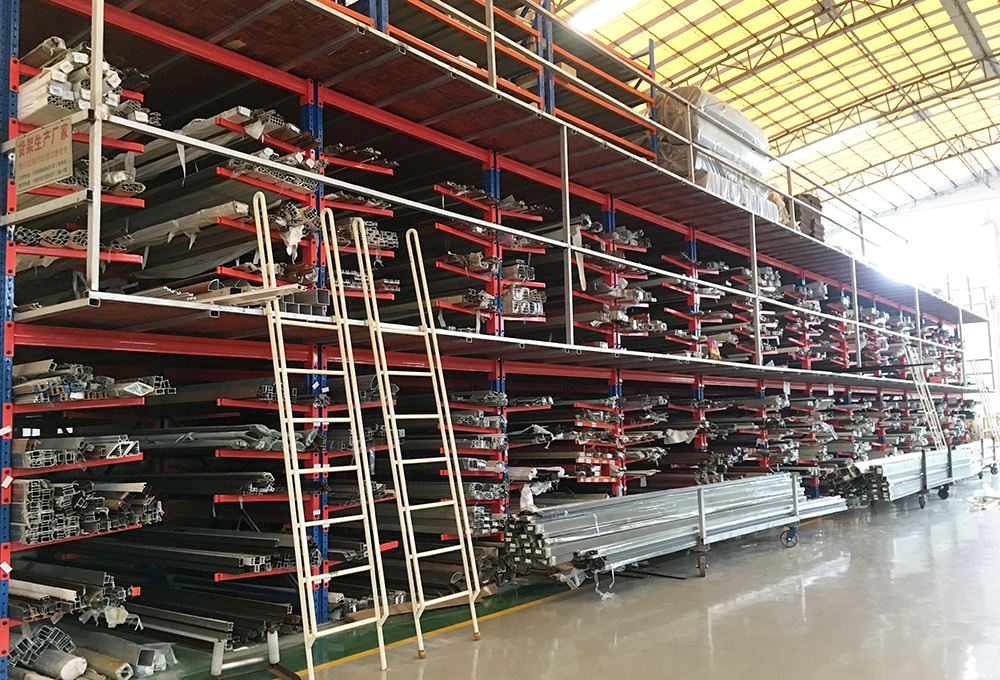
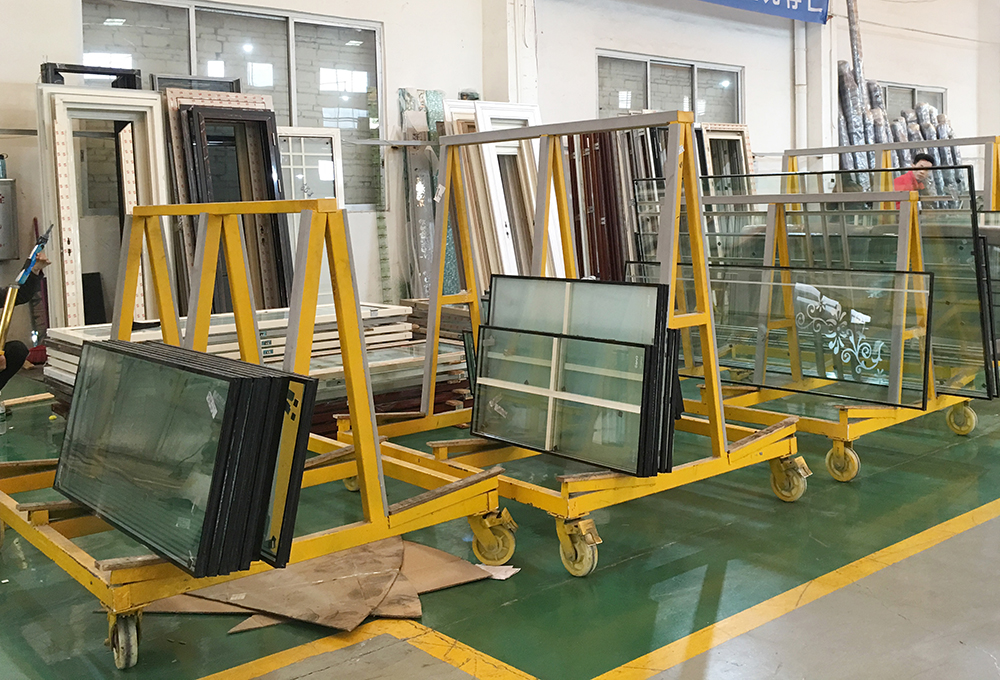
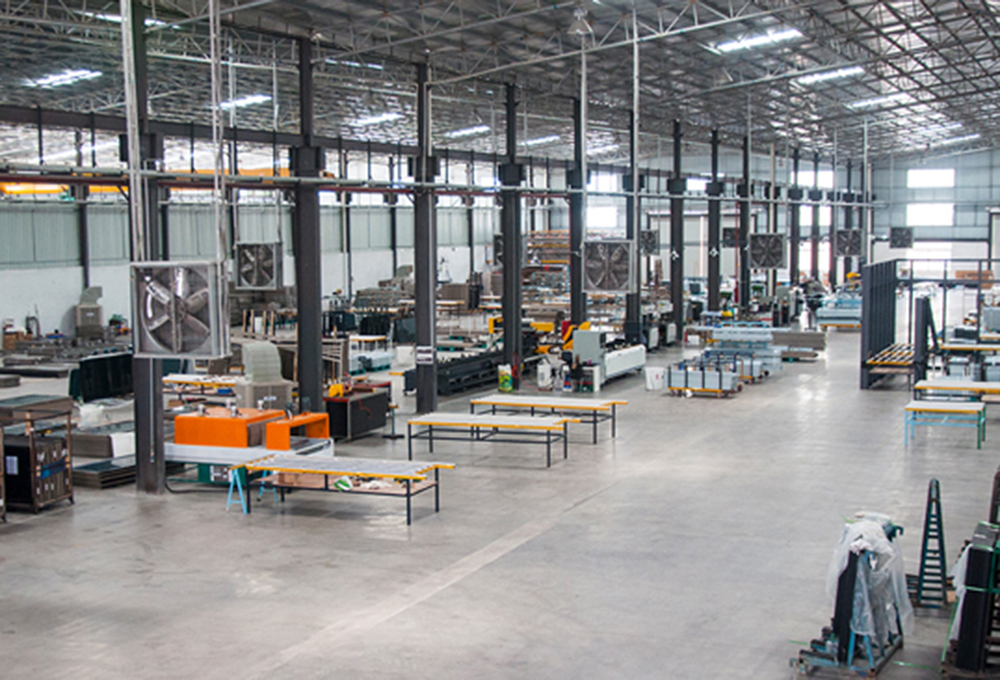
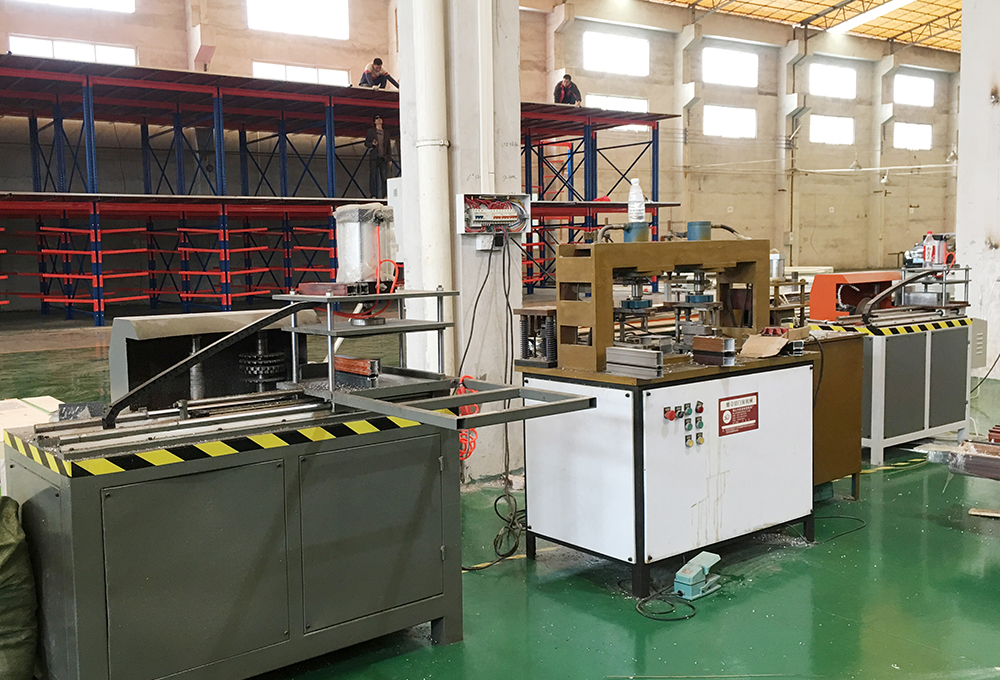
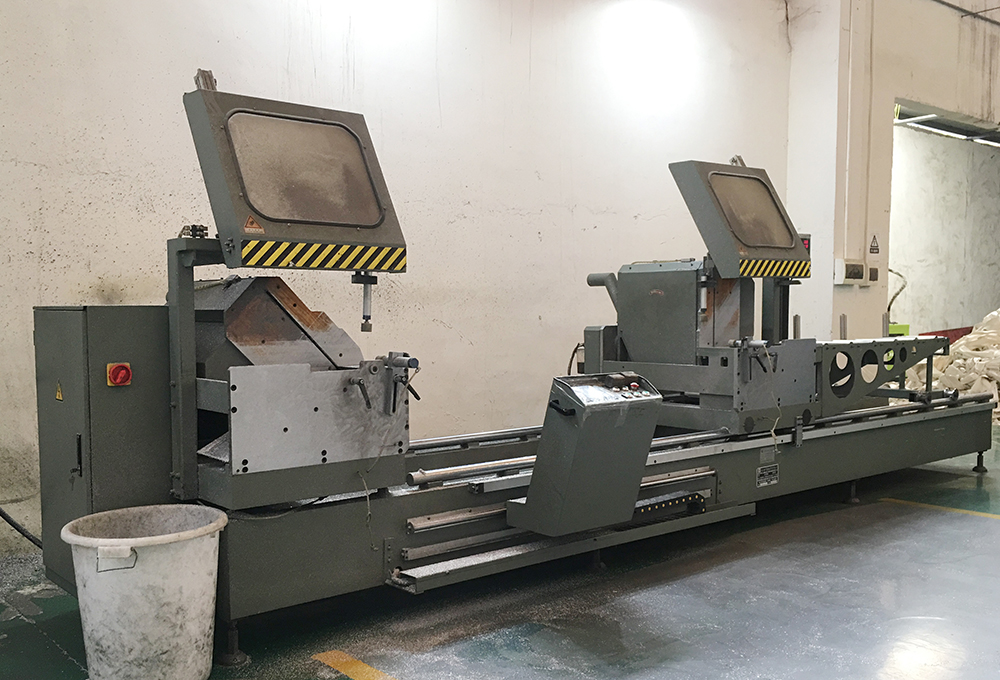
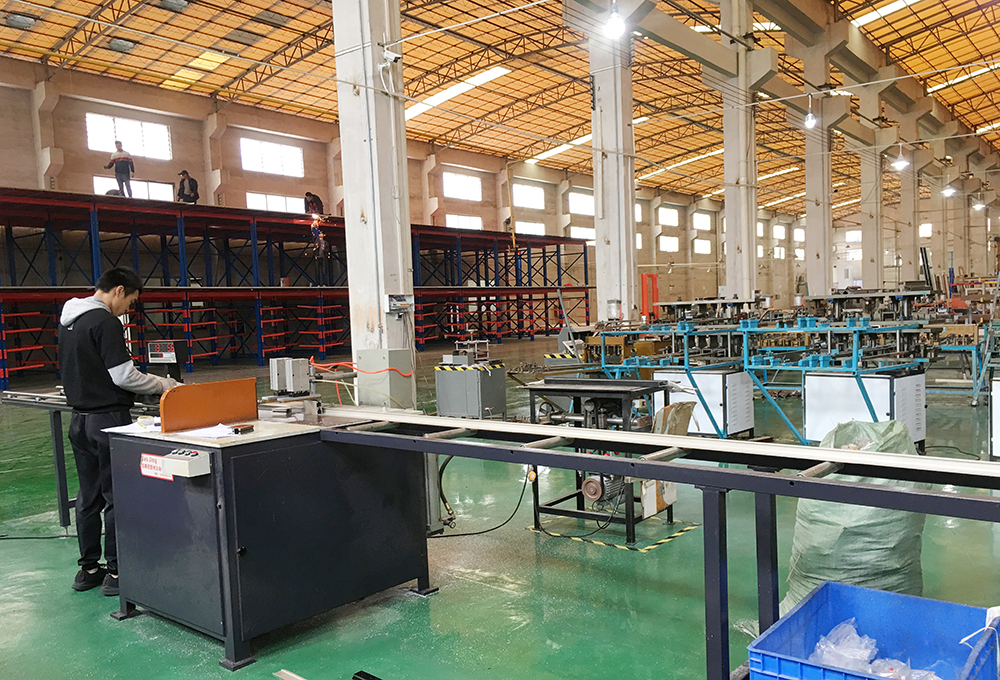
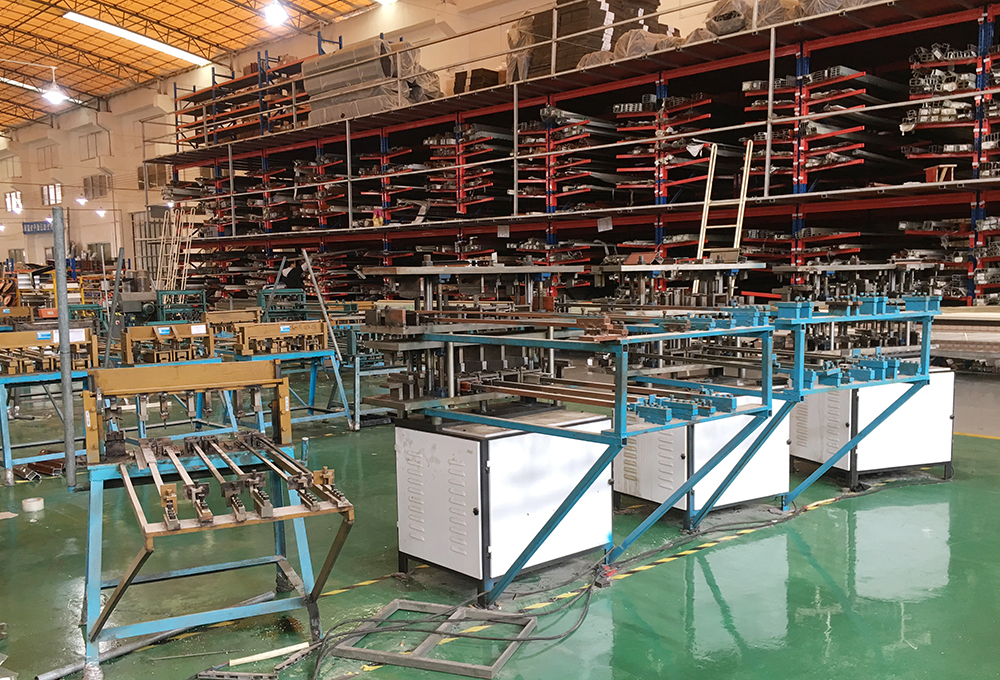
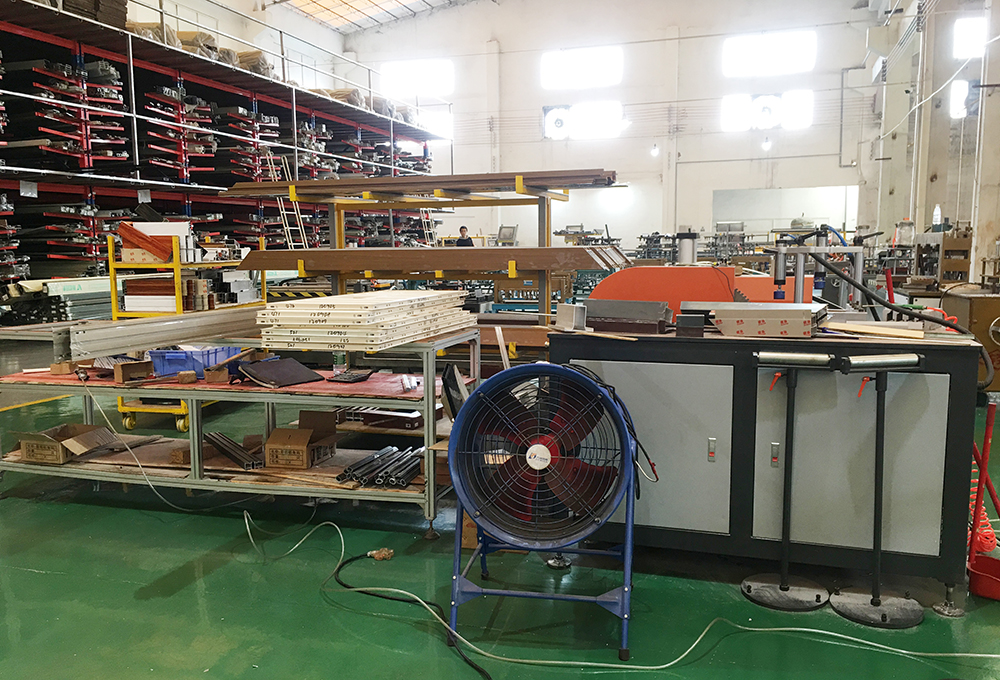
Our commitment to excellence is verified by global standardization bodies and a robust portfolio of proprietary window technologies.
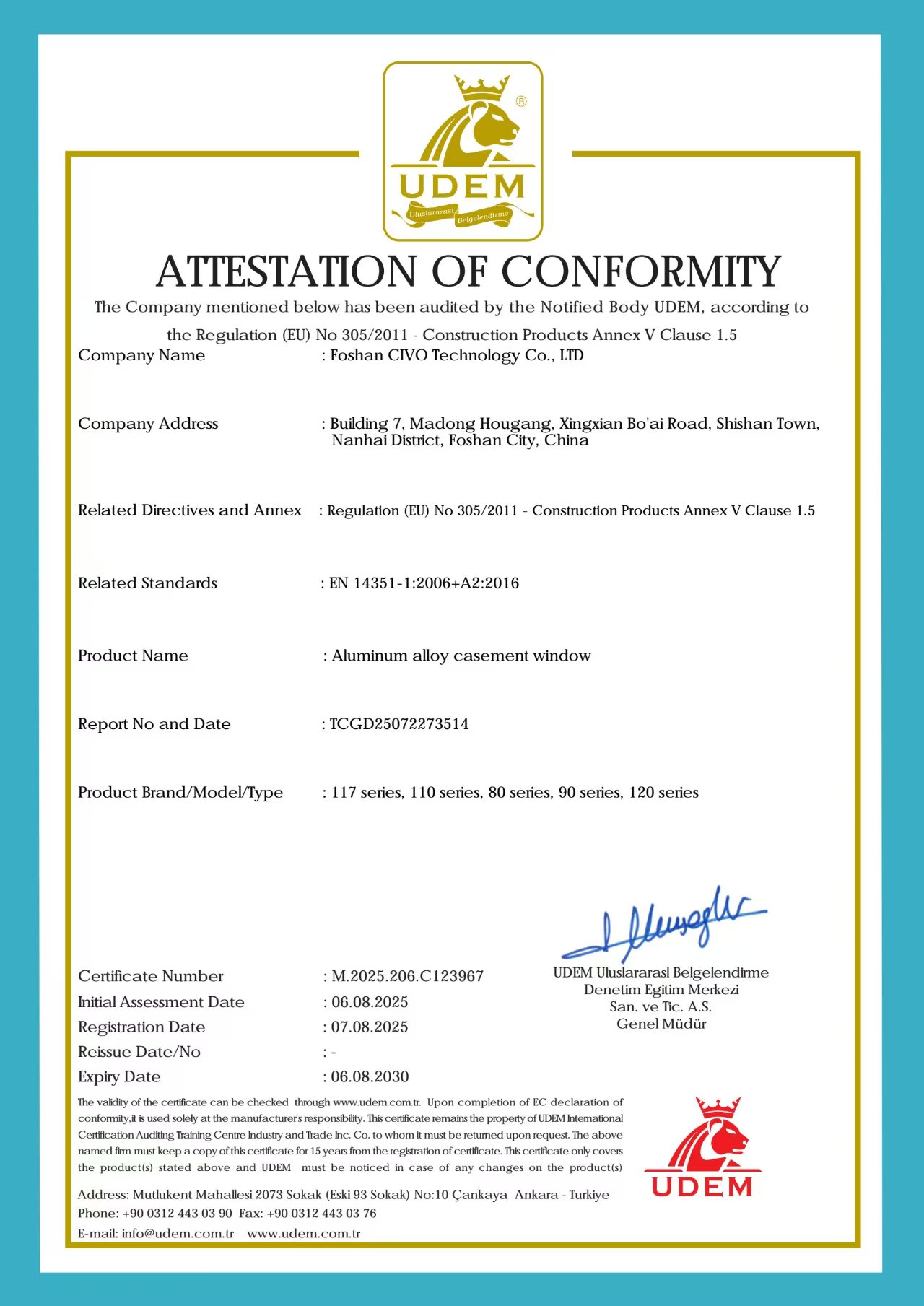

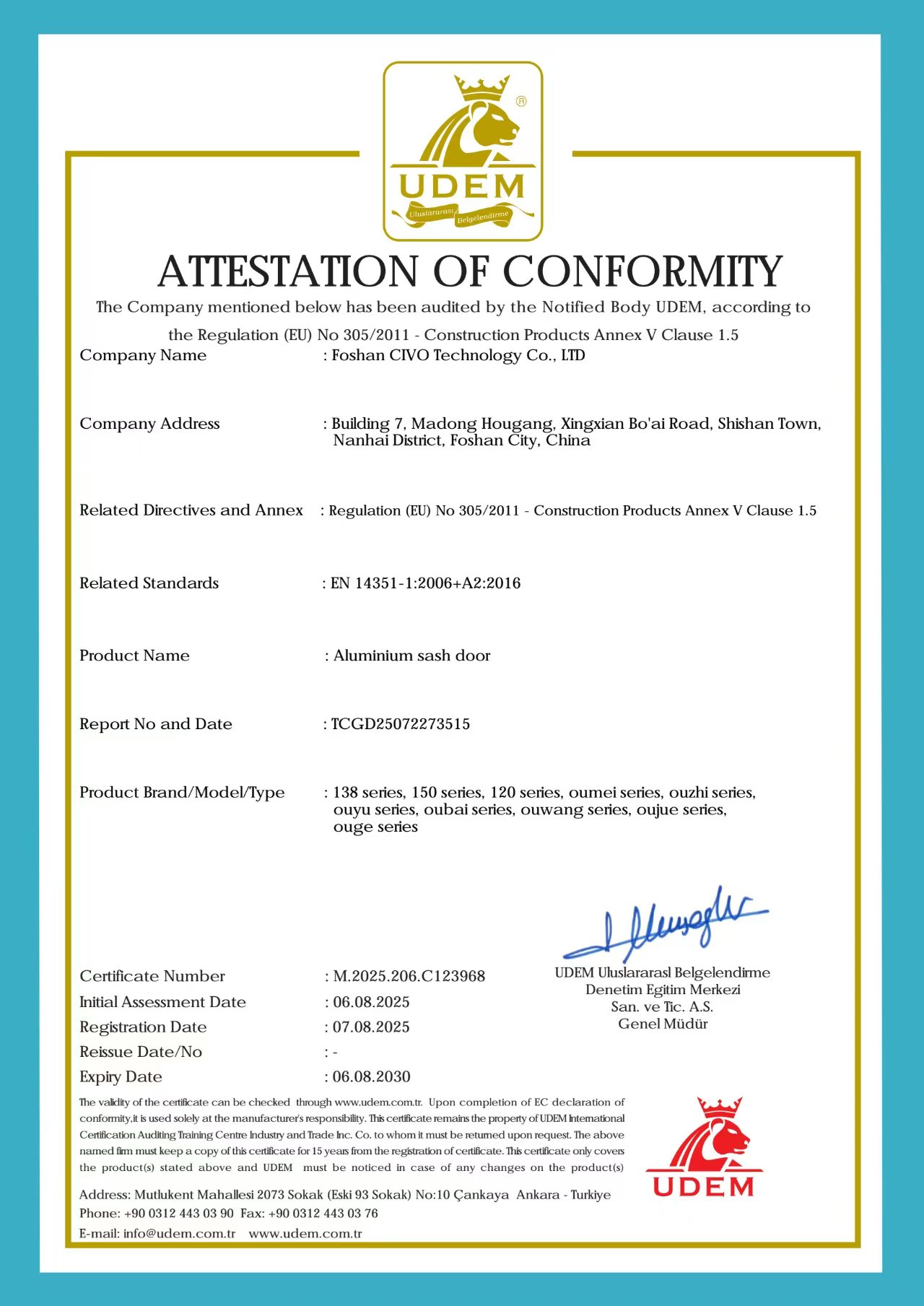
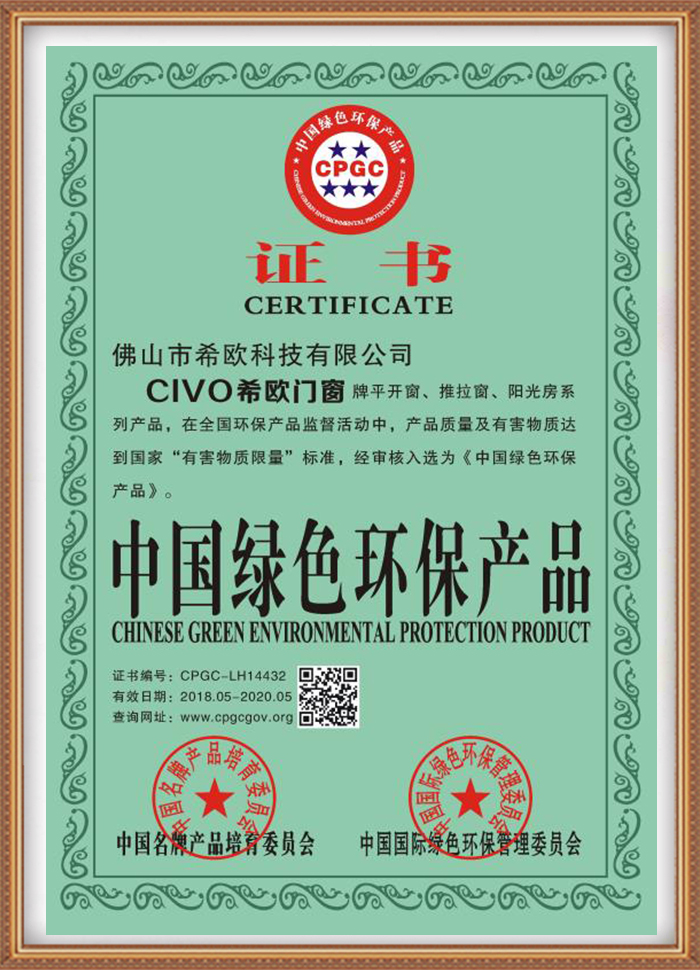

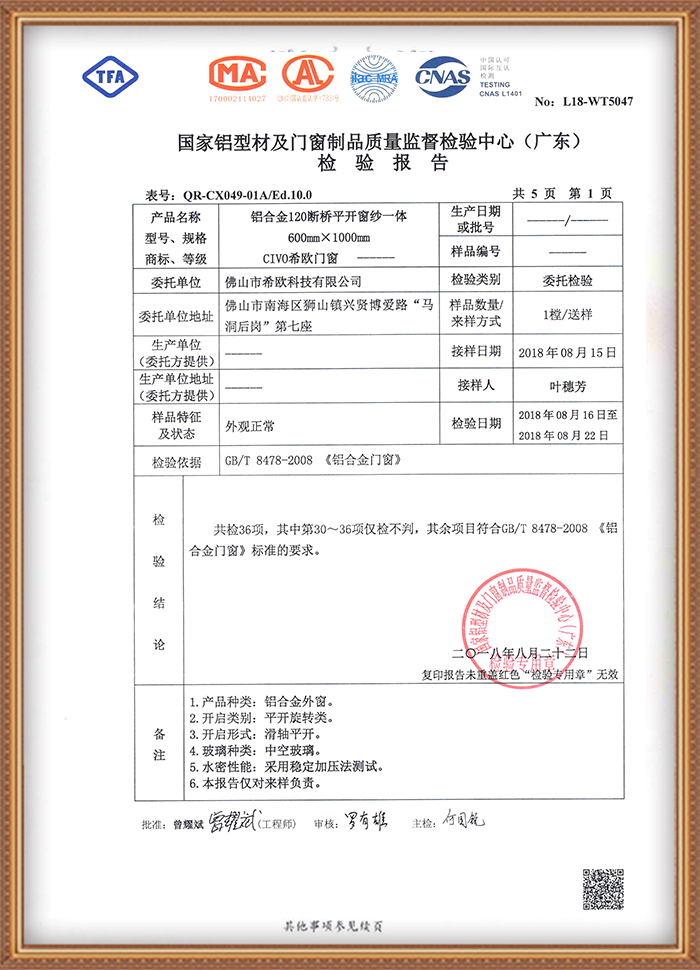
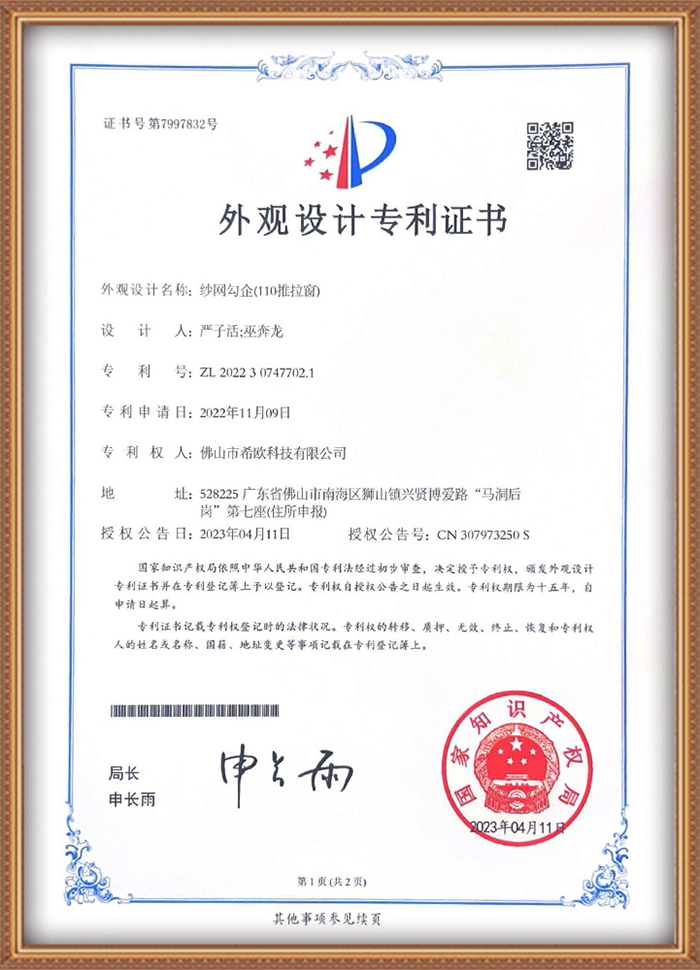
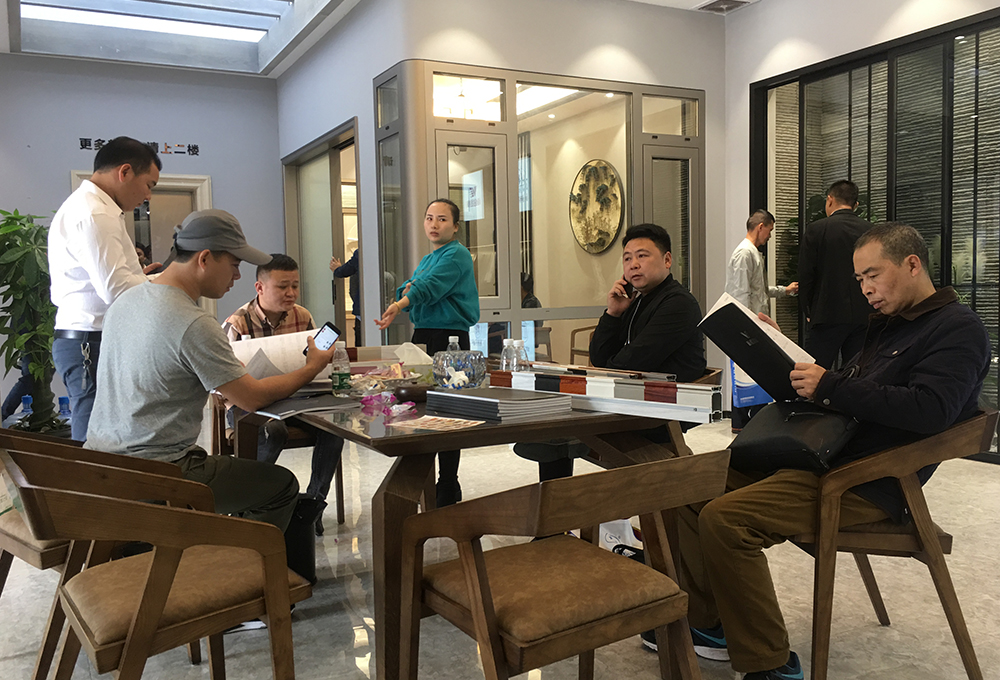
CIVO regularly showcases its cutting-edge aluminum system doors and windows at major international building materials exhibitions. By engaging directly with international architects, structural engineers, and commercial developers, we continuously refine our product lineup to meet evolving worldwide building codes and localized environmental challenges.
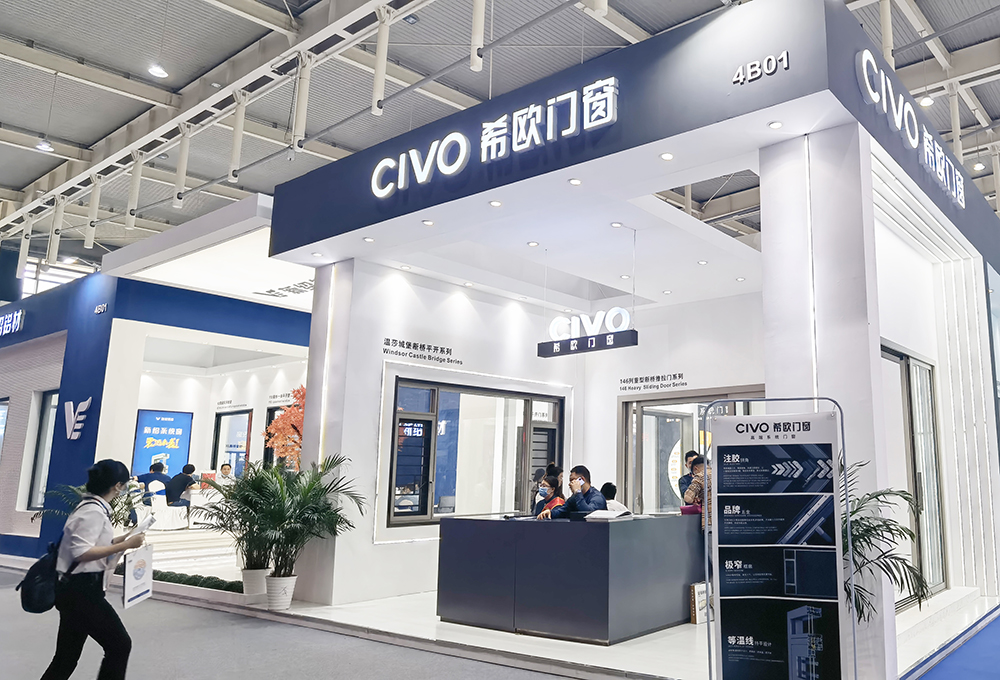
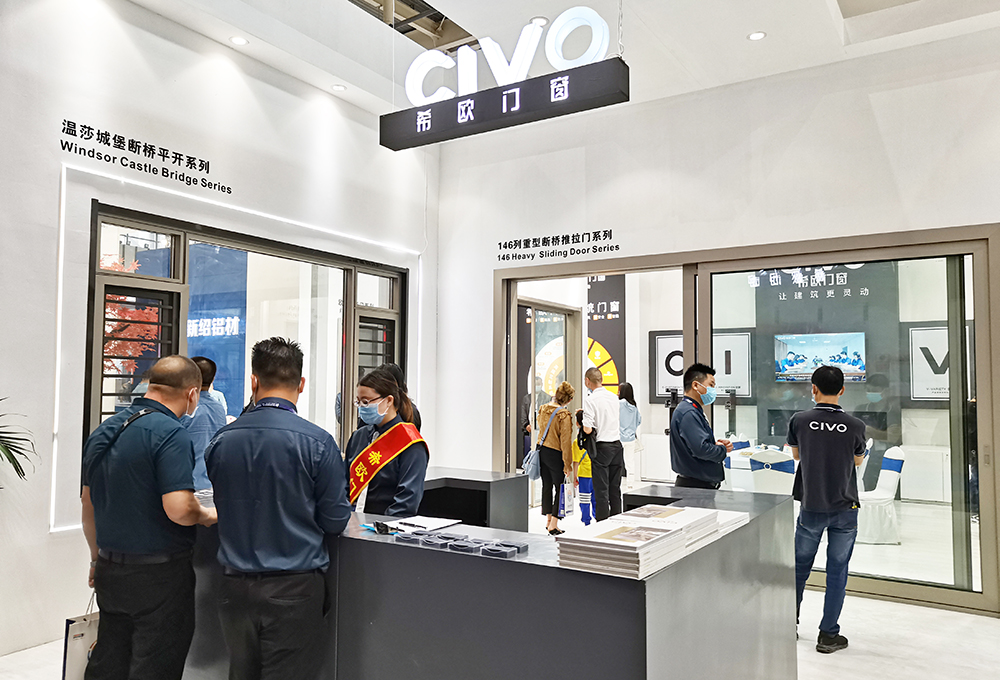
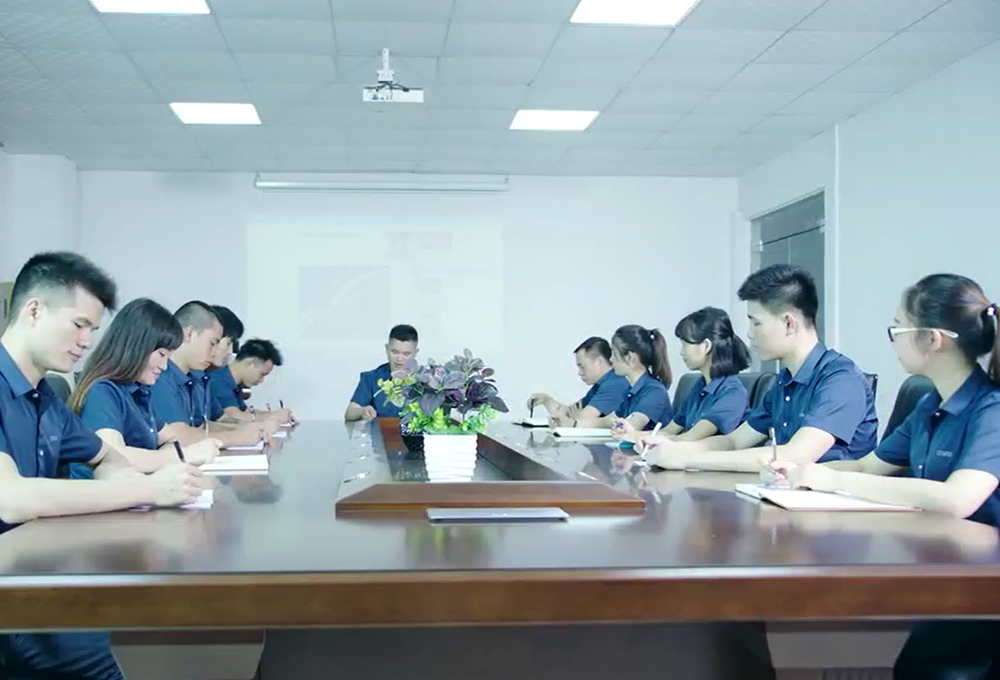
Innovation is the core driver of the CIVO brand. Our dedicated Research and Development center is staffed by experienced structural engineers and material scientists. We leverage advanced CAD modeling, finite element analysis (FEA), and physical prototype testing to push the boundaries of thermal performance, acoustic attenuation, and wind pressure resistance in commercial sliding window designs.




Explore our full range of thermally broken, high-performance systems designed specifically for commercial and high-end residential applications.