Acoustic Architecture: The Rise of Aluminum Soundproof Windows in Garden Design
In modern landscape and architectural design, the boundary between interior sanctuaries and outdoor green spaces has become increasingly fluid. The garden is no longer merely a decorative patch of nature outside the home; it has evolved into a multi-functional extension of the living space—acting as a private retreat, a home office, a wellness sanctuary, or a social lounge. However, as urbanization intensifies, noise pollution has emerged as a critical threat to the tranquility of these green havens. This is where the integration of high-performance aluminum soundproof windows for gardens plays a transformative role.
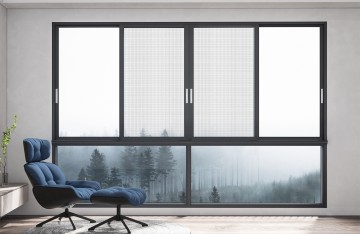
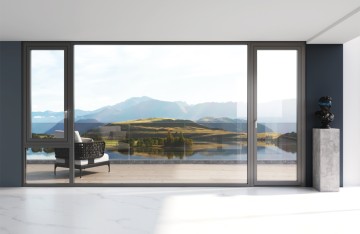
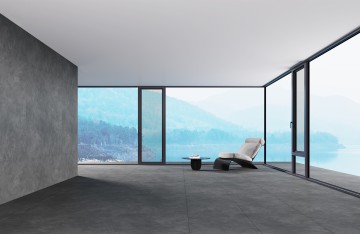
Architects and developers are shifting away from traditional framing materials in favor of high-grade architectural aluminum. Aluminum offers unparalleled structural strength, allowing for expansive glass panes that maximize natural light and offer unobstructed views of lush garden landscapes. More importantly, when engineered with advanced thermal breaks and acoustic dampening systems, these windows act as formidable barriers against ambient city noise, sirens, and traffic, ensuring that the serenity of the garden is preserved inside the home or garden pavilion.
Industrial and Commercial Status of the Garden Acoustic Window Market
The global demand for high-end residential and commercial garden spaces has catalyzed significant growth in the architectural glazing market. Real estate developers now recognize that acoustic comfort is a premium selling point. In high-density cities across North America, Europe, and Asia, residential properties overlooking gardens or parklands command higher premiums, but only if they can block out the adjacent urban clamor. Consequently, the commercial specification of aluminum soundproof windows in garden-facing villas, luxury retirement communities, and boutique garden hotels has reached an all-time high.
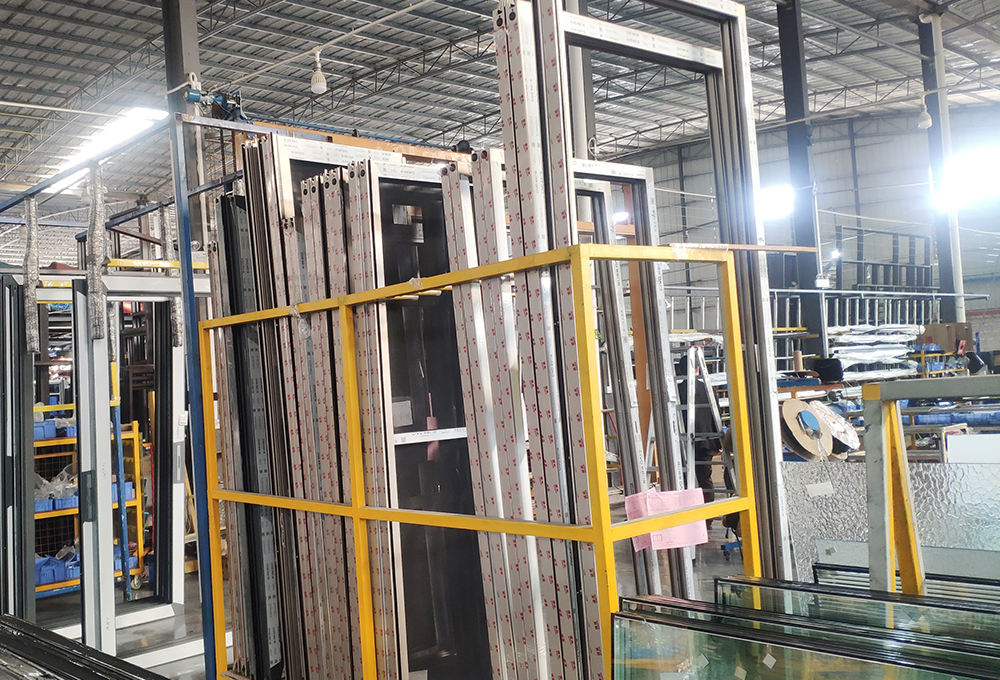
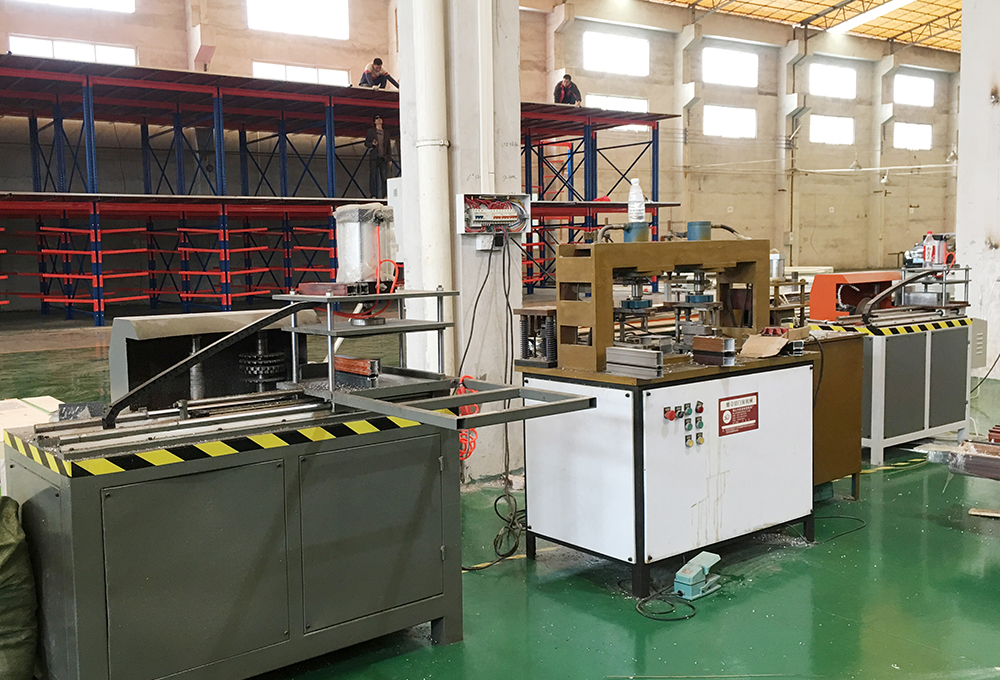
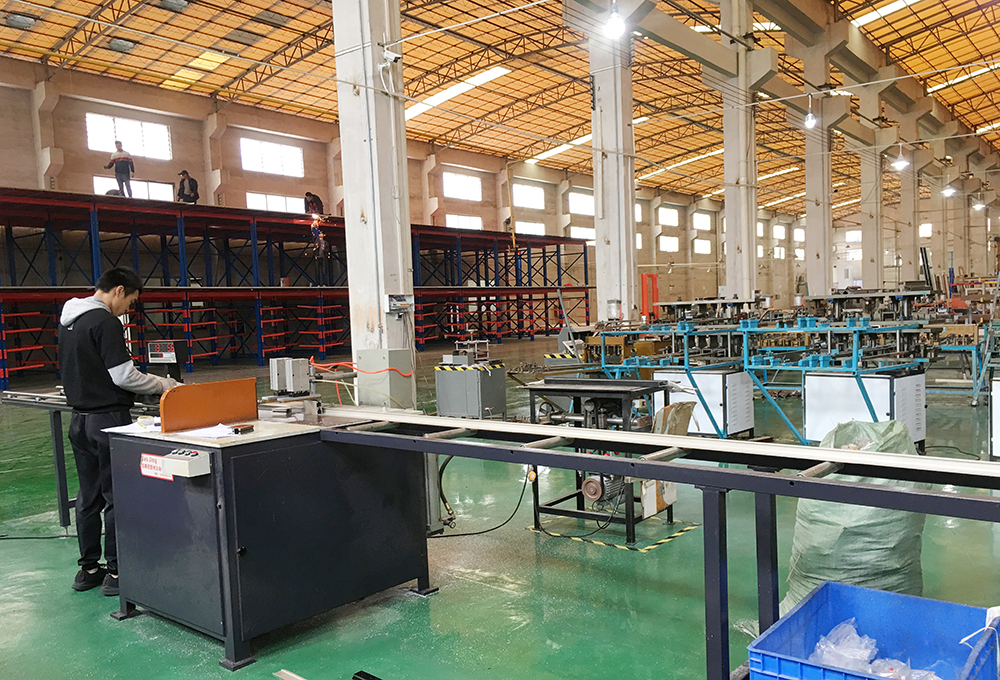
From an industrial perspective, manufacturers are investing heavily in advanced CNC machining, automated corner crimping, and precision extrusion lines. The production of acoustic windows requires microscopic tolerances. Any structural gap in a window profile can allow sound waves to bypass the glass entirely. To counter this, companies like Foshan CIVO Technology Co., Ltd. leverage state-of-the-art hydraulic mold machinery and double-blade milling systems to ensure seamless joints and airtight seals that meet stringent international acoustic and energy-efficiency standards.
Deep-Dive Application Scenarios: Where Silence Meets Nature
1. High-End Residential Garden Pavilions & Sunrooms
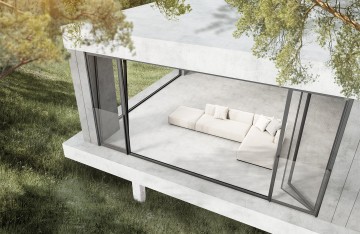
Homeowners are increasingly converting their backyard spaces into dedicated sunrooms or detached garden pavilions. These structures serve as quiet reading rooms, yoga studios, or meditation spaces. Because these pavilions are situated outdoors, they are highly exposed to environmental noises. Standard glass panels fail to create the isolation required for relaxation. Utilizing a specialized aluminum soundproof window system, such as a thermal broken sliding or outward-opening configuration, turns these pavilions into peaceful retreats where one can enjoy panoramic views of the garden without hearing the neighborhood lawnmowers, traffic, or barking dogs.
2. Urban Garden Offices and the Remote Work Revolution
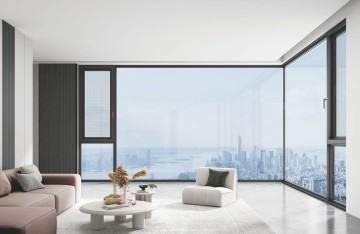
The shift toward hybrid and remote work models has made the "garden office pod" a major architectural trend. Professionals need a quiet, distraction-free environment to conduct virtual meetings and concentrate on complex tasks. An aluminum soundproof window system provides the ideal solution. It blocks out high-frequency exterior noises while allowing the worker to remain visually connected to the soothing greenery of their garden. The strength of aluminum also allows for slim profiles, ensuring that the workspace feels open and integrated with the natural surroundings rather than boxy and claustrophobic.
3. Commercial Garden Cafes and Boutique Restaurants
In the hospitality sector, outdoor and semi-outdoor garden dining spaces are highly coveted. However, restaurants located in busy commercial districts often struggle with street noise, which degrades the dining experience. By enclosing garden dining patios with large-span, acoustic-insulated aluminum sliding doors and windows, establishments can offer customers the visual aesthetic of dining in a lush garden while maintaining a quiet, intimate indoor acoustic environment. This hybrid approach significantly increases customer retention and seating capacity throughout the year, regardless of external weather or noise levels.
4. Botanical Greenhouses and Research Facilities
Advanced botanical research facilities and luxury private greenhouses require strict environmental controls. Beyond temperature and humidity, controlling external noise and vibrations can be critical for sensitive plant species and research equipment. Soundproof aluminum windows with high-grade thermal insulation prevent external acoustic vibrations from disrupting delicate ecosystems inside the greenhouse, while also providing the structural integrity needed to withstand harsh weather conditions, heavy winds, and temperature fluctuations.
Technological Trends and Future Trajectories
As we look to the future, the design of aluminum soundproof windows for gardens is becoming increasingly smart and sustainable. The integration of AI and smart building technologies is paving the way for windows that adapt to their surroundings. For instance, electrochromic glass (smart glass) can be paired with acoustic aluminum frames to control both light transmission and sound levels dynamically. Home automation systems can monitor external decibel levels and automatically adjust window seals or ventilation ports to maintain optimal indoor acoustic comfort.
Furthermore, sustainability is a driving force in product development. Aluminum is infinitely recyclable, making it the material of choice for green building initiatives. Manufacturers are focusing on reducing the embodied carbon of aluminum extrusion processes while enhancing the thermal efficiency of the windows. By combining high recycled-content aluminum with bio-based thermal insulation strips, the window industry is aligning itself with global carbon-neutral goals, ensuring that the products designed to connect us with nature are also protecting the planet.