Windows Doors Manufacturer

Leave Your Message
Need Project Quote?
Chat With Us Now
Chat With Us Now
Windows Doors Manufacturer
Pre-tested systems engineered to meet stringent architectural loads, hurricane wind deflections, and thermal barrier demands in modern commercial developments.
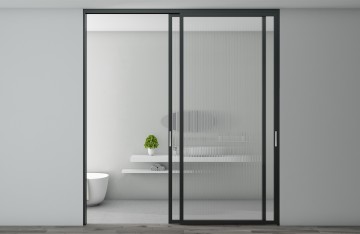
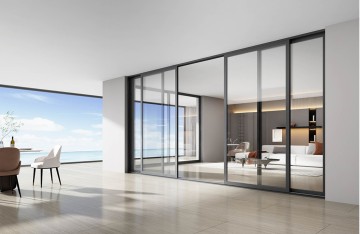
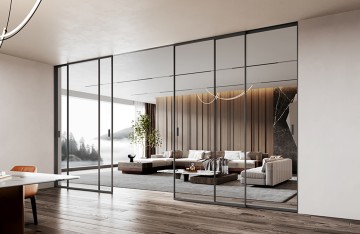
Analyzing market dynamics, strict building codes, climate change pressures, and procurement parameters for multi-tier construction ventures.
In modern architectural design and large-scale engineering, the aluminum storm door has evolved beyond a mere accessory to become a vital structural element within building envelopes. Today's commercial developments, luxury multi-family apartments, high-density hospitality hubs, and industrial campuses face intensified atmospheric forces, ranging from hurricane-force wind loads and torrential rains to extreme thermal differentials and corrosive seaside environments. Consequently, the commercial demand for heavy-duty, engineered architectural aluminum storm doors has grown substantially across the global construction sector.
According to current building envelope research and fenestration market analysis, structural building teams no longer treat storm doors as light retrofit residential accessories. Instead, they demand integrated secondary and primary storm-barrier doors that tie directly into the building's structural framing, curtain wall systems, and energy management matrices. Aluminum alloy extrusions—specifically high-strength 6063-T5, 6063-T6, and 6060 primary billets—provide the optimum strength-to-weight ratio needed to achieve extraordinary deflection resistance without burdening building slabs with excessive deadweight.
Certified to sustain positive and negative design pressures exceeding 4500 Pa (equivalent to Category 5 hurricane wind velocity), ensuring zero structural failure in vulnerable coastal corridors.
Utilizing polyamide 66 reinforced with 25% fiberglass (PA66-GF25) thermal struts to curtail heat conductivity, lowering overall whole-door U-factors down to 1.4 W/m²K for LEED-certified assets.
Advanced anti-corrosion finishes exceeding 3,000 hours of continuous neutral salt spray (NSS) testing, protecting seaside hotels and industrial compounds from premature oxidation.
Driven by initiatives like the International Building Code (IBC 2024), ASCE 7-22 wind-load mandates, and Florida High-Velocity Hurricane Zone (HVHZ) protocols, specifiers and general contractors are actively upgrading perimeter entry standards. Specifying aluminum storm doors for project construction delivers measurable lifecycle advantages:
| Engineering Attribute | Standard Commercial Door | CIVO High-Performance Storm System | Project Benefit |
|---|---|---|---|
| Alloy Specification | 6063-T5 (Wall thickness 1.2 - 1.4mm) | Architectural 6063-T6 (Wall thickness 2.0 - 3.5mm) | High structural deflection resistance under cyclonic wind forces |
| Thermal Break System | Non-thermal or Resin Pour | PA66-GF25 Multi-Chamber Isobaric Polyamide Bar | Drastically limits condensation and thermal transmittance (LEED compliance) |
| Surface Protection | Standard Anodized / Thin Powder Coat | PVDF Fluorocarbon / Ceramic Electrophoresis | 30+ year fade resistance, extreme coastal salt-fog durability |
| Water Tightness Rating | Class 2 (300 Pa) | Class 9A / E1050 (Up to 1050 Pa) | Zero water penetration during monsoon/hurricane events |
| Hardware & Locking | Single Point Deadbolt | Multi-Point Anti-Intrusion Lever Transmission | Uniform perimeter compression seal against pressure differential |
Every architectural typology introduces distinct engineering hurdles. Here is how advanced aluminum storm doors solve these challenges in major commercial and civic settings.
Towers reaching beyond 20 stories experience exponential stack effect and extreme windward velocity. Aluminum storm doors used as exterior balcony buffers or secondary entryway envelopes prevent wind-induced whistling, protect main living chambers from air infiltration, and significantly reduce indoor HVAC load losses.
By absorbing the primary force of cyclic pressure swings, they safeguard internal floor finishes and glass sliders from deflection stress fatigue.
Waterfront hotels face a continuous mix of airborne chlorides, high relative humidity, and seasonal typhoons. Standard entrance fixtures suffer hinge degradation, frame pitting, and seal decay within a few seasons.
Heavy-duty aluminum storm doors treated with marine-grade ceramic electrophoretic or fluorocarbon coatings establish an impermeable shield that extends the operational life of key guest room balconies and clubhouse entranceways.
Schools, universities, civic libraries, and municipal hubs demand fenestration capable of withstanding heavy daily use and accidental impacts. Aluminum storm doors constructed with heavy corner corner-key crimping and reinforced structural stiles provide robust impact resistance.
They preserve interior foyers from sudden weather transitions while maintaining ADA compliance and low operating forces via heavy-duty geared pivots.
In logistics centers, pharmaceutical factories, and high-tech manufacturing parks, storm doors act as environmental locks. They regulate differential air pressures, prevent the migration of moisture, dust, and windborne debris, and isolate critical workspace envelopes from external storms.
Integrated EPDM vulcanized sealing gaskets ensure consistent air tightness across wide temperature ranges.
CIVO is a provider of architectural aluminum system solutions, integrating research and development, production, sales, and service of system door and window products.
With the slogan "MAKE BUILDINGS MORE FLEXIBLE", CIVO is committed to delivering quality-oriented home building materials and providing high-end system doors and windows for global customers.
According to different regional climates and architectural styles, CIVO develops high-quality, safe, and energy-efficient aluminum windows and doors to meet the requirements of residential, commercial, and engineering projects.
Contact Us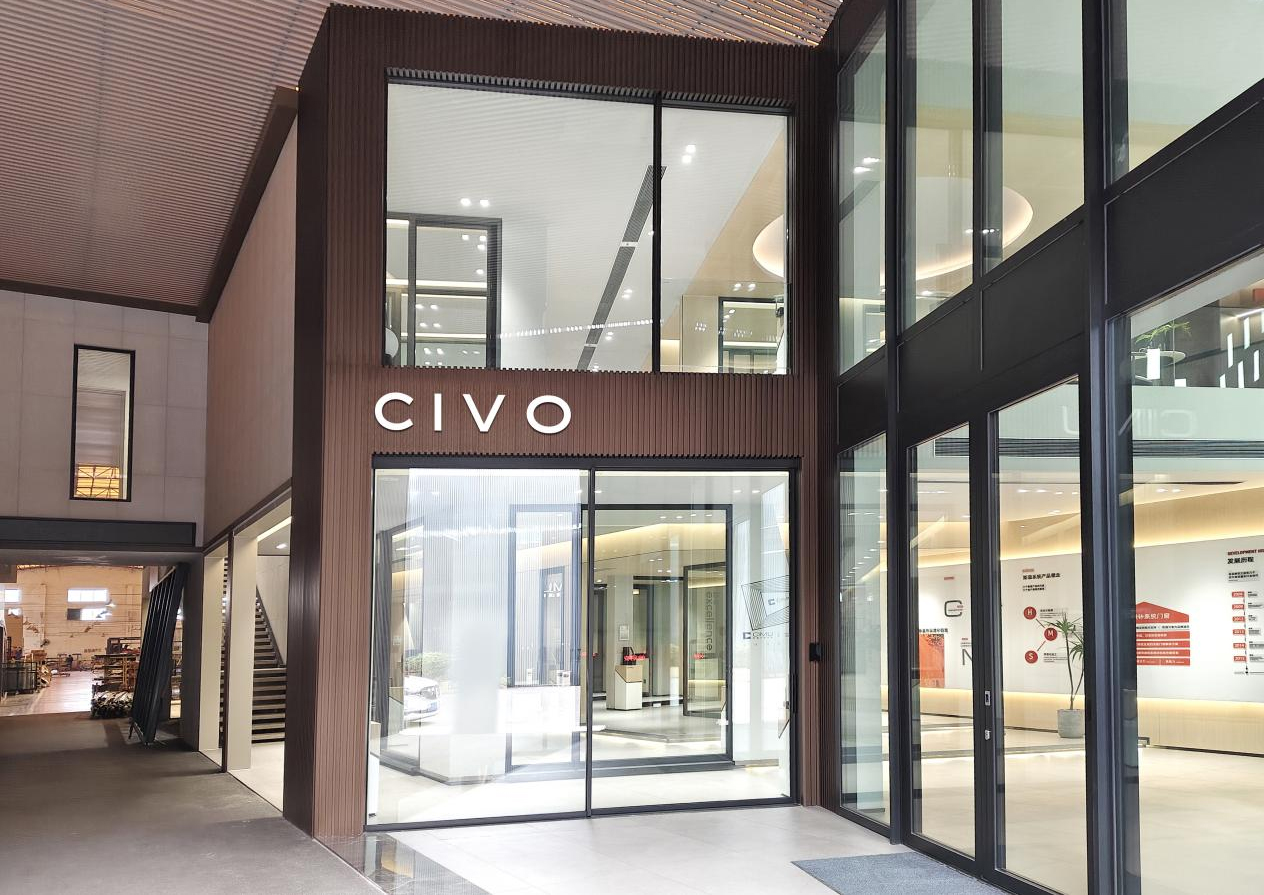
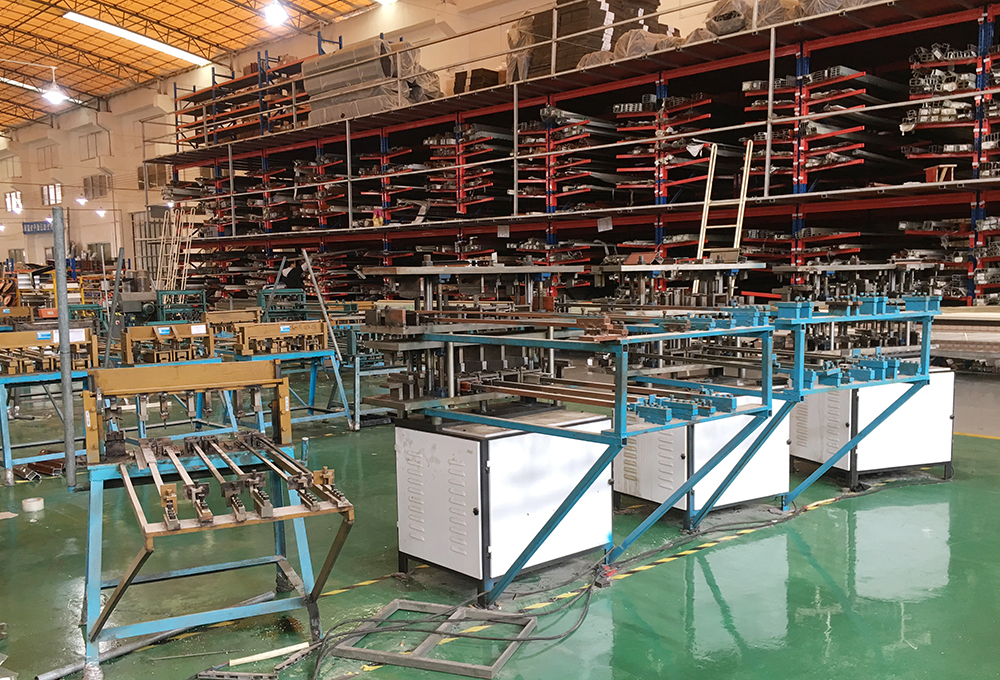
Underpinned by high-precision manufacturing systems, extensive raw material warehouses, and worldwide commercial project delivery experience.
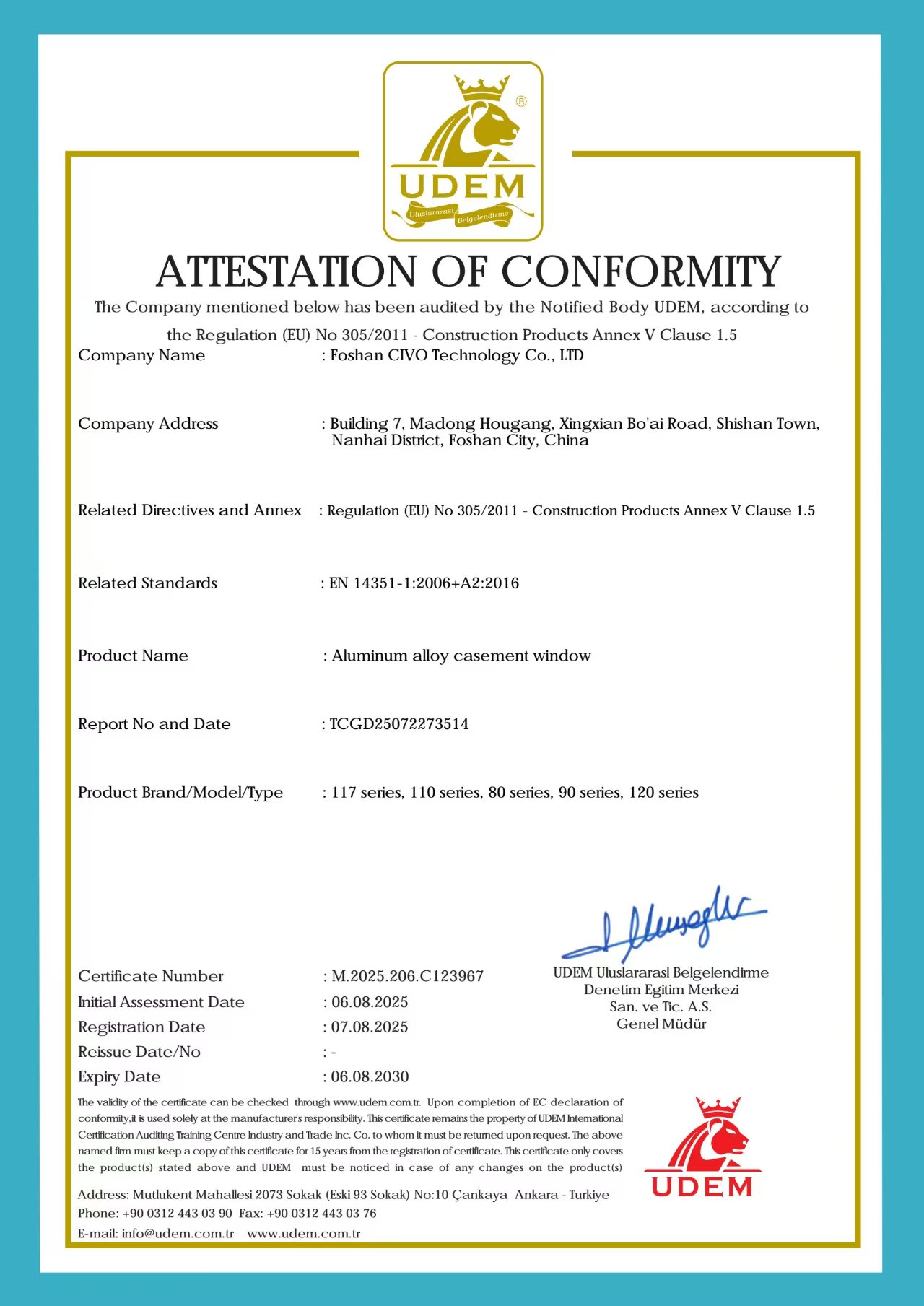
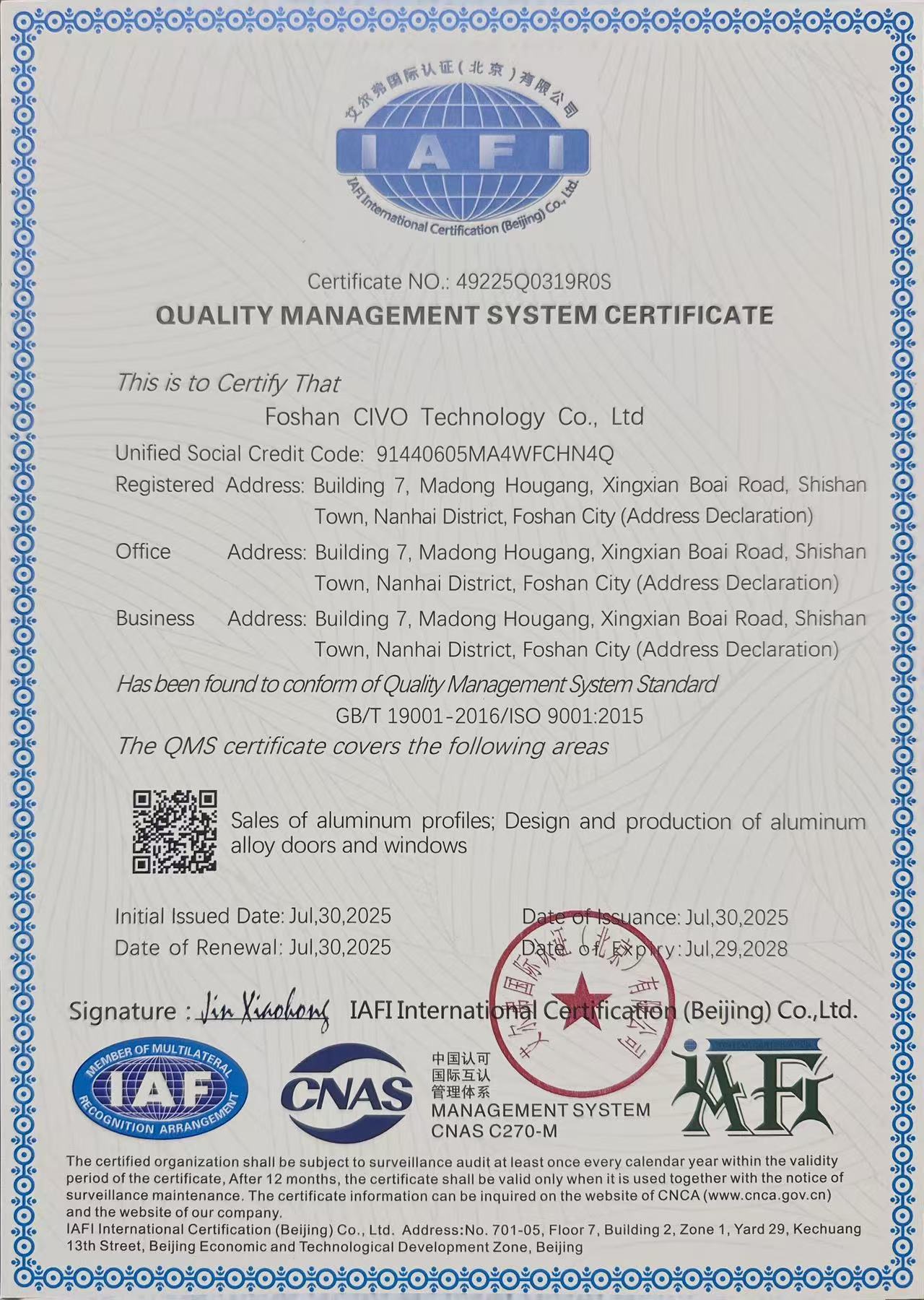
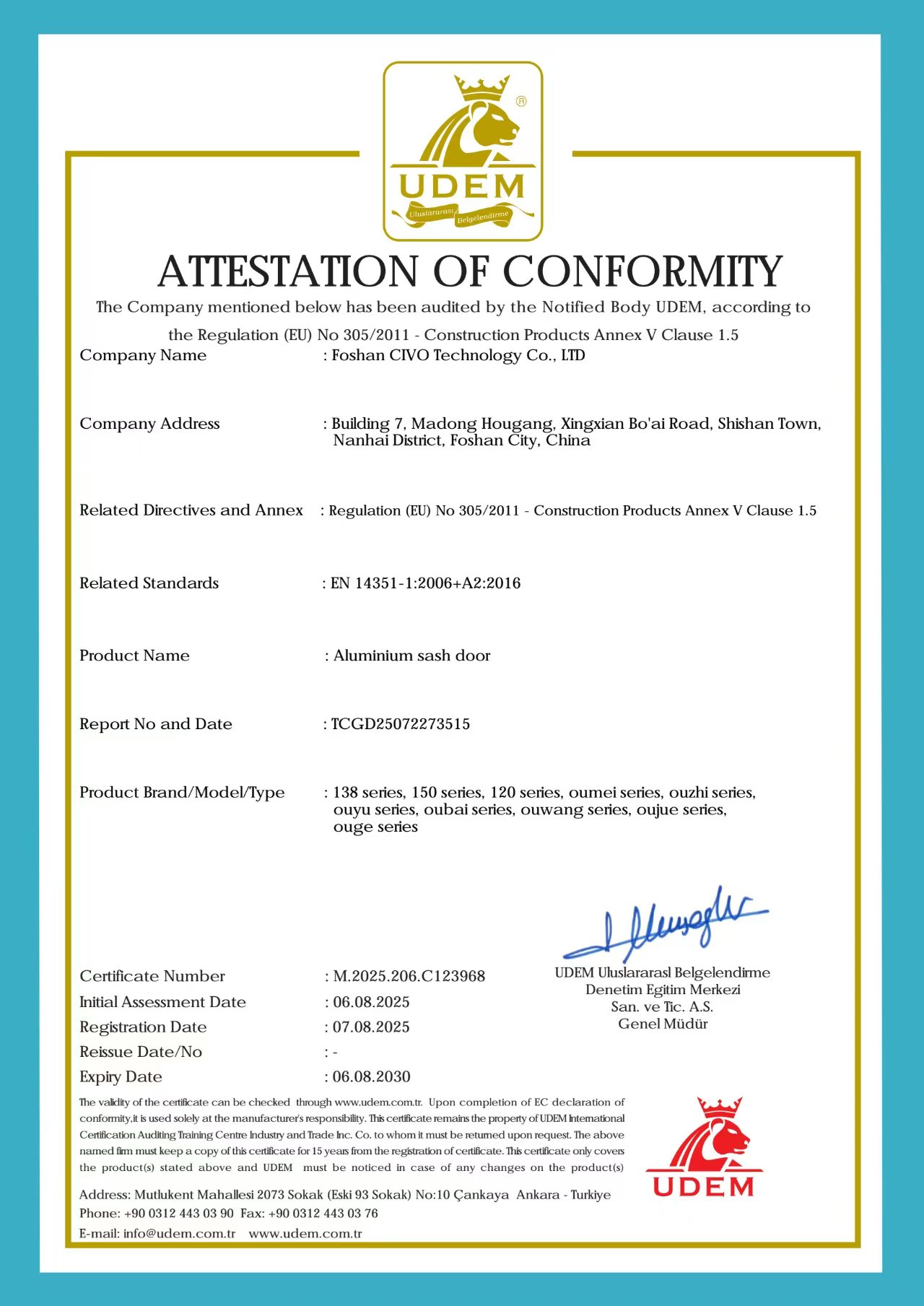
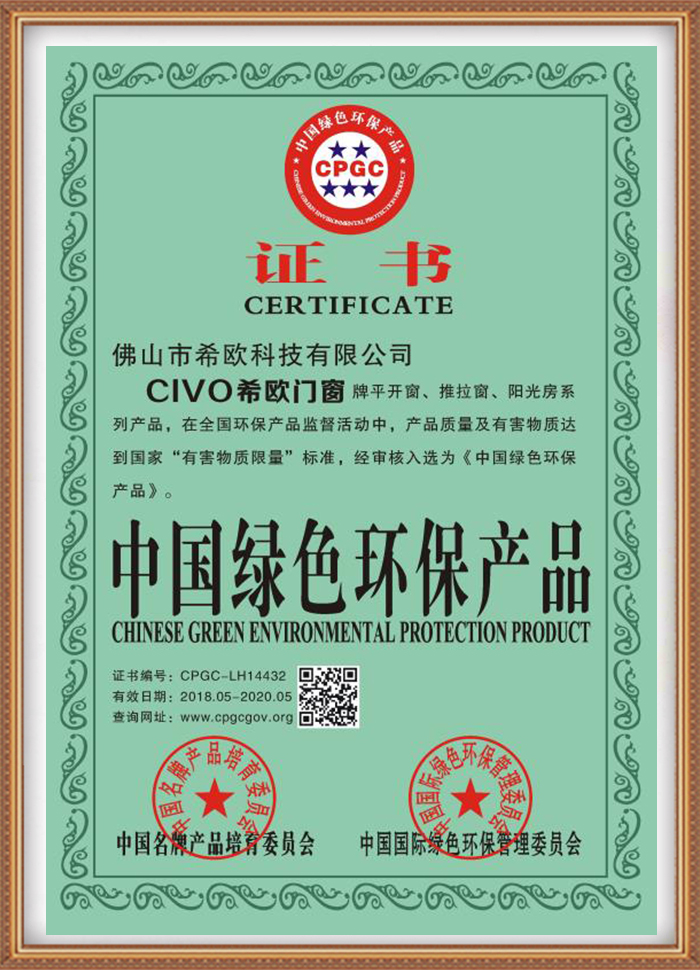
Rigorous quality testing and worldwide certifications guaranteeing structural compliance with global engineering codes.
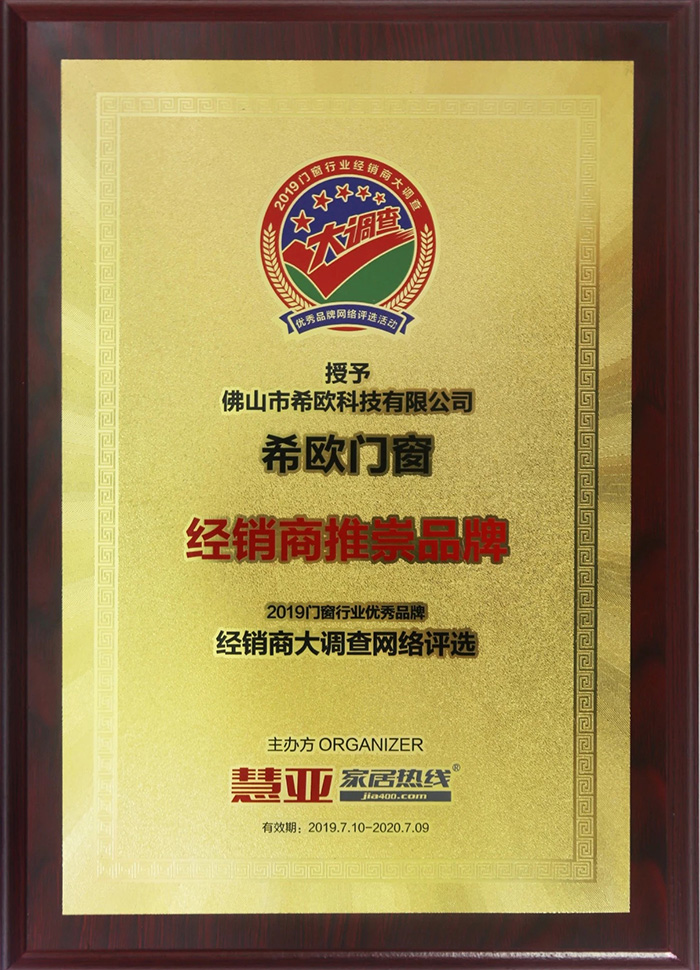
Equipped with lean automated assembly lines, temperature-controlled curing zones, and rigorous multi-stage quality control benches.
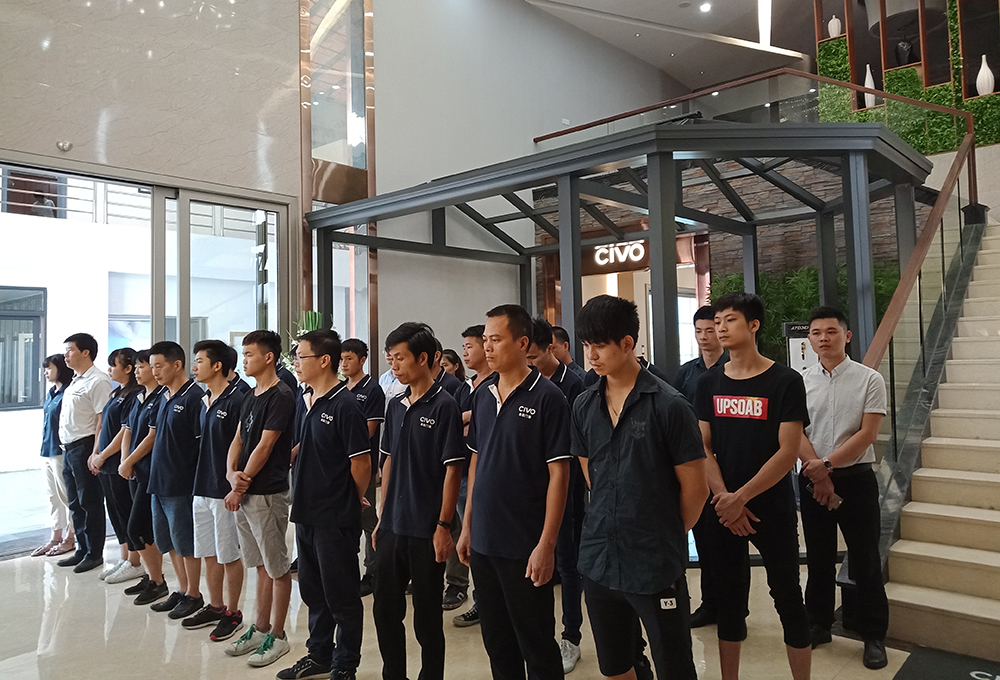
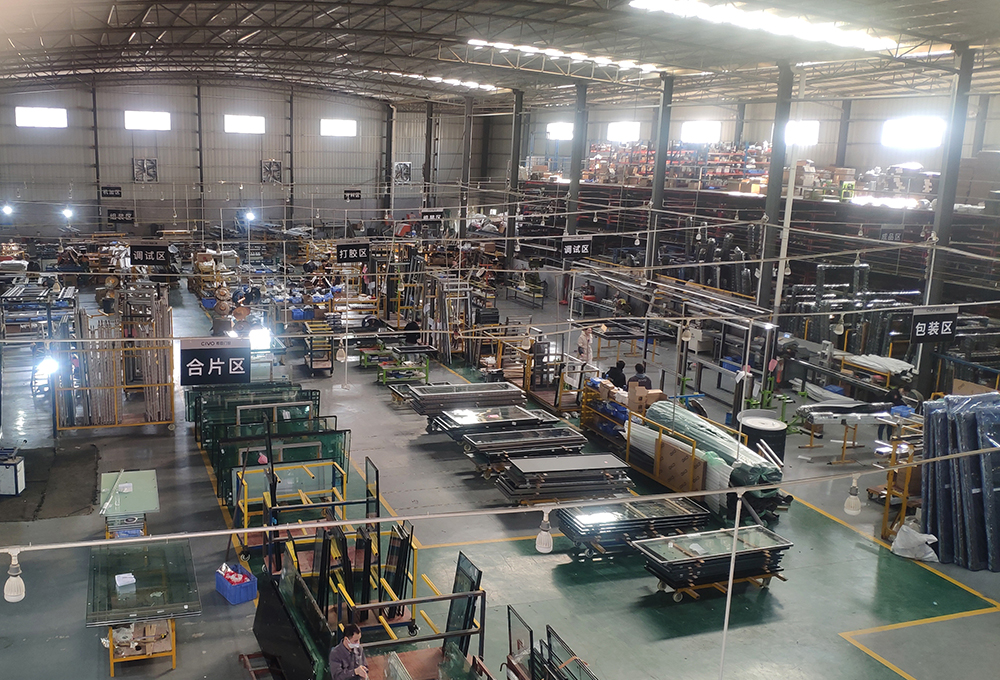
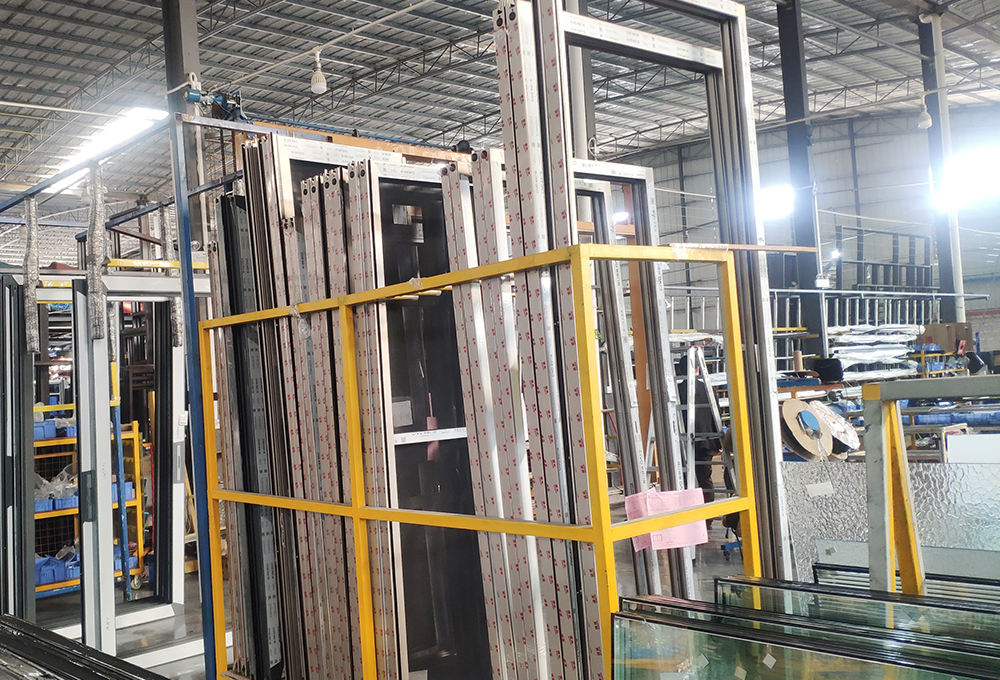
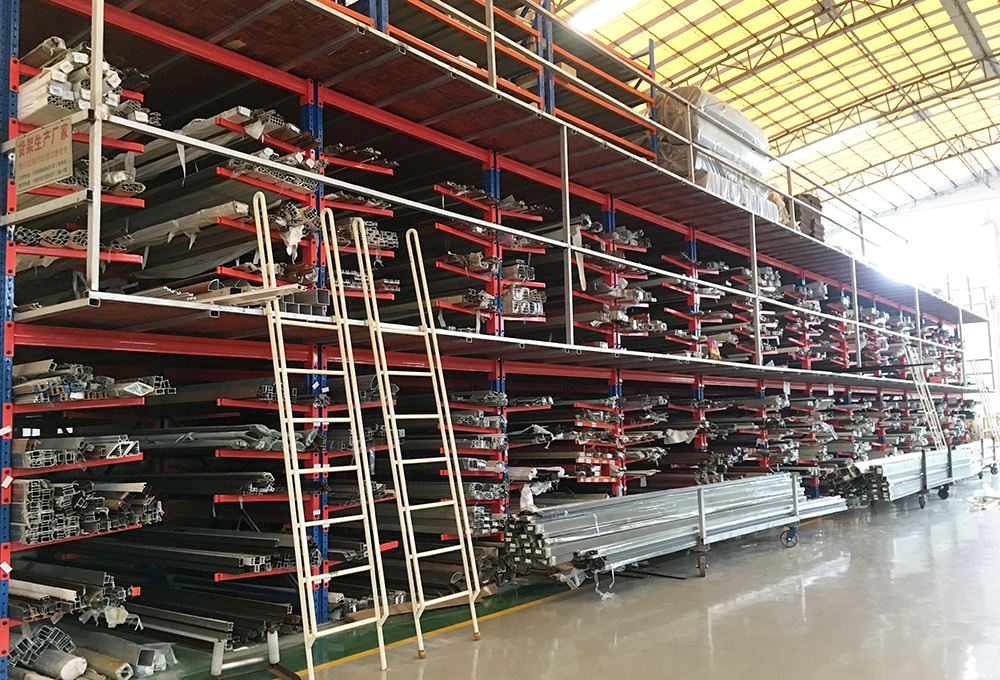
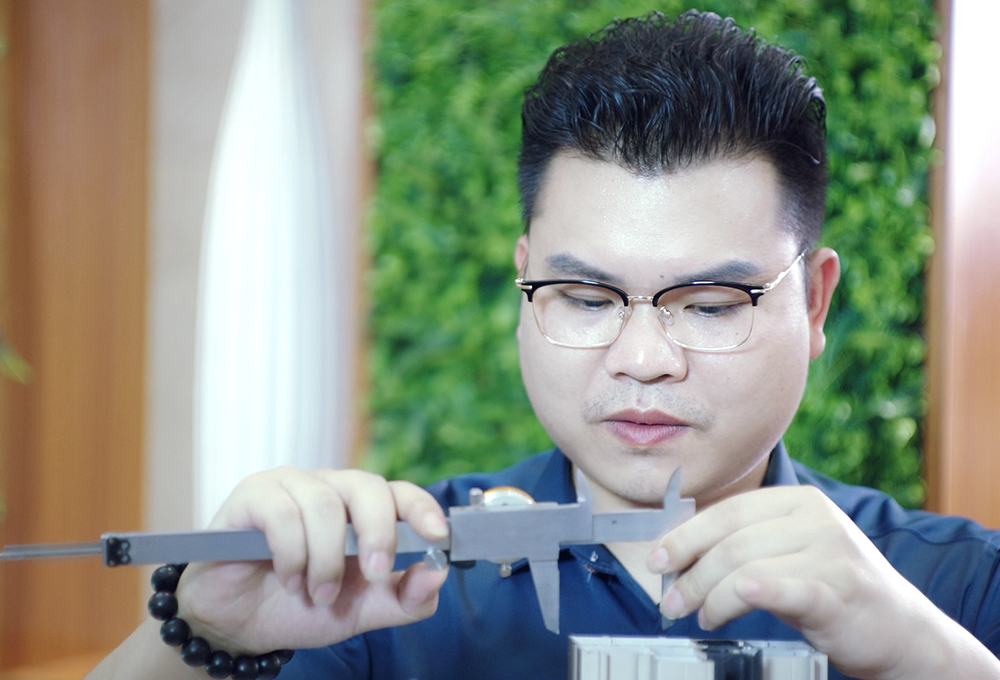
High-precision CNC tooling ensuring micrometer-accurate corner miters, isobaric drainage channels, and secure structural hardware fastening.
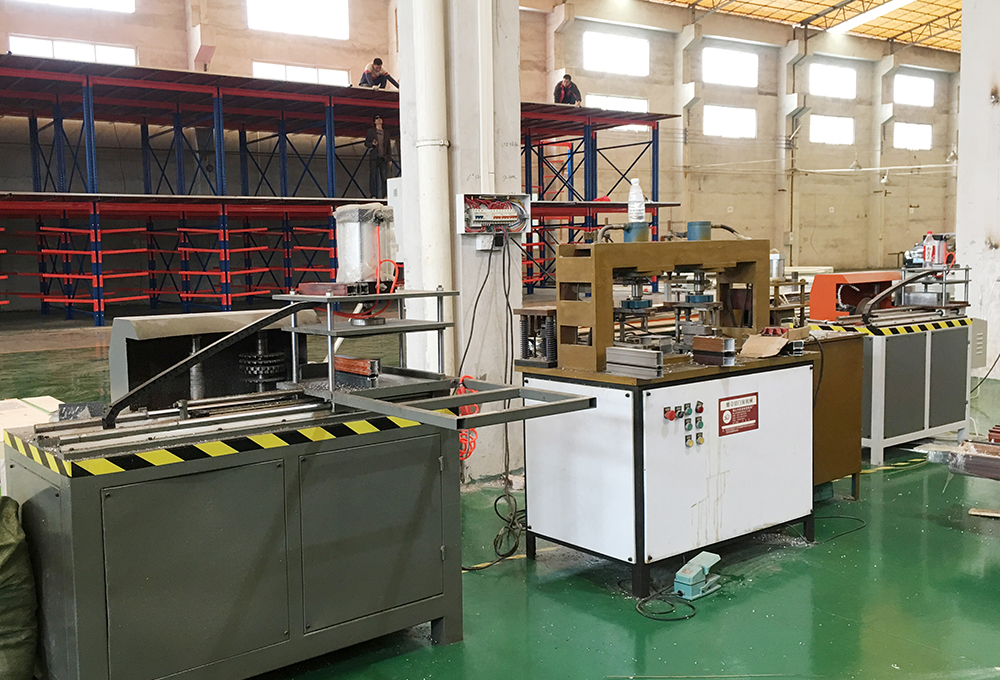
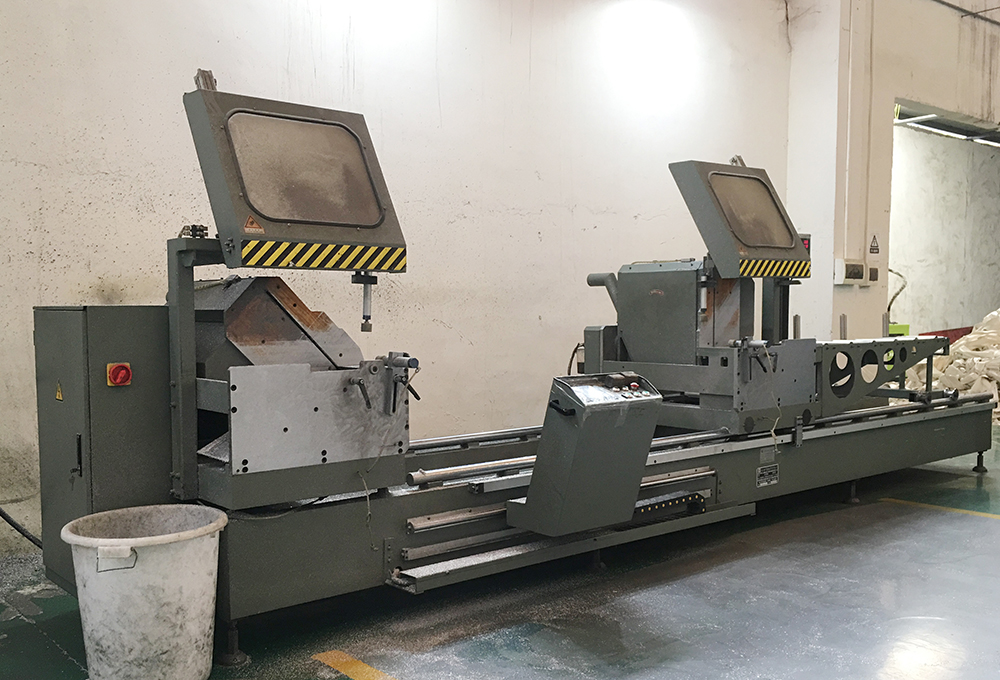
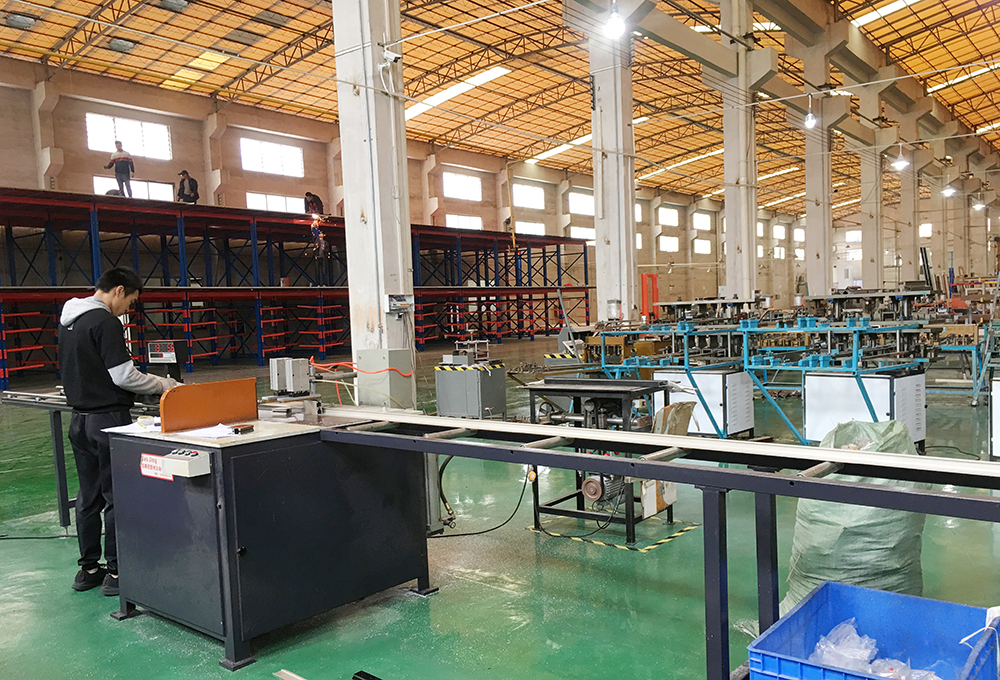
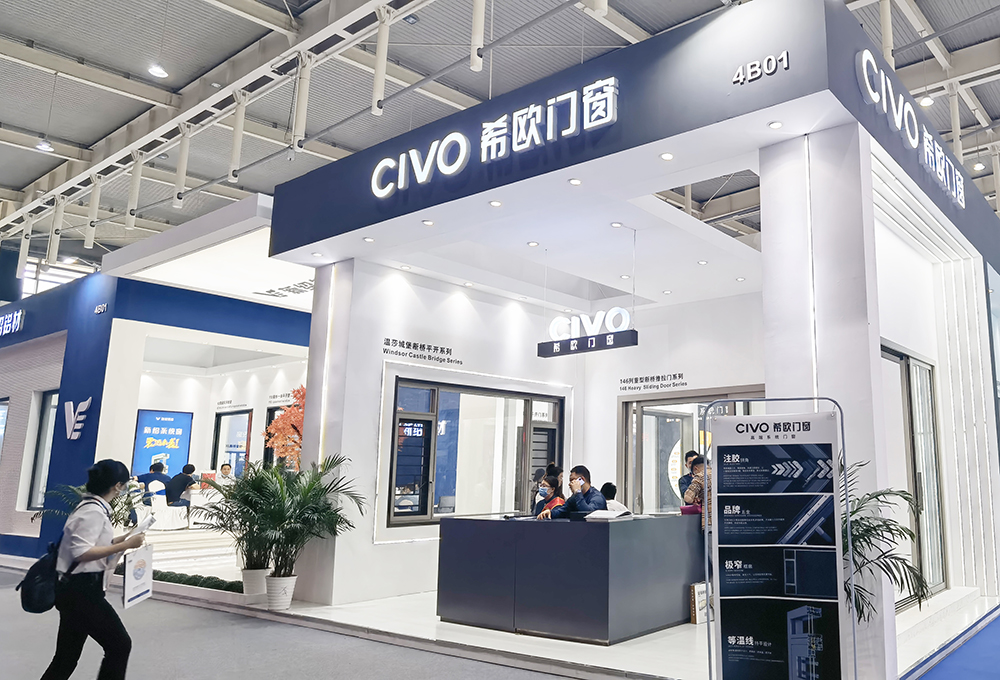
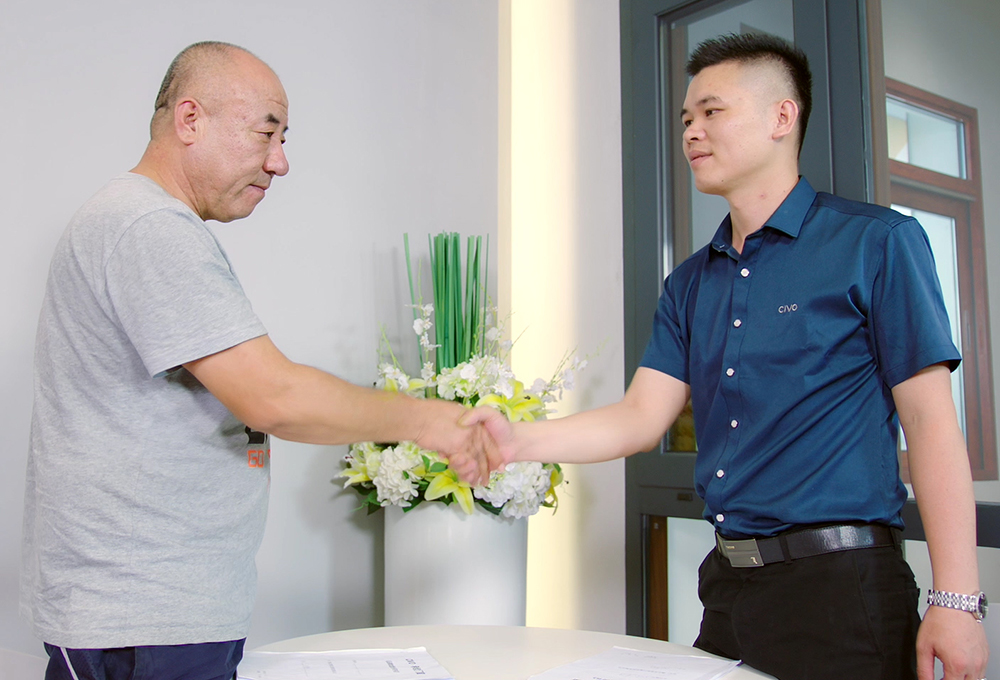
Presenting modern storm resistance solutions to international architects, facade engineers, and general building contractors.
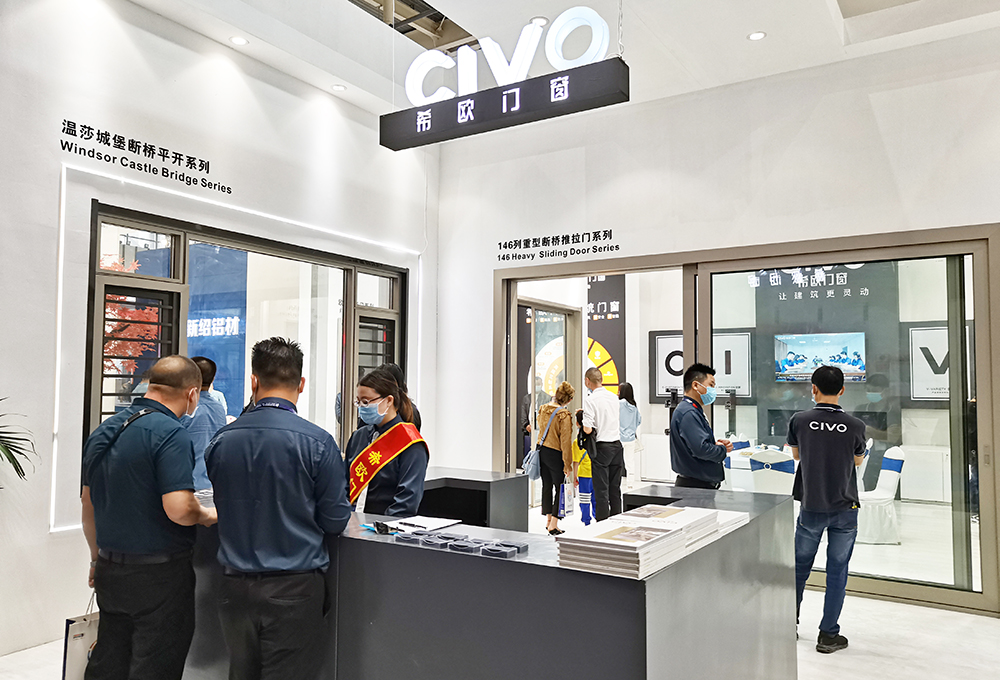
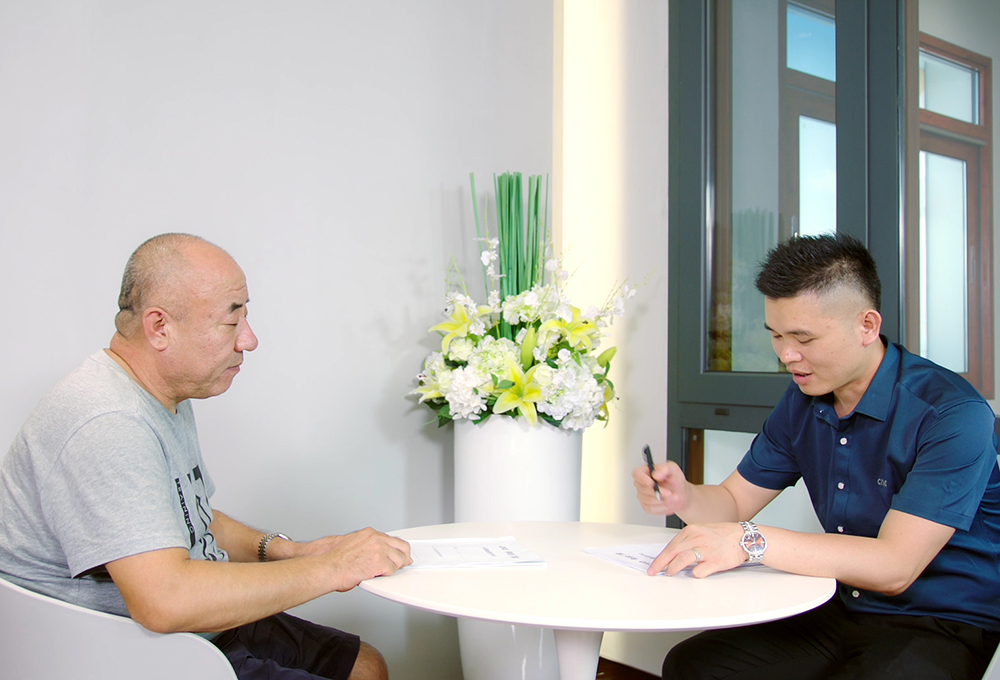
Engineers collaborating on wind tunnel stress simulation, thermal boundary analysis, and impact barrier modeling.
Explore our full line of tested system solutions, offering performance-engineered profiles for high-spec engineering contracts.