Windows Doors Manufacturer

Leave Your Message
Need Project Quote?
Chat With Us Now
Chat With Us Now
Windows Doors Manufacturer
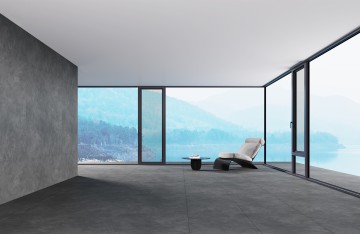
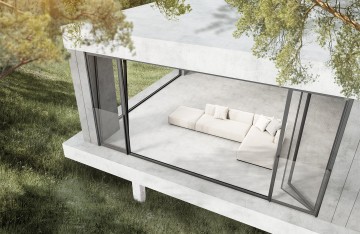
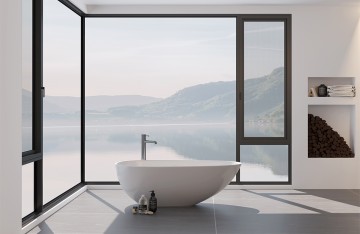
Explore our selection of top-tier residential thermal barrier windows designed to deliver unmatched insulation, structural rigidity, and modern minimalism.
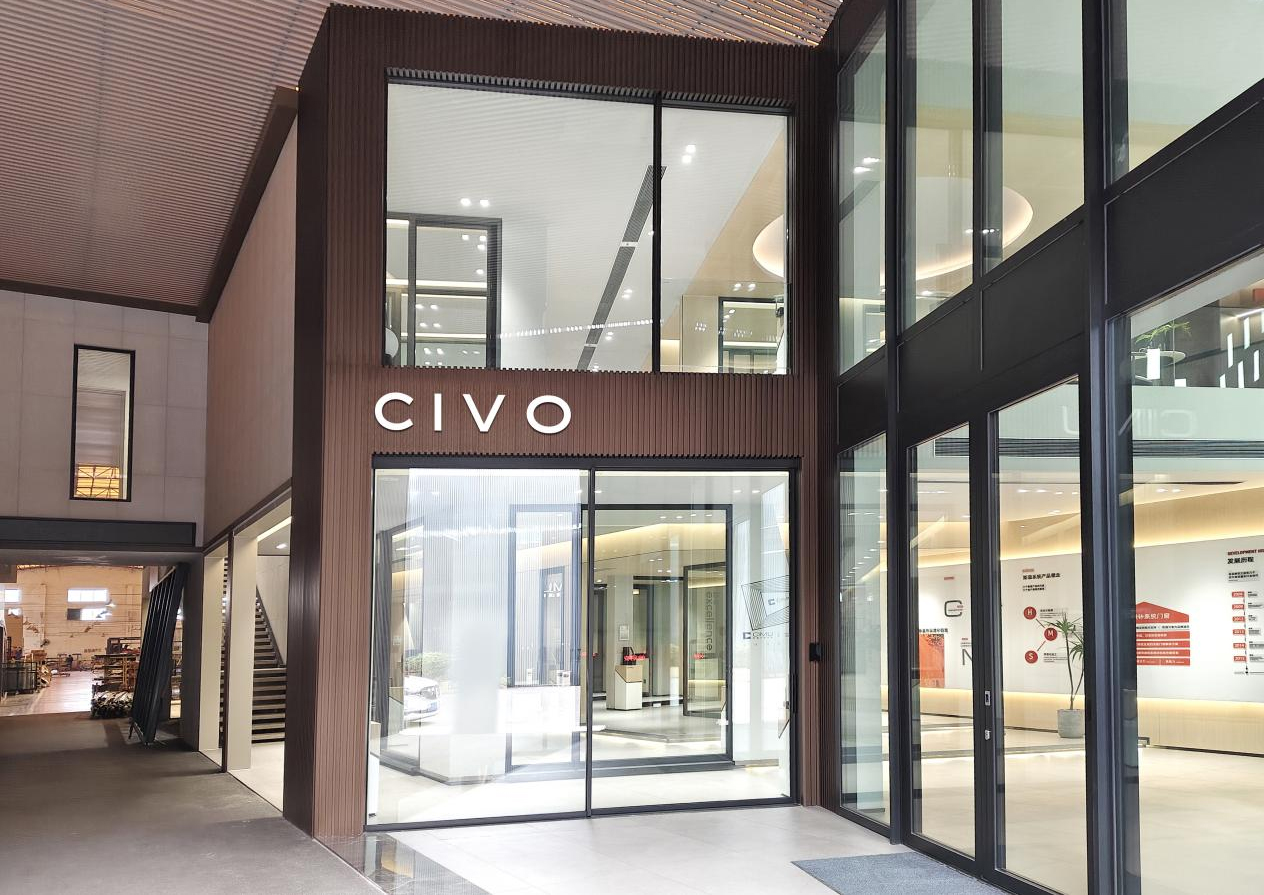
CIVO is a premier provider of architectural aluminum system solutions, integrating research and development, production, sales, and service of system door and window products. With the slogan “MAKE BUILDINGS MORE FLEXIBLE,” the CIVO brand is committed to delivering quality-oriented home building materials and enabling countless households to experience the unique charm of high-end system doors and windows.
According to the geographical climate and local architectural styles of different regions, CIVO has developed a series of high-quality, safe, and energy-efficient products designed to meet the needs of high-end consumer groups. Since its establishment, CIVO has taken product safety as its core responsibility, ensuring that every product reflects its commitment to durability, performance, and security.
In the contemporary architectural landscape, the demands placed on residential building envelopes have intensified. No longer are windows viewed merely as static portals for light and ventilation; they are now engineered systems critical to a building’s energy performance, structural integrity, and acoustic comfort. At the center of this technological shift is the aluminum thermal break window. By inserting a low-conductive thermal barrier—typically made of polyamide reinforced with glass fiber—between the interior and exterior aluminum profiles, manufacturers have effectively resolved the historic vulnerability of aluminum: its high thermal conductivity.
Historically, residential developers favored wood or vinyl (uPVC) frames due to their natural insulating properties. However, wood is prone to weathering, warping, and high maintenance costs, while vinyl lacks the structural strength required for expansive, modern architectural designs with large glass surfaces. Aluminum, famed for its exceptional strength-to-weight ratio, durability, and sleek profile, became the material of choice for high-end residential projects. The introduction of thermal break technology bridged the gap, offering the structural benefits of aluminum alongside superior energy performance that meets and exceeds strict modern building codes.
The global market for aluminum thermal break windows is undergoing rapid expansion, driven by urbanization, green building regulations, and a growing consumer preference for sustainable living. Governments worldwide are implementing stricter energy efficiency targets for residential buildings, such as the European Union's Energy Performance of Buildings Directive (EPBD) and the Leadership in Energy and Environmental Design (LEED) standards in North America. These regulations mandate lower U-values (thermal transmittance), forcing developers and builders to move away from non-insulated window profiles toward advanced thermal break configurations.
From a commercial perspective, developers find that installing premium thermal break systems increases the market value of residential properties. Modern homebuyers are willing to pay a premium for properties that promise low utility bills, superior indoor air quality, and minimal maintenance. This has shifted the product from a niche luxury option to a standard specification in mid-to-high-end residential projects. Furthermore, the supply chain for aluminum extrusion and thermal barrier strips has matured, allowing manufacturers like CIVO to offer highly customized options—including dual-color finishes (different colors for interior and exterior frames) and integrated insect screens—at competitive price points.
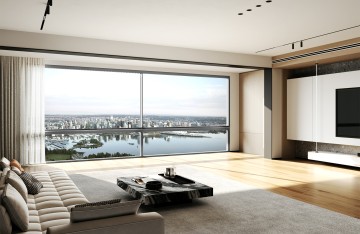
In high-rise residential towers, windows must withstand extreme wind pressures and rapid pressure changes. At the same time, residents demand unobstructed panoramic views of the city skyline. Standard window frames are often too bulky, obstructing the view, or structurally inadequate to support large panes of glass at high altitudes. Aluminum thermal break windows, such as the CIVO 140 Thermal Broken Suspension Sliding Window, provide the necessary structural strength. Their engineered frame depths and thick walls handle high wind loads while keeping the sightlines minimal. Additionally, the thermal break prevents condensation on the interior frame, a common issue in high-rise apartments with high humidity levels.
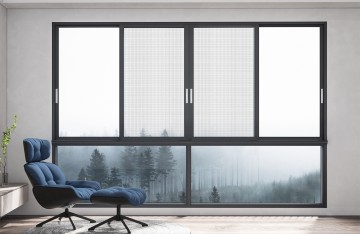
Passive House design principles require extreme air-tightness and thermal insulation to maintain a comfortable indoor temperature without active heating or cooling systems. In these scenarios, windows are often the most critical component. Aluminum thermal break systems with multi-cavity barrier profiles and triple-pane low-emissivity (Low-E) glass are essential. By drastically reducing thermal bridging, these windows help maintain a stable internal temperature. Systems like the CIVO 72 Window with Insulation are specifically engineered to optimize thermal resistance, achieving the low U-values required for net-zero certifications.
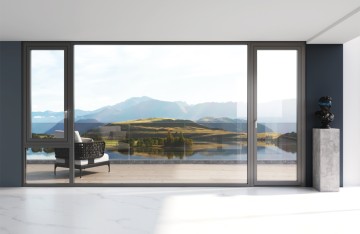
Coastal environments present a unique set of challenges, including high salt concentrations in the air, intense UV exposure, and the threat of tropical storms. Standard window materials degrade rapidly under these conditions. Anodized or powder-coated aluminum thermal break windows offer exceptional resistance to corrosion, pitting, and UV degradation. The structural integrity of aluminum is also vital for storm resistance, ensuring that large patio doors and windows do not deflect or leak during heavy rain and high winds. The integration of high-performance EPDM gaskets and multi-point locking systems ensures a watertight seal.
Retrofitting older residential buildings to meet modern energy standards often presents aesthetic challenges, especially in historic districts. Aluminum's ability to be extruded into ultra-slim profiles allows architects to mimic the thin sightlines of historic steel windows while providing modern insulation. The CIVO 138PD Minimalism Full View Thermal Broken Door and window systems allow historical structures to be upgraded for energy efficiency without losing their architectural character.
As smart home technology and materials science advance, the aluminum thermal break window is evolving into an active component of the residential ecosystem. Several key trends are shaping the future of this industry:
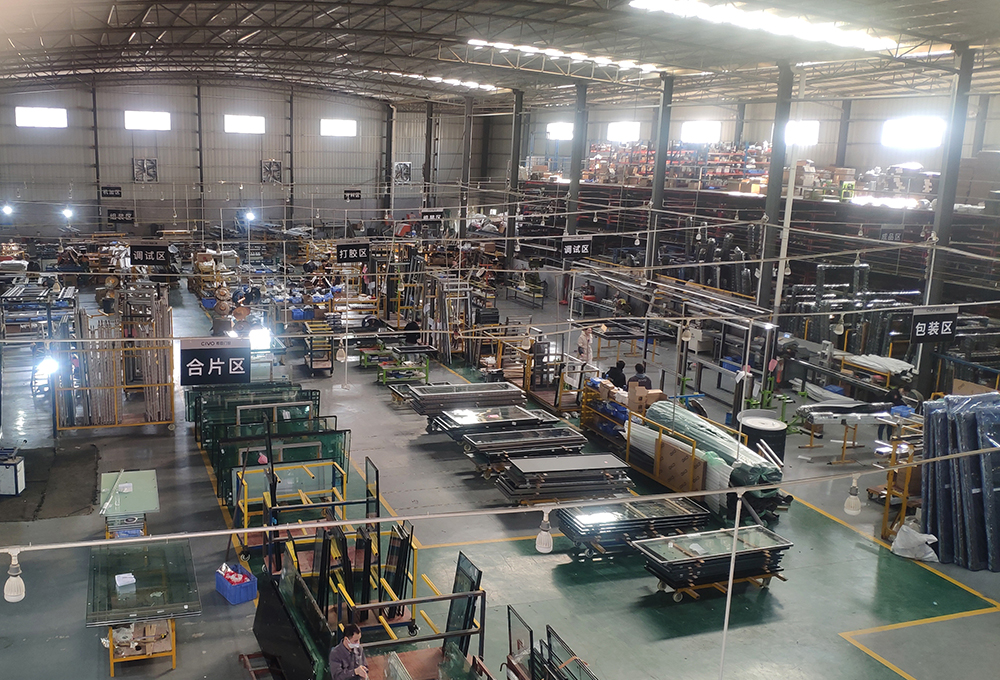
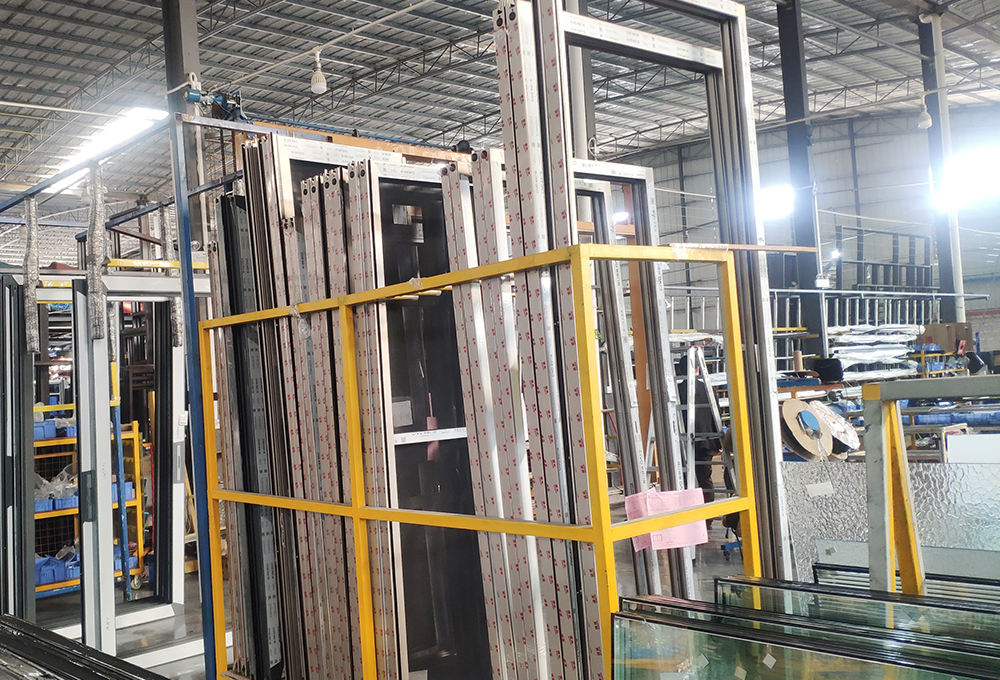
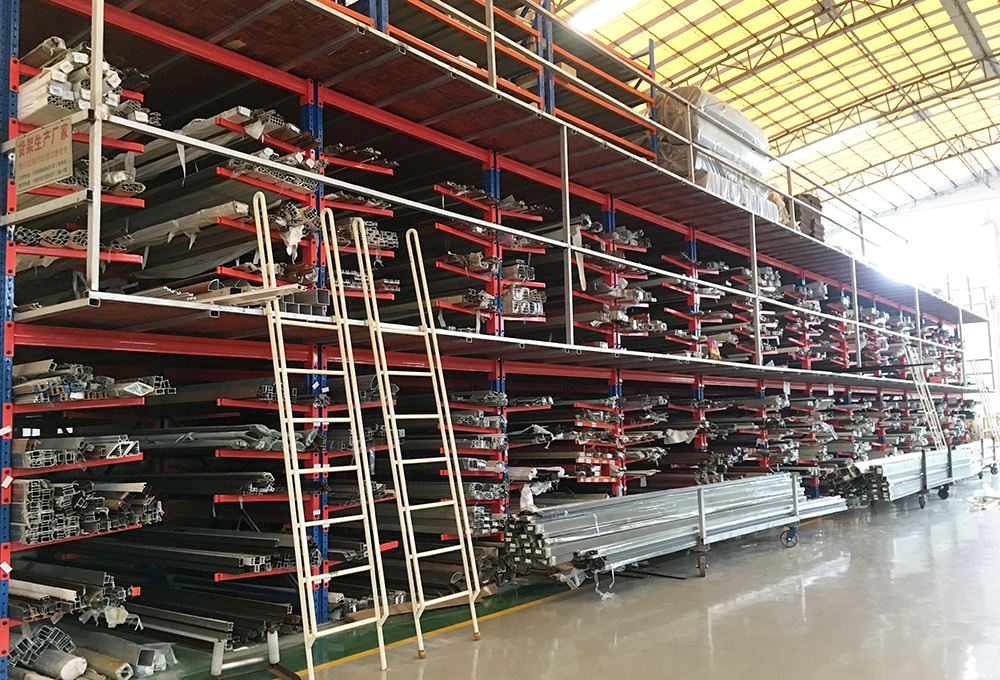
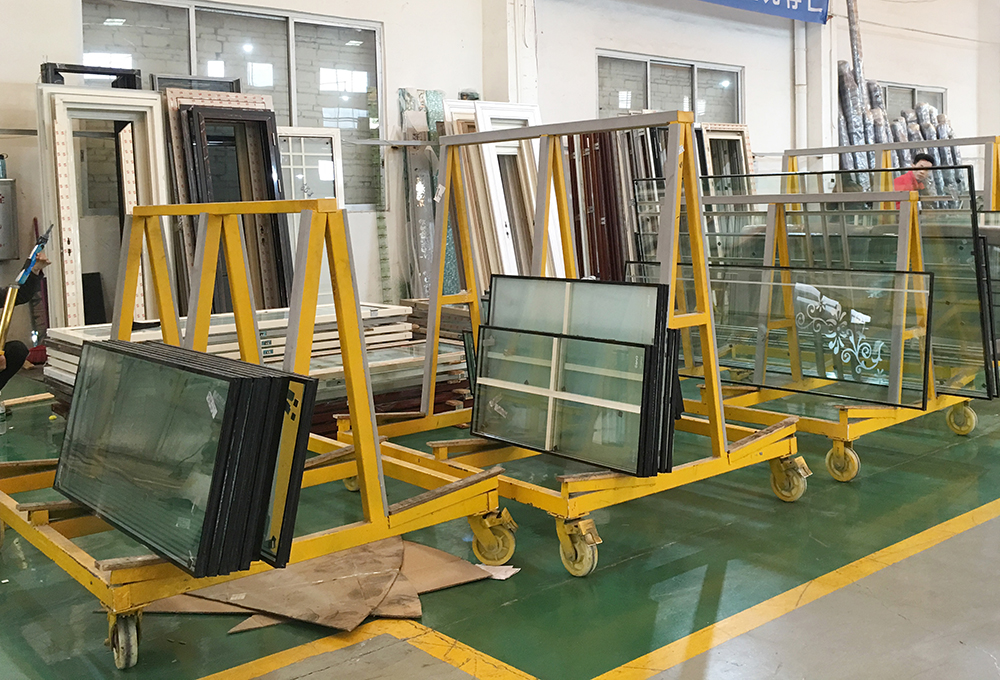
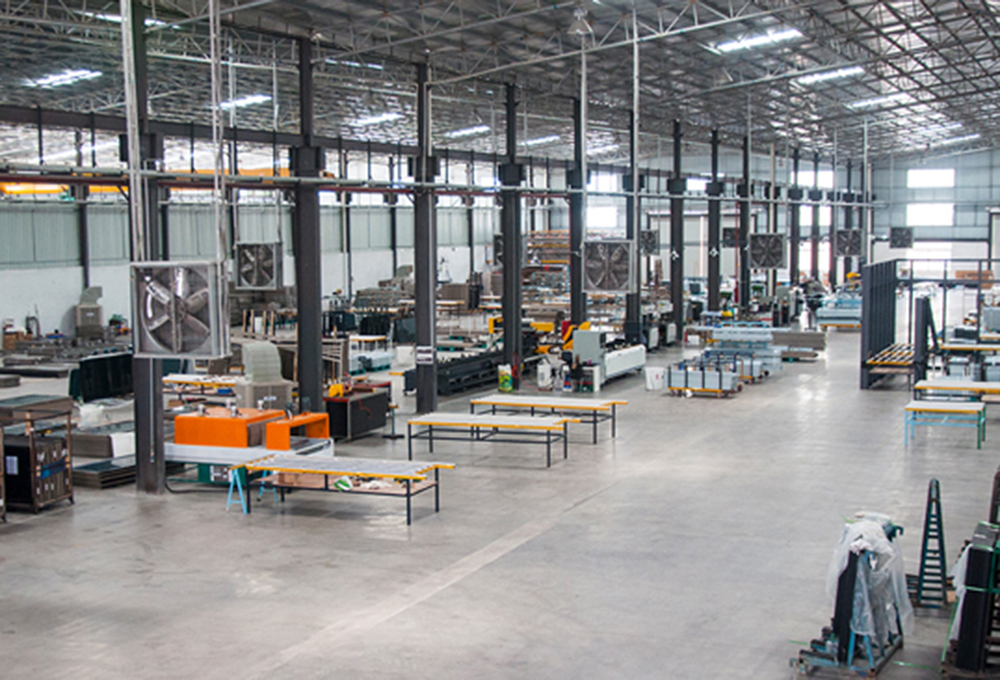
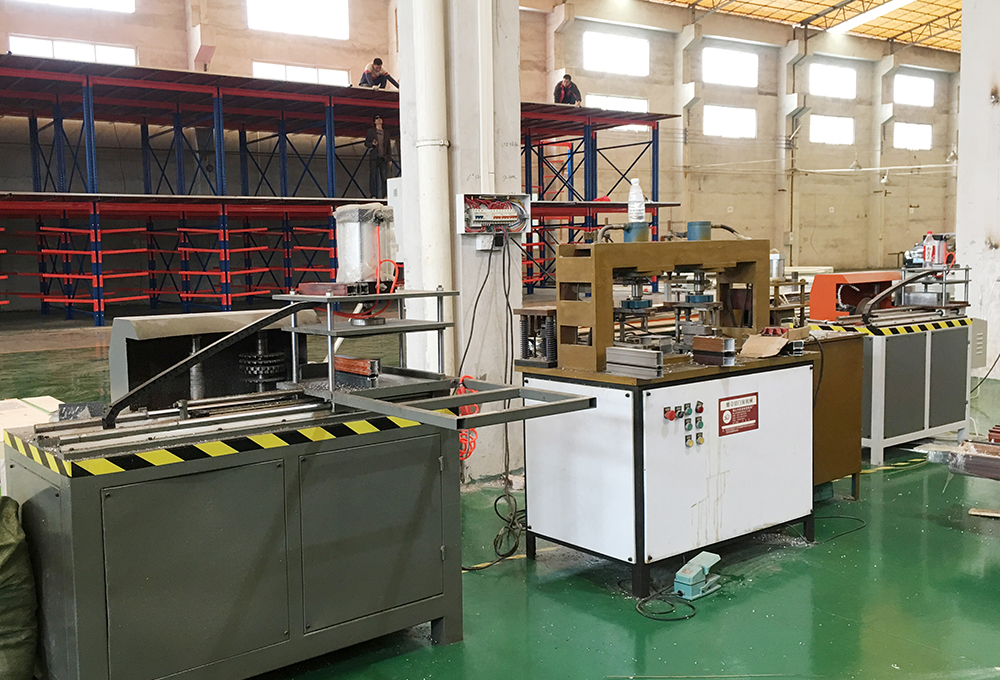
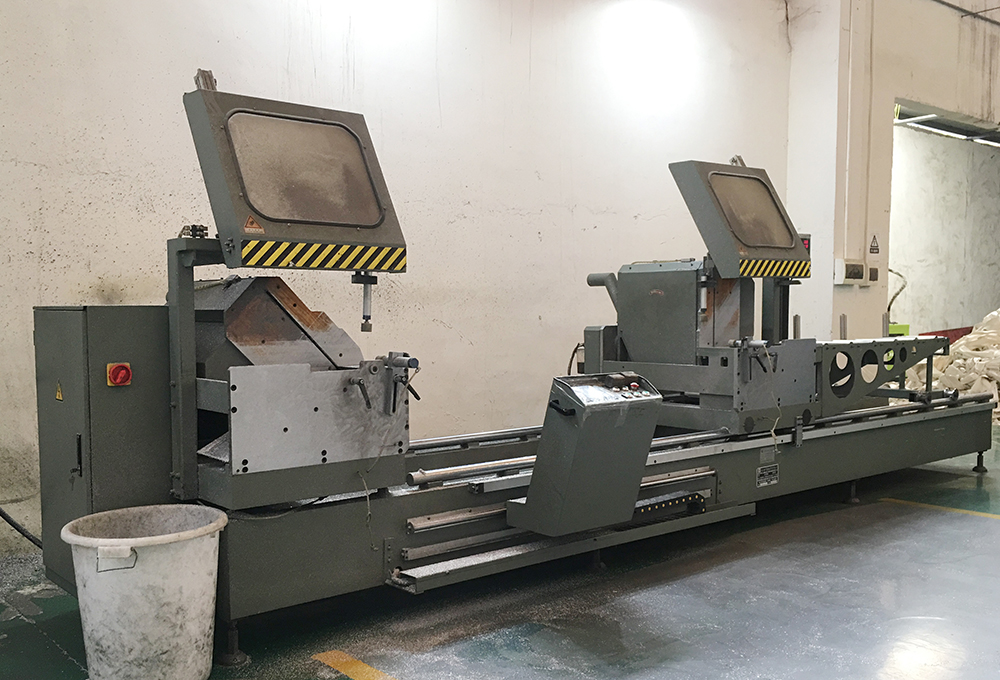
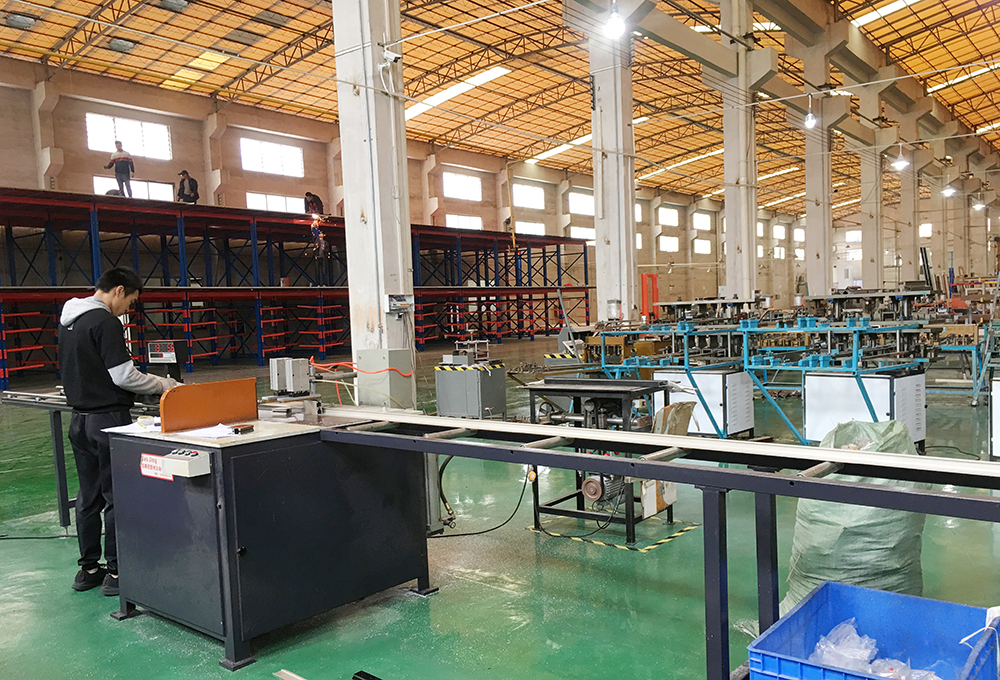
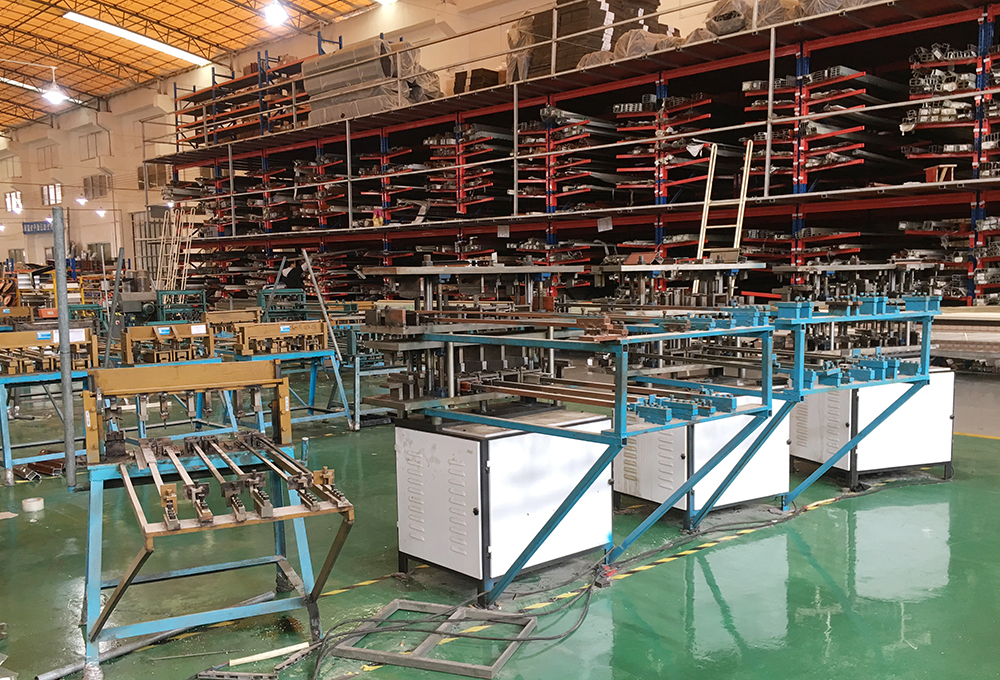
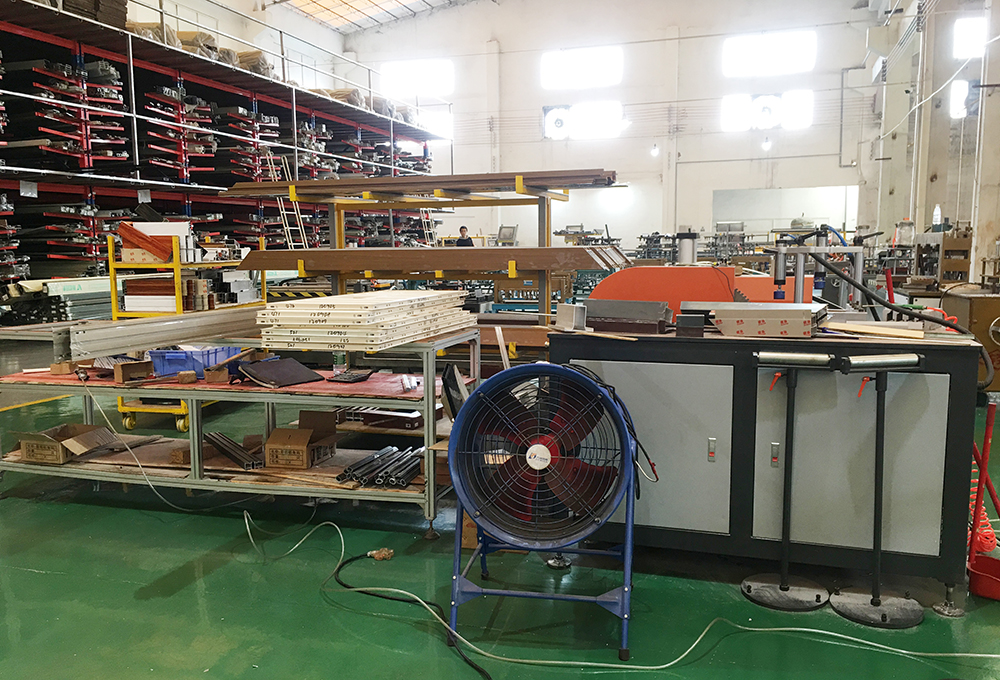
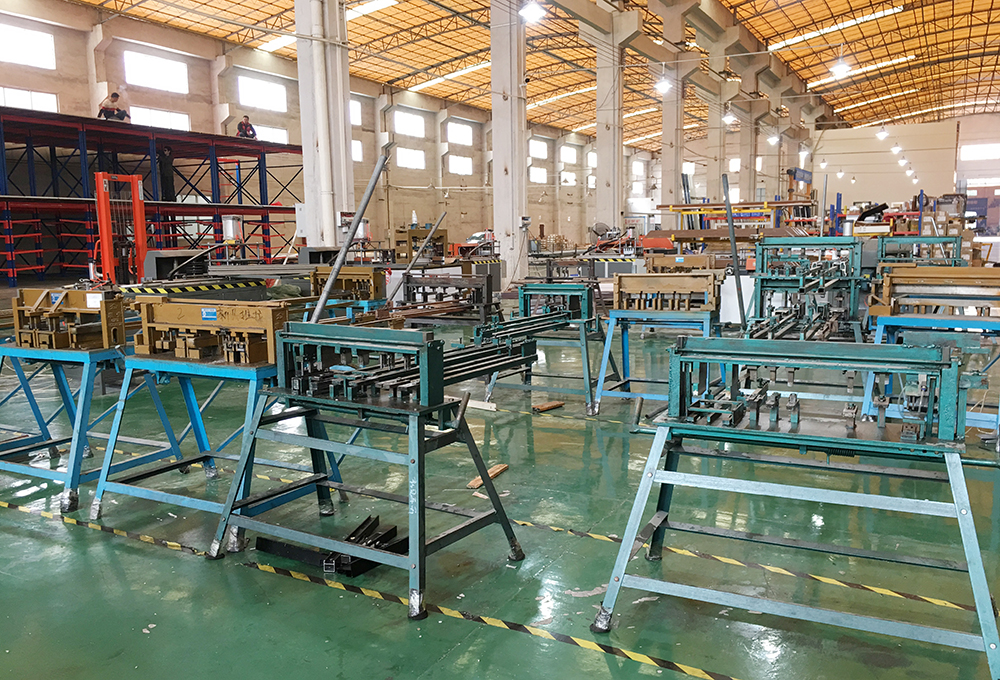
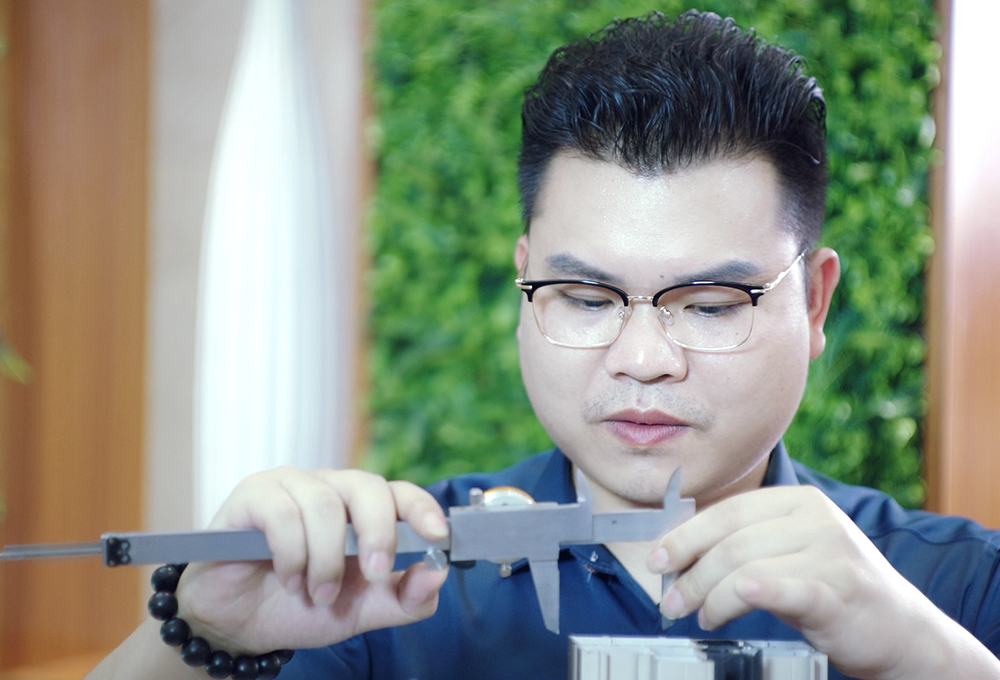
Foshan CIVO Technology Co., Ltd. stands at the forefront of these industry developments. Utilizing a massive 40,000 square meter production facility and a state-of-the-art R&D center, CIVO continuously innovates to meet the diverse needs of global residential markets. The integration of high-precision equipment, such as double-blade milling machines and hydraulic mold systems, ensures that every window profile is manufactured to exact tolerances. This precision is critical for maintaining the air-tightness and structural performance of thermal break assemblies. By offering a comprehensive product line—ranging from the robust 140 series for high-rise applications to minimalist sliding systems—CIVO empowers architects and developers to push the boundaries of residential design while securing optimal energy efficiency.
Our products conform to rigorous global standards, ensuring top-tier performance, security, and environmental compliance.
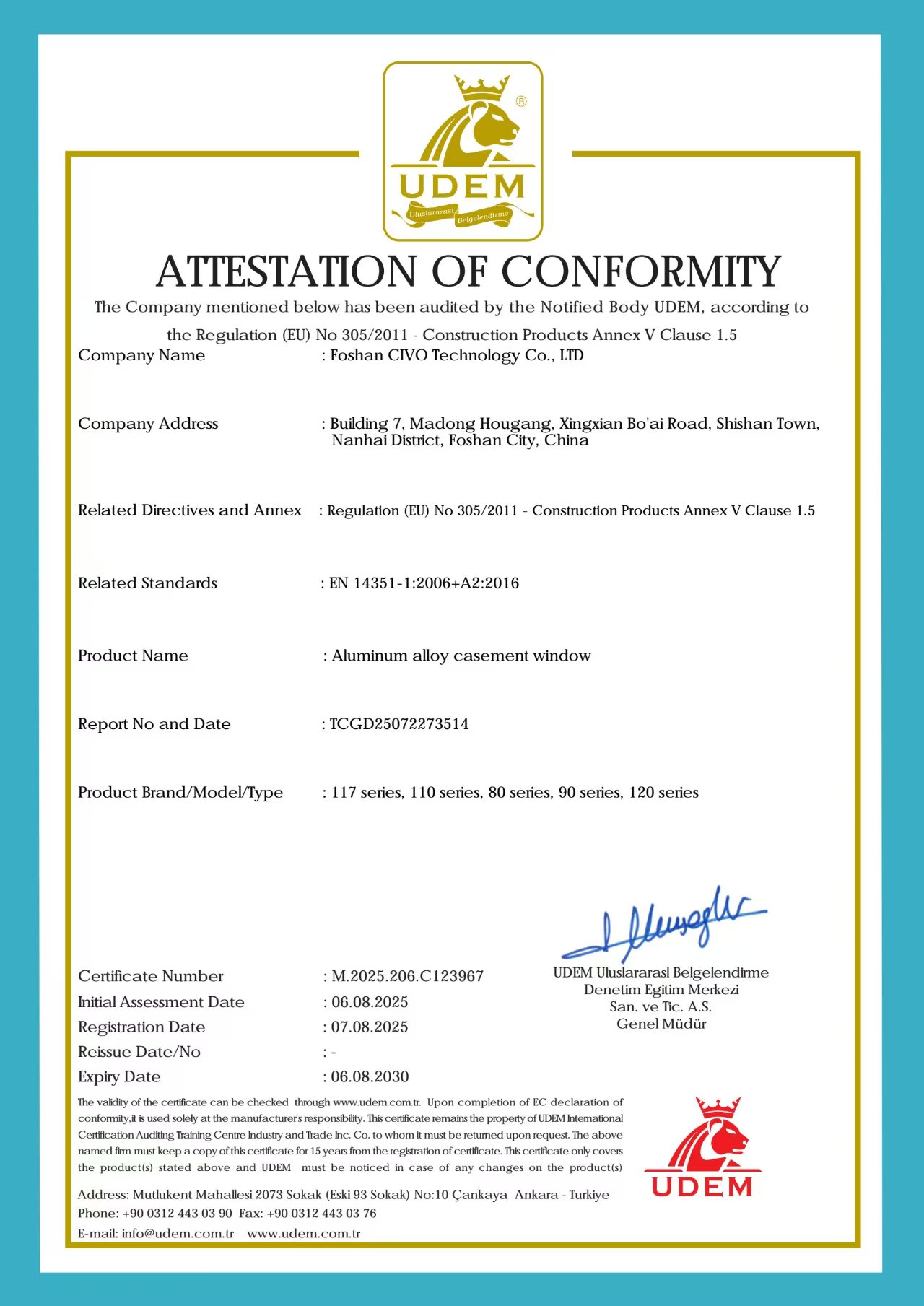
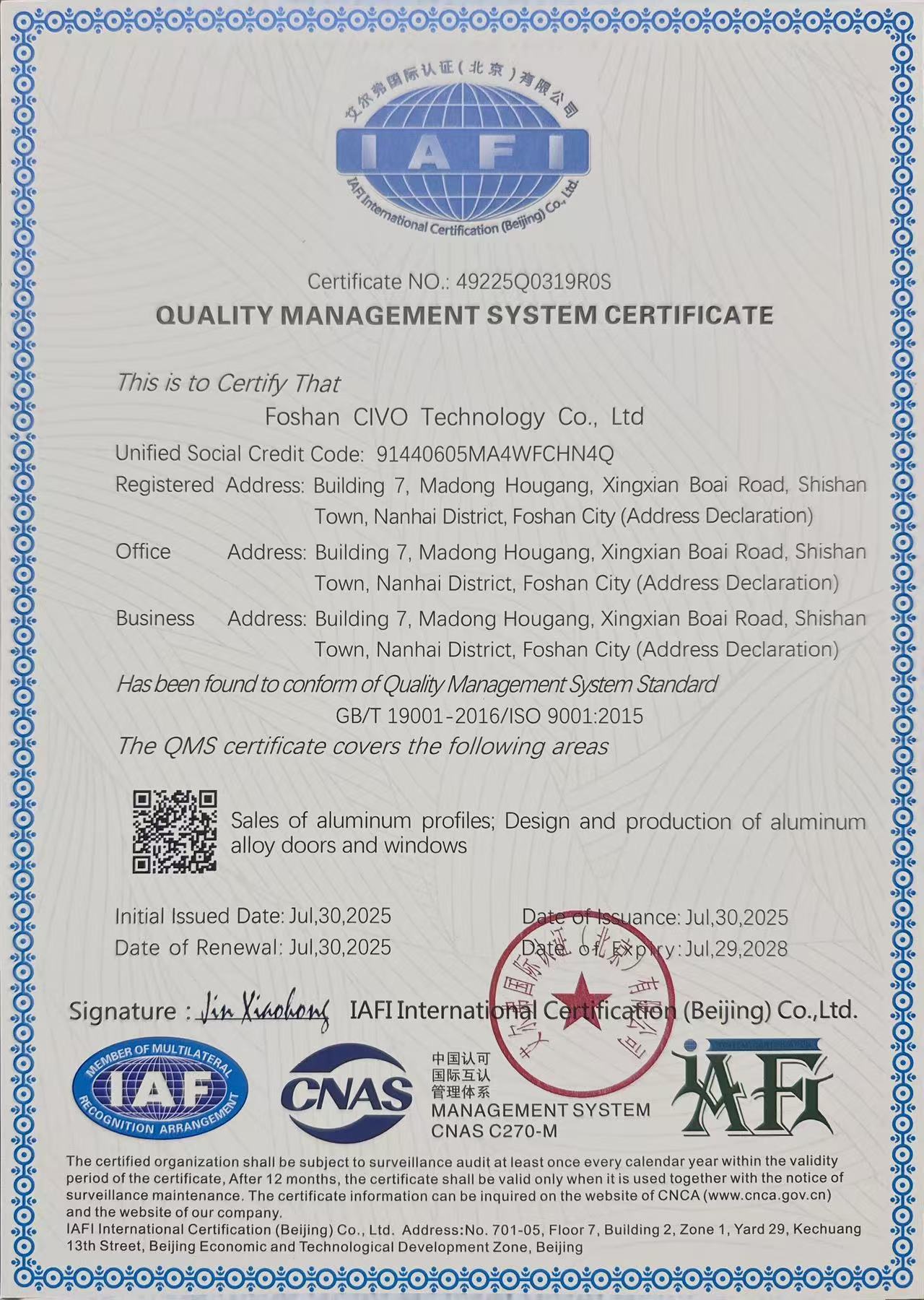
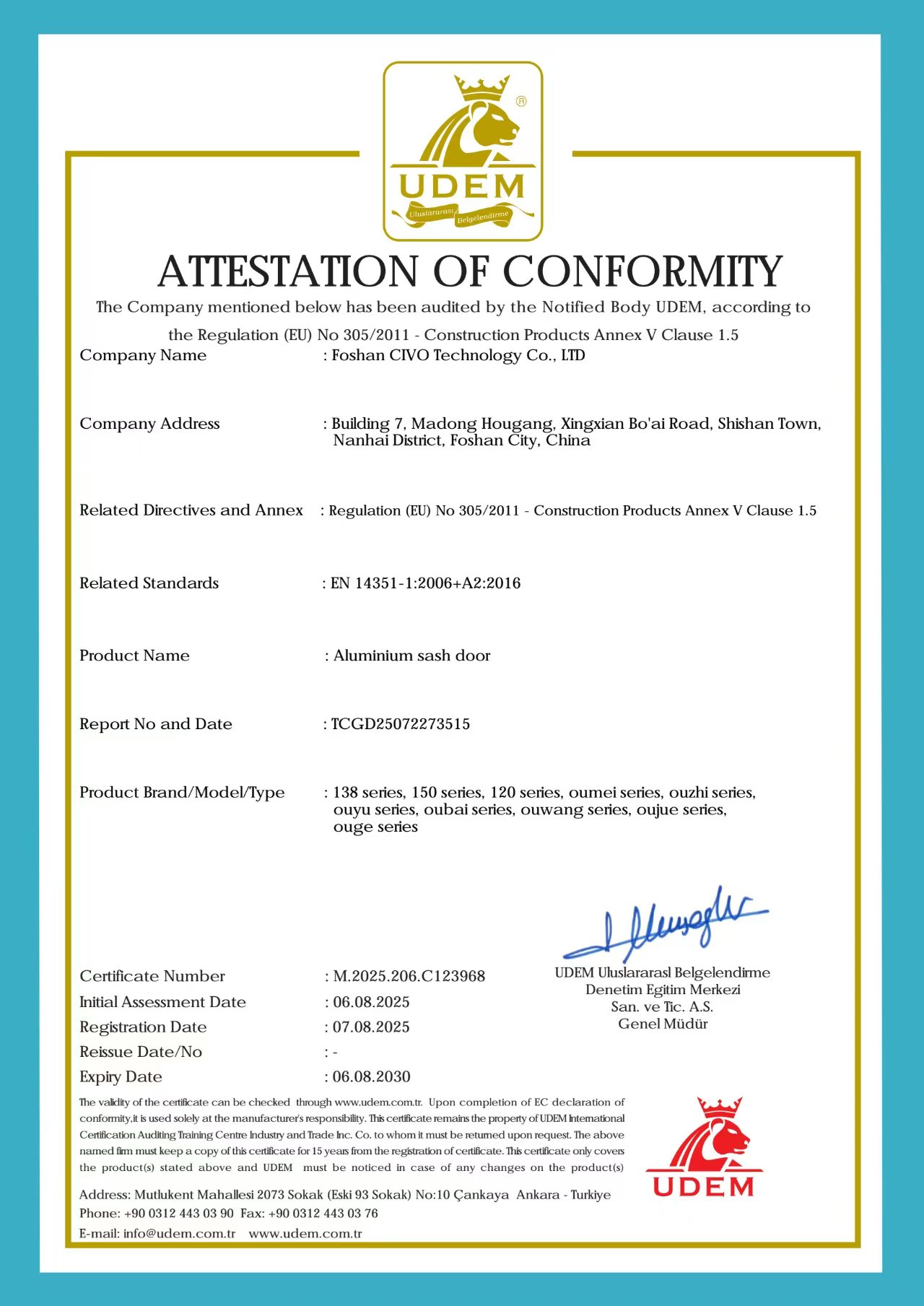
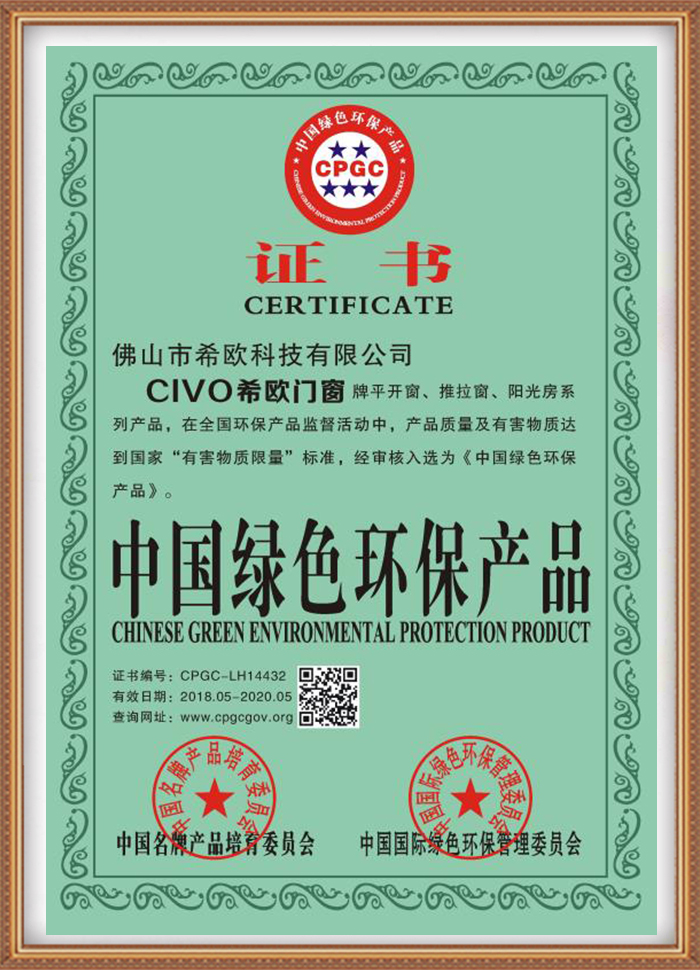
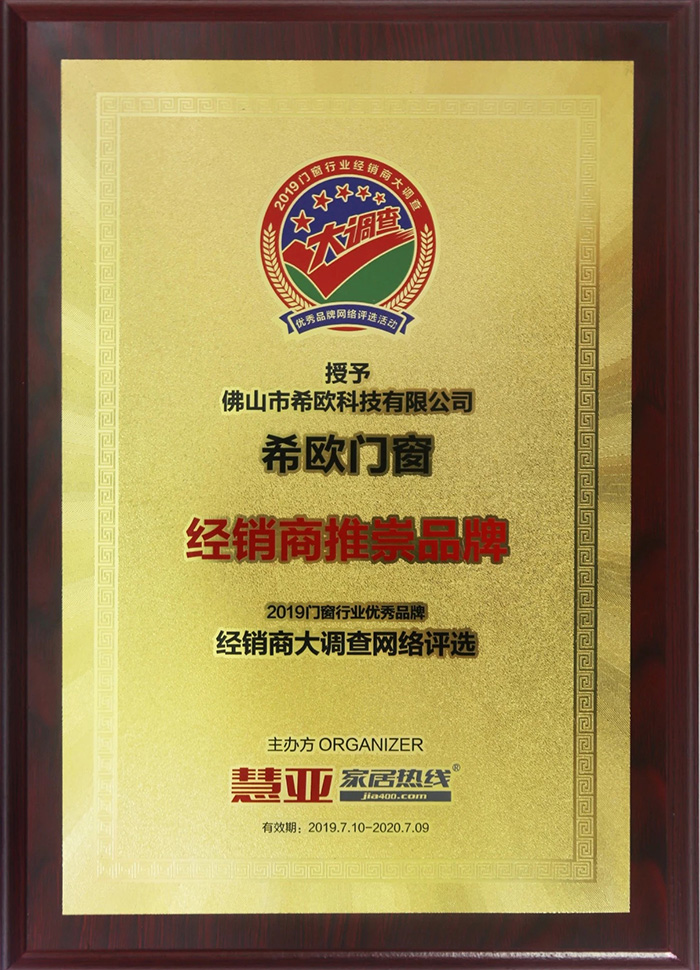
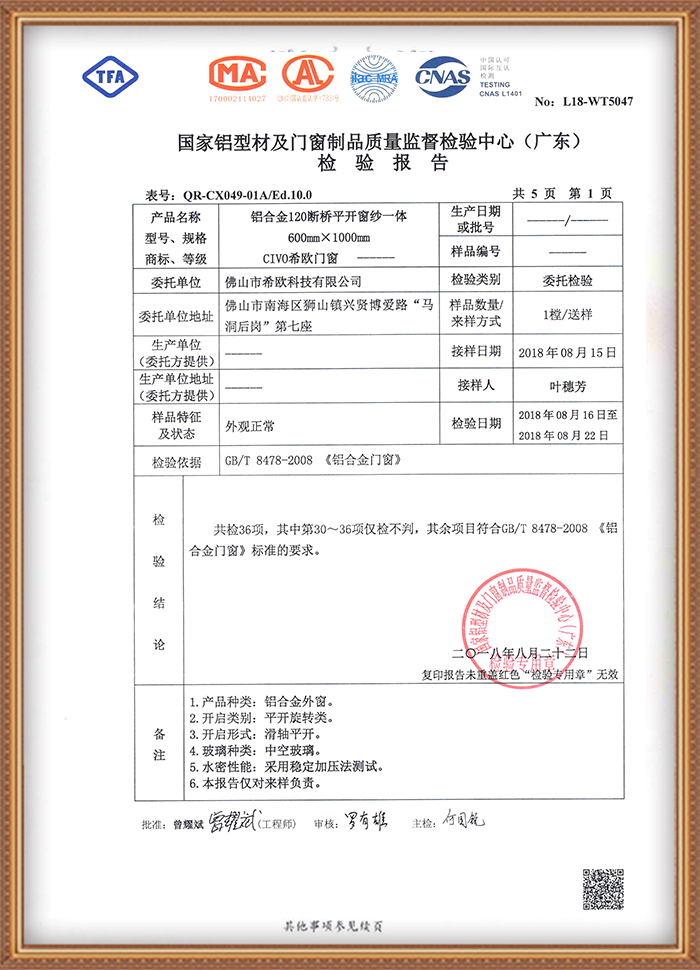
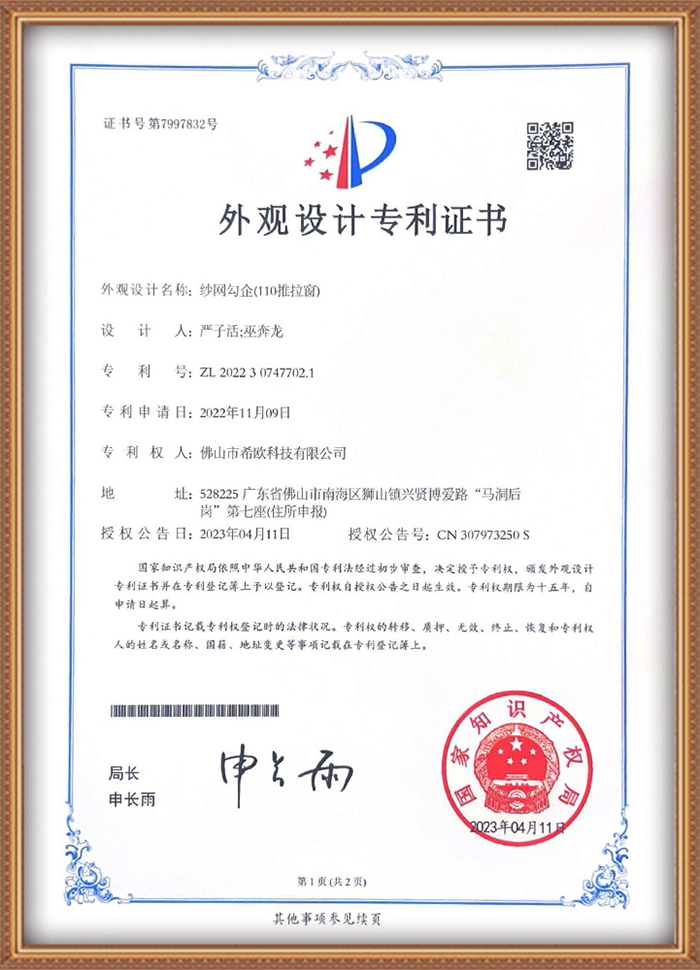
Inside our 40,000 square meter manufacturing plant, utilizing advanced precision machinery to construct high-performance windows.
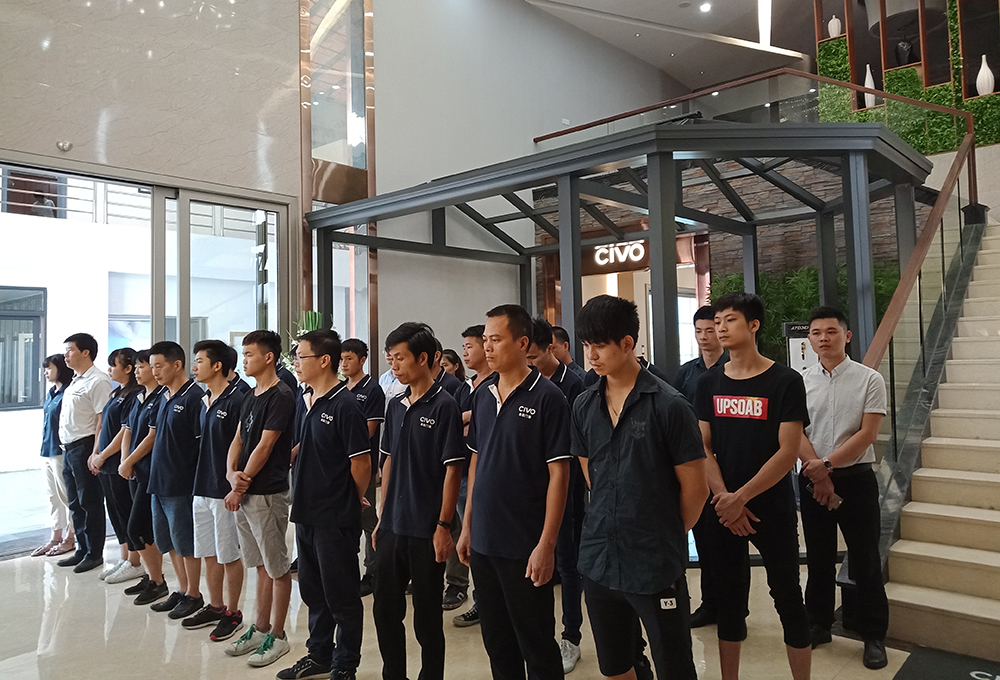
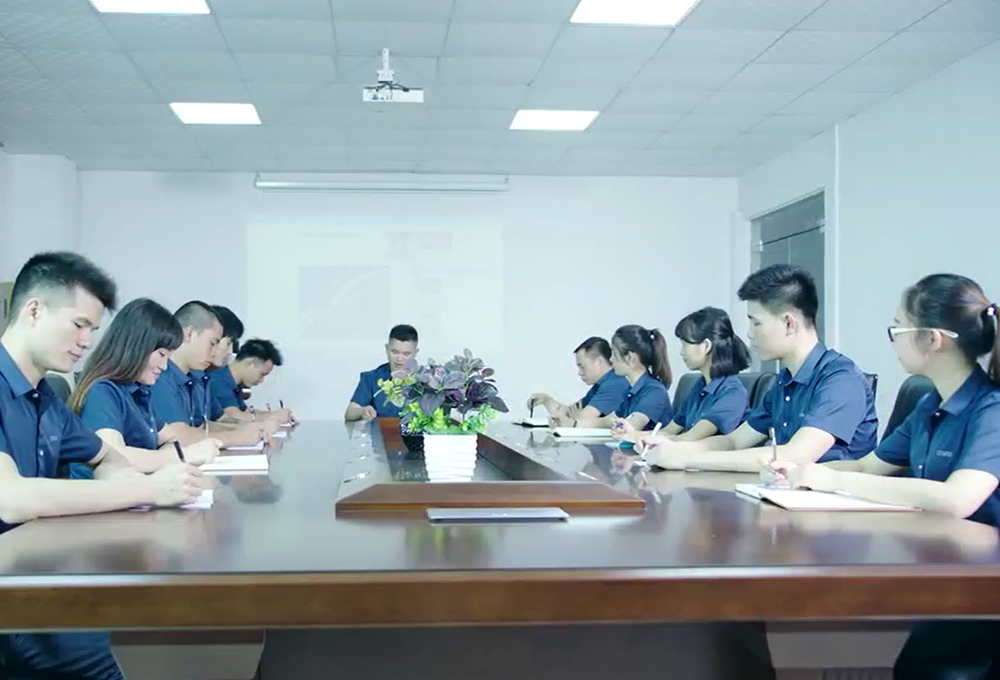
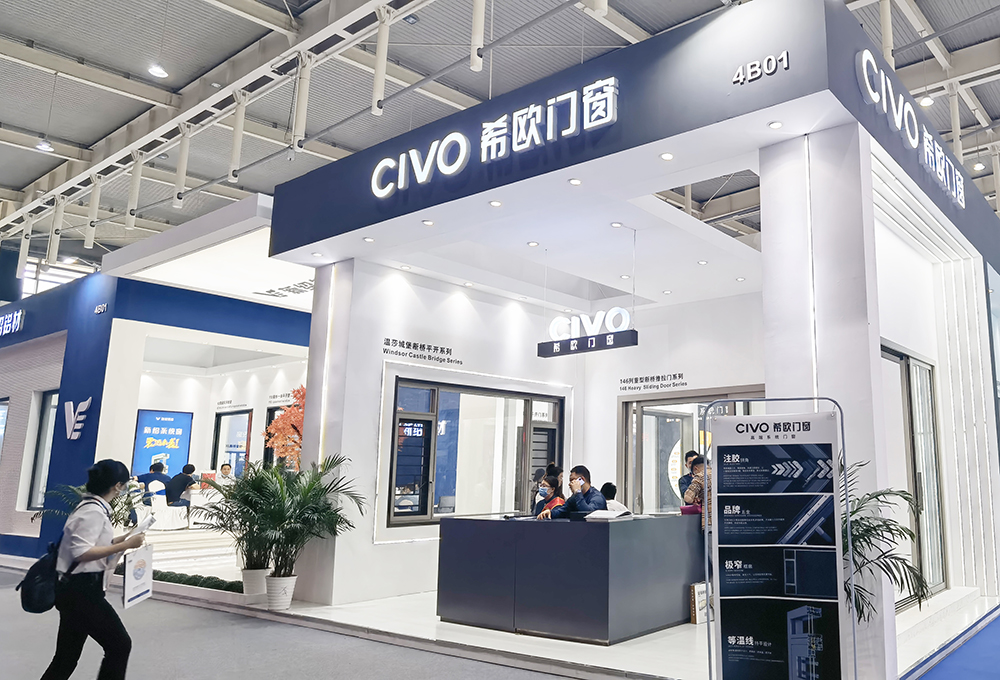
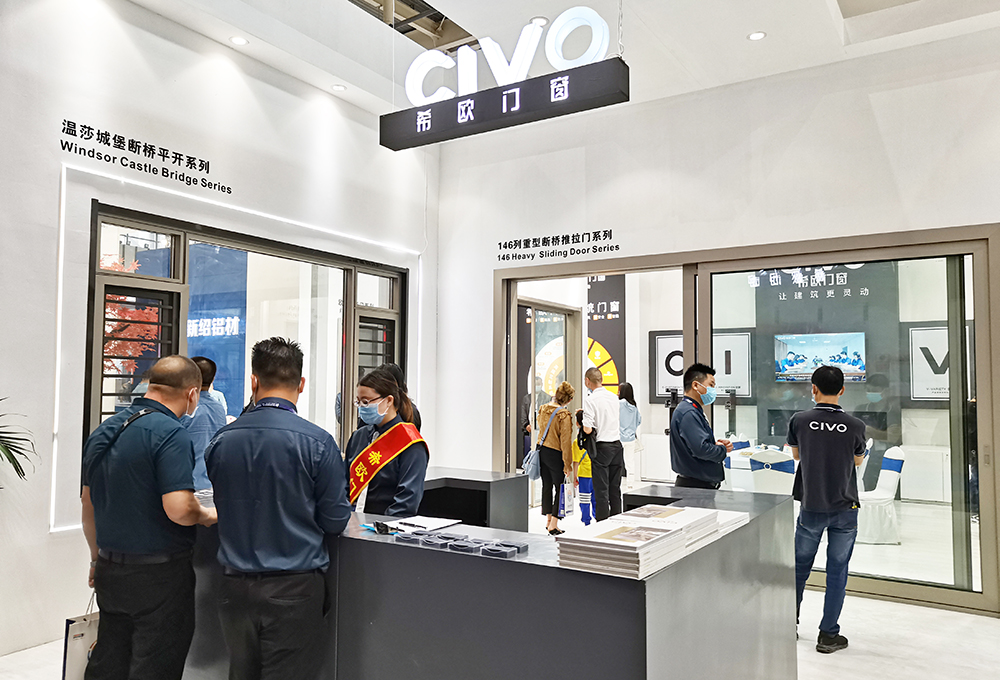
Continuous innovation and direct engagement with global architectural projects.




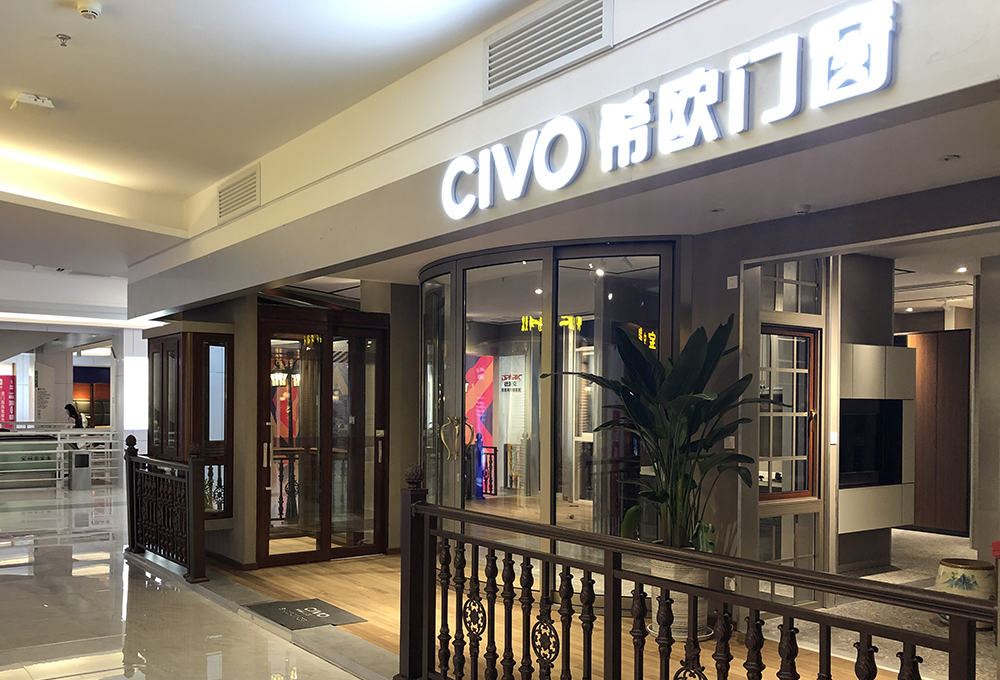
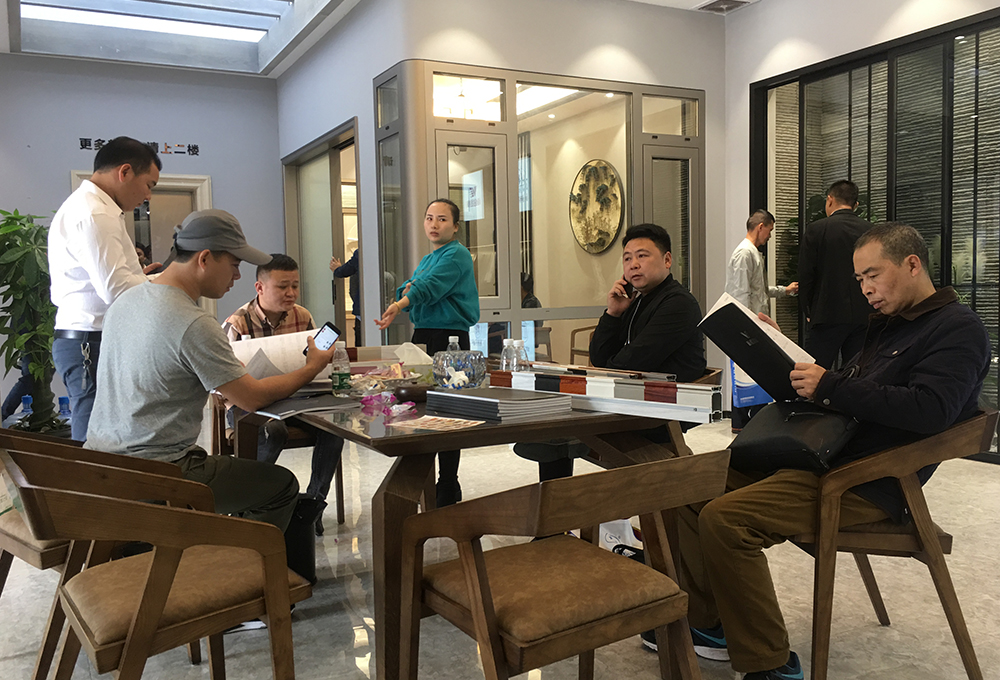
Browse our complete catalog of high-performance architectural systems engineered for modern residential developments.