Leave Your Message
Submit Message
Call: +8618927207770
Email: sales1@civowindows.com
WhatsApp Live Chat
Need Project Quote?
Chat With Us Now
0%

Buying an aluminum hurricane window isn’t just about picking a thick frame and a finish you like. You’ve also got to think about wind ratings, impact resistance, how well it’s installed, the glass design, and what kind of maintenance it’ll need down the road. Coastal weather has a way of exposing weak choices fast. A loose fastener, a bad seal, or the wrong opening type can let water and pressure sneak inside. Those are exactly the details worth checking before you place an order.

This guide gives you seven practical tips for evaluating aluminum hurricane windows with a little more confidence. It walks through verified product testing, regional building requirements, frame strength, glass construction, hardware, warranties, and installer experience. Look for clear documentation from established manufacturers—not vague claims in ads. And ask whether the window actually fits your wall structure and local exposure category. The same advice applies when you’re comparing Hurricane Sliding Glass Doors, especially with wide openings and track drainage.

Small details really do matter.

A qualified contractor should inspect the opening, explain the installation method, and give you a written estimate. Product labels and test reports help, sure—but they don’t replace professional judgment. In my experience, homeowners often focus on appearance first and then find out about unexpected costs for reinforcement or trim replacement. It’s an understandable mistake, but it’s avoidable too. No product is perfect. Even a well-tested window can perform poorly if it’s installed carelessly or rarely maintained. Use these tips as a practical starting point, and double-check the technical details with local professionals and the manufacturer.
7 Tips for Buying Aluminum Hurricane Windows

Understand How Aluminum Hurricane Windows Provide Storm Protection

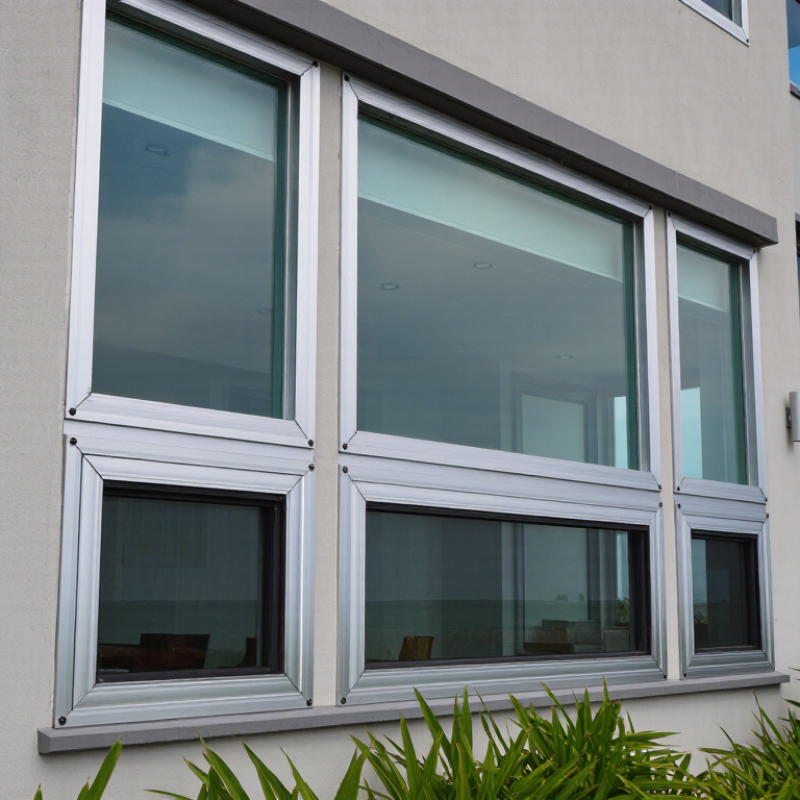
Aluminum hurricane windows protect homes through a combination of impact-resistant glass, reinforced frames, and secure anchoring. During a storm, wind pressure changes quickly. The window must resist flying debris, repeated pressure, and water intrusion without separating from the wall. A strong frame alone is not enough.

When I inspect a Casement Window Aluminum system, I look closely at the corner joints, hinges, locking points, and fasteners. These details often reveal installation weaknesses. Certified impact glass may remain attached after cracking, which helps keep wind from entering the room. Multi-point locks can improve pressure resistance, but only when they engage completely. Small gaps around the frame can still cause serious leaks.

Look for documented performance testing, qualified installation, and materials suitable for coastal exposure. Aluminum resists warping and provides structural strength, yet salt air can damage poorly protected surfaces over time. Ask how the finish was tested and how drainage channels manage heavy rain. I once overlooked a narrow sill gap during a renovation review; it later allowed water behind the interior trim. That mistake was avoidable. A careful measurement and professional assessment matter more than attractive hardware or a low initial price.

Check Local Building Codes and Required Hurricane Ratings

Before buying aluminum hurricane windows, check your local building codes. Requirements can change by city, coastal zone, and building height. Ask the permitting office which hurricane rating your property needs. Do not rely on a sales description alone. You may need approved impact protection, pressure ratings, and water-infiltration testing. The required rating for a beachfront home may differ from one inland.

Tip: Request the product approval documents before placing an order. They should show tested design pressures, impact results, glass details, frame specifications, and approved installation methods. Confirm that the documents match the exact window size. A small mismatch can create serious inspection problems. I have seen attractive products fail review because the paperwork covered another configuration.

Tip: Discuss installation with an experienced Aluminum Window & Door Manufacturer in Global, but verify local approval independently. Ask whether the installer understands your wind zone and fastening requirements. Check anchor spacing, substrate condition, sealant, and drainage paths during installation. Keep permits, test reports, invoices, and inspection records together. This feels excessive until an inspector asks for one missing page. I would also recheck the code before ordering, because requirements and interpretations can change.

Compare Frame Quality, Glass Options, and Impact-Resistance Features

When buying aluminum hurricane windows, inspect the frame before admiring the glass. A strong frame should have reinforced corners, consistent welds, solid drainage paths, and corrosion-resistant finishes. Thin extrusions may flex during pressure cycles. That movement can weaken seals, even when the window looks attractive. NOAA reports that the 1991–2020 U.S. Atlantic average included 14 named storms and seven hurricanes annually. Repeated exposure matters.

Glass selection requires more than choosing “impact”on a product label. Laminated glass uses an interlayer that helps hold broken pieces together. Insulated laminated units can also improve noise control and inDoor Comfort. However, thicker glass does not automatically mean better protection. ASTM E1996 impact testing uses a 9-pound, 2-by-4 projectile traveling about 34 miles per hour for large-missile conditions. The complete assembly must then survive repeated pressure cycles. Ask for certified test documentation, not verbal assurances.

Frame depth, fastener spacing, and installation anchorage deserve equal attention. FEMA coastal guidance repeatedly identifies window openings as vulnerable points during hurricanes. A premium window can still fail when installed into weak masonry or with undersized anchors. Compare the tested assembly, not just the glass specification. I once considered frame appearance a useful shortcut; it was not. Check corner construction, pressure ratings, laminated thickness, and replacement-part availability. Small details often decide whether protection remains reliable after years of heat, salt, and vibration.

Measure Window Openings and Confirm Installation Requirements

Accurate measurement is the foundation of hurricane-window performance. Measure each opening separately, even when the windows look identical. Record width at the top, center, and sill. Then measure height on the left, middle, and right. Use the smallest width and height, not the average. This allows room for shims, sealant, and frame movement. A steel tape, level, and square are more dependable than visual judgment.

FEMA’s Coastal Construction Manual recommends verifying rough openings, anchorage, and surrounding wall conditions before installation. NOAA recorded 28 billion-dollar weather and climate disasters in the United States in 2023, showing why small installation errors deserve attention. Check whether the wall is masonry, concrete, or framed construction. Each surface needs different fasteners and embedment depths. Confirm the window’s tested design pressure, impact rating, and required installation method before ordering.

I have seen measurements fail at the sill.

The Aluminum Window & Door Manufacturer in Asia should receive clear opening sizes, wall details, and site photos. Confirm drainage paths, sill slope, and interior finish thickness. Do not assume the existing frame is square; diagonal measurements can reveal hidden movement. ASTM E1886 and E1996 testing addresses impact performance, while project requirements may also reference local wind-load standards. I would remeasure before fabrication, because one rushed reading can create an expensive correction later.

Evaluate Energy Efficiency, Weather Sealing, and Maintenance Needs

Buying aluminum hurricane windows requires more than checking impact resistance. A U.S. Department of Energy report estimates that windows can account for 25–30% of residential heating and cooling energy use. Tip 1: Compare the NFRC-listed U-factor and solar heat gain coefficient. Lower U-factor generally means better insulation. Lower SHGC can reduce unwanted heat in sunny climates. Tip 2: Look for thermally broken aluminum frames. Unbroken metal can transfer heat quickly. A low U-factor is useful, but it is not magic.

Tip 3: Check air-leakage ratings, not just glass thickness. The National Fenestration Rating Council identifies air leakage as a key performance measure. Tip 4: Inspect corner joints, compression seals, and drainage paths. Gaps near a sill can invite wind-driven rain. Tip 5: Confirm that the complete assembly meets recognized impact and wind-pressure testing standards, such as ASTM E1886 and ASTM E1996. The frame, glass, locks, and installation must work together.

Tip 6: Ask how seals resist salt, sunlight, and repeated storms. Coastal exposure is harsh. Tip 7: Plan maintenance before installation. Rinse aluminum frames with clean water, clear weep holes, and check gaskets annually. FEMA guidance emphasizes proper opening protection and secure installation, yet many owners focus only on the product label. That is an easy mistake. A window can be highly rated but poorly sealed during installation. Inspect the wall opening, fasteners, and perimeter seal with a qualified installer.

7 Tips for Buying Aluminum Hurricane Windows

Typical maintenance intervals can help compare long-term ownership needs. Look for a low U-factor for better insulation, an appropriate SHGC for your climate, certified impact performance, tight weather seals, durable hardware, and accessible replacement parts.

The intervals shown are practical planning ranges commonly used for residential window care: routine cleaning and hardware checks are typically annual or semiannual, while perimeter sealant and weatherstripping often require attention about every five years. Actual timing depends on exposure, climate, installation quality, and the product’s care instructions.

Review Warranties, Certifications, Prices, and Installer Credentials

When I compare aluminum hurricane windows, I start with the warranty, not the showroom finish. Ask whether coverage includes frames, glass, hardware, labor, and coastal corrosion. A ten-year promise means little if exclusions occupy two pages. Read the claim process carefully. Keep invoices, installation photos, and serial records together. This habit can save time during repairs. I once overlooked a hardware exclusion. That was my mistake.

Request test reports showing impact resistance, pressure ratings, water penetration, and air leakage. Certification documents should identify the model, glass type, and tested configuration. A certificate for standard glass may not cover laminated hurricane glass. Check the issuing laboratory independently. Local code approval matters in storm-prone districts. Ask for documents before paying a deposit. Verbal assurances are weak evidence.

Compare complete prices, not window-only quotes. Include removal, flashing, anchors, permits, sealing, and disposal. A low quote can hide weak fasteners or rushed preparation. Ask installers about training, insurance, references, and similar projects. Visit one completed installation if possible. Confirm who handles warranty claims. An experienced Aluminum Window & Door Manufacturer in Africa should provide technical support and clear specifications. However, manufacturer credentials do not replace installer skill. Inspect alignment, even gaps, and clean seals. Small defects matter. Leave room for doubt.

72 Window with Insulation: Energy Performance Insights from U.S. DOE and ENERGY STAR Data Reports

The 72 Window with Insulation is designed to address the main thermal weaknesses of conventional window systems. According to the U.S. Department of Energy, heat gain and heat loss through windows can account for approximately 25–30% of a home’s heating and cooling energy use. By combining insulated glazing with a three-chamber frame, this window reduces conductive heat transfer and helps maintain a more stable indoor temperature throughout the year.

The three-chamber structure also strengthens the frame while improving thermal and acoustic performance. Separate internal chambers create additional insulating barriers, limiting the movement of heat and reducing outdoor noise. This design can support lower heating and cooling demand, particularly when paired with suitable low-emissivity glass, proper installation, and effective air sealing. DOE guidance consistently identifies whole-window performance—including frame, glazing, and installation—as essential to real-world energy efficiency.

Data published through the federal ENERGY STAR efficiency program emphasizes selecting windows according to climate-specific U-factor and solar heat gain coefficient requirements. A lower U-factor generally indicates better insulation, while an appropriate solar heat gain coefficient can help control unwanted summer heat and useful winter sunlight. With its three-chamber construction and insulation-focused design, the 72 Window aligns with these performance priorities while also providing improved load-bearing capacity and long-term comfort.

FAQS

Why should I check local building codes before buying aluminum hurricane windows?

Requirements vary by city, coastal zone, and building height. Ask the permitting office about required impact, pressure, and water-resistance ratings. Do not trust sales descriptions alone. Rules can change.

What should product approval documents include?

Request tested design pressures, impact results, glass details, frame specifications, and installation methods. Confirm the documents match the exact window size and configuration. A small mismatch may cause inspection problems. Paperwork matters.

How can I verify that the installation method is suitable?

Ask whether the installer understands your wind zone and fastening requirements. Review anchor spacing, substrate condition, sealant, and drainage paths. Confirm the wall is masonry, concrete, or framed construction. Details are easy to miss.

How should I measure each window opening?

Measure every opening separately, even when several windows look identical. Record width at the top, center, and sill. Measure height on the left, middle, and right. Use the smallest measurements, not averages.

Why should I use the smallest width and height?

Smaller measurements allow space for shims, sealant, and frame movement. Averages may create an opening that is too tight. That can complicate installation and drainage. Measure twice.

What tools can improve measurement accuracy?

Use a steel tape, level, and square. Check both diagonal measurements to identify hidden movement. Do not assume an existing frame is square. Visual judgment is unreliable.

What wall conditions should I inspect before ordering?

Check the sill slope, drainage paths, wall material, and interior finish thickness. Different surfaces require different fasteners and embedment depths. Also inspect the surrounding wall for damage or movement. I have seen sill measurements fail.

What records should I keep during the project?

Keep permits, test reports, invoices, site photos, and inspection records together. Include opening sizes and installation details. These records help explain decisions when questions arise. One missing page can delay approval.

Why should I recheck measurements and requirements before fabrication?

Requirements and interpretations may change before ordering. One rushed measurement can create an expensive correction. Recheck the code, opening sizes, wall details, and drainage conditions. It feels excessive.

Conclusion

Buying the right Aluminum Hurricane Window requires more than choosing a strong-looking product. Start by understanding how the window’s reinforced frame, impact-resistant glass, and secure locking system help protect your home from high winds and flying debris. Check local building codes to confirm the required hurricane rating, testing standards, and installation rules in your area. Then compare frame construction, glass layers, protective coatings, and impact-resistance features to find an option suited to your property.

Before ordering, measure every opening carefully and verify whether structural adjustments or professional installation are needed. Consider energy efficiency, low air leakage, weather sealing, noise reduction, and long-term maintenance requirements. Finally, review the warranty, product certifications, total price, and the installer’s experience and credentials. A careful comparison of these factors can help you select durable windows that improve storm protection, comfort, and value while meeting local requirements.

Liam

Liam

Liam is a dedicated marketing professional at Foshan Xio Technology Co., Ltd., where he leverages his extensive knowledge of the company's products to enhance brand visibility and customer engagement. With a deep understanding of cutting-edge technology solutions, Liam plays a pivotal role in......
Previous 10 Tips for Choosing the Best Aluminum Impact Windows