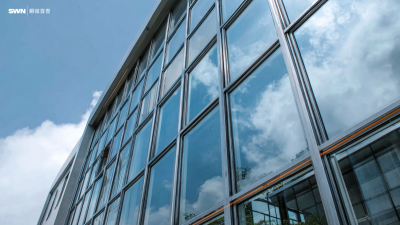
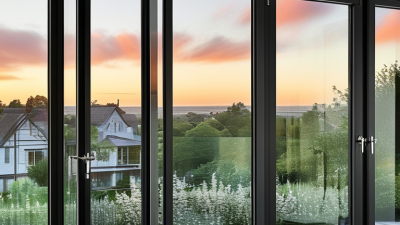
When you're on the hunt for the perfect Aluminum Casement Window, it's super important to pick the right one for your project. These windows are a great combo of looks and practicality, which is probably why they're such a hit with importers worldwide. Plus, their durability and energy efficiency? Total game-changers. But heads up—not all windows are the same. You’ve gotta be careful with who you buy from and what materials you choose.
There are a few key things importers should keep in mind. The quality of the aluminum, how the design looks, and how well it insulates—these are all huge. Every little choice affects not just how good the window looks, but also how long it'll last. Skimp on these details, and you might end up with costly regrets.
Luckily, there are some trusted names out there, like WindowPros and EuroTech. These guys know their stuff and can really help you navigate all the options. Don't forget to check out their certifications and warranties—that’s often a good indicator of quality. Do a bit of homework now, and you’ll save yourself a headache later. It’s all about investing smart, so you get a window that’s worth every penny.
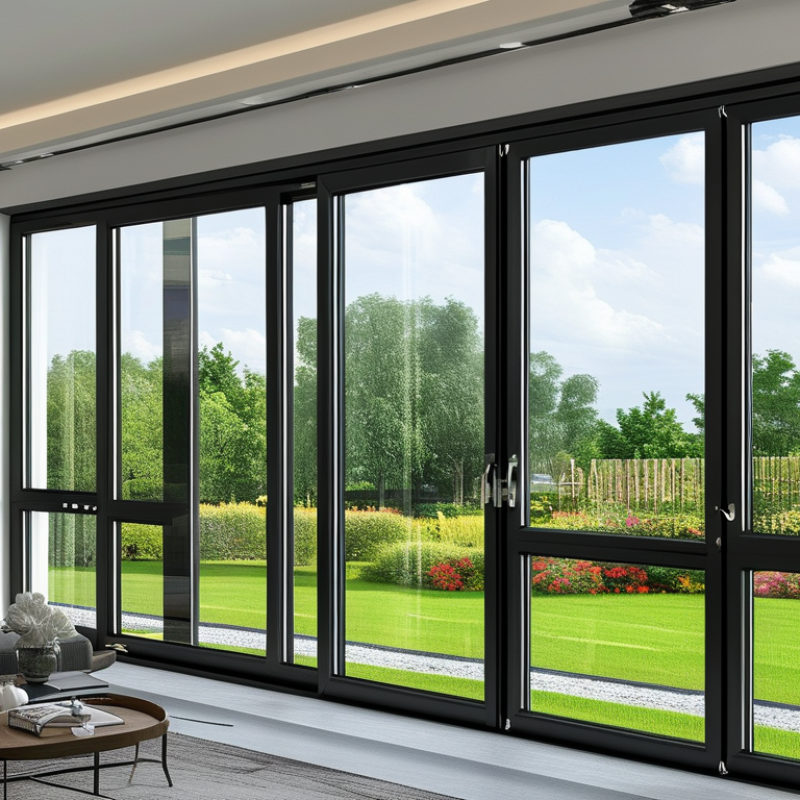
Understanding Aluminum Casement Windows: Key Features and Benefits
Aluminum Casement Windows are a popular choice for many buildings. They offer a blend of durability, energy efficiency, and aesthetic appeal. Understanding their key features and benefits can help importers make informed decisions.
These windows open outward, allowing maximum ventilation. This design enhances airflow while minimizing water leakage. Additionally, aluminum frames are resistant to rust and corrosion, making them suitable for various climates. They can be customized in different colors, matching the building's style. Importers should note that proper selection guarantees long-term satisfaction.
**Tips:** Look for windows that have thermal breaks to improve energy efficiency. Also, consider the quality of seals to prevent air and water infiltration. Testing samples can reveal how well they perform under different conditions.
The longevity of aluminum casement windows is another significant advantage. They require minimal maintenance yet can show scratches over time. Transporting these windows requires careful handling to avoid damage. Importers should assess packaging and shipping methods for safe delivery. Proper research and sourcing can lead to profitable investments.
Identifying Different Types of Aluminum Casement Windows Available
When selecting Aluminum Casement Windows, understanding the different types is essential. These windows are available in several designs, each offering unique benefits. Common types include single and double casement windows. Single casement windows open outward on a hinge, providing optimal ventilation. Double casement windows feature two sashes that open from the center, enhancing airflow and aesthetics.
A recent industry report indicates that the demand for energy-efficient aluminum casement windows is rising. Approximately 60% of homeowners prioritize energy efficiency when choosing windows. This trend highlights the importance of selecting windows that are not only visually appealing but also reduce energy costs. Poorly insulated windows can lead to significant heat loss, negatively impacting comfort and energy bills.
Tips for choosing Aluminum Casement Windows include checking the U-factor and solar heat gain coefficient (SHGC). A lower U-factor indicates better insulation. Consider the SHGC value to gauge how much heat the windows might allow in. Ensure the windows are easy to operate; functionality matters as much as aesthetics. Don't overlook warranties, as a solid guarantee reflects the manufacturer's confidence in their products.
Aluminum Casement Window Types
| Window Type | Frame Material | Glass Type | Energy Efficiency | Color Options | Price Range (per unit) |
| Standard Casement | Aluminum | Double Glazed | High | White, Black | $200 - $300 |
| Arch Top Casement | Aluminum | Tempered Glass | Moderate | Custom Colors | $250 - $400 |
| Low Profile Casement | Aluminum | Low-E Glass | Very High | Gray, Bronze | $300 - $500 |
| Tilt-and-Turn Casement | Aluminum | Triple Glazed | Excellent | Multiple Options | $400 - $700 |
Assessing Quality: What to Look for in Aluminum Casement Windows
When assessing quality in aluminum casement windows, several factors demand attention. The frame's construction is paramount. High-quality aluminum windows usually have a thickness of around 1.3 mm to 2.0 mm. This thickness enhances durability and thermal efficiency. According to industry reports, a significant percentage of buyers face difficulties due to poor material choices leading to lower energy efficiency.
Glass selection plays a critical role as well. Double or triple glazing offers superior insulation. This can cut energy consumption by up to 30%, which is vital for reducing long-term costs. Pay close attention to the U-value. A lower U-value indicates better thermal performance.
Tips: Look for windows with a thermal break. This reduces heat transfer and improves comfort. Also, explore product certifications. They ensure adherence to industry standards, offering peace of mind in your purchasing decision. Remember, not all certifications carry the same weight. Reviews and expert recommendations can guide you through the noise.
Reflect on your specific needs. Not all aluminum casement windows are created equal. A cheaper option might save upfront costs but lead to long-term inefficiencies. Weigh aesthetics against functionality for a balanced choice. Consider how your selection can affect both immediate comfort and future expenses.
Aluminum Casement Window Quality Assessment
Cost Factors: Pricing Trends in the Global Aluminum Window Market
The global aluminum window market is evolving rapidly. Recent data indicates a significant increase in demand, driven by sustainable building practices. The average price for aluminum windows has surged by approximately 15% over the past two years. This trend reflects the rising costs of raw materials, primarily due to supply chain disruptions and increasing energy prices.
Another factor influencing costs is the technology used in manufacturing. High-performance aluminum windows, which feature thermal insulation and durability, often come at a premium. Buyers must consider their return on investment when selecting windows. Reports suggest that while these options are pricier upfront, they often yield long-term savings through energy efficiency.
Importers should also be aware of regional pricing variances. Factors such as local tariffs, transportation costs, and market demand can impact final prices. For instance, import duties may add up to 30% to the overall cost in some markets. Navigating these elements requires comprehensive market research. It is essential to maintain an open line of communication with suppliers to ensure transparency in pricing structures and market fluctuations.
Sourcing Aluminum Casement Windows: Best Practices for Importers
When sourcing aluminum casement windows, understanding quality is crucial. Evaluate the materials used in the windows. Aluminum Clad Casement Windows are popular for their durability and aesthetic appeal. Ensure that the manufacturer adheres to industry standards. Checking certifications can provide insights into their reliability.
Communication with suppliers is vital. Discuss design preferences, sizes, and finishes upfront. This can prevent misunderstandings later. Look for manufacturers who offer customization options. Some might claim they can provide tailored solutions, but not all follow through. Visiting factories can help you gauge their capabilities.
Despite research efforts, challenges may arise. Lead times can be longer than expected. Some manufacturers may overpromise on delivery schedules. It’s advisable to have contingency plans in place. This can alleviate pressure during project timelines. Be mindful of these details to navigate the complexities of importing aluminum casement windows successfully.
Navigating Regulations and Standards for Aluminum Windows in Different Markets
Navigating regulations and standards for Aluminum Frame Casement Windows can be complex. Different markets impose unique requirements that importers must understand. For instance, in the European Union, windows must comply with the EN 14351 standard, which governs performance characteristics such as thermal insulation and water tightness. A report from the European Window and Door Industry Association indicates that over 70% of imported aluminum windows fail initial tests due to non-compliance. This highlights the need for thorough pre-import evaluations.
In North America, the scenario is different. The American Architectural Manufacturers Association (AAMA) requires testing for structural integrity, energy performance, and safety. Recent statistics show that about 30% of aluminum window imports are held at customs due to certification issues. Importers must ensure that their products adhere to specifications, such as the Energy Star rating, to avoid costly delays and rejections.
Understanding these regional differences is vital. Importers should regularly consult industry reports and guidelines. This can be a challenge, as regulations evolve. The aluminum window market is growing, yet many still overlook these critical aspects before importing. Missteps in compliance can lead to financial losses and reputational damage.
Tips for Efficient Shipping and Handling of Imported Aluminum Windows
When importing aluminum casement windows, efficient shipping and handling are crucial. Planning how the windows will be packaged can prevent damage during transit. Ensure the packaging is sturdy and can withstand the rigors of shipping. Using foam inserts or custom crates can be beneficial. Consider the dimensions and weight, too. Knowing these details can help avoid unexpected shipping costs.
Communication with suppliers is vital. Clarify shipping timelines and tracking methods early on. Sometimes, shipments may be delayed for reasons beyond your control. Stay informed and prepare for potential issues. It’s ideal to have contingency plans in place. Understanding the process helps in optimizing Casement Window Replacement for your clients.
Consider the destination's customs regulations. They can vary significantly and may delay delivery. Make sure all paperwork is accurate and complete. It’s important to keep track of the import duties you may face. This often leads to unexpected expenses. Moreover, understand that even with the best planning, hiccups can occur. Always reevaluate your approach to improve future shipping processes.
Maximizing Energy Efficiency and Comfort: The Benefits of Insulated Windows for Every Home
Insulated windows play a crucial role in enhancing energy efficiency and ensuring comfort within our homes. Their superior energy-saving capabilities stem from advanced technology that significantly minimizes heat loss during colder months and keeps undesirable heat at bay in warmer periods. This results in a more stable indoor temperature, reducing the need for constant heating or cooling, thereby lowering energy bills.
One of the standout features of these windows is their three-chamber structure within the frame, which not only bolsters thermal insulation but also offers remarkable sound insulation and load-bearing performance. This intricate design effectively traps air in the chambers, acting as a barrier against outside temperatures and noise. As a result, homeowners will enjoy both a serene living environment and reduced energy costs, making insulated windows an essential investment for any household looking to enhance its overall comfort and sustainability.
FAQS
: Look for a thickness between 1.3 mm and 2.0 mm for durability and thermal efficiency.
Double or triple glazing can cut energy consumption by up to 30%, enhancing insulation.
A lower U-value indicates better thermal performance, leading to increased energy efficiency.
No, not all certifications hold the same value. Research is needed to ensure they meet industry standards.
Local tariffs and transportation can raise costs significantly, sometimes by up to 30%.
A visually appealing choice may not meet functional needs, impacting long-term comfort and efficiency.
Delivery delays and discrepancies in promises can occur, so have contingency plans ready.
Clear discussions about design preferences can prevent misunderstandings and ensure satisfaction.
Ensure they meet industry standards, provide reliable customization, and have good communication practices.
While pricier upfront, they can lead to long-term savings through better energy efficiency.
Conclusion
The "Aluminum Casement Window Buying Guide for Global Importers" provides a comprehensive overview tailored for those looking to source aluminum casement windows. It begins by highlighting the key features and benefits of aluminum casement windows, making it clear why they are a popular choice among consumers. The article categorizes different types available in the market and offers guidance on assessing their quality, ensuring that importers can make informed decisions.
Furthermore, the guide delves into cost factors, revealing pricing trends in the global market for aluminum windows. It also emphasizes best practices for sourcing these windows, navigating the various regulations and standards in different regions, and provides practical tips for the efficient shipping and handling of imported aluminum casement windows. Overall, this resource serves as a valuable tool for importers aiming to successfully enter the aluminum window market.