Leave Your Message
Submit Message
Call: +8618927207770
Email: sales1@civowindows.com
WhatsApp Live Chat
Need Project Quote?
Chat With Us Now
0%

Picking the best Aluminum Glass Room for 2026 isn't just about flashy frames or clear panels—they're actually just part of the story. You really need to think about things like the local climate, how you'll use the space daily, privacy worries, and how much upkeep it’ll need down the line. I mean, a room that looks stunning in some showroom might feel totally different when you put it next to a hot southern window. It could even get noisy or fog up in winter.

Daniel Harper, an independent design consultant who's been working with aluminum glass rooms for over fifteen years, has a good warning about this: "The best glass room isn’t the biggest one out there; it’s the one that manages light, heat, and how you move through it." His advice really sticks—think about things like thermal breaks, low-e glass, hidden drainage systems, and seals that actually hold up. And don’t forget about your sliders—they should open and close smoothly, without grinding or feeling uneven. It’s the little things that often make a big difference.

In this guide, we’ll look at which room types fit different lifestyles in 2026—whether you’re into cozy garden studios or want versatile outdoor extensions. We also talk about things like Partition Doors between the living and dining areas—cool stuff that keeps your space open and filled with light but still flexible. Just a heads-up: not every fancy feature is really necessary. It’s easy to forget that sometimes, designers overdo the glass—especially when shading could make things way more comfortable. Or they might go for ultra-thin profiles but forget about good ventilation or how easy it is to clean.

Really, a good choice balances looks with practical stuff—like verified performance data, solid installation, clear warranties, and realistic maintenance. This comparison aims to keep those real-world concerns front and center, all while questioning whether one aluminum glass room can truly be the best fit for every home.
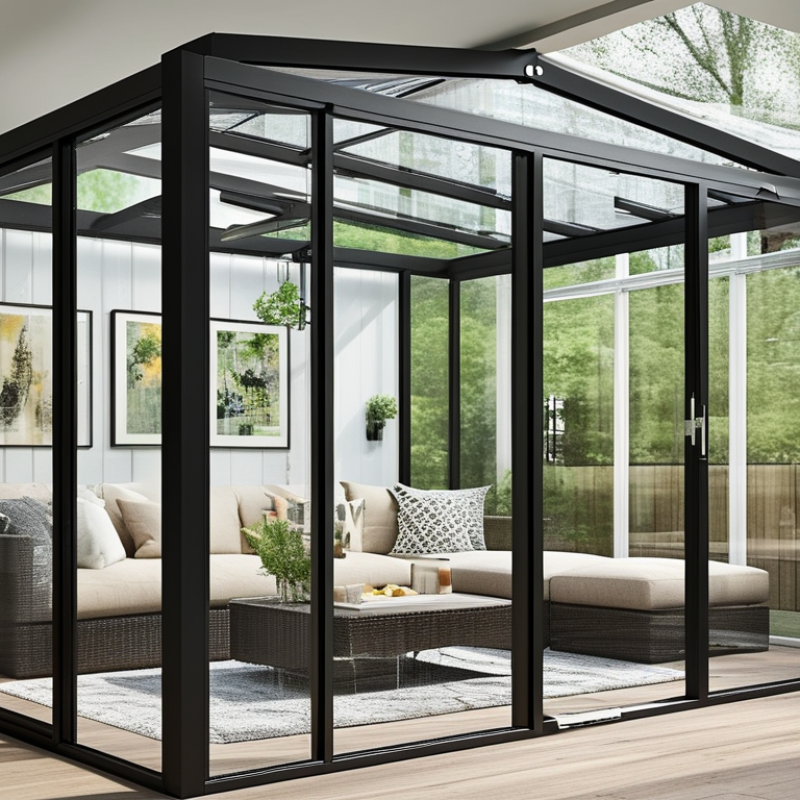
What Is the 2026 Best Aluminum Glass Room Type?

Definition of the 2026 Best Aluminum Glass Room

The 2026 best aluminum glass room is not simply the brightest room or the largest one. It is a carefully balanced living space. Its structure uses thermally broken aluminum frames, low-emissivity double or triple glazing, and an insulated roof system. These components reduce heat transfer while preserving wide outdoor views. In practical terms, it should feel stable at noon, not excessively hot beside the glass.

The U.S. Department of Energy reports that windows can cause 25–30% of residential heating and cooling energy use. This makes glass performance essential, not decorative. A reliable design should specify low U-values, suitable solar heat gain coefficients, airtight joints, and controlled ventilation. Drainage channels also matter. After rain, water should leave the frame instead of collecting near the floor. The Sun Room Living Room should support daily comfort, with space for a sofa, plants, and a small reading desk.

The 2024 Global Status Report for Buildings and Construction states that buildings represented 32% of global energy demand and 34% of global carbon emissions in 2022. Therefore, the best room type should consider orientation, shading, and local climate before appearance. South-facing glass may need external blinds. North-facing glass may require stronger insulation. Bigger is not always better. A technically impressive room can still feel uncomfortable if glare, noise, or summer overheating is ignored. That is where real project experience challenges attractive drawings.

What Is the 2026 Best Aluminum Glass Room Type? - Definition of the 2026 Best Aluminum Glass Room

Room Type Basic Definition Best Use Thermal Performance Ventilation and Opening Weather Protection Maintenance Overall Suitability for 2026
Fully Glazed Fixed Aluminum Room
A structure made mainly from fixed aluminum-framed glass panels with few or no operable sections. Views, daylight, lounges, display areas, and spaces where stable enclosure is more important than airflow. Good with insulated low-emissivity glazing and thermally improved frames; solar-control glass may be needed in hot, sunny locations. Limited natural ventilation unless mechanical ventilation or separate opening units are added. Very good because there are fewer moving joints and opening gaps. Low. Glass cleaning and inspection of perimeter seals are the main routine tasks. ★★★★☆
Strong for visual openness and weather protection, but less adaptable for natural ventilation.
Sliding Aluminum Glass Room
A room using horizontally sliding glass panels that move along bottom or top tracks. Patios, balconies, terraces, seasonal extensions, and areas requiring wide openings. Moderate to high depending on frame breaks, glazing specification, panel size, and interlocking seals. Good opening width and simple day-to-day operation; only some panels open at one time. Moderate to very good. Track drainage and weather seals are critical, especially in exposed locations. Moderate. Tracks must be kept clean, and rollers, seals, and drainage paths may need servicing. ★★★★☆
Practical and space-efficient, but sliding joints generally provide less airtightness than compression-sealed systems.
Folding or Bi-Folding Aluminum Glass Room
A system of hinged glass panels that fold and stack to one or both sides of an opening. Entertaining areas, garden access, restaurants, and spaces designed for a large open connection. Moderate to high when using thermally broken frames and insulated glass; more panel joints can affect airtightness. Excellent when fully opened and highly flexible when partially opened. Good when correctly installed, with accurate alignment, effective seals, and sufficient drainage. Moderate to high. Hinges, rollers, locks, seals, and alignment require regular attention. ★★★★☆
Best for maximum opening width, but not always the most efficient option for continuous year-round heating or cooling.
Three-Season Aluminum Glass Room
A lightly insulated enclosure intended mainly for use during mild spring, summer, and autumn conditions. Seasonal relaxation, dining, plant areas, and sheltered outdoor living. Lower than a four-season room because insulation, glazing, and air-sealing levels are usually reduced. Usually good, with sliding panels, screens, vents, or adjustable openings. Good for shelter from wind and rain when the enclosure is properly detailed; not intended to deliver full conditioned-room performance. Low to moderate, depending on the number of moving panels and ventilation components. ★★★☆☆
Cost-effective for seasonal use, but not the best choice for a fully conditioned year-round room.
Four-Season Aluminum Glass Room
A permanently enclosed room designed with insulated frames, high-performance glazing, sealed connections, and climate control. Year-round occupancy, home offices, family rooms, kitchens, or extensions integrated with the main building. High when the complete envelope is designed as a system, including roof, wall, floor, doors, and junctions. Controlled through operable windows, vents, mechanical ventilation, or a combination of methods. Very good when local structural, water-management, air-sealing, and thermal-bridging requirements are satisfied. Moderate. Heating and cooling equipment, seals, drainage, glazing, and frame finishes require planned maintenance. ★★★★★
Best for permanent occupancy, but it normally requires higher design, installation, and energy-control standards.
Definition of the 2026 Best Aluminum Glass Room: The best overall type is generally a thermally broken hybrid aluminum glass room that combines insulated low-emissivity glazing, effective solar control, well-sealed operable sections, fixed daylight panels, reliable drainage, and a design appropriate to the local climate. Actual performance depends on the complete installed system, glass specification, frame design, orientation, shading, ventilation, structural calculations, and compliance with applicable building regulations.

Key Design Features and Structural Components

A strong 2026 choice is a thermally broken aluminum glass room with a ventilated roof and low-emissivity insulated glass.

The choice is structural, not merely visual. A thermal break separates interior and exterior aluminum, reducing conductive heat flow and condensation risk. The U.S. Department of Energy reports that windows can cause 25–30% of residential heating and cooling energy use. That figure makes glazing specification central.

Key components include pressure-equalized frames, stainless fasteners, perimeter gaskets, and concealed drainage channels. Laminated or tempered safety glass should match local wind loads, roof span, and human-impact zones. The frame must transfer gravity, wind, and seismic forces into the supporting structure, not into the glass. Professional testing should verify air leakage, water penetration, and structural performance. These checks should follow recognized fenestration standards, including AAMA/WDMA/CSA 101/I.S.2/A440.

Solar control deserves equal attention. The International Energy Agency’s Global Status Report for Buildings and Construction estimates that buildings consume about 30% of global final energy. Unmanaged glass area can therefore increase cooling demand. External shading, operable vents, and carefully sized roof glazing can reduce peak heat. Small details matter. Site inspection remains essential, because published U-values may not reflect thermal bridges, poor seals, or wet insulation. I would not call this room perfect. More glass improves daylight, yet it can increase glare, overheating, and cleaning work. A credible design records calculations, test evidence, maintenance access, and local code review before fabrication.

How Aluminum Frames and Glass Panels Work Together

What Is the 2026 Best Aluminum Glass Room Type?

The best Aluminum Glass Room is not defined by appearance alone. Its performance depends on how aluminum frames and glass panels share the work. Aluminum provides structural strength, while glass creates openness, daylight, and visual connection with the outdoors. In a well-designed system, the frame carries wind loads and transfers them safely into the building structure. The glass panels must remain stable without placing unnecessary pressure on the seals.

Thermal breaks inside the aluminum profiles reduce heat transfer between indoor and outdoor surfaces. This detail matters in rooms used throughout the year. High-performance glass can also control solar heat, glare, and indoor temperature. From installation experience, small tolerances often create large problems. A frame that is slightly out of square may cause stiff sliding panels, uneven gaps, or damaged gaskets. Drainage channels must remain clear, and every joint needs consistent sealing. Details matter.

Glass thickness, panel size, hardware, and local weather conditions should be evaluated together. Large panels look impressive, but they also increase weight and demand stronger rollers, hinges, and anchors. I have seen attractive designs become uncomfortable because afternoon sunlight was underestimated. That balance matters. Ventilation, shading, and easy maintenance deserve attention before fabrication begins. A technically sound Aluminum Glass Room should feel light, but its hidden connections must be carefully engineered. Surface finishes also need regular inspection, especially near coastal air or frequent rainfall.

What Is the 2026 Best Aluminum Glass Room Type?

How aluminum frames and glass panels work together depends on glazing performance, frame insulation, climate, and solar exposure. This comparison uses representative center-of-glass values for common glass panel configurations.

Lower U-factor means better insulation. Single glazing and clear double glazing generally provide weaker thermal performance, while double low-e argon glazing is a practical choice for many four-season rooms. Triple low-e argon glazing offers the lowest heat transfer, especially when paired with thermally broken aluminum frames.

Values shown are representative center-of-glass U-factors in W/m²·K; actual whole-window performance varies with frame design, spacer technology, installation quality, and climate.

Main Aluminum Glass Room Types for Different Uses

What Is the 2026 Best Aluminum Glass Room Type?

The best aluminum glass room type depends on how the space is used, not on appearance alone. A sliding glass enclosure suits balconies, patios, and compact terraces. Its panels move along slim tracks, preserving floor space and allowing flexible ventilation. For family rooms, a folding system can open almost the entire wall during mild weather. It creates a wider connection between indoor and outdoor areas.

A fixed aluminum glass room offers stronger separation and better acoustic control. It works well as a home office, study, or quiet reading corner. For a living room, a Glass Door Partition For Living Room can divide dining and seating areas without blocking daylight. Clear glass feels open, while frosted glass provides more privacy near entrances or neighboring windows. Accurate measurements matter here. Small alignment errors can affect door movement and sealing.

A sunroom-style enclosure is practical for plants, morning coffee, and year-round relaxation. Low-emissivity glass, insulated frames, and suitable drainage improve comfort in changing seasons. However, larger glass areas may increase heat gain during summer. External shading is often more effective than relying only on indoor curtains. I have seen attractive designs become uncomfortable because ventilation was treated as an afterthought. The “best” choice may also change after real use. A quiet fixed room can feel too permanent, while a folding system may require more maintenance than expected.

Energy Efficiency, Safety, and Weather Resistance

What Is the 2026 Best Aluminum Glass Room Type?

For 2026, the strongest choice is a thermally broken aluminum glass room. It combines slim frames, insulated glazing, and better indoor comfort. The U.S. Department of Energy reports that windows can cause 25–30% of household heating and cooling energy use. That makes glass performance essential, not decorative.

Specify low-emissivity double or triple glazing, warm-edge spacers, and a low U-factor. The National Fenestration Rating Council evaluates U-factor, solar heat gain, visible transmittance, and air leakage. ENERGY STAR estimates that efficient window replacements may reduce household energy bills by 7–15%.

Safety also needs attention. Use laminated or tempered glass tested under recognized safety standards. Add multi-point locks, restricted openings, and strong drainage paths. No room is perfect. Oversized glass can still overheat during a clear summer afternoon.

Tips

Check the NFRC label before ordering. Request air, water, and structural test results from the installer. Inspect corner joints after heavy rain. A small leak can become expensive. Choose exterior shades for west-facing walls. They often control heat better than interior curtains. For severe wind or coastal weather, confirm local design pressures and corrosion-resistant finishes. Weather resistance depends on installation quality, not only frame material. I would also review condensation risks with an independent building professional, especially in humid climates. Even excellent glazing cannot correct poor ventilation or careless sealing.

How to Choose the Best Aluminum Glass Room

What Is the 2026 Best Aluminum Glass Room Type?

How to Choose the Best Aluminum Glass Room

The best aluminum glass room in 2026 depends on climate, purpose, and available space. A bright garden room may need different features than a year-round dining area. For most homes, thermally broken aluminum frames with low-emissivity double glazing offer a balanced starting point. They reduce heat transfer, limit condensation, and support comfortable indoor temperatures. Sliding doors suit wide openings, while folding doors provide a more open connection to the garden. Neither option is perfect for every wall.

Look closely at frame strength, glass thickness, drainage, ventilation, and hardware quality. In windy areas, ask for tested wind-load performance rather than relying on appearance. In colder regions, warm-edge spacers and insulated roof panels can improve comfort. Precise measurements matter. A small installation error may cause leaks, stiff doors, or uneven seals. A practical site lesson is simple: attractive glass cannot correct poor foundations or weak drainage. I would also question oversized glazing when summer shading is ignored. It can create uncomfortable heat.

Tips: Compare at least three written specifications. Check U-values, warranty terms, and maintenance requirements. Request drawings showing roof falls and drainage paths. Consider external blinds or roof vents before ordering. Confirm local planning and building requirements with a qualified professional. Leave room for honest doubt; the cheapest quote may not reflect long-term performance. Fresh air matters too.

Installation, Maintenance, and Expected Service Life

The 2026 best aluminum glass room type is not simply the largest model. It is a thermally improved system with accurate drainage, tested seals, and adjustable Room Dividing Glass Doors. Installation decides much of its future performance. The frame must sit on a level, load-bearing base. Installers should check diagonal measurements before tightening every anchor. A few millimeters of movement can create rubbing doors, cracked sealant, or water entry.

Professional guidance supports careful specification. The National Fenestration Rating Council evaluates U-factor and solar heat gain, helping designers compare glazing performance. The U.S. Department of Energy reports that windows can represent 25%–30% of residential heating and cooling energy use. This figure is not specific to glass rooms, but it shows why low-emissivity glazing and insulated frames matter. Oversized glass can still overheat a room.

Maintenance should be simple, but it is rarely ignored without consequences. Clean tracks every few months with a soft brush and vacuum. Wash aluminum surfaces using mild soap, not abrasive powders. Inspect gaskets, corner joints, rollers, and drainage openings twice yearly. Coastal air needs more frequent rinsing. Salt deposits can attack hardware and dull protective finishes.

Industry service-life planning, including ISO 15686 methods and BRE durability guidance, commonly supports approximately 20–30 years for well-maintained aluminum framing. Insulated glass units may require replacement sooner, often around 15–25 years. Climate, installation quality, and ventilation change these figures. No estimate is perfect. A neglected drain can shorten an expensive system’s life surprisingly fast.

FAQS

: What defines the best aluminum glass room in 2026?

: It balances daylight, insulation, ventilation, drainage, and everyday comfort. A bright room is not always a comfortable room.

Which glass performs well in an aluminum glass room?

Low-emissivity double or triple glazing can reduce heat transfer. Tempered or laminated safety glass may suit impact and structural needs.

Why are thermally broken aluminum frames important?

A thermal break separates indoor and outdoor aluminum surfaces. This reduces heat flow, condensation, and uncomfortable cold frame edges.

How can overheating be controlled?

Use external blinds, operable vents, and carefully sized roof glazing. Indoor curtains alone may not block enough summer heat. That part is easy to underestimate.

Which room type suits a balcony or small terrace?

A sliding enclosure preserves floor space with panels moving along tracks. It also allows flexible ventilation during mild weather.

When is a folding glass system useful?

Folding panels can open most of a wall. They suit family rooms and outdoor connections in mild conditions. Maintenance may be higher than expected.

What aluminum glass room works best as a home office?

A fixed enclosure can provide stronger separation and better acoustic control. It creates a quieter setting for work, study, or reading.

What details should be checked before fabrication?

Verify measurements, drainage, seals, ventilation, wind loads, and structural support. Testing should examine air leakage, water entry, and overall stability. Drawings can look better than reality.

Conclusion

The 2026 best Aluminum Glass Room combines modern design, structural strength, energy efficiency, and long-term practicality. It uses durable aluminum frames with carefully selected glass panels to create a bright, open space while maintaining stability and weather protection. Important features may include thermally improved framing, insulated or coated glass, secure doors, effective drainage, and strong connections between the roof, walls, and foundation. Different room types can be designed for dining, relaxation, home offices, garden extensions, or year-round living, depending on available space and intended use.

When choosing an Aluminum Glass Room, homeowners should consider local climate, ventilation, insulation, safety glass, layout, installation quality, and maintenance requirements. Proper planning helps improve comfort, reduce energy loss, and protect the structure from wind, rain, and temperature changes. With regular cleaning, hardware checks, seal inspections, and timely maintenance, a well-installed room can provide reliable performance and an attractive living area for many years.
Sophie

Sophie

Sophie is a dedicated professional at Foshan Xiuo Technology Co., Ltd., where she serves as a skilled marketing specialist. With an extensive understanding of the company’s innovative product range, she plays a vital role in enhancing brand visibility and customer engagement. Sophie's expertise......
Previous Top 10 Benefits of Aluminum Thermal Break Windows You Should Know?