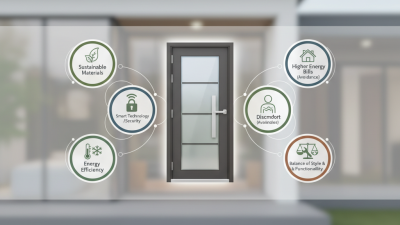
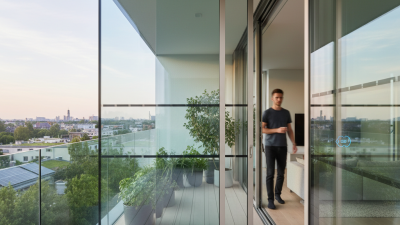
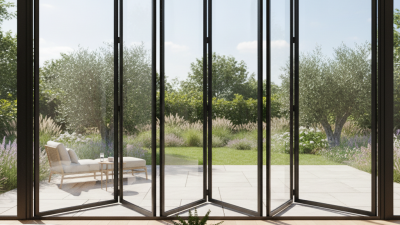
So, when you’re diving into a new construction project, one of the key things to think about is picking the right building door. Honestly, your door isn’t just about looks — it’s really the gateway to your space and affects how everything feels and functions. With a bunch of options out there, it’s worth taking the time to figure out what you actually need. A good quality door can do wonders for security and even help with energy bills. Plus, you want it to match the style of your building, right?
There are tons of brands offering different kinds of Building Doors. Each has its own traits, but not all are created equal. Some doors are fantastic insulators, keeping temperatures comfortable; others might focus more on being tough and low-maintenance. When you’re choosing, think about the materials — wood, steel, fiberglass — each brings its own pros and cons. And don’t forget about the design details and hardware. Those little touches can make a big difference in how the door performs and looks.
The market’s always changing, with new trends popping up all the time. Staying in the loop can really help you avoid picking something outdated or not quite right for your project. People often overlook how much a door can define the whole vibe of a building, but honestly, it’s a pretty important decision. It’s worth taking a moment to consider what fits your style and functional needs best — after all, it’s the first thing people see when they come in!
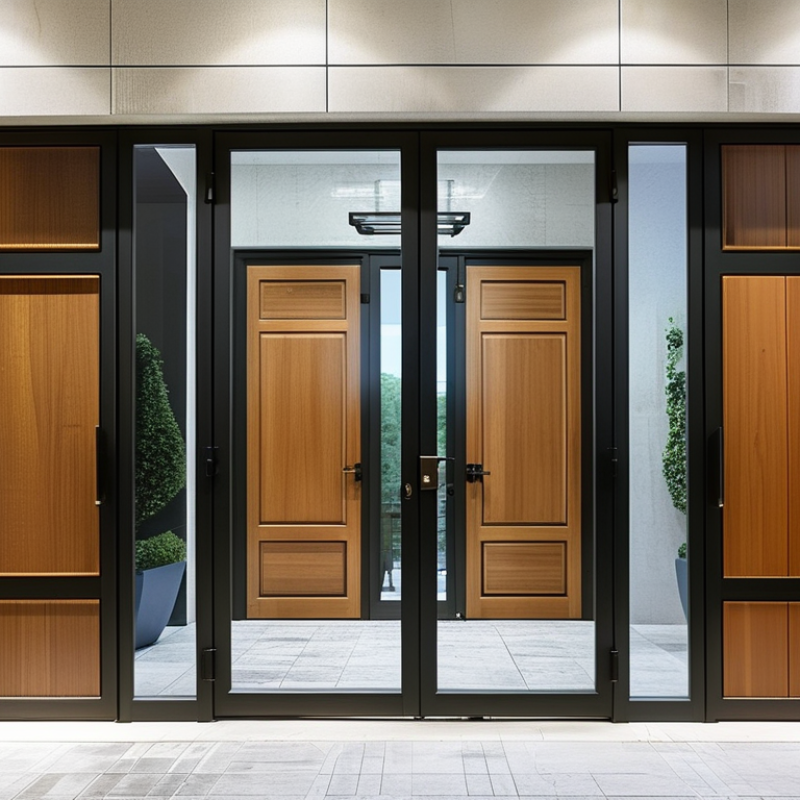
Key Considerations When Selecting Building Doors
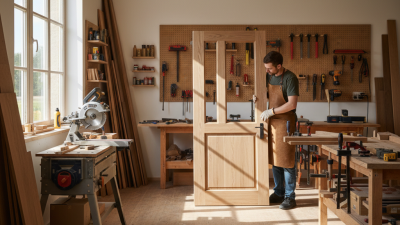
When selecting building doors, consider the material and style. Wood, steel, and fiberglass each have distinct advantages. Wood doors offer aesthetic appeal, bringing warmth to spaces. However, they require regular maintenance to prevent warping. Steel doors are durable and secure but can rust over time if not properly coated. Fiberglass is low-maintenance and resistant to extreme weather, making it a popular choice.
Think about the door’s energy efficiency. Insulated doors can help regulate indoor temperatures, which is especially important when Building A Sunroom. Test the door's seal and insulation capabilities. The right choice can reduce energy costs and enhance comfort. Also, consider security features. Multi-point locking systems offer greater protection, which is vital in many residential projects.
Don't overlook the door's size and scale. The dimensions should complement the building's architecture. Large doors can create a grand entrance but must also maintain functionality. Proper installation is crucial; an ill-fitted door can lead to poor performance and security issues. Balancing aesthetics, energy efficiency, and security is often a challenge, but it’s essential for a successful project.
Types of Building Doors: An Overview of Options
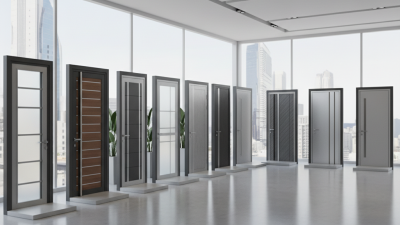
When choosing building doors, various types and styles are available, each with unique qualities. Wooden doors offer warmth and charm. Their natural grain can enhance the aesthetics of any building. However, they may require regular maintenance and are less resistant to moisture. Metal doors, on the other hand, provide durability and security. They can withstand harsh weather and are often used for commercial applications. Yet they may not always provide the same visual appeal as wood.
Fiberglass doors are becoming increasingly popular due to their versatility. They can mimic the look of wood and resist dents and scratches well. However, some may find that they lack the same authenticity as traditional materials. Glass doors bring elegance and natural light into spaces. They are perfect for modern designs but may compromise security if not properly reinforced. With these options, it's essential to assess the specific needs of your project before making a decision. A thoughtful approach will lead to the best outcomes.
Best Building Door Options for Your Next Project
This chart represents the popularity percentage of different types of building doors commonly used in construction projects. Wooden and steel doors are the most popular options, while glass and Aluminum Doors have a smaller market share.
Materials Used in Building Doors: Pros and Cons
When selecting materials for building doors, complete knowledge of their pros and cons is essential. Wood, for example, offers aesthetic appeal and natural insulation. However, it can warp or rot when exposed to moisture, requiring regular maintenance. According to industry reports, around 20% of wooden doors fail to withstand adverse weather conditions over five years.
On the other hand, metal doors provide durability and enhanced security. They resist damage and can last over 30 years with minimal upkeep. Yet, they can be heavy and may require additional framing. A recent study indicated that a poorly insulated metal door can increase energy costs by up to 15%.
Fiberglass doors are a compelling middle ground. They mimic the look of wood but resist weather and won’t warp. Still, they can be more expensive upfront. Choosing the right material for your project, especially when Building A Sun Room, reflects not only your design vision but also practical considerations like energy efficiency and durability. Balancing these factors ensures the longevity of your structures.
Energy Efficiency and Insulation Features of Doors
When selecting doors for your building project, energy efficiency and insulation are critical factors. The right door can significantly impact your heating and cooling costs. Look for options that have high insulation ratings. A door with an energy-efficient design reduces air leaks. This keeps your indoor climate stable and comfortable.
Consider materials carefully. Steel and fiberglass doors often offer better insulation than traditional wood doors. They can resist warping and provide consistent performance throughout the seasons. Insulated doors, filled with foam or other materials, can greatly enhance energy efficiency. These features can lower energy bills over time.
Tips: Always check the door's R-value. Higher numbers indicate better insulation. Install weather stripping around the Door Frame to minimize drafts. Regular maintenance, like inspecting seals and hinges, ensures optimal performance. Reflect on your choices, and remember that upfront costs can lead to long-term savings. Choose wisely to make your project successful.
Security Features to Look for in Building Doors
When selecting building doors, security is a critical factor. A study from the National Institute of Justice shows that effective door security can prevent up to 75% of break-ins. This statistic highlights the significance of choosing doors with robust security features. Look for doors constructed from solid materials. Steel and fiberglass are known for their resilience.
Additionally, consider doors equipped with advanced locking mechanisms. Multi-point locks offer enhanced protection, distributing force across multiple points. The American National Standards Institute (ANSI) recommends locks rated grade 1 or 2 for residential use. In projects where safety is paramount, opting for these solutions is crucial.
Incorporating security features into your door selection can serve as an investment. A well-secured building can lower insurance premiums significantly. On average, securing openings can reduce claims related to burglaries by up to 30%. Whether you are considering building a sunroom or reinforcing an entryway, ensure that security remains a priority throughout your project planning.
Best Building Door Options for Your Next Project? - Security Features to Look for in Building Doors
| Door Type | Material | Security Features | Durability Rating | Price Range |
| Steel Door | Steel | High-security locks, Reinforced frames | Very High | $300 - $800 |
| Fiberglass Door | Fiberglass | Smart locks, Multi-point locking system | High | $250 - $600 |
| Wood Door | Solid Wood | Deadbolts, Decorative security features | Medium | $200 - $700 |
| Aluminum Door | Aluminum | High-security hardware, Bullet-resistant options | High | $350 - $900 |
| Composite Door | Composite Materials | Enhanced lock systems, Insulated against entry | Medium to High | $300 - $750 |
Aesthetic Choices: Design Styles for Building Doors
When considering building doors, design style plays a crucial role in aesthetics. Reports suggest that 67% of potential buyers prioritize the appearance of entryways. This trend underscores the importance of selecting stylish doors that enhance the overall look of a structure. Various styles, such as modern, traditional, and industrial, can evoke different emotions and responses.
Modern designs often feature sleek lines and minimalistic features. These doors typically use glass and metal, appealing to contemporary sensibilities. In contrast, traditional doors emphasize classic elements like wood and ornate carvings. A study found that homes with classic doors saw a 10% increase in perceived value. Each option provides distinct benefits while tailoring to different architectural styles.
However, not all aesthetic choices may resonate with every audience. What looks appealing to one may not suit another’s taste. For example, industrial doors can be visually striking yet may clash with residential environments. Designers must also be mindful of durability. The most beautiful doors need to withstand time and use. Balancing aesthetics with functionality is key. A thoughtful selection reflects both style and purpose, ensuring the door complements its building.
Installation and Maintenance Tips for Building Doors
When considering building doors, installation and maintenance are crucial aspects. Accurate measurements are essential for a perfect fit. A misaligned door can lead to air leaks and energy loss. Utilize a level during installation to ensure the door is straight. This small step can significantly affect its longevity. Regularly check hinges and locks as well. Lubrication can prevent rust and enhance functionality.
For maintenance, keep a close eye on weatherstripping. Damaged weatherstripping can cause drafts. Replace worn-out parts to maintain energy efficiency. During seasonal changes, inspect for any wear and tear. It’s also helpful to clean the door regularly to prevent buildup. A dirty door can affect both appearance and function.
If you’re planning on Building A Sunroom On A Deck, consider the door style. Sliding doors work well in such spaces. They offer seamless access to outdoor areas. Ensure the installation process allows for proper drainage to avoid water damage. Every detail matters when it comes to ensuring durability and aesthetics in your project.
FAQS
: Common materials include wood, steel, and fiberglass. Each has unique benefits and drawbacks.
Wood doors provide aesthetic appeal and warmth but need regular maintenance to avoid warping.
Metal doors are durable but can rust if not properly coated. They may also be heavy.
Insulated doors help regulate indoor temperatures, reducing energy costs and improving comfort.
Look for solid materials and multi-point locking systems for enhanced protection against break-ins.
An ill-fitted door can lead to security issues and decreased performance. Proper installation is critical.
Yes, fiberglass doors resist warping and weather damage, but they may have a higher upfront cost.
The door's size should complement the building’s design while ensuring it remains functional.
Security is vital; effective door features can prevent up to 75% of break-ins, making safety a priority.
Balance aesthetics, energy efficiency, durability, and security to ensure a successful project.
Conclusion
When selecting the best building door for your next project, it's essential to consider several key factors. Understanding the different types of building doors available, along with the materials used, can significantly influence your decision. Each material has its pros and cons, impacting durability, maintenance, and overall performance. Additionally, energy efficiency and insulation features are critical in ensuring that the building door contributes to the overall energy performance of your project.
Moreover, security features should never be overlooked; choosing a door with robust security options can protect your property. Aesthetic design also plays a vital role, as the right door can enhance the visual appeal of your building. Finally, proper installation and maintenance tips are necessary to ensure longevity and functionality. By evaluating these considerations, you can select the most suitable building door that meets your project's specific requirements.