Leave Your Message
Submit Message
Call: +8618927207770
Email: sales1@civowindows.com
WhatsApp Live Chat
Need Project Quote?
Chat With Us Now
0%

Picking an aluminum impact window isn’t just about how it looks or what it costs. It’s a building-envelope call—one that touches glass, frame strength, installation, drainage, and upkeep over the years. Along the coast, salt air can chew up unfinished hardware and quietly weaken parts that get ignored. The little details really do matter.

“Performance starts with the whole opening, not just the window,” says Michael J. Gibbons, a building-envelope consultant with over twenty years in fenestration. That’s why this guide looks beyond impact glass. We’ll dig into aluminum alloy quality, corrosion-resistant finishes, laminated interlayers, design-pressure ratings, approved testing, thermal performance, and what makes a qualified installer.

The ten recommendations below are practical, yes—but they don’t replace project-specific engineering. A window that’s fine for a low-rise home may not hold up in a high-rise condo or on a hurricane-prone coastline. That’s an easy distinction to miss. Homeowners should compare manufacturer docs from established companies like CGI Windows, ES Windows, and PGT Innovations. And before ordering, check local requirements.

Impact sliding glass doors deserve the same attention. With bigger panels, rollers, tracks, and locking points, they can run into different performance headaches. A system can look impressive and still operate badly if the opening is uneven or the drainage path is blocked. Experienced installers keep stressing preparation, but buyers sometimes just focus on the product label.

This guide won’t solve every scenario perfectly. Building conditions vary. But it should give you a clearer framework for asking better questions, checking the evidence, and choosing durable protection with fewer costly surprises.
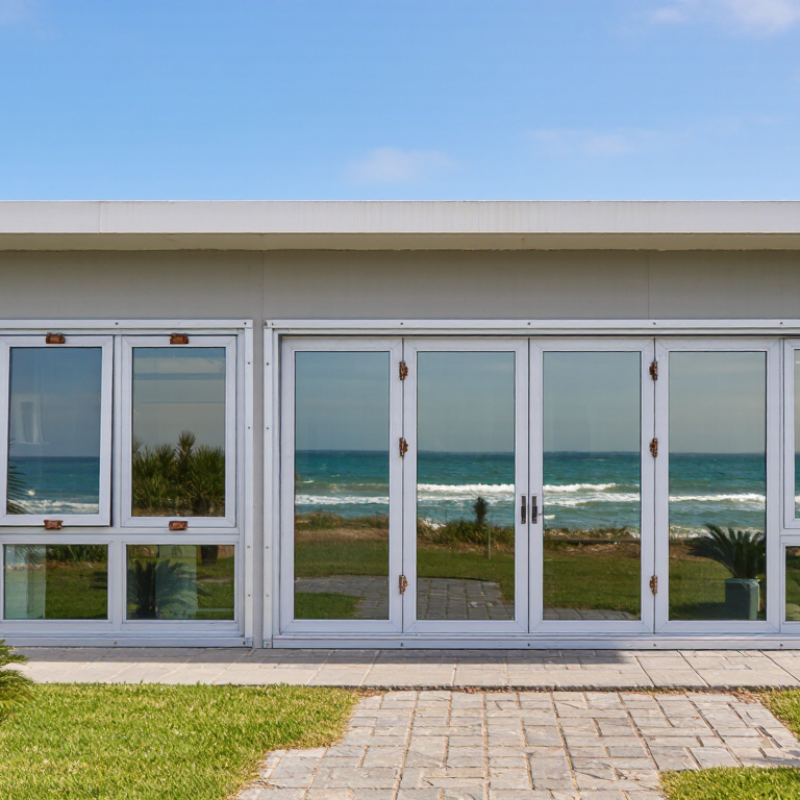
10 Tips for Choosing the Best Aluminum Impact Windows

Define Your Window Performance Goals

Before comparing aluminum impact windows, define what each room must accomplish. A coastal bedroom may need resistance to windborne debris and strong pressure cycles. A shaded study may prioritize daylight, quiet operation, and lower solar heat gain. Write these goals down. Keep them measurable.

Check the required design pressure, impact classification, air leakage, water penetration, and thermal values. Local building officials or qualified window professionals can confirm applicable requirements. Review permanent product labels and test reports, not broad sales language. Aluminum frames should include an effective thermal break, especially where heating or cooling costs matter. For Casement Impact Windows, examine hinge strength, multipoint locks, gasket compression, and crank movement. Small hardware details affect daily reliability.

Consider how the opening will perform during storms, cleaning, ventilation, and emergency exit. Large glass can brighten a room, but it may increase heat and glare without suitable glazing. I would not automatically choose the highest rating; extra performance can add cost and weight. That assumption deserves review. Installation quality matters too. A tested unit can underperform if the sill is poorly flashed or the frame is forced out of square. Ask for written specifications, installer credentials, and maintenance guidance before approving the order.

Compare Aluminum Frame Designs and Construction Quality

Aluminum impact windows need more than a strong appearance. Compare the frame design, joinery, and glazing as one tested system. A narrow frame can increase daylight, but it may reduce room for reinforcement. Wider profiles often provide greater structural depth.

Look for corrosion-resistant aluminum with consistent wall thickness. Thermal breaks can separate indoor and outdoor metal, reducing heat transfer and interior condensation. Examine welded corners closely. Uneven seams, rough grinding, or visible gaps deserve questions. Corner keys and mechanical fasteners can work well when engineered correctly. However, their performance depends on accurate assembly.

I once chose a slimmer frame because it looked cleaner. The finished window flexed more than expected during installation. That mistake changed my inspection habits. Ask for verified impact-test documentation, pressure ratings, and the exact glass configuration. Sliding Impact Windows should move smoothly without rattling or excessive handle force. Check rollers, locks, weather seals, and drainage paths by hand. Small details matter.

Quality construction also includes reliable installation instructions. The strongest frame can fail when anchors miss solid structure or perimeter gaps remain unsealed. Compare independent test reports rather than relying on vague claims. Local building requirements may specify different wind pressures, fastening patterns, or glazing standards. A qualified installer should explain those requirements clearly and document the selected configuration.

Check Glass Options for Insulation, Safety, and Noise Control

When choosing aluminum impact windows, study the glass before judging the frame. The right glass affects indoor temperature, storm protection, and outside noise. Insulated glass units use two or more panes with a sealed space between them. That space may contain argon gas, which can improve thermal performance when the seal remains intact. Ask for the U-factor and solar heat gain coefficient, not vague claims about energy savings.

For safety, laminated impact glass is a practical choice. A clear interlayer holds broken pieces together after a severe impact. It can also reduce drafts and limit flying shards. However, impact resistance depends on the complete tested window assembly, including the frame, hardware, and installation. Request test documentation and confirm that the selected configuration meets local building requirements. Glass thickness alone does not prove protection.

Noise control requires more than simply adding thicker glass. Different pane thicknesses can reduce traffic and low-frequency sounds more effectively than identical panes. Laminated acoustic layers may help with voices, rain, and street activity. I once assumed every double-pane window would feel equally quiet; that was wrong. Frame gaps and poor sealing can defeat expensive glass. Discuss edge spacers, air leakage ratings, and installation details with a qualified professional. Small samples can mislead, too. Test the window in a room with similar noise conditions, if possible.

10 Tips for Choosing the Best Aluminum Impact Windows

Compare common glass configurations by thermal insulation and sound-control performance. Lower U-factor indicates better insulation, while a higher STC rating indicates better noise reduction. Laminated glass also helps retain the glazing layer after impact.

Representative values for typical residential glass configurations. Actual performance depends on the complete window assembly, spacer, frame, installation, and certified testing.

Key Selection Considerations

  • Choose a lower U-factor when heating and cooling efficiency is the primary concern.
  • Low-E coatings and argon-filled insulating glass units can reduce heat transfer and solar heat gain.
  • Laminated impact glass is designed to remain bonded after breakage, improving penetration resistance and storm safety.
  • Use a higher STC-rated configuration when reducing traffic, construction, or neighborhood noise is important.
  • Confirm the complete window assembly’s certified U-factor, SHGC, impact rating, and acoustic rating before purchasing.

Verify Impact Ratings and Relevant Building Standards

Tip 1

Verify the impact rating before comparing frame colors or handle styles. Impact windows should have documented testing for windborne debris, pressure cycles, and water resistance. Ask for the product’s test report, not only a sales label. Standards such as ASTM E1886 and ASTM E1996 are commonly referenced, but local requirements may differ.

Tip 2

Check the approval record with your local building department. A window can pass a laboratory test yet fail to meet regional installation rules. Confirm the approved size, glass configuration, pressure rating, and installation method. Measure the opening carefully; a rating may change when the unit becomes larger. A Casement Window Aluminum model also needs compatible anchors and properly sealed joints.

Tip 3

Inspect the certification label on the actual frame. It should identify the tested assembly, not just the glass. Look for details about laminated layers, interlayer thickness, and frame performance. During one project, I assumed a thicker pane meant stronger protection. It did not. The complete assembly mattered more. I should have checked the report earlier.

Use a qualified installer familiar with impact-rated systems. Watch the fastening pattern and perimeter seal during installation. Small gaps can invite water and reduce confidence in the tested performance. Keep copies of approvals, invoices, and installation records. These documents support future inspections and make the decision more reliable.

Evaluate Energy Efficiency and Weather Resistance

Choosing aluminum impact windows requires more than checking glass thickness. Start with the glass. Low-emissivity glazing can reduce heat transfer, while a suitable solar heat gain coefficient helps control indoor warmth. Compare the U-factor and air-leakage rating, not only the product’s appearance. Lower values often indicate better insulation and tighter construction.

A reliable Aluminum Window & Door Manufacturer in Global markets should provide tested performance data and clear installation guidance. Ask for evidence of impact resistance, water penetration testing, wind-pressure ratings, and drainage design. Multi-point locks, reinforced frames, and compression seals can reduce drafts during heavy rain. Small gaps matter. A window may perform well in a laboratory but fail after careless installation. Confirm that the installer follows the tested configuration, including fasteners, shims, and sealants.

Inspect the thermal break inside the aluminum frame. A continuous polyamide barrier usually performs better than a thin, interrupted insert. Touching the frame on a hot afternoon can reveal uncomfortable heat, but that simple test cannot replace certified data. I would also examine the corners and weep holes before purchase. Blocked drainage can cause staining or hidden moisture. Do not guess. Request warranty terms, maintenance instructions, and recent test reports. Some specifications look impressive until you notice they apply only to ideal glass, not the complete window assembly.

Review Installation Requirements, Warranty, and Long-Term Costs

Tip 1 Check installation requirements before comparing prices. Measure every opening twice, including the sill angle and surrounding masonry. Impact windows need correct anchoring, drainage, and approved fasteners. A small measurement error can create air leaks or difficult operation. Ask whether permits, structural reviews, and debris removal are included. Local wind and building requirements may differ, so confirm them with the installer or local authority.

Tip 2 Treat the warranty as a working document, not a sales promise. Read its coverage for glass, frames, hardware, seals, labor, and water damage. Check the claim process and response timeline. Some warranties exclude installation mistakes, coastal corrosion, or unauthorized repairs. I once focused too heavily on product coverage and overlooked labor costs. That was an expensive assumption. Request the warranty in writing before signing.

Tip 3 Calculate long-term costs, not only the purchase price. Include installation, permits, interior repairs, cleaning, hardware replacement, and possible service visits. Better seals may reduce drafts and cooling demand, but savings depend on home orientation and local weather. Ask for realistic performance data rather than optimistic estimates. Compare maintenance needs, too. Salt air, dusty roads, and frequent storms can expose weak finishes quickly. A lower quote may look attractive, yet repeated adjustments can quietly cost more over ten years.

FAQS

Why should aluminum frame design be compared with the glass and installation?

A window works as one tested system. A narrow frame admits more daylight but may allow less reinforcement. Wider profiles often provide greater structural depth. Check the frame, glazing, anchors, and seals together.

What should I inspect on an aluminum window frame?

Look for corrosion-resistant aluminum and consistent wall thickness. Examine welded corners closely. Uneven seams, rough grinding, and visible gaps deserve questions. Small flaws matter.

Are thermal breaks important in aluminum frames?

Yes. Thermal breaks separate indoor and outdoor metal. They can reduce heat transfer and interior condensation. Their value depends on correct design and installation.

Can mechanical corner keys and fasteners provide reliable strength?

They can, when accurately engineered and assembled. Their performance depends on alignment and fastening quality. Ask for verified testing, not appearance alone.

How can I check sliding window operation?

Slide the panel by hand. It should move smoothly without rattling or excessive handle force. Check rollers, locks, weather seals, and drainage paths. Stiff movement needs investigation.

What installation details deserve careful attention?

Measure each opening twice, including the sill angle and surrounding masonry. Confirm approved fasteners and solid anchoring points. Unsealed perimeter gaps can create leaks and difficult operation. Measure again.

What should an impact-window warranty include?

Review coverage for glass, frames, hardware, seals, labor, and water damage. Check claim procedures and response times. Some warranties exclude installation errors, coastal corrosion, or unauthorized repairs. Get it in writing.

How should I compare the long-term cost?

Include installation, permits, repairs, cleaning, hardware replacement, and service visits. Better seals may reduce drafts, but savings depend on weather and home orientation. Salt air and storms can expose weak finishes. A lower quote may cost more later. I once overlooked labor costs, and that assumption proved expensive.

Conclusion

Choosing the best Aluminum Impact Window starts with identifying your priorities, such as storm protection, energy savings, noise reduction, natural light, or long-term durability. Compare frame designs, material thickness, construction quality, and operating styles to ensure the window suits your home and climate. Examine glass options carefully, including insulated layers, safety features, low-emissivity coatings, and sound-control performance. It is also important to confirm impact ratings and applicable building standards so the window can provide dependable protection during severe weather.

Next, evaluate energy efficiency, air leakage, water resistance, and resistance to heat and corrosion. A high-quality window should perform reliably while helping maintain inDoor Comfort throughout the year. Before purchasing, review installation requirements, opening measurements, professional fitting needs, warranty coverage, maintenance expectations, and total ownership costs. Considering the product’s performance over its full service life—not just its initial price—will help you select an Aluminum Impact Window that offers balanced protection, comfort, efficiency, and lasting value.


Nathan

Nathan

Nathan is a dedicated professional marketer at Foshan Xio Technology Co., Ltd., where he leverages his extensive expertise to elevate the company's presence in the market. With a thorough understanding of the tech industry, Nathan regularly updates the company’s blog with insightful articles that......
Previous Top 10 Aluminum Fixed Window Manufacturers Worldwide