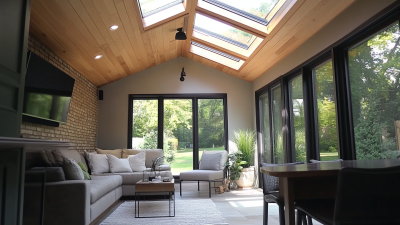
Picking out the perfect Glass Sun Room for your home isn’t exactly a walk in the park. It’s one of those decisions that really make you think—consider your space, your budget, and the style you’re going for. I mean, John Smith from Sun Room Innovations once said, “A well-designed Glass Sun Room can totally turn an ordinary space into a vibrant little retreat.” And honestly, that just goes to show how important it is to choose carefully.
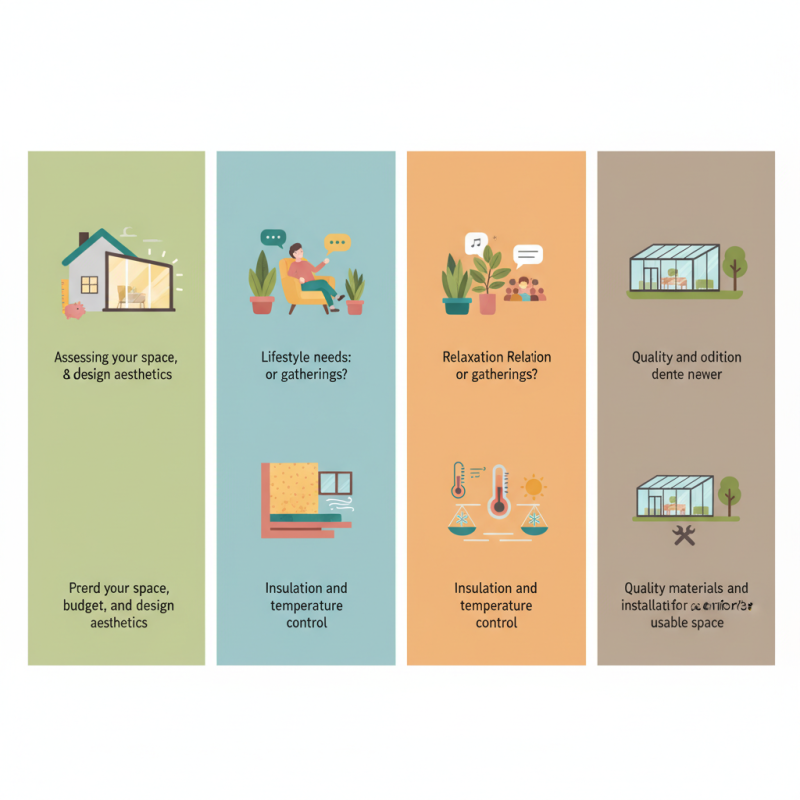
When you’re thinking about adding a Glass Sun Room, what really matters is how you plan to use it. Do you want a sunny spot to chill out and relax? Or maybe a cozy area to host friends and family? Your choices can seriously boost your home’s charm. Take some time to look at different styles, materials, and layouts — the right design can make a huge difference in blending your new space smoothly with your existing home. But keep in mind, not every Sunroom will fit perfectly with your house’s architecture, so it’s worth giving that some thought.
Oh, and don’t forget about insulation and temperature control. A gorgeous sunroom that’s too hot in summer or freezing in winter defeats the purpose. Striking a good balance between looks and functionality is key here. Make sure you invest in quality materials and get a professional to handle the installation. Remember, a Glass Sun Room isn’t just a fancy glass box—it should be comfy and practical, a place you’ll actually want to spend time in. Enjoy the process, and before you know it, you’ll have a stunning Sun Room Living Room to enjoy year-round.
Factors to Consider When Choosing a Glass Sun Room for Your Home
Choosing the best glass sunroom for your home involves several critical factors. One of the primary considerations is the climate in your area. You need to select materials that can withstand local weather conditions. For instance, homes in sunny regions might require UV-protected glass to prevent fading of interior furnishings.
Another important factor is the intended use of the sunroom. Think about how you want to enjoy the space. Will it be a cozy reading nook or an entertainment area? Different uses may require different layouts and features. Consider adding insulation for year-round comfort. This can sometimes be overlooked, leading to a space that's too hot or cold at different times of the year.
Tips: Always check local building codes before construction. Some areas may have restrictions on glass structures. It's also wise to consult experts in sunroom construction. Their experience can guide you toward the most suitable options. You might feel overwhelmed with choices, but don't rush. Take time to reflect on your needs and preferences.
Types of Glass Sun Rooms: Lean-To, Gabled, and More
When choosing a glass sunroom, understanding the various types is crucial. Popular styles include Lean-To and Gabled sunrooms. A Lean-To sunroom features a simple, single sloped roof. This design is effective for maximizing sunlight exposure while being budget-friendly. According to the National Association of Home Builders, around 30% of homeowners prefer this style due to its efficiency and ease of construction.
Gabled sunrooms, on the other hand, offer a more spacious feel. Their peaked roofs create a dramatic aesthetic, increasing vertical space. This option can enhance ventilation and cooling, especially during summer months. Reports indicate that homes with Gabled sunrooms see a 20% increase in overall property value. However, they require more materials and skill to construct, leading to higher installation costs.
There are also other variations like the Victorian and Studio sunrooms. Each has unique benefits and drawbacks. Some designs might need more maintenance over time, especially around sealing. Homeowners should consider their climate, budget, and lifestyle. It’s best to think critically about what suits your needs. Investing time in understanding these styles can lead to a more informed decision.
Assessing Your Space and Location for a Glass Sun Room
When planning a Glass Sun Room, assessing your available space and location is essential. Start by measuring the area where you intend to build. A common mistake is underestimating the size required. Industry surveys suggest that homeowners often wish they had allocated 20% more space. This room should complement your home’s architecture and landscaping.
Consider your home's orientation. South-facing sunrooms attract the most sunlight, making them warm and inviting. However, if your yard lacks natural shade, too much sun can lead to overheating. Research indicates that shaded areas can reduce cooling costs by up to 30%.
Tips: Utilize reflective materials to manage heat and enhance energy efficiency. Additionally, incorporating windows with low-E glass can improve insulation.
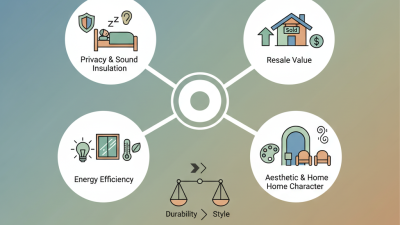
Your location matters as well. If you live in a region with heavy snowfall, ensure the structure can bear extra weight. A weak design can lead to costly repairs. Remember, even beautiful designs must be functional. Prioritize durability alongside aesthetics when constructing your Glass Sun Room.
Selecting the Right Materials for Durability and Aesthetics
When selecting materials for a Sun Glass Room, durability and aesthetics are crucial. The right choice enhances the space's design and ensures longevity. Industry reports indicate that tempered glass is 5 to 7 times stronger than standard glass. This makes it ideal for sunrooms, which face various weather conditions.
Consider the framing materials as well. Aluminum and fiberglass are popular options. They provide robust support and resist rust. A study by the National Association of Home Builders highlights that low-maintenance materials can increase property value up to 15%. This reflects not just in aesthetics but also in the long-term viability of your investment.
Insulation is another vital aspect. Double or triple-glazed tempered glass can significantly reduce energy costs. According to the U.S. Department of Energy, well-designed sunrooms can utilize natural light to lower heating expenses by 30% in winter months. Reflecting on these factors is essential. Ignoring material choices can lead to difficulties down the road.
Energy Efficiency Features for Your Glass Sun Room
When choosing a glass sun room, energy efficiency is a key aspect to consider. Select insulated glass with multiple panes. This type of glass minimizes heat loss during winter months. It effectively keeps your space warm and cozy. Moreover, low-emissivity (Low-E) coatings can help reflect heat back into the room. This feature ensures you enjoy the sun without letting unwanted heat escape.
Look for solar control glass. It reduces glare and blocks harmful UV rays. This not only protects your furniture but also helps maintain a comfortable temperature in the space. Additionally, consider the room's ventilation options. Operable windows can enhance airflow. Proper ventilation can improve indoor air quality, making it a healthier environment.
Finally, reflect on the long-term investment. Energy-efficient features may have higher initial costs. However, they often lead to savings on utility bills. Calculate your potential energy savings to make an informed decision. Enjoying your sun room should also mean being mindful of how it impacts your overall energy consumption.
Costs Involved in Building a Glass Sun Room
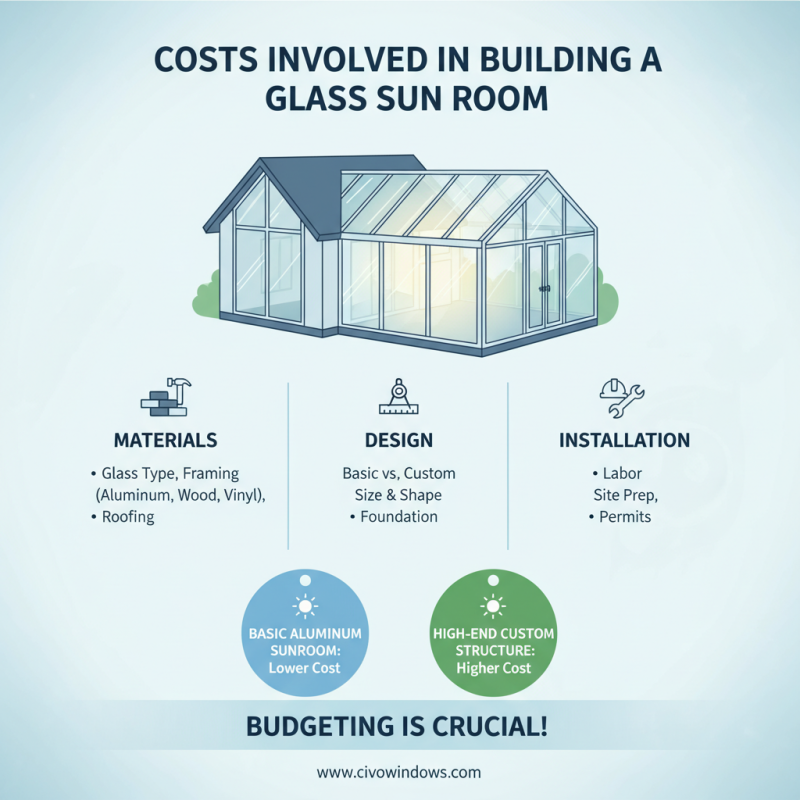
Building a glass sun room can greatly enhance your home. However, the costs involved can vary widely. It's essential to consider materials, design, and installation. A basic Aluminum Sun Room will generally cost less than a high-end custom structure. Budgeting for these options is vital.
Expect to pay for permits, which can add to the total expense. Installation fees are another aspect. Hiring professionals ensures quality work but increases your budget. You may find DIY options, yet they require skills and time. Evaluate how much you’re willing to invest.
Don't forget ongoing maintenance costs. Glass can be sensitive to weather changes. Regular cleaning and occasional repairs might be necessary. It's wise to plan for these expenses. An aluminum sun room can be a beautiful addition, but only if you consider the full financial picture carefully.
Hiring Professionals vs. DIY for Your Glass Sun Room Project
When considering your glass sun room project, deciding between hiring professionals and opting for a DIY approach is crucial. Hiring experts brings a wealth of experience and knowledge. Professionals understand the technical aspects of construction, including structural integrity and energy efficiency. They can ensure that your Archroof Sun Room meets building codes and regulations. This can save you time and prevent costly mistakes, especially if you are inexperienced.
On the other hand, DIY can be very satisfying. You have full control over the design and budget. However, it comes with risks. Many DIY enthusiasts underestimate the complexity of such projects. Accurate measurements, material selection, and installation methods can be overwhelming. Mistakes might lead to issues like leaks or insufficient insulation. Reflecting on past projects can help gauge your abilities. Sometimes, it's better to let the professionals handle the heavy lifting.
Ultimately, weigh the pros and cons carefully. If you choose the DIY route, equip yourself with the right tools and resources. Research thoroughly to avoid pitfalls. Consider starting with smaller projects to build confidence. Understanding your limits is vital, whether you choose to hire someone or take on the challenge yourself.
FAQS
: Tempered glass is ideal. It’s 5 to 7 times stronger than regular glass. This ensures longevity against weather.
Framing materials like aluminum and fiberglass provide support. They resist rust and maintain structural integrity over time.
Double or triple-glazed tempered glass reduces energy costs significantly. Well-designed sunrooms may lower heating expenses by 30%.
Hiring professionals offers expertise in construction. They understand building codes and can prevent costly mistakes.
DIY can be satisfying, but it’s risky. Inexperienced individuals may face challenges like leaks or poor insulation.
Start with smaller projects to develop skills. Research thoroughly and gather the right tools to avoid pitfalls.
Consider not just aesthetics but also long-term viability. Ignoring material choices can lead to future challenges.
Low-maintenance options can increase property value by up to 15%. This is beneficial for both aesthetics and investment.
Mistakes can lead to significant issues like insulation failure. Learning from past projects can help you gauge your skills.
Experts can efficiently manage complex tasks. They ensure your project adheres to regulations, saving you time and stress.
Conclusion
When considering the addition of a Glass Sun Room to your home, several key factors must be evaluated to ensure the final structure meets both your aesthetic and practical needs. Start by exploring the different types of glass sun rooms, such as lean-to and gabled designs, and assess how your available space and location will influence the selection. The choice of materials is crucial for durability and maintaining an appealing look, while energy efficiency features can enhance comfort and reduce costs over time.
Additionally, understanding the overall costs involved in building a glass sun room is essential. Weighing the benefits of hiring professionals against tackling the project as a DIY endeavor will help you determine the best approach for your situation. Ultimately, a well-planned Glass Sun Room can serve as a beautiful extension of your home, providing a space for relaxation and enjoyment year-round.