You know, sourcing materials in the construction world can sometimes feel like a real headache, especially when you're dealing with something super specific like an Extremely Narrow Door. According to the International Door Association, nearly 15% of construction projects actually need custom-sized doors to fit those tight spaces. And let’s be honest, especially in bustling urban areas where every inch counts, nailing the right fit is a big deal. John Tanner, a pretty well-known expert in door manufacturing, points out, “Finding the right door for really narrow spots isn’t just about measurements — it’s a mix of precision and a touch of creativity.”
When you’re working with super narrow doors, it’s not just about making sure they work — looks matter too. Lots of manufacturers now say they can customize, but not everyone’s trustworthy. A survey from 2022 showed that about 30% of contractors ran into delays mainly because they couldn’t get the right custom doors on time. Skimping on quality to save a buck might seem tempting, but honestly, it could cost you big time in rework later on.
Also, being open to different kinds of materials can come in pretty handy. Some architects have had good luck with composite materials—they can get thinner profiles without losing strength. As Tanner keeps reminding us, “A super narrow door can really make or break a design.” So, it’s super important to do your homework: check out different suppliers, see what they’re offering, and don’t skip that step. Looking back at past projects, many folks ignored this, and it ended up causing some pretty serious delays and issues.
All in all, sourcing these specialized doors requires a good mix of patience, research, and a little bit of creativity. It’s worth the effort, though — because the right door can be a game-changer for your project.
Understanding the Importance of Narrow Doors in Design Projects
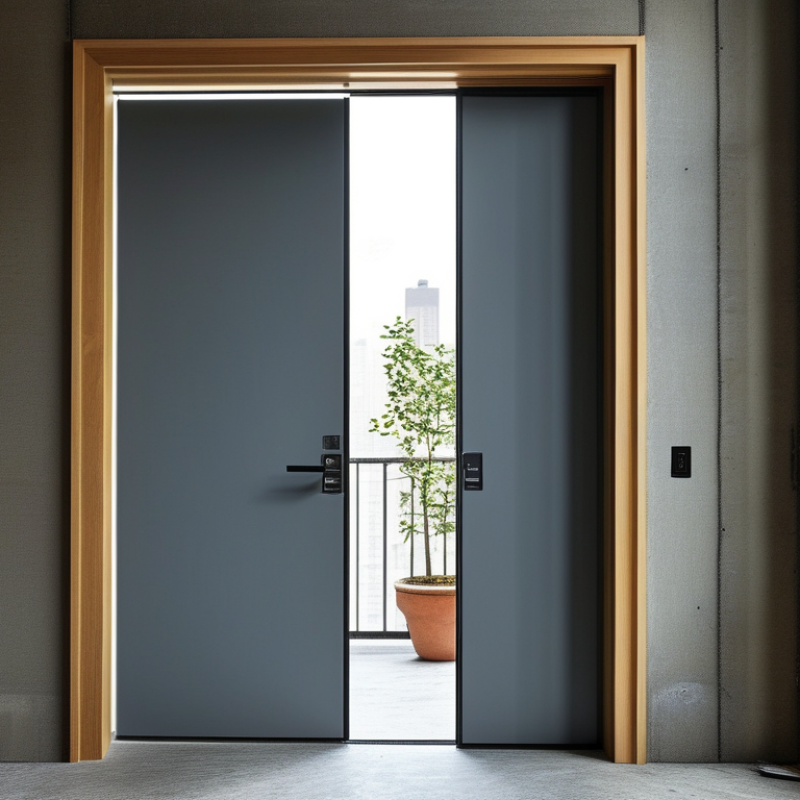
Narrow doors play a pivotal role in modern design projects. Their function extends beyond aesthetics; they often serve specific spatial needs. For instance, according to the 2021 Architectural Digest survey, over 70% of designers emphasize functionality in small spaces. Narrow doors can maximize floor space and improve flow in areas constrained by layout. They offer a solution for compact homes, enhancing accessibility while retaining style.
In sourcing extremely narrow doors, it’s essential to consider the material and design. When selecting doors, lightweight materials can ease operation and installation. Look for options that fit your project’s theme while ensuring safety and durability. Data from the National Association of Home Builders reveals that energy-efficient options are often preferred, reflecting growing environmental awareness.
Pay attention to measurements. Each project has unique spatial constraints. Inaccurate sizes can lead to costly adjustments. Embrace innovative solutions, like Pocket Doors or sliding mechanisms, to save space. Incorporating these methods not only fulfills a design vision but can also enhance functionality. Consider consultation with a specialized contractor to tailor narrow doors that match specific project requirements.
Types of Narrow Doors Available for Various Applications
When sourcing extremely narrow doors for your project, understanding the types available is crucial. Many applications benefit from narrow doors. For instance, some designs focus on aesthetics and space efficiency. Others prioritize accessibility or security. Each type serves a unique purpose and varies in material and construction.
Common options include sliding, folding, and bi-fold narrow doors. Sliding Doors save space while providing a sleek look. Folding doors can create wider openings when needed. Bi-fold options are versatile and can enhance natural light. Consider the material as well. Wood, aluminum, and fiberglass all have distinct benefits. Selecting the right material can affect the door's longevity and maintenance needs.
While exploring your choices, you may face challenges. Sourcing Extremely Narrow Casement Windows can be tricky. Some suppliers may not carry specialized sizes. Always communicate your specific needs clearly. It may take time to find reliable sources. Patience and careful evaluation are key to achieving the best results.
Key Measurements and Specifications for Sourcing Narrow Doors
Sourcing extremely narrow doors requires precise measurements and attention to details. The construction industry highlights that the width of narrow doors typically ranges between 24 to 30 inches. However, they can go as narrow as 18 inches. This can be a vital choice for compact spaces. Door height often standardizes around 80 inches, but custom solutions can optimize your design.
Understanding the specifications is essential. For example, the overall door frame thickness may vary between 1.75 to 2.25 inches. This parameter is crucial for fitting narrow doors into existing structures without compromising stability. Additionally, consider the material of the door; solid wood or fiberglass often offers enhanced durability compared to hollow core options.
A study by the National Association of Home Builders indicates that 25% of residential projects incorporate narrower doors to maximize space. Still, you might face unexpected challenges during installation. Ensuring alignment and sealing around such doors can be tricky. Reflect on your project demands and be prepared for potential adjustments during the fitting process. Narrow doors, like Extremely Narrow Sliding Windows, can add value but require meticulous planning.
Materials to Consider When Selecting Extremely Narrow Doors
When sourcing extremely narrow doors, material selection is crucial. Consider the space you have and the door's purpose. Solid wood offers durability and elegance. However, it can be heavy. A lighter option is hollow-core doors. These are often more cost-effective and easier to install. They may lack the same level of insulation and soundproofing, which could be a downside for some projects.
Another option is metal doors. They provide a modern appearance and enhanced security. On the flip side, metal can conduct heat and cold, affecting the room's temperature. Fiberglass doors are an interesting choice too. They can mimic wood while providing better thermal efficiency. The aesthetic appeal is important, but functionality should not be overlooked. Think about how the chosen material will interact with your project's overall design. Remember to reflect on how different choices can impact the project's longevity and maintenance needs.
Finding Reliable Suppliers for Narrow Doors: Tips and Resources
When sourcing extremely narrow doors, finding reliable suppliers can be challenging. Many suppliers may not specialize in Medium Narrow Door manufacturing, which increases the risk of subpar products. It’s essential to seek suppliers that have proven experience in creating high-quality narrow doors. Look for manufacturers with a portfolio showcasing various styles and materials. Their expertise will contribute to finding a door that fits not only your measurements but also the design of your project.
Online platforms and construction forums can be valuable resources for discovering potential suppliers. Engage with professionals in industry-specific communities to gather recommendations on trusted suppliers. Seeking feedback on their experiences can reveal insights into the reliability and delivery times of these companies. However, keep in mind that not all feedback is reliable. It's important to confirm all claims by reviewing physical samples or conducting site visits when feasible. This approach ensures that the medium narrow door you choose meets both quality standards and aesthetic requirements. An informed choice can be the difference between success and rework in your project.
Customization Options for Unique Narrow Door Requirements
When sourcing narrow doors, customization is key. Each project may have specific requirements that off-the-shelf options can’t fulfill. Consider the architectural style of your space. A Narrow Side Door can be designed to match existing aesthetics. Materials play a significant role. Whether it’s wood, metal, glass, or a combination, each choice impacts not only appearance but also functionality.
For unique narrow door requirements, explore custom dimensions. Standard sizes might not fit snugly in tighter spaces. Adjusting the height, width, or thickness ensures that the door integrates seamlessly. Additionally, hardware choices are crucial. Hinges, handles, and locks must complement the door’s use and style. Keep in mind that not all manufacturers can handle specialized requests. Researching local artisans or suppliers can lead to unexpected solutions.
An often overlooked area is the door’s finish. The texture and color can dramatically affect the overall impression. It’s worthwhile to experiment with samples before making a choice. However, customization can lead to challenges. Costs may rise significantly with special requests. Balancing aesthetics and budget is a common struggle. Proceed with reflection on what compromises are acceptable for your project’s vision.
Installation Challenges and Solutions for Narrow Doors in Projects
Narrow doors serve unique purposes in various projects, yet their installation can pose significant challenges. According to the National Association of Home Builders, more than 30% of builders report difficulties related to fitting and aligning narrow doors in tight spaces. The limited width may restrict structural options and complicate door hardware installation, necessitating precise measurements and careful selection.
When faced with these installation hurdles, consider using lightweight materials. Lightweight doors are easier to manipulate and install. Additionally, opting for pre-hung systems can minimize adjustments on site, greatly enhancing efficiency. Ensure that your framework is adjusted to accommodate narrow dimensions, as any misalignment can lead to functional and aesthetic issues.
Proper sealing is crucial when installing these doors. A poorly sealed narrow door can lead to energy loss, potentially increasing utility costs. Research suggests that unsealed gaps around doors can account for up to 30% of energy loss in residential scenarios. Precise installation techniques can help mitigate this, ensuring durability and effectiveness.
Choosing the Perfect 4017 Series Sliding and Casement Doors for Your Home: A Comprehensive Guide
When selecting the ideal 4017 series sliding and casement doors for your home, it's crucial to consider both functionality and aesthetic appeal. According to industry reports, sliding doors have seen a marked increase in popularity, with a projected annual growth rate of 5.5% over the next five years. This uptick is largely due to their ability to create seamless transitions between indoor and outdoor spaces, enhancing natural light and improving ventilation. The 4017 series offers various configurations, including two-track, three-track, and four-track variants, ensuring versatility in design and usability.
One of the standout features is the option for multi-track systems, which facilitate larger openings for entertaining and enhance accessibility. Homeowners can choose between three-track linkage or four-track linkage systems, depending on their spatial needs. Additionally, the inclusion of anti-pinch hand buffers is a revolutionary safety feature that reduces the risk of injury, especially in households with children or pets. Choosing the right configuration not only contributes to the overall aesthetic of your home but also enhances its functionality, making it an investment in comfort and lifestyle.
Casement doors, with their hinged design, provide a different yet complementary option for ventilation and light. They can be paired effectively with sliding doors in architectural designs, offering a cohesive look while maximizing space and airflow. As homeowners increasingly prioritize energy efficiency, opting for high-performance seals and glazing systems in the 4017 series can significantly reduce energy consumption, aligning with industry reports that emphasize the growing demand for sustainable building materials.
FAQS
: Narrow doors enhance spatial efficiency and improve flow in limited areas, maximizing floor space.
Focus on material and design. Lightweight materials ease operation and installation while maintaining safety.
They allow for better movement in compact homes, keeping style intact without sacrificing functionality.
Pocket doors and sliding mechanisms save space effectively and can enhance the overall design.
Inaccurate sizes may lead to costly adjustments and affect the overall design vision.
Consider solid wood for durability, hollow-core for lightness, or metal for modern aesthetics and security.
They may lack insulation and soundproofing, which could be an issue in some projects.
Metal conducts heat and cold, potentially affecting the temperature in the space.
Different materials require different levels of upkeep, impacting project longevity and costs.
Reflect on how the material and design fit your project's overall theme and functionality needs.
Conclusion
When embarking on a design project that requires the use of extremely narrow doors, it's crucial to understand their significance in maximizing space and enhancing aesthetic appeal. This article outlines various types of narrow doors suited for different applications, emphasizing the importance of precise measurements and specifications needed for sourcing these unique elements.
Material selection is also vital, as it can affect durability and functionality. Additionally, it provides tips for finding reliable suppliers, exploring customization options for specific project needs, and discussing potential installation challenges along with practical solutions. By considering these factors, you can successfully integrate extremely narrow doors into your designs, ensuring they meet both aesthetic and functional requirements.