Windows Doors Manufacturer

You know that moment when you walk up to a building and the doors just glide open? That’s the first thing people experience, whether they realize it or not. There’s a sensor catching your movement, a glass panel sliding aside—and it all has to happen smoothly, every single time. Picking a manufacturer isn’t just about who’s cheapest, either. You’ve got to think about safety, how much foot traffic it can handle, installation support, spare parts down the road, and whether they’ll still be around for service years later.
Okay, so we’re looking at ten well-known manufacturers here—ASSA ABLOY, dormakaba, GEZE, Nabtesco, Stanley Access Technologies, Horton Automatics, TORMAX, record, Boon Edam, and Portalp. They all make Automatic Doors, but the places those doors end up vary a lot: one day it’s a hectic airport, the next it’s a tiny clinic. And honestly, there’s no single “best” brand that works for every entrance. What actually matters when comparing them is the product lineup, how well they support you locally, whether they can customize, and how easy maintenance is going to be—not just whatever the brochure says.
Look, AAADM-certified inspectors always stress practical safety checks, but I couldn't find a verified quote from anyone to use here — and I'd rather not put words in someone's mouth. So, the short version, in plain editorial terms: a dependable entrance is all about the door, sensors, controls, and maintenance working together. And the little things count. Mess up the service schedule, and you'll turn a quiet entrance into a daily headache. If you're shopping for an automatic door, it's worth checking that the system actually fits your site and the amount of traffic you're expecting. You might see something like Automatic Door Closer For Sliding Door pop up in your searches, but don't just assume it's the one you need—take a moment to confirm the device type and make sure it's compatible with what the manufacturer offers. So yeah, this ranking is really just a starting point—it’s not meant to replace a proper project-specific review, if that makes sense.

An Automatic Door is more than a motorized panel. It combines sensors, a controller, a drive unit, and safety features to manage movement. Motion sensors may detect a person approaching, while presence sensors help prevent the door from closing on someone in its path. The controller interprets these signals and adjusts the opening cycle. Small details matter: a sensor aimed too high may miss a child, while one facing a busy corridor may trigger unnecessarily.
The drive system moves sliding or swinging panels, often using an electric motor and mechanical transmission. Settings such as opening speed, hold-open time, and closing force should match the doorway’s traffic and layout. Safety edges or additional detection devices can provide another layer of protection, but no single component guarantees safe operation. Regular inspection can reveal loose fixings, worn rollers, or sensors covered by dust. A simple test helps. Watch the door from both sides during normal use, and note hesitation or unexpected movement. Technology reduces effort, yet careful adjustment and maintenance remain essential. Even a well-designed system can behave poorly when its surroundings change.
This chart compares representative wavelengths for infrared, ultrasonic, and microwave sensing. Values are shown in millimetres on a logarithmic scale. They are calculated from typical example signals—940 nm infrared, 40 kHz ultrasound in air at approximately 20°C, and 24.125 GHz microwave radar—and are not universal specifications or measures of sensor performance.
Comparing global automatic door manufacturers requires more than reading product brochures. Evaluators should examine documented tests for impact resistance, operating cycles, sensor response, and emergency behavior. Ask for test conditions. Headline results alone can mislead. An Automatic Sliding Door in a busy clinic faces different demands from one at a quiet office entrance. That difference matters.
Assessment should reflect real operating conditions, including temperature changes, wind, dust, and daily traffic. Check whether sensors detect children, wheelchair users, and people approaching from different angles. Review opening speed, closing force, noise, and the clarity of manual controls. These details affect both comfort and safe movement. A polished demonstration is useful, but it cannot replace evidence from long-term installations.
Service support deserves equal attention. Ask how quickly technicians can respond, whether common replacement parts remain available, and what maintenance records customers receive. Compare warranty terms carefully; coverage may not reveal the full cost of ownership. No scoring method is perfectly neutral, and evaluators can overvalue features that look impressive in a showroom. A more reliable judgment weighs test data, installation experience, user needs, and practical maintenance together.
A quick glance at the ten leading automatic door manufacturers should focus on what each can reliably deliver, not just on product photos. Compare sliding, swinging, and revolving door options, then check whether the manufacturer supports the opening size, traffic level, and building layout you have. A busy clinic entrance needs different features from a small office lobby. Look for clear technical documents, stated safety features, and accessible maintenance guidance. Details matter.
Tips: Ask who handles installation and service in your area. Confirm spare-part availability and expected response times. A low purchase price may not reflect the full cost of upkeep.
Rankings can make complex choices seem simple. In practice, the best fit depends on daily use, weather exposure, accessibility needs, and the skills of the local installer. Request written specifications and compare sensor coverage, opening speed, noise, and backup operation. If possible, observe a similar door in use; a quiet, smooth opening is easier to judge in person. I would still treat any “top ten” list as a starting point, not proof that one supplier suits every project. Some comparisons may miss local service differences, and that is worth checking before you decide.
Manufacturer One is an engineering-led producer focused on sliding entrances for hospitals and busy transit buildings. Its strengths are reliable sensors, quiet motors, and accessible clear openings. Buyers should inspect service access, not just opening speed.
Manufacturer Two specializes in revolving doors for hotels and office towers. Its design priorities include steady pedestrian flow and reduced drafts at entrances. Revolving systems need careful installation. Poor alignment can create friction and costly callbacks.
Manufacturer Three serves retail and mixed-use projects with telescopic Sliding Doors. These systems help where the entrance width is limited. Check how the door performs during peak traffic, when carts and people move through together.
Manufacturer Four concentrates on hermetic doors for healthcare and clean environments. Strong profiles typically document sealing performance and provide compatible controls. A specification sheet alone is not proof of site performance.
Manufacturer Five offers broad portfolios spanning swing, sliding, and revolving systems. This can simplify procurement across multi-site projects, though local technical support may vary. These profiles compare capabilities, not verified sales rank; manufacturers disclose different levels of evidence.
The 2024 Global Status Report for Buildings and Construction, published by UNEP and the GlobalABC, reports that buildings accounted for 32% of global energy demand and 34% of energy- and process-related carbon dioxide emissions in 2023. Automatic entrances are only one small part of building performance. Still, airtight seals, suitable sensors, and correct commissioning can reduce avoidable drafts and improve day-to-day operation. Testing matters. Teams should record opening cycles, safety checks, and service intervals after installation.
The manufacturers ranked six through ten often stand out through practical strengths rather than a single headline feature. Some focus on compact operators for narrow entrances; others offer systems designed for busy retail, healthcare, or office buildings. Their product ranges may include sliding, swing, and revolving doors, with sensors and controls matched to different traffic patterns. The right choice depends on the doorway, not just the catalogue.
Look closely at installation details. A clear opening width, floor level, and nearby wall space can affect how an automatic door performs. Ask whether the manufacturer provides documented safety testing, compatible sensors, and replacement parts. Clear technical information makes comparisons more reliable. So does a written maintenance schedule.
Service can separate a capable supplier from a convenient one. Check how local technicians handle routine adjustments, fault diagnosis, and parts availability. Response times matter when an entrance serves a clinic or a busy shop. Still, published specifications do not tell the whole story. A polished product sheet cannot guarantee a quiet, smooth installation. Site conditions and workmanship count, and buyers sometimes underestimate both.
A useful comparison of the world’s leading automatic door manufacturers starts with the doors themselves. An Automatic Sliding Glass Door suits busy entrances where clear sightlines and steady foot traffic matter. Swing doors can fit narrower corridors, while revolving doors help limit drafts at large building entrances. Product range matters, but so do sensor placement, opening speed, and access for maintenance. Small details affect daily use.
Markets shape what manufacturers prioritize. Hospitals may need controlled access and doors that are easy to clean; retail sites often value smooth movement and reliable operation during peak hours. In colder or dustier regions, seals and weather resistance deserve closer attention. A catalog rarely tells the whole story. A ranking can look precise, but comparisons become less certain when testing methods differ.
Service networks can separate similar products in practice. Check whether local technicians can commission the system, diagnose faults, and obtain common replacement parts without long delays. Ask about response targets and training, not just the number of service locations. A nearby office is not always proof of strong support. It is also worth asking how upgrades affect existing controls; this detail is easy to overlook, and sometimes the answer is unclear.
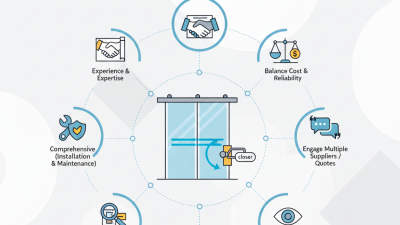
When comparing automatic door manufacturers, match the equipment to the entrance, not just the catalogue. A busy hospital lobby needs dependable sensors, clear safety zones, and fast access to replacement parts. A small office may prioritize quiet operation and low maintenance. Ask for cycle-test results, warranty exclusions, and documented response times for service calls. Paper specifications can still mislead.
The 2023 Global Status Report for Buildings and Construction, published by the UN Environment Programme’s GlobalABC, estimates that buildings and construction used 34% of global energy and produced 37% of energy- and process-related carbon emissions in 2022.
This does not mean an automatic entrance alone will cut emissions. It does make sealing, closing speed, and integration with heating or cooling controls worth checking. Request measured performance data for the proposed Automatic Door System, rather than accepting broad efficiency claims.
Check how the manufacturer verifies compliance with safety requirements applicable to your location. Ask to see sensor layouts, commissioning records, and maintenance instructions before signing. Can local technicians get parts quickly? That matters. Compare total operating costs over the expected service life, including inspections and downtime. One detail is easy to miss: a lower purchase price may not cover difficult access to the motor or control unit during repairs.
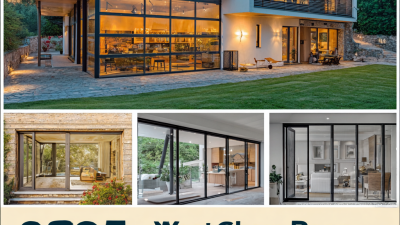
Professional window-and-door industry reports point to a growing emphasis on practical performance in the medium Narrow Sliding Door segment. For 3565 Series doors, buyers and project planners often weigh space efficiency, smooth operation, weather management, and a clean architectural appearance. Medium narrow profiles can help preserve natural light and sightlines while fitting a range of residential and light commercial layouts. As expectations rise, drainage design is also becoming an important consideration, particularly in spaces exposed to frequent rain or changing weather.
The 3565 Series features a distinctive high-and-low track configuration designed to guide water away rather than allowing it to collect or back up along the sill. More effective drainage can help reduce water intrusion concerns and support a comfortable, clean indoor environment. For professionals comparing sliding door systems, this detail offers a practical performance benefit alongside the format’s space-saving operation. Careful installation and routine track maintenance remain important to help the door perform as intended over time.
Match the door type to the doorway and traffic. Check clear opening width, nearby wall space, and floor level.
They can suit hospitals, transit buildings, and narrow retail entrances. Test performance during busy periods, especially when carts and people pass together.
They can help manage pedestrian flow and reduce drafts. Careful installation matters; poor alignment may cause friction and service callbacks.
No. A specification sheet cannot prove site performance. Ask for documented testing, then check the installed door in real conditions.
Review sealing performance and control compatibility. Confirm these details for the actual site, not just the product description.
Suitable sensors, airtight seals, and correct commissioning may reduce avoidable drafts. Automatic entrances are only one small part of building performance.
Ask for a written schedule covering service intervals, safety checks, and opening cycles. Record those details after installation. Testing matters.
Ask about technician response times, routine adjustments, fault diagnosis, and replacement parts. A polished brochure is not enough.
No. A supplier may offer several door types, while local technical support varies. I might give the catalogue too much weight.
This article explores how Automatic Door systems work, including the sensors, control units, and safety features that support smooth, reliable operation. It also explains how manufacturers can be assessed through factors such as product quality, technical capability, market experience, service coverage, and ongoing support. A concise overview of ten leading manufacturers introduces the landscape before examining the first five and then the next five in turn, highlighting their general strengths without focusing on any single company.
The article also compares product ranges, target markets, and service networks to show how manufacturers may differ in their approach. For buyers, the final section offers practical considerations for choosing a suitable supplier, including the intended application, performance needs, installation requirements, maintenance availability, and long-term value. Together, these topics provide a clear framework for understanding the industry and making an informed selection.