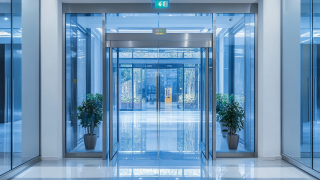
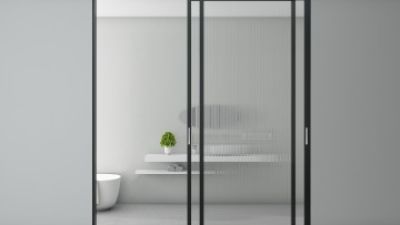
As we near 2026, the world of Automatic Door tech keeps changing pretty fast. Everyone’s really focusing more on making things convenient and secure, which is sparking some pretty exciting innovations. These automatic doors aren’t just for stores anymore—they’re everywhere, from homes to offices.
Some of the top companies are rolling out cool new solutions, like the Automatic Door Closer for Sliding Doors. It’s a game-changer that helps make doors safer and more efficient. Honestly, these upgrades can totally change the way we interact with our spaces. That said, not every solution fits everyone perfectly, so there’s still some tweaking and adapting needed.
Manufacturers are also trying to use new, high-tech materials to make doors look better and last longer. But, of course, challenges pop up—that tricky balance between super-smart tech and a smooth user experience. Keeping an eye on these trends is key for businesses to make smart choices. Staying up-to-date means customers get doors that are reliable, efficient, and just easier to use overall.
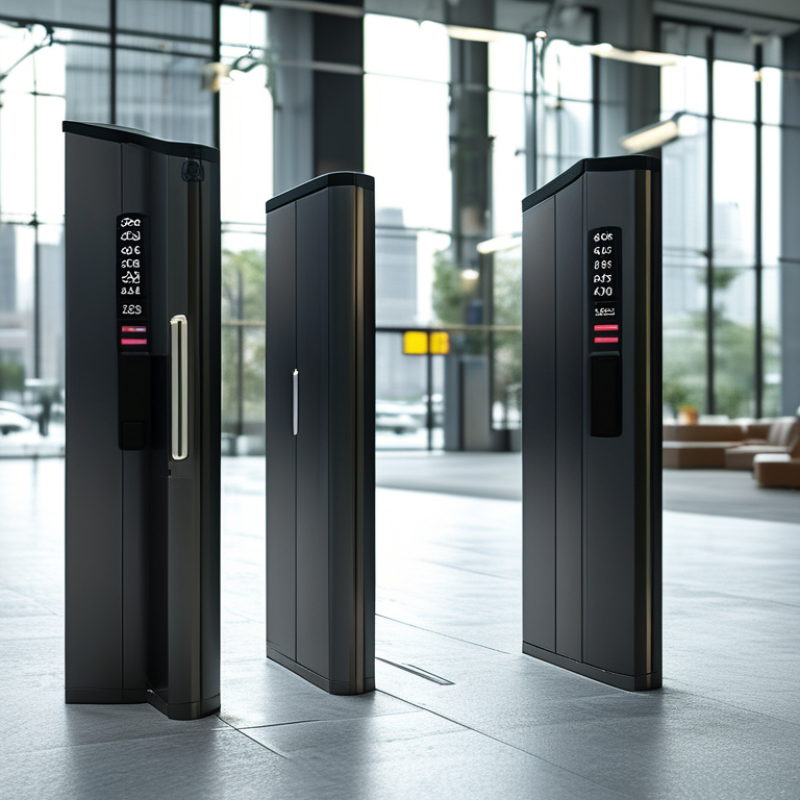
Top Innovations in Automatic Door Technology for 2026
As we approach 2026, the automatic door industry is witnessing groundbreaking innovations. Enhanced sensor technology is at the forefront, allowing doors to detect motion with unparalleled precision. This means doors can open faster and more smoothly, benefiting high-traffic areas. Imagine a busy hospital entrance where a patient can walk in without delays. Such advancements significantly improve the flow of people.
Alongside sensor improvements, energy efficiency is becoming critical. New designs focus on minimizing energy consumption. Automatic doors now feature better sealing mechanisms, reducing heating and cooling losses. This not only saves money but also promotes sustainability. However, integrating these technologies can be challenging. Some systems may require complex installations and careful planning.
Another exciting trend is the push for smart connectivity. IoT integration allows doors to communicate with other building systems. For instance, access control can enhance security in commercial spaces. But with increased connectivity, vulnerabilities may arise. A thorough understanding of cybersecurity measures is essential for seamless operation. As we explore these innovations, it’s vital to balance convenience with safety and efficiency.
Current Market Trends in Automatic Door Solutions
As businesses evolve, so do their needs for efficient entry solutions. Automatic Doors are gaining popularity in various sectors. The latest trends emphasize sustainability and smart technology. Integrating sensors and IoT capabilities enhances user experience. This not only provides convenience but also promotes energy efficiency.
Tips: Consider the flow of foot traffic when implementing Automatic Door solutions. Assess the peak hours and adjust the settings accordingly. Also, ensure that the sensors are regularly maintained to avoid malfunction.
With urban development on the rise, minimizing environmental impact is crucial. The demand for green energy solutions in Automatic Door systems is increasing. Users are looking for doors that reduce energy consumption while enhancing security. However, the transition to smart doors raises questions. Are users ready for technology-driven interfaces?
Tips: Gather feedback from users about their experiences with Automatic Doors. This insight can guide future improvements. Ensure that installation teams are well-trained in both product knowledge and user interaction. Understanding the user perspective creates a better environment for all.
Integration of Smart Technology in Automatic Door Systems
The integration of smart technology in automatic door systems is reshaping the architecture of both commercial and residential spaces. Modern Automatic Sliding Doors now come with sensors and software that enhance security and user experience. These doors can detect motion, which allows for hands-free operation. This feature is not just convenient; it also reduces the spread of germs, a vital consideration in today’s health-conscious environment.
Tips: Ensure your automatic doors are installed with high-quality sensors. Regular maintenance helps in preventing unexpected malfunctions. Small misalignments can lead to bigger issues over time.
Moreover, smart doors can be synced with mobile apps and home automation systems. This means users can control access remotely. It also enables real-time monitoring, providing critical data for security analytics. However, reliance on technology can create potential vulnerabilities. Cybersecurity measures must be in place to protect these systems.
Tips: Regularly update your door system’s software and review access logs. Training staff on how to use these features effectively can prevent operational issues. It's important to assess the balance between convenience and security measures.
Sustainability and Energy Efficiency in Door Design
Sustainability is reshaping automatic door design. More businesses recognize the importance of eco-friendly options. Energy efficiency is now a priority, reducing operational costs. This shift benefits both the environment and the bottom line.
One key trend is the use of recycled materials. Manufacturers focus on reducing waste in production. Doors made from sustainable sources reduce the carbon footprint significantly. These materials enhance durability and aesthetics, creating an appealing look.
Tips: Consider the energy consumption of automatic doors. Look for models that meet energy efficiency standards. Regular maintenance can ensure their performance. Investing in technology that monitors energy use also pays off.
Integrating renewable energy sources is another exciting trend. Solar-powered automatic doors are emerging. They harness sunlight to operate, decreasing reliance on traditional power. However, challenges remain in areas with inconsistent sunlight. Testing the feasibility in specific environments is essential. Making the right choice requires careful analysis.
Impact of COVID-19 on Automatic Door Usage Trends
The COVID-19 pandemic has significantly altered consumer behavior and business operations, particularly in the automatic door sector. A recent industry report indicates that usage of automatic doors has surged by 35% in healthcare settings since 2020. This trend reflects heightened concerns for hygiene and contactless solutions. As businesses adapt, the demand for Automatic Sliding Glass Doors is on the rise, providing a sanitary option while enhancing accessibility.
Many facilities now prioritize safety features in their designs. Automatic doors limit physical contact, reducing virus transmission risks. A study showed that 60% of businesses plan to install automatic doors for improved safety in the next two years. However, this rapid integration comes with challenges. Some businesses struggle with higher installation costs and maintenance issues. It's crucial for industry stakeholders to address these concerns while highlighting the doors' benefits.
As businesses reconsider their layouts, automatic Sliding Glass Doors are becoming a central feature. These doors not only promote a seamless flow of foot traffic but also convey a modern image. Yet, one must reflect on their energy efficiency and lifecycle impact. Balancing innovation with sustainability remains a critical conversation in the sector.
Key Players and Market Share in the Automatic Door Industry
The automatic door industry is experiencing rapid growth. According to industry reports, the global automatic door market is projected to reach USD 18 billion by 2026, with a CAGR of 6.7%. This growth is primarily driven by increasing demand in sectors like retail, healthcare, and hospitality.
Key players, including manufacturers and service providers, are critical in shaping industry trends. Companies are focusing on innovations in technology and design, resulting in improved user experience. Interestingly, the majority of market share is held by a few large players, making it challenging for smaller companies to compete. Market analysis shows that around 40% of the share is dominated by just three companies. This concentration poses risks for the market's overall dynamism and flexibility.
Consumer preferences are evolving. Today’s users prefer doors with advanced features like touchless operation and energy efficiency. However, there are challenges regarding installation and maintenance. Not all products meet the expected standards of durability and usability. This gap highlights the need for increased industry regulations and quality checks. With the trends shifting, a more diversified player base could be beneficial for long-term sustainability in the automatic door sector.
Future Predictions: Automation and User Experience in Door Systems
In the evolving landscape of modern building design, automation plays a pivotal role. The Automatic Door System is at the forefront of enhancing user experiences. A report from the International Door Association suggests that automatic doors can improve accessibility by up to 30%. This feature is especially beneficial for the elderly and individuals with disabilities, ensuring that public spaces are inclusive and welcoming.
Moreover, the integration of smart technology is revolutionizing how we interact with these systems. With advancements in sensors and AI, automatic doors can adapt to user behaviors. A study published in the Journal of Automation Research found that 70% of users prefer doors that open automatically when approached. This level of convenience diminishes the friction often associated with entering buildings. However, reliance on technology can lead to malfunctions, creating barriers rather than solutions. Regular maintenance and monitoring are essential for a seamless user experience.
As we look to 2026, the emphasis on sustainability is equally critical. The demand for energy-efficient Automatic Door Systems is rising. Reports indicate that these systems can help reduce energy consumption by 25% in commercial buildings. However, manufacturers must balance durability with environmental impact, as cheaper materials may lead to increased waste. This highlights the ongoing need for innovation that aligns technology with sustainable practices.
Enhancing Home Efficiency: Insights from Industry Reports on the 3550 Series Sliding Door and Casement Door Features
The push towards enhancing home efficiency has led to innovative developments in door design, particularly with the 3550 Series Sliding Door and casement door features. Industry reports highlight that doors are more than just entry points; they play a pivotal role in energy conservation and overall home functionality. The three versatile opening methods—push-pull, hanging, and swinging—ensure that homeowners can select options tailored to their specific needs, improving both space utilization and accessibility.
According to data from recent market analysis, modern sliding doors contribute significantly to energy savings, with some reports indicating a reduction in heat loss by up to 30% compared to traditional doors. Additionally, the seamless functionality of the casement door maximizes ventilation and natural light, which is essential for modern living spaces. The integration of efficient seals and advanced materials in these door designs not only enhances energy efficiency but also minimizes outside noise, creating a more tranquil indoor environment.
Moreover, the adaptability of these doors is crucial in meeting the varied demands of homeowners. Push-pull mechanisms allow for easy operation in tight spaces, while hanging doors offer a contemporary aesthetic ideal for open floor plans. Swinging doors, on the other hand, retain a classic appeal and are well-suited for larger openings. As more homeowners prioritize energy efficiency and aesthetic appeal, the significance of these innovative door features cannot be overstated, showcasing the vital role that high-quality door systems play in modern home designs.
FAQS
: Enhanced sensor technology allows for precise motion detection, enabling faster and smoother door operations.
New designs feature better sealing mechanisms, reducing heating and cooling losses, thus saving energy and money.
Eco-friendly materials and energy-efficient features help lower operational costs and reduce environmental impact.
IoT integration allows doors to communicate with building systems, enhancing security and user experience.
Increased connectivity brings potential cybersecurity vulnerabilities, requiring careful implementation and understanding of measures.
Automatic doors can improve accessibility by up to 30%, making public spaces more inclusive for everyone.
Regular monitoring and maintenance are essential to prevent malfunctions and ensure seamless operation.
Yes, but their effectiveness depends on the consistency of sunlight in specific environments.
Convenient door operations reduce friction and barriers, but technology reliance may lead to issues if not maintained properly.
Consider energy consumption, material sustainability, and climate conditions for optimal performance and efficiency.
Conclusion
The article "2026 Top Automatic Door Trends You Need to Know" explores the latest advancements and market dynamics in automatic door technology. It highlights the innovations transforming the industry, emphasizing the integration of smart technology, which enhances user interaction and overall efficiency. Sustainability and energy efficiency are also key focal points, as designs evolve to meet contemporary environmental standards.
Additionally, the impact of COVID-19 is discussed, showcasing changes in automatic door usage trends as businesses adapt to new health guidelines. The article delves into current market trends and the share of key players in the automatic door sector, while also making predictions about the future, particularly regarding automation and the user experience in door systems. Overall, it provides invaluable insights for stakeholders and consumers looking to keep pace with the evolving landscape of automatic doors.