Windows Doors Manufacturer

Leave Your Message
Need Project Quote?
Chat With Us Now
Chat With Us Now
Windows Doors Manufacturer
So, why go with Aluminum Folding Doors for projects around the globe?
Global projects need more than a good-looking opening. They have to actually perform—across different climates, building types, and installation conditions. That's where Aluminum Folding Doors come in: they're a pretty flexible solution for hotels, retail spaces, restaurants, warehouses, and residential projects. Because the panels fold, you get wide openings without needing a big swing area. So designers can connect interiors with terraces, courtyards, loading zones, or public walkways more easily.
Material choice really does matter. Aluminum gives you a frame that’s strong but still fairly light, which helps when the door gets used day after day. If you pair it with the right thermal breaks, glazing, seals, and finishes, an Aluminum Folding Door can do a lot for energy efficiency and weather protection. That said, project teams still need to look at local wind loads, drainage, glass specs, and accessibility expectations. After all, one spec isn’t going to work for every region.
Details really do matter. Take a coastal project—it might need extra corrosion resistance. And in a cold climate? You're probably looking at better insulation and seals that have been tested carefully. In busy commercial spaces, don't overlook things like rollers, hinges, handles, and locking points. Those little parts often shape how people experience a place over time. Oh, and installation quality? It matters just as much as the product design itself.
Aluminum folding doors aren't automatically perfect—not even close, really. If measurements are off, the hardware is flimsy, or the install gets rushed, you can lose a lot of the value you were hoping for. That's just a real limitation to keep in mind. A good, experienced supplier? They should give you drawings, performance details, sample approvals, and installation guidance before anything goes into production. And if the configuration you asked for needs a second look, they should tell you clearly. At the end of the day, solid decisions come from testing your assumptions—not just falling for pretty product photos. For global projects especially, this kind of balanced approach just makes things easier — planning feels safer, coordination is clearer, and the results tend to be a lot more dependable.
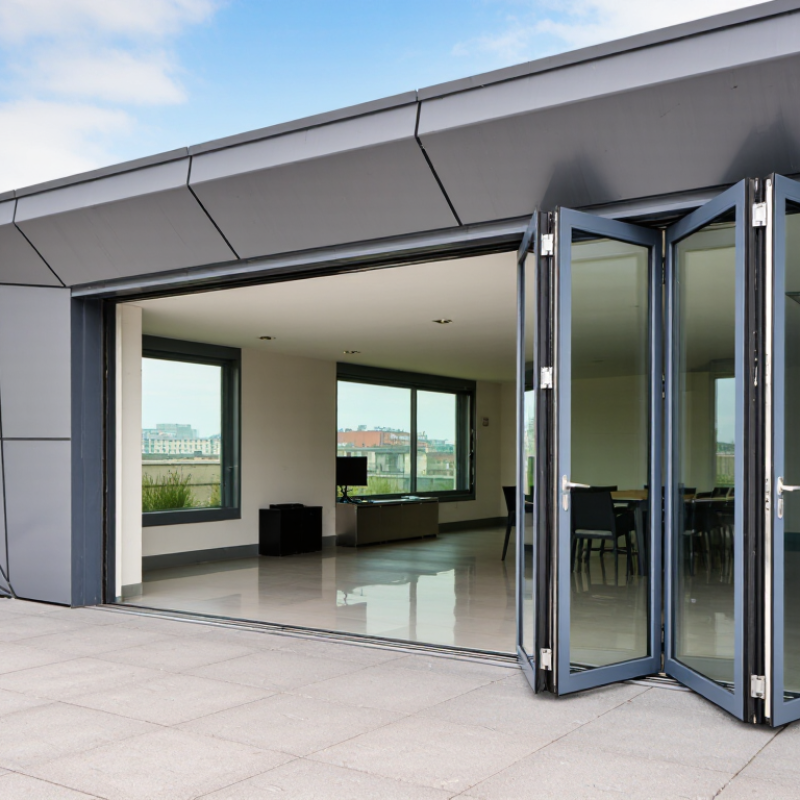
Aluminum folding doors are multi-panel systems that open by stacking connected leaves beside an opening. Their frames usually combine lightweight aluminum profiles, hinges, rollers, seals, and glazing. This structure creates a wide passage without requiring a large swing area. It suits hotels, homes, restaurants, and public buildings across different climates.
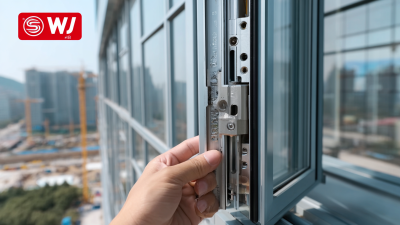
The core design begins with precise panel alignment. Strong hinges support repeated movement, while bottom rollers help distribute the door’s weight. Thermal breaks can reduce heat transfer through the frame. Weather seals limit drafts, dust, and rain, but they cannot replace proper installation. Double or triple glazing may improve insulation and acoustic comfort. Similar principles apply to Aluminum Folding Windows, especially where ventilation and flexible opening sizes matter.
Tips: Confirm wind loads, drainage, glass specifications, and hardware quality before ordering. Check the floor level carefully. A small installation error can cause uneven gaps or difficult operation. Field experience shows that drainage channels need regular cleaning, particularly near coastal sites. Aluminum also requires suitable surface treatment for local exposure conditions. I would not assume one standard configuration fits every project; climate data, building use, maintenance access, and safety requirements deserve separate review. Some impressive designs perform poorly when these practical details are overlooked.
| Data Dimension | Typical Information | Design or Project Relevance |
|---|---|---|
| Definition | A folding door is a multi-panel door system in which connected panels slide along a track and fold together at one or both sides of an opening. | Creates a wide opening while requiring less swing clearance than conventional Hinged Doors. |
| Primary Frame Material | Aluminum, commonly used as extruded profiles with protective surface finishes. | Offers a relatively low-weight frame with good corrosion resistance and design flexibility. |
| Panel Configuration | Usually consists of an even or odd number of panels connected by hinges, with panels folding inward or outward according to the selected layout. | Allows left-stacking, right-stacking, split-stacking, or other opening arrangements based on circulation needs. |
| Operating Mechanism | Top-hung, bottom-rolling, or hybrid systems using rollers, hinges, guide tracks, handles, and locking hardware. | The mechanism affects load distribution, operating force, maintenance access, and floor-detail requirements. |
| Opening Width | Project-specific; multi-panel systems are commonly selected for openings wider than standard single-leaf doors. | Suitable for patios, terraces, hospitality spaces, retail fronts, indoor partitions, and large residential openings. |
| Panel Width | Commonly designed within approximately 600–1,200 mm per panel, subject to glass weight, hardware capacity, wind load, and local standards. | Panel sizing should be confirmed through structural calculations and the selected system's tested limits. |
| Glazing Options | Single glazing, insulated glazing units, laminated glass, tempered glass, or combinations required by the project specification. | Glazing selection influences thermal performance, acoustic control, safety, solar control, and panel weight. |
| Thermal Performance | Varies according to frame design, thermal breaks, glazing specification, gaskets, and installation quality. | Thermally broken profiles and insulated glazing are generally more appropriate for conditioned buildings and cold or hot climates. |
| Weather Resistance | Depends on drainage paths, seals, gaskets, thresholds, panel alignment, and tested air, water, and wind performance. | Coastal, tropical, rainy, and high-wind locations require project-specific detailing and performance verification. |
| Surface Finishes | Common options include anodized finishes and powder-coated finishes, subject to regional color and durability requirements. | The finish supports appearance retention and resistance to environmental exposure when properly specified. |
| Space Efficiency | Panels fold into a compact stack beside the opening instead of projecting through a large swing arc. | Improves usable floor area and supports flexible indoor-outdoor transitions. |
| Ventilation and Daylight | Large glazed panels can provide daylight and natural ventilation when partially or fully opened. | Supports adaptable layouts in residences, restaurants, offices, educational buildings, and public facilities. |
| Accessibility Considerations | Threshold height, clear opening, operating force, handle position, and track design should be coordinated with accessibility requirements. | Low or flush thresholds may improve accessibility, but water-management and drainage details must also be addressed. |
| Global Climate Suitability | Aluminum systems can be adapted to dry, humid, coastal, cold, hot, and high-wind environments when correctly engineered. | Specifications should reflect local wind pressure, temperature range, rainfall, salt exposure, seismic conditions, and building codes. |
| Maintenance Requirements | Regular cleaning of tracks, inspection of rollers and hinges, adjustment of hardware, and replacement of worn seals may be required. | Routine maintenance helps preserve smooth operation, weather resistance, and service life. |
| Project Selection Criteria | Opening size, panel count, glass type, thermal targets, wind loads, threshold detail, stacking direction, and applicable standards. | A coordinated specification reduces installation conflicts and improves long-term performance across different project regions. |
| Key Advantages | Wide opening capability, compact stacking, relatively low frame weight, corrosion resistance, daylight access, and flexible configuration. | Makes aluminum folding doors a practical option for projects requiring adaptable openings and a balance between aesthetics and function. |
Note: Dimensions and performance characteristics are typical design references only. Final values should be verified against the selected system, project calculations, local building codes, and applicable test standards.
## MT150 Heavy Lever Gear Sliding Door: A Practical Guide to Secure, Smooth-Opening Entrances
The MT150 Heavy Lever Gear Sliding Door is designed for entrances that require dependable security, controlled movement, and long-term structural stability. Its lever gear mechanism distributes operating force more evenly than a basic pull handle, helping users open and close a heavy panel with less effort. Proper alignment of the track, rollers, lock, and door panel is essential; even a small installation error can increase friction, noise, and premature hardware wear.
Frame construction is equally important. The angle and T connection are seamlessly bonded with glue-injected angle codes and flat pieces, creating a firm joint without exposed fasteners or uneven surfaces. This approach strengthens the frame while maintaining a clean appearance, reducing weak points where movement or moisture could affect performance. Regular inspection of rollers, seals, fasteners, and drainage paths helps preserve smooth operation in high-traffic settings.
Energy performance should also be considered when selecting an entrance system. The U.S. Department of Energy has reported that air leakage may represent approximately 5–30% of a building’s heating and cooling energy use, depending on construction and climate. A well-fitted sliding door, combined with accurate installation and effective perimeter sealing, can therefore support better indoor comfort. For commercial, residential, and hospitality projects, the MT150 offers a practical balance of structural strength, user-friendly operation, and refined entrance design.
They are multi-panel doors that fold and stack beside an opening. This creates a wide passage without needing a large swing area. Panels use aluminum frames, hinges, rollers, seals, and glazing.
Hinges connect the panels. Rollers guide their movement along the top or bottom. When opened, the panels fold together beside the opening. Clean tracks help prevent binding.
Confirm opening size, wind loads, drainage, glass specifications, and hardware capacity. Check the floor level carefully. A small error can create uneven gaps or difficult operation.
Yes, but the design must match local conditions. Coastal areas need corrosion-resistant finishes and clear drainage paths. Cold regions need suitable thermal breaks and effective seals. One standard design may not fit every project.
Thermal breaks can reduce heat transfer through the frame. Double or triple glazing may improve insulation and sound comfort. Results still depend on installation quality and glass selection.
It is very important. Installers should check the opening for level, plumb, and structural strength. Poor alignment can cause air leakage, hard operation, and weak sealing. Drawings alone cannot fix a bad site condition.
Clean frames, tracks, drainage holes, and seals regularly. Inspect rollers, hinges, locks, and gaskets at planned intervals. Remove dust, salt, and leaves before they affect movement. Maintenance is easy to postpone.
Ignoring drainage, using unsuitable finishes, and skipping inspections can create problems. Dust or building settlement may affect operation after handover. A door that works smoothly on day one may later need adjustment. Project schedules should allow real inspection time.
An Aluminum Folding Door is a flexible architectural solution designed to create wide, unobstructed openings while maintaining a refined and practical appearance. Its interconnected panels fold and stack neatly to improve circulation, natural light, ventilation, and visual connection between indoor and outdoor spaces. In global building projects, this operating system can support residential, commercial, hospitality, and public applications where space efficiency and adaptable layouts are important.
Its aluminum structure offers a strong yet lightweight foundation, with suitable finishes and glazing options that can be adapted to different climates, architectural styles, and project requirements. Properly selected seals, drainage systems, hardware, and surface treatments can improve resistance to moisture, heat, cold, and coastal conditions. Custom configurations allow integration with modern, traditional, and minimalist designs. For long-term performance, projects should consider accurate installation, professional alignment, routine cleaning, hardware inspection, and timely maintenance. These factors help ensure reliable operation, energy-conscious performance, and lasting value across diverse international environments.