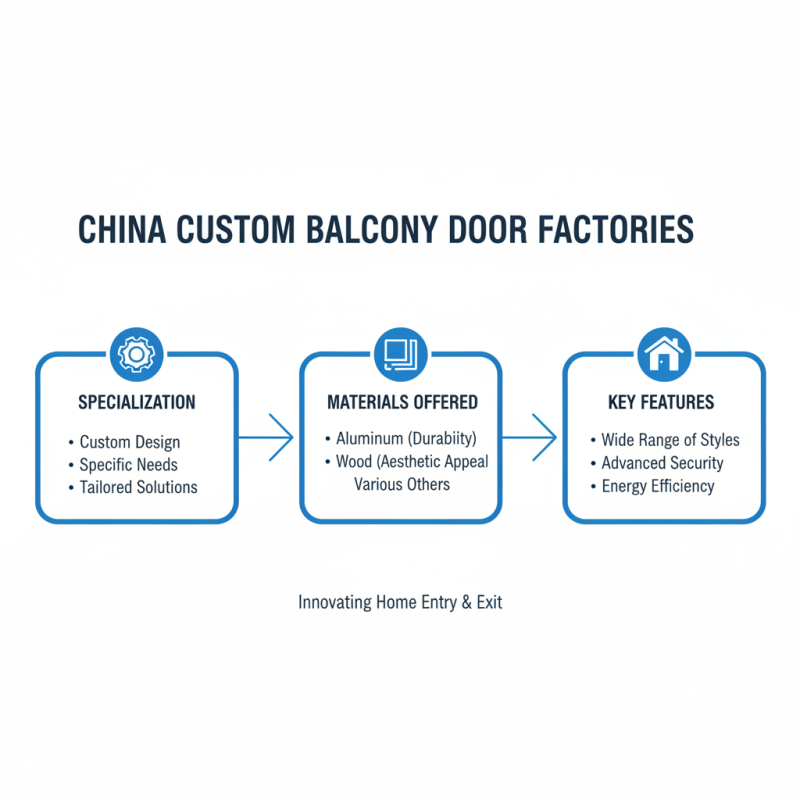
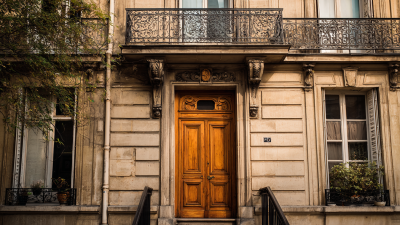
So, what exactly is a China Custom Balcony Door Factory, and how do they keep things running? Well, lately, balcony doors have become really popular in construction — everyone seems to want that perfect mix of style and function to jazz up their living spaces. A China Custom Balcony Door Factory actually specializes in making these doors. Unlike your average, off-the-shelf door, their custom ones are tailored to fit unique needs and tastes, which is pretty cool.
Most of these factories focus a lot on quality and getting things done efficiently. Skilled workers handle every step carefully — from cutting the materials to assembling and finishing touches. But, of course, it’s not always smooth sailing. Sometimes, they run into hiccups during manufacturing — quality control can slip up here and there, leading to inconsistencies. That’s why factories need to constantly review their processes and look for ways to do better.
On top of that, working closely with designers can lead to some pretty innovative ideas — results that are not just functional but also eye-catching. Still, it’s a balancing act: making sure the doors look good while also being durable. Finding the right materials that tick both boxes can be a real challenge. Overall, China Custom Balcony Door Factories have a lot of potential to really upgrade spaces, but they’ve got to work through some hurdles along the way.
What is a China Custom Balcony Door Factory?
China custom balcony door factories play a significant role in the manufacturing industry. These factories specialize in creating custom-designed balcony doors that cater to specific customer needs. They offer a wide range of materials, styles, and features. Many of these doors are made from aluminum or wood, providing durability and aesthetic appeal.
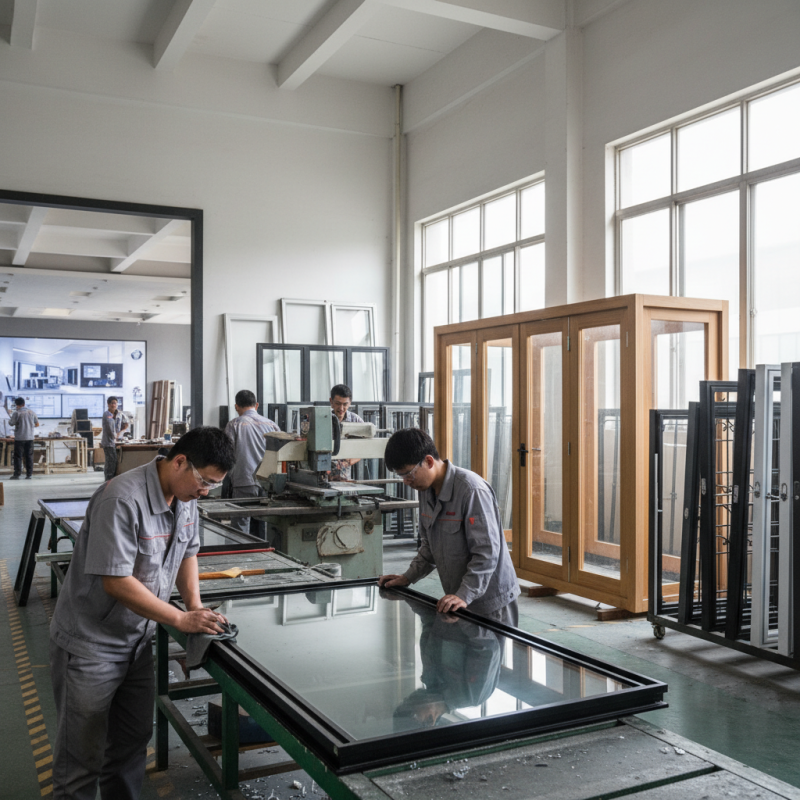
The operation of a China custom balcony door factory involves several key steps. First, clients provide their design preferences and dimensions. The factory then uses advanced machinery to cut and shape materials accordingly. Workers assemble the doors, ensuring attention to detail at every stage. Quality control is essential, yet sometimes details may be overlooked in the rush to meet deadlines. This leads to potential issues with fitting or finishing.
In many cases, communication between the factory and clients can be challenging. Language barriers and differing expectations complicate the process. Some factories struggle to meet quality standards consistently. As a result, it can be difficult for clients to find the right balance between cost and quality. Continuous improvement is necessary, as factories navigate these complexities and strive to enhance their services.
Overview of the Balcony Door Manufacturing Process
In a China custom balcony door factory, every step counts. The manufacturing process starts with selecting raw materials. High-quality wood or aluminum is essential. Workers check for flaws before moving forward. This prevents defects later on.
Once materials are ready, cutting takes place. Precision is crucial. Workers use advanced machinery for accurate cuts. Each piece needs to fit perfectly together. Measurements must be confirmed multiple times. Mistakes can lead to wasted materials and extra costs.
Next comes assembly. Workers piece together doors, ensuring alignment and durability. This stage requires skill and patience. Quality control is performed throughout. Reviewing each door can reveal overlooked issues. Sometimes, errors happen. This is a chance to learn and improve.
Tips for manufacturers: always invest in training. Skillful workers increase quality. Regularly update equipment to stay competitive. Mistakes are part of growth. Reflecting on flaws can lead to better practices. Keep a detailed log for improvements.
What is a China Custom Balcony Door Factory and How Does It Operate? - Overview of the Balcony Door Manufacturing Process
| Process Step | Description | Time Frame | Materials Used |
| Design | Initial sketches and CAD designs are created based on customer specifications. | 1-2 weeks | Aluminum, glass, wood options |
| Material Sourcing | Procurement of raw materials needed for manufacturing. | 2 weeks | Steel, glass, vinyl, insulation |
| Manufacturing | Assembly of components using advanced machinery and skilled labor. | 3-4 weeks | Glass panes, frames, hardware |
| Quality Control | Testing and inspection of finished products for durability and safety. | 1 week | Testing tools, measurement equipment |
| Packaging | Final products are carefully packed for shipping to avoid damage. | 1 week | Cardboard, protective materials |
| Shipping | Delivery of finished doors to customers or distributors. | 1-2 weeks | Transport vehicles, shipping containers |
Key Materials Used in Balcony Door Production
Balcony doors are crucial components of modern architecture. They enhance aesthetics and provide access to outdoor spaces. A China custom balcony door factory typically utilizes several key materials in production. These materials include aluminum, wood, fiberglass, and vinyl. Each material has unique properties that influence durability and design flexibility.
Aluminum is popular for its strength and lightweight nature. It resists rust and corrosion, making it ideal for various climates. Wood offers a classic look but requires maintenance. Fiberglass is known for energy efficiency and durability, while vinyl provides cost-effective options with low upkeep.
Tips: Consider your climate when selecting materials. For coastal areas, aluminum might be the best choice to resist corrosion. Also, think about the style of your home. Balancing aesthetics with functionality is vital for a lasting investment.
Some factories are adopting sustainable practices. They focus on recyclable materials and waste reduction. However, not every factory implements these measures. It's essential to research and choose a manufacturer committed to environmental responsibility. The right choice can impact both your living space and the planet.
Tips: Visit production facilities if possible. Seeing operations firsthand can help you make informed decisions. Engage with experts to understand material properties better, ensuring you select the optimal balcony door for your needs.
Design Customization Options Offered by Factories
China Custom Balcony Door Factories offer a wide range of design customization options. These factories cater to individual preferences, allowing customers to personalize their balcony doors. From material selection to color choices, there’s a lot of room for creativity. Customers can choose between wood, aluminum, and fiberglass. Each material has its own unique properties and aesthetics.
In addition, customization extends beyond materials. Customers can specify sizes and styles, ensuring a perfect fit for their homes. It's even possible to add unique features like grilling or decorative glass. However, sometimes the choices can be overwhelming. Too many options might lead to indecision. Some customers may struggle to determine what best suits their needs. Factories often provide guidance but finding the right combination still requires thought.
Lastly, it's important to consider practicality alongside creativity. A well-designed door must also be functional and energy-efficient. In some cases, customers prioritize looks over utility, which can lead to regrets. Balancing aesthetic appeal with sturdiness and insulation is essential. Custom balcony doors can enhance a home, but reflection is key to making the right decision.
Quality Control Standards in China Balcony Door Manufacturing
Quality control is essential in the manufacture of balcony doors in China. Many factories emphasize rigorous testing procedures. This includes inspections at multiple stages of production. For instance, raw materials undergo quality assessments before they even reach the assembly line. Furthermore, visual inspections occur during manufacturing to catch any defects early.
Workers are trained to prioritize quality. They often follow specific guidelines, yet human error can play a role. Some issues may slip through unnoticed. Production managers regularly address this by conducting random checks on finished products. Through careful monitoring, factories aim to meet international standards, but inconsistencies can sometimes arise.
Customer feedback is crucial, too. Factories appreciate input to improve their processes. However, addressing every concern is a continuous challenge. While strong systems exist, adapting to evolving quality expectations is vital. Factories strive for excellence but must remain open to change and improvement.
Logistics and Distribution of Finished Products
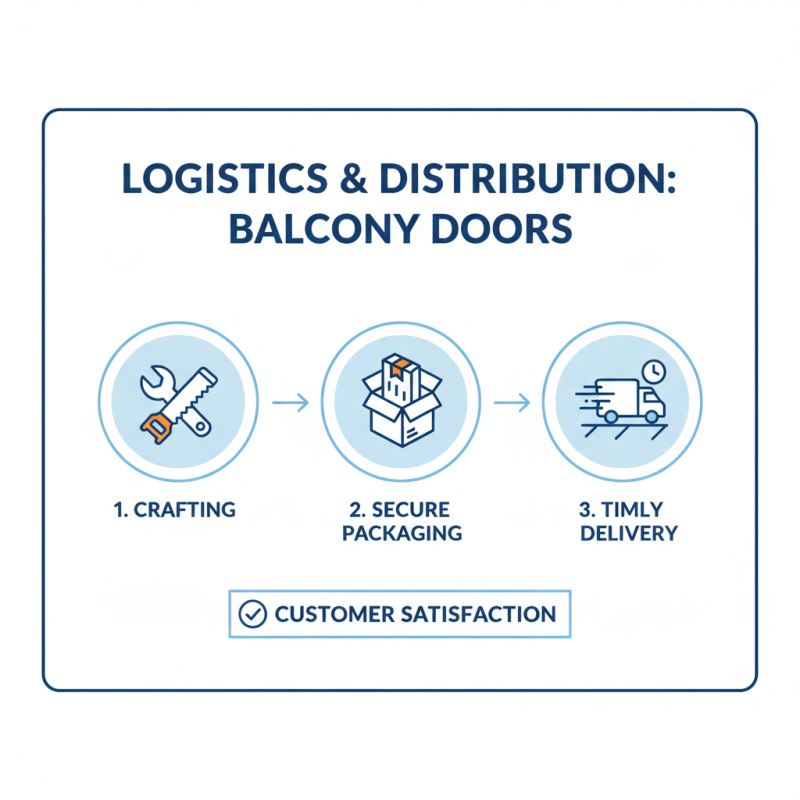
In a China custom balcony door factory, logistics and distribution play crucial roles. Once the balcony doors are crafted, the next steps are vital. Finished products need careful handling. They should be packaged securely to prevent any damage during transport. Timely delivery is also important for client satisfaction.
The factory often collaborates with local transport companies. Choosing the right logistics partner can be challenging. Delays can happen due to various reasons. Weather conditions or traffic can affect delivery schedules. Proper planning is necessary but is not always foolproof. It’s essential to monitor shipments closely.
Warehousing is another key aspect of distribution. The factory might not have enough space for large inventories. Therefore, utilizing third-party warehouses can be an option. This can pose challenges in inventory management. Keeping track of stock levels can become overwhelming. A good system is needed, but errors can still occur. These factors highlight the need for constant reflection and improvement in logistics processes.
Market Trends and Consumer Preferences in Balcony Doors
The market for balcony doors is evolving rapidly. Consumers now seek more than just functionality; they desire style and sustainability. Large glass panels are trending, offering expansive views and natural light. Many buyers prefer energy-efficient models to save on utility bills.
Customization is also key. Homeowners want doors to reflect their unique tastes. They often request specific colors, materials, and designs. Manufacturers report increased inquiries for customizable options. There is a clear demand for personalized finishes, such as matte textures or bold colors.
However, not all factories meet these consumer needs. Some still rely on outdated designs. Quality control is a significant concern. Customers express frustration when products arrive damaged or poorly constructed. Balancing cost and quality remains a persistent challenge. Companies must improve their processes to stay competitive in this changing landscape.
Market Trends and Consumer Preferences in Balcony Doors
FAQS
: Quality control ensures that products meet safety and durability standards. This protects consumers and enhances overall satisfaction.
Factories perform quality assessments on raw materials before assembly. This prevents poor-quality materials from affecting the final product.
Workers are trained to follow specific guidelines. However, human error can lead to unnoticed issues. Continuous training is needed.
Production managers conduct random checks on finished doors. This helps identify defects that may have been missed during production.
Factories value feedback for improvement, yet addressing each concern can be difficult. Ongoing adaptation to expectations is necessary.
Finished products are packaged securely to prevent damage. Proper handling ensures doors arrive in good condition for clients.
Factories collaborate with local logistics firms for transportation. Choosing the right partner can be tough, and delays may occur.
Third-party warehouses help manage space, but can complicate inventory tracking. Errors in stock levels can lead to shortages or overstocking.
Factories need a good system for monitoring shipments. Constant reflection on processes can help tackle errors and inefficiencies.
Weather conditions and traffic can delay shipments. Proper planning is essential but may not always prevent issues.
Conclusion
A China Custom Balcony Door Factory specializes in the design and manufacture of bespoke balcony doors tailored to meet specific client requirements. The production process involves several stages, from selecting high-quality materials to intricate fabrication techniques, ensuring durability and aesthetics. Key materials, such as aluminum, fiberglass, and wood, are commonly utilized to optimize both functionality and visual appeal.
Additionally, factories offer a variety of design customization options, allowing clients to modify colors, sizes, and features based on personal tastes or architectural needs. Rigorous quality control standards are upheld throughout the manufacturing process to ensure that each balcony door meets safety and durability criteria. Finally, efficient logistics and distribution systems are in place to deliver finished products to markets, reflecting current trends and consumer preferences in balcony door designs.