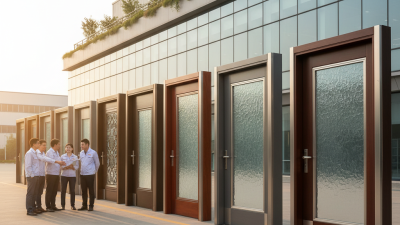
As global markets keep changing, there's a noticeable rise in the demand for efficient and affordable building doors. I mean, if you look at recent reports from MarketsandMarkets, they’re saying the worldwide Building Door market might hit about USD 85 billion by 2026 — that's pretty impressive! This growth really seems to reflect more construction projects going up and, honestly, a bigger focus on saving energy. Big names like ASSA ABLOY and Jeld-Wen are all about innovating to keep up with what folks need these days.
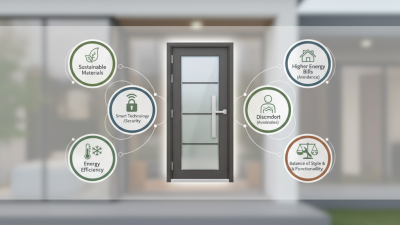
Today, we’re also seeing some pretty cool trends. Think sustainable materials and smart tech being integrated into building doors. According to ResearchAndMarkets, eco-friendly doors can actually cut down on energy costs quite a bit — who wouldn’t want that, right? But, here’s the thing: some companies still wrestle with balancing what they can afford versus being green. When shopping around, it’s super important for buyers to keep in mind their local rules and what kind of climate they’re dealing with.
Now, with so many options available, it can feel a bit overwhelming—like, not every door out there is going to be perfect for every situation. That’s why it’s crucial to really understand what your local market needs and think about how well a door will perform over time. Things like security, durability, and style are all key when picking out the right building door. Spending a little extra time researching can actually save you money down the road and even boost your property’s value. As the industry keeps evolving, everyone involved should stay flexible and try to anticipate changes so they can make smarter choices overall.
Trends in Building Door Technology for Global Markets in 2026
As global markets evolve, building door technology is shifting significantly. The demand for eco-friendly options continues to rise. Buyers seek materials that offer both durability and sustainability. Enhanced insulation is essential, ensuring energy efficiency in every climate. These advancements not only reduce energy costs but also promote environmental responsibility.
Security is another key focus in door design. Smart locks and integrated surveillance systems are becoming standard features. This blend of technology and design enhances safety in both residential and commercial spaces. Buyers are increasingly aware of the need for reliable security measures. Therefore, investing in advanced locking mechanisms is a crucial consideration.
Trends also point towards customizable designs. Homeowners desire unique aesthetics, especially when Building A Sunroom. Modular systems allow for personalized choices while maintaining structural integrity. There is merit in understanding preferences and evolving with consumer demands. Not all solutions will suit every environment, and it’s vital to find a balance between form and function.
Best Building Door Options for Global Buyers in 2026
Key Features to Consider When Choosing Building Doors
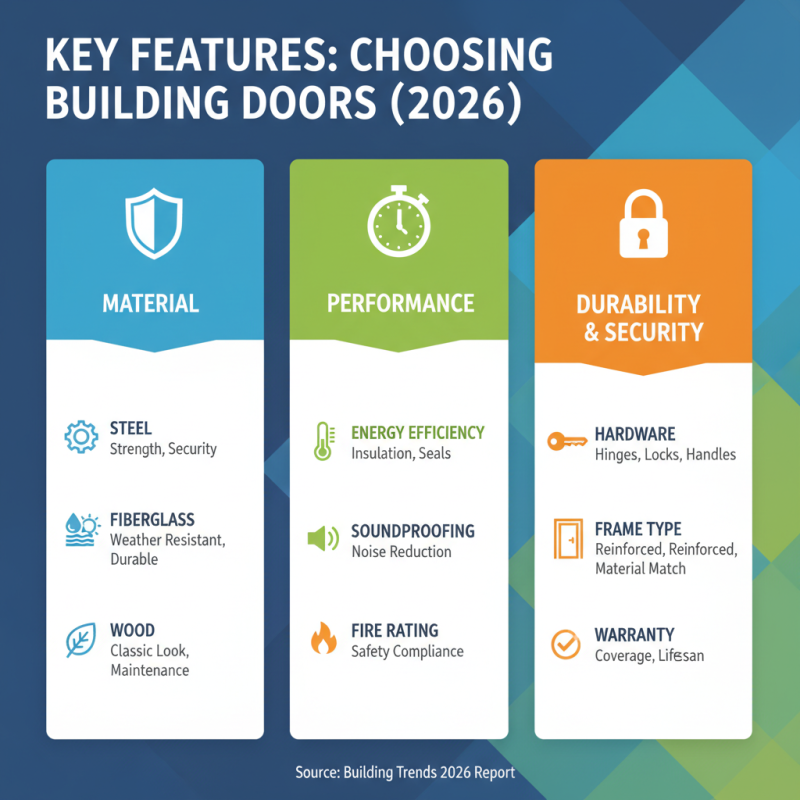
When selecting building doors in 2026, key features can significantly impact performance and durability. Consider the materials used. Steel, fiberglass, or wood all have unique advantages. Steel offers strength, while fiberglass provides resistance to the elements. Wood adds a classic aesthetic but requires more maintenance.
Security is another critical feature. Strong locks and reinforcing frames enhance safety. It's crucial to assess the door's vulnerability points. Energy efficiency cannot be overlooked. Look for doors with insulation ratings that reduce heating and cooling costs. A door that meets energy standards helps lower utility bills over time.
Installation and maintenance aspects also deserve attention. An improperly installed door can lead to issues like drafts and water damage. Ensure that your choice is backed by robust warranties.User feedback can provide insights into performance over time. Reflect on your unique needs. Think about how the door fits into your building's overall design and functionality. Each choice carries weight and requires careful consideration.
Environmental Sustainability in Building Door Materials
As the demand for eco-friendly solutions rises, selecting building doors with sustainable materials is essential for future projects, especially in 2026. Recent studies indicate that nearly 70% of consumers prioritize sustainability when making purchasing decisions. This aligns with the increasing focus on environmental impact in the construction industry.
Wood production remains a key player. However, many trees used in doors come from unsustainable sources. In contrast, reclaimed wood offers a viable alternative. It reduces deforestation and minimizes waste. According to a report by the Forest Stewardship Council, using reclaimed wood can cut carbon footprints significantly, by up to 50%. This makes it a compelling choice for environmentally conscious builders and architects.
Additionally, manufacturers are now exploring innovative materials, such as recycled aluminum and composite materials. These products not only offer durability but also require less energy to produce. A study by the Sustainable Building and Construction Group found that buildings equipped with these doors can achieve up to a 30% reduction in energy consumption. With a growing interest in creating spaces like a Sun Room, incorporating such sustainable options can enhance both aesthetics and energy efficiency in modern architecture.
However, it's crucial to ensure that these materials undergo proper certification to maintain reliability and performance.
Comparative Analysis of Security Features in Building Doors
When considering building doors, security features are critical for global buyers in 2026. A recent report by the Global Security Market Research stated that the demand for secure building access solutions is expected to rise significantly. An impressive 45% of property managers prioritize door security as a key factor in their purchasing decisions.
Increasing concerns about theft and vandalism have led to innovations in door technology. For instance, smart locks are expected to dominate the market, with a growth rate projected at 15% per year. These locks utilize biometric systems or mobile access, enhancing security beyond traditional keys. However, their reliability can sometimes be questioned. Reports indicate that as many as 30% of users experience initial connection issues, highlighting the need for ongoing evaluation of such technologies.
Additionally, physical door strength remains an essential feature. Steel doors offer robust protection against forced entry. They provide an estimated 85% higher resistance compared to wooden doors. Yet, not all steel doors are created equally. The quality of materials can vary widely, prompting buyers to conduct thorough research. This inconsistency emphasizes the importance of scrutinizing certifications and manufacturer standards before making a purchase.
Cost-Effectiveness of Different Building Door Options
When considering building doors in 2026, cost-effectiveness is vital. Many buyers focus on materials and durability. Options like fiberglass and steel drawers are becoming popular. They offer security and insulation at reasonable prices. Wood doors may look appealing but can be costly in maintenance.
Factors impacting the cost include energy efficiency. Some advanced designs reduce heating and cooling expenses. A well-insulated door can lower your overall energy bills. Homeowners report saving significantly with good door choices. For example, enhancing a Sunroom can lead to better airflow. This influences the overall "Building A Sunroom Cost."
Buyers must consider regional climates. In warmer areas, lighter materials may be more efficient. In cold regions, insulated steel may prove essential. Reflecting on these elements can help buyers make sound choices. The details surrounding price, efficiency, and maintenance prompt thoughtful reflection. Investing in the right doors can create long-term savings and comfort.
Regional Preferences and Cultural Influences on Door Styles
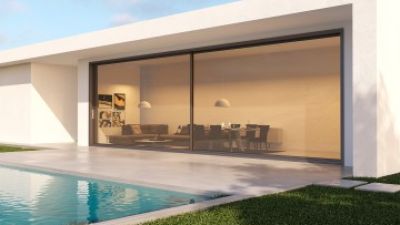
When exploring door styles, regional preferences play a significant role. Each culture has unique tastes and functional needs. In Asia, sliding doors shine due to space optimization. They blend indoor and outdoor environments seamlessly, enhancing connection with nature. Particularly in coastal regions, these doors allow for airflow and maintain the view.
In Europe, craftsmanship matters. Wooden doors often reflect historical styles. They represent a long-standing tradition of artistry and durability. In Mediterranean areas, wrought iron doors add security and elegance. Meanwhile, in colder climates, heavy insulation is crucial. Doors must endure winter winds while offering comfort inside.
Cultural influences often spark innovation. Combining traditional designs with modern technology creates unique aesthetics. For example, some buyers are now interested in Building A Sunroom On A Deck. This trend emphasizes natural light and spaciousness, impacting door choices. As people connect with their environment, door styles will evolve further, shaped by these diverse influences.
Future Innovations in Smart Building Door Solutions
As we look toward 2026, the landscape for smart building door solutions is evolving rapidly. A report from the International Energy Agency forecasts that smart door technologies could reduce energy consumption in commercial buildings by up to 30%. This significant potential stems from innovations such as touchless entry systems and integrated sensors. These advances not only enhance user experience but also improve security and energy efficiency.
Current trends show that global buyers prioritize flexibility in design and functionality. Many smart doors now come equipped with advanced locking mechanisms and biometric scanners. These features enhance safety but also raise questions about privacy. According to recent studies, 45% of consumers worry about data security linked to smart devices. Balancing functionality and privacy remains a challenge for manufacturers.
The aesthetics of smart doors are also evolving. With sustainable materials on the rise, builders are integrating recyclable components into designs. Reports indicate that 55% of consumers prefer eco-friendly options. However, the durability of these materials must be scrutinized. Even with innovations, the longevity and maintenance of smart doors can be concerning. As buyers navigate these choices, the industry needs to address both technological advancements and potential drawbacks.
Exploring the Benefits and Features of MT150 Heavy Lever Gear Sliding Door Systems
The MT150 Heavy Lever Gear Sliding Door Systems are designed to enhance both functionality and aesthetics in various living and working spaces. One of the primary benefits of this system is its robust construction, which is achieved through the innovative use of glue-injected angle codes and flat pieces. This method not only ensures a seamless bond at the angle and T connections but also contributes to the overall strength of the frame, making it durable and reliable for heavy use.
Moreover, the smooth surface provided by the MT150 system adds a touch of elegance to any environment. The careful design minimizes friction and wear, making the sliding mechanism exceptionally smooth and user-friendly. This feature not only simplifies operation but also improves the longevity of the door system, allowing for an effortless experience that enhances everyday life. Whether in residential or commercial settings, the MT150 Heavy Lever Gear Sliding Door Systems stand out as an excellent choice for those seeking efficiency and style.
FAQS
: Sustainable materials help reduce the environmental impact of construction projects and meet consumer demands for eco-friendly solutions.
Many trees are sourced unsustainably, which contributes to deforestation and environmental harm.
Reclaimed wood is sourced from old structures. It reduces waste and can significantly lower carbon footprints.
Using recycled aluminum and composites can lead to a 30% reduction in energy use for buildings.
Innovations include touchless entry systems and integrated sensors that enhance security and user experience.
About 45% of consumers worry that smart devices can compromise their data security and privacy.
While they use recyclable materials, their longevity and maintenance needs can be concerning and require careful consideration.
Global buyers often seek flexibility, with advanced features like biometric scanners being in high demand.
Builders must ensure that sustainable materials are properly certified for reliability and performance.
Manufacturers must navigate the tension between improving functionality and addressing consumer privacy concerns effectively.
Conclusion
As we look ahead to 2026, the landscape of building door options is evolving significantly with emerging trends in technology and design. New innovations are enhancing the functionality of building doors, focusing on security, environmental sustainability, and smart features. Buyers are encouraged to consider essential factors such as cost-effectiveness, security features, and the materials used, which increasingly incorporate sustainable practices.
Cultural influences also play a crucial role in shaping regional preferences for building door styles, reflecting local aesthetics and traditions. A comparative analysis reveals that understanding these variances can lead to more informed choices. Ultimately, the future of building doors lies in their ability to seamlessly blend functionality with advanced technology, ensuring they meet the diverse needs of global markets.