Lately, Casement Windows have really taken off in modern home design. I’ve read that they’re great for letting in plenty of natural light and fresh air — something folks definitely appreciate. Since they open outward, they can boost airflow quite a bit, which is pretty neat. Plus, that design helps save energy, making your home more efficient.
By 2026, it seems like most homeowners are looking for a good mix of style and function. I came across some stats that about 30% of people are specifically shopping for high-performance casement windows. Big names like Andersen and Pella are leading the way with some pretty innovative options out there. But, honestly, choosing the right casement window can feel a bit overwhelming with so many choices.
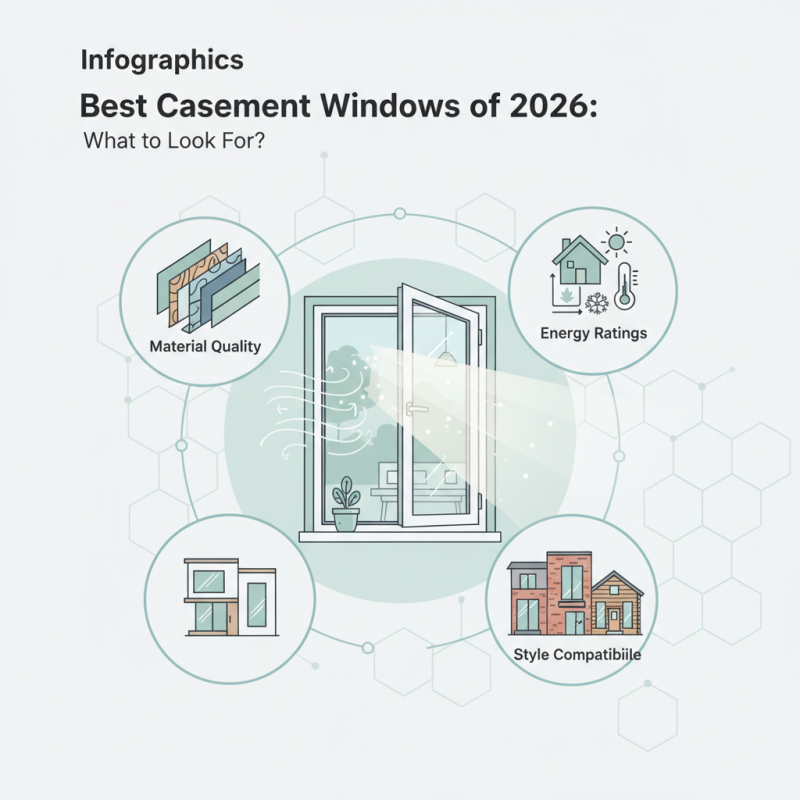
If you’re on the hunt, it really pays to think about the materials used, the energy ratings, and whether the style fits your home. Not all models are created equal — some might not hold up as well over time or might need replacements sooner than you'd like. Taking the time to weigh these factors can definitely save you headaches down the line. All in all, picking the right window can make a real difference in how comfortable your space feels and how much you save on energy costs.
Best Casement Windows of 2026: An Overview of Key Features
When selecting casement windows in 2026, several key features stand out. Notably, energy efficiency ranks high on homeowners' lists. According to the U.S. Department of Energy, windows account for 25% to 30% of residential heating and cooling energy use. Choosing windows with a high energy rating can help cut utility bills significantly. For example, models with Low-E coatings reflect infrared light, keeping homes cooler in summer and warmer in winter.
Durability is another essential feature to consider. Many casement windows now use advanced materials, often featuring fiberglass or vinyl. A study from the Window and Door Manufacturers Association indicates that these materials can extend the lifespan of windows significantly, sometimes exceeding 30 years. However, not all installations ensure this longevity. Poor installation can lead to air leaks and premature wear, impacting performance.
Ventilation is crucial too. Casement windows can open fully to let in fresh air. But if not designed properly, they can become difficult to operate. An industry report suggests that homeowners often overlook ease of use, leading to dissatisfaction over time. It's vital to spend time on research and select models that combine functionality with user-friendly design.
Energy Efficiency: Understanding Ratings and Performance Metrics
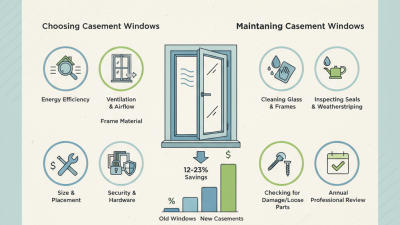
Choosing the right casement windows involves more than just aesthetics. Energy efficiency is a key factor that affects comfort and utility bills. Understanding ratings and performance metrics can guide your choices. Look at U-factor, which indicates how well a window insulates. Lower U-factors are better for energy efficiency.
Next, consider the Solar Heat Gain Coefficient (SHGC). This measures how much heat from the sun enters through the window. A lower number is preferable in hot climates. Air leakage is another metric to keep in mind. Windows should limit drafts to maintain indoor temperature. Pay attention to the design and frame materials, too.
Beware of the allure of High-End Windows without understanding their actual performance. Many products look good on paper. However, poor installation can lead to leaks and inefficiencies. Not all windows labeled as energy-efficient perform equally. It’s vital to research and sometimes seek expert advice. Overlooking these details may lead to regrets down the line. Always weigh your options carefully and aim for what suits your specific needs.
Material Options: Wood, Vinyl, Aluminum, and Their Benefits
When choosing casement windows, material selection is crucial. Wood, vinyl, and aluminum each offer unique benefits and drawbacks. Wood windows provide excellent insulation and aesthetic appeal. However, they require regular maintenance to prevent rot and warping. According to a 2022 industry report, approximately 35% of homeowners prefer wood windows for their natural look.
Vinyl windows are gaining popularity due to their energy efficiency and low maintenance requirements. They resist fading and don’t need painting. A recent survey showed that 40% of new construction projects utilize vinyl for its cost-effectiveness. Yet, some users express concerns over color fading after years of exposure.
Aluminum offers durability and strength. It is lightweight and can support larger panes of glass. However, aluminum windows tend to conduct heat, which may lead to energy loss. Approximately 25% of homeowners choose aluminum for its modern appeal, but they often worry about insulation efficiency. Each option has its pros and cons, making it essential to reflect on your priorities before making a decision.
Design Considerations: Style, Color, and Customization Options
When selecting casement windows, design considerations are crucial. The style of the windows should complement your home's architecture. Casement windows can offer a modern look, yet they also suit traditional designs. Their sleek, straight lines can enhance contemporary spaces, while decorative finishes may appeal to more classic homes.
Color plays a significant role in the overall aesthetic. A muted palette can create a serene environment. Bright hues can make a bold statement. Customization options allow homeowners to express their unique tastes. You might want to choose different hinge placements or sizes to fit particular spaces. It also gives room for creative expression.
However, it's essential to reflect on these choices. Sometimes, a trend may not align with your personal style. Color selections might clash with existing elements of your home. Balancing personal preferences with functionality can be challenging. Thoughtful consideration is necessary to ensure lasting beauty and practicality.
Installation Process: What to Expect and DIY vs. Professional Help
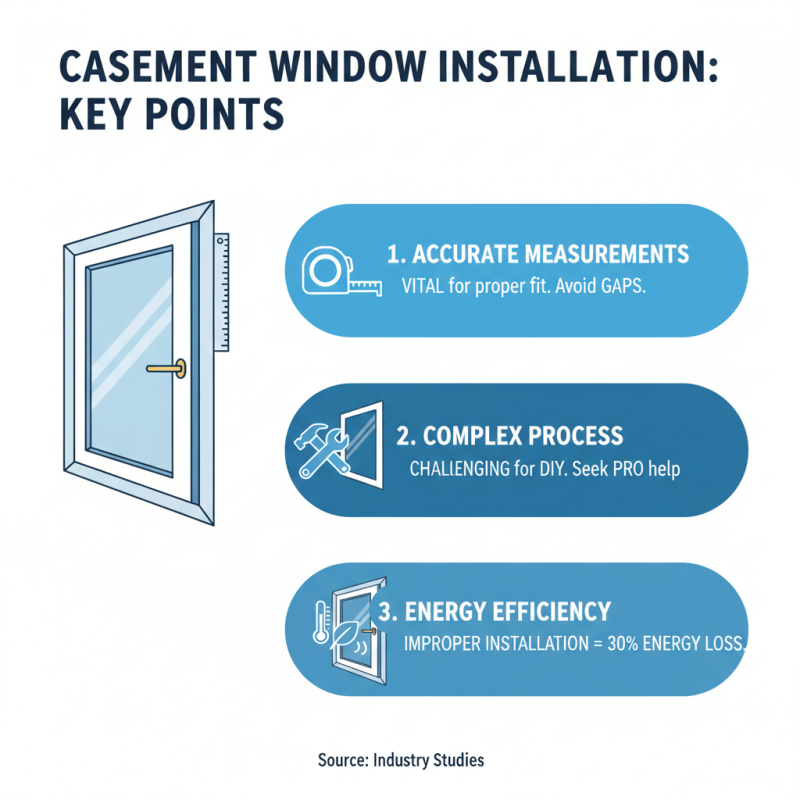
When considering casement windows, understanding the installation process is crucial. Installing casement windows involves several steps that can be challenging for DIY enthusiasts. Accurate measurements are vital. A miscalculation can lead to gaps or poor insulation. According to industry studies, improper installation can reduce energy efficiency by 30%.
Using professional help can be beneficial. They bring expertise and experience, ensuring a proper fit and sealing. This often results in better performance and longevity. However, hiring professionals can be costly, with averages ranging from $200 to $400 per window. For those with a tight budget, DIY might seem appealing.
Yet, DIY installation comes with risks. Mistakes during the process may lead to further expenses. Industry reports indicate that nearly 20% of DIY projects result in needing professional help afterward. Homeowners should weigh the benefits and challenges carefully. Investing in expert installation could save money and hassle in the long run.
Maintenance Tips: Ensuring Longevity and Performance of Windows
Casement windows are a great addition to any home. They provide excellent ventilation and unobstructed views. However, to maintain their performance and longevity, regular upkeep is essential. Here are some practical maintenance tips.
Regularly check the window seals. If you notice any gaps or deterioration, it’s crucial to address them swiftly. Air leaks can lead to higher energy costs. Clean the frames and hardware frequently to prevent dirt buildup. Simple cleaning solutions can work wonders. Pay attention to the hinges as well. Lubricate them every few months to ensure smooth operation.
Inspect the window’s exterior for signs of wear. Wood frames can rot, and metal frames may corrode. Addressing these issues early can save homeowners costly repairs later. While it may slip one’s mind, staying proactive about maintenance is vital. It can be easy to forget, but a little attention goes a long way in safeguarding your investment. Regular maintenance isn’t just a task; it’s a commitment to your home.
Cost Analysis: Budgeting for Quality Casement Windows in 2026
When budgeting for quality casement windows in 2026, it’s essential to analyze costs effectively. Casement windows vary in price based on materials and energy efficiency. On average, homeowners might spend between $300 to $1,000 per window, not including installation. Vinyl options tend to be more affordable, while wood and fiberglass can demand higher prices. Knowing the budget is crucial.
While considering costs, pay attention to installation expenses. Professional installation can add significant amounts to the overall cost. It’s important to set aside around 15% to 30% of the window cost for installation. This part of budgeting can often catch homeowners off guard. Also, do not forget about potential extras like hardware upgrades or weatherstripping. These small details can make a big difference in total spending.
Reflect on any hidden costs associated with casement windows. Find out if permits are needed for installation, especially in historical areas. Research local laws to avoid fines. Poor planning may lead to overspending. Quality casement windows are an investment, but the upfront costs can feel overwhelming. It's worth weighing the benefits and ensuring a wise choice in the long run.
FAQS
: The product aims to enhance daily convenience and improve user experience. It tackles common challenges effectively.
Individuals looking for practical solutions will find it beneficial. It suits various lifestyles and preferences.
Follow the user guide closely. Proper usage ensures the best results and maximizes its potential.
Some users may experience mild discomfort. It's advisable to monitor any reactions during initial use.
Long-term use is generally safe. However, regular breaks may help prevent dependency or monotony.
Keep it in a cool, dry place away from direct sunlight. This helps maintain its effectiveness and longevity.
Results may vary. Reflect on your usage. Adjustments might be needed to suit your specific needs better.
Yes, cleaning is straightforward. Regular maintenance will keep it in good condition and ensure hygienic use.
Sharing is possible, but consider hygiene practices. Personal use might ensure optimal results for individual needs.
Conclusion
The article "Best Casement Windows of 2026: What to Look For?" provides an in-depth overview of essential features to consider when selecting casement windows. It covers various aspects including energy efficiency, which is crucial for performance measurement and understanding rating systems. The materials available—from wood and vinyl to aluminum—are discussed in terms of their benefits, enhancing the decision-making process.
Furthermore, design considerations such as style, color, and customization are highlighted, allowing homeowners to tailor their choices to their aesthetic preferences. The article also explains the installation process, outlining what to expect and the pros and cons of DIY versus professional help. Maintenance tips are included to ensure the longevity and performance of casement windows, along with a cost analysis to assist in budgeting for quality options in 2026.



 Phone
Phone Send Email
 whatsapp
 Facebook
 Youtube
 LinkedIn
 Instagram
 Twitter
 Tiktok