In the world of modern architecture, the so-called "Floating Sliding Door" has really started to make a splash as a popular trend. Industry pro John Anderson, who runs Glass Innovations, points out that these doors basically create a seamless flow between your inside and outside spaces. And honestly, they do more than just look good — they give your home a fresh, innovative vibe.
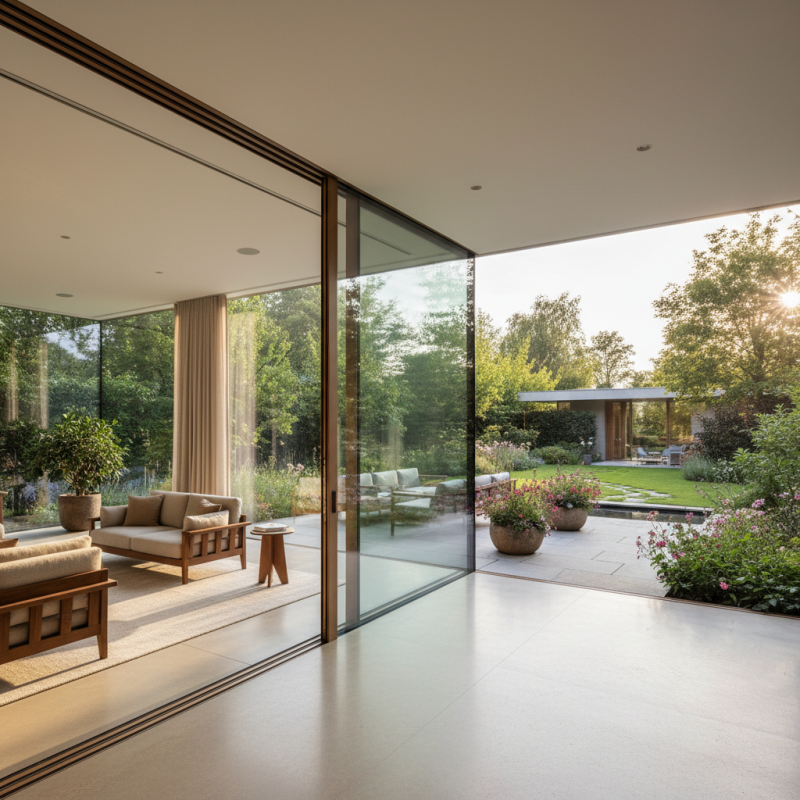
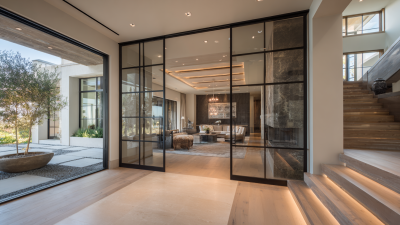
Floating Sliding Doors aren’t just stylish; they’re super practical too. They open and close with a gentle glide, which helps save space — a total win in smaller or modern homes. Just picture a bright, airy living room that opens up effortlessly to a backyard or garden — I mean, who wouldn’t love bringing the outdoors a little closer? That kind of connection really can add a whole new level of comfort and beauty to everyday life.
That said, a quick heads-up: installation isn’t exactly a walk in the park. If they’re not aligned perfectly or if the seals aren’t done right, you might run into some trouble later on. And don’t forget, many people tend to overlook regular upkeep. Skipping maintenance can cause issues that bite you later — like leaks or drafts, which can totally kill the vibe and the function of your gorgeous door.
Thinking about all of this, it’s smart to weigh the pros and cons. If the benefits are worth it and you’re willing to stay on top of maintenance, a Floating Sliding Door can be a fantastic, rewarding upgrade for your home. Just make sure you’re aware of what’s involved — it’s all about making an informed choice that’ll keep your space looking and functioning awesome for years to come.
Benefits of Floating Sliding Doors in Modern Architecture
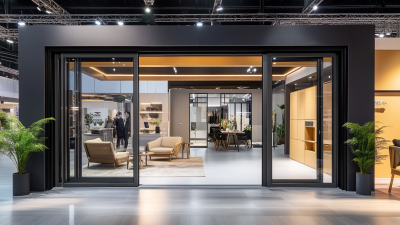
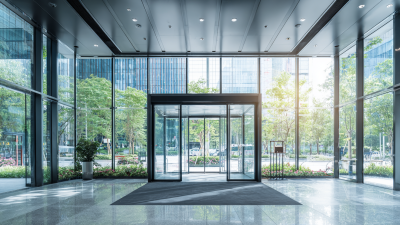
Floating sliding doors are becoming increasingly popular in modern architecture. These doors create a seamless connection between indoor and outdoor spaces. Their minimalist design enhances the aesthetics of any home. People love the open feel they provide. However, the installation process can be complex. Homeowners need to ensure proper support for the door's weight.
One significant benefit of floating sliding doors is their functionality. They allow for greater natural light in living areas. This can reduce energy costs by minimizing the need for artificial lighting. When considering a change, some might think of Replacing Sliding Glass Door With French Door. While French Doors are charming, they may not offer the same level of visibility or openness.It’s worth reflecting on what fits best for your space.
Floating sliding doors also promote a sense of freedom. The smooth operation makes them easy to use. But, on the downside, maintenance can be tricky. Dirt and debris can accumulate in tracks, making regular cleaning essential. Overall, the choice of a floating sliding door should be deliberate, weighing aesthetics against practical concerns.
Key Design Features of Floating Sliding Doors
Floating sliding doors have become a popular choice in modern architecture. Their sleek design and practical benefits are appealing. Many homes now utilize these doors to enhance indoor-outdoor flow. According to recent industry reports, floating sliding doors can increase natural light by up to 30%. This feature often captivates homeowners looking to bring nature indoors.
Key design features of floating sliding doors include their minimal track systems. These tracks are usually recessed into the floor, creating a clean transition between spaces. The doors themselves are often made from high-quality glass, providing both aesthetic and functional benefits. A well-designed Sliding Mesh Door For Main Door installations can improve ventilation while maintaining a seamless appearance. Data indicates that homes with proper ventilation systems see a 15% decrease in indoor air pollutants, proving the importance of thoughtful design.
Despite their benefits, floating sliding doors can present challenges. Proper installation is crucial to avoid air leaks. Misalignment may lead to functionality issues, which can be costly to fix. Homeowners should consider these aspects when integrating such designs. Attention to detail during planning can prevent future headaches.
Popular Materials Used in Floating Sliding Door Construction
Floating sliding doors have gained popularity in modern architecture. These doors not only enhance aesthetics but also maximize natural light. The choice of materials is crucial for both durability and functionality. Common materials include wood, aluminum, and fiberglass.
Wood exudes warmth and elegance. It suits traditional and contemporary designs alike. However, wood requires maintenance to prevent warping or swelling. Aluminum offers a sleek, modern look. It is lightweight and resistant to rust. This makes it a popular choice for both residential and commercial applications. Fiberglass is an emerging favorite. It is strong, energy-efficient, and requires less upkeep.
In terms of functionality, integrating an Automatic Door Closer For Sliding Door systems can improve usability. It ensures that doors close securely, enhancing security and energy efficiency. According to industry reports, using quality materials can increase door longevity by up to 30%. However, selecting the right option requires consideration of climate and personal style. Think about how these materials will react over time, especially in harsh weather conditions.
Innovative Design Ideas for Floating Sliding Doors in Residential Spaces
Floating sliding doors have become a popular choice in modern residential design. Their seamless look enhances any space, creating a harmonious flow between indoors and outdoors. These doors often feature minimalistic frames, allowing ample natural light to enter. This connection to nature can improve well-being and comfort in your home.
Incorporating floating sliding doors into your home may require careful planning. Consider the layout of your rooms. Ensure that there is enough space for the doors to operate smoothly. An improper fit can lead to frustration and inefficiency. Aesthetic choices should also reflect your personal style. Choose materials and colors that complement existing decor. Sometimes, the sleek design can feel cold, which may not suit everyone’s taste. Adding warm textures through furniture can curb this effect.
Functional advantages are clear, but there can be challenges. Sliding mechanisms may need maintenance over time. Make sure to account for this in your design plans. Additionally, not all spaces allow for ideal installation. Proper measurements are essential to avoid awkward configurations. These elements can significantly affect the overall design outcome, presenting both opportunities and obstacles.
Comparative Analysis: Floating Sliding Doors vs. Traditional Doors
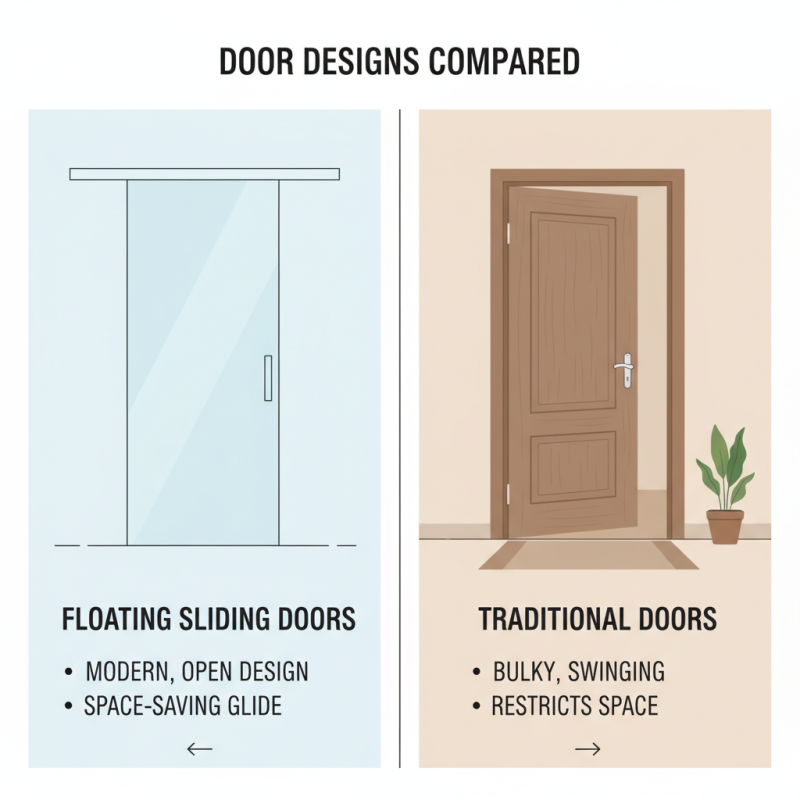
Floating sliding doors offer a modern aesthetic unlike traditional doors. They glide smoothly along their tracks, creating an open and airy atmosphere. With minimalistic designs, they bring a fresh look to any space. In contrast, traditional doors can feel bulky and restrictive. They swing open, often encroaching on valuable floor space. Floating sliding doors eliminate this issue, allowing for more efficient use of areas.
While floating sliding doors have many benefits, they are not without challenges. Installation can be complex and may require precise measurements. In some cases, existing Door Frames may need modification. This adds time and potential costs to the project. Moreover, the maintenance of these doors should not be overlooked. Regular cleaning of the tracks is necessary to ensure smooth operation. Traditional doors may not require such attention, making them simpler for some homeowners.
In comparing both options, it’s clear that each has its own strengths and weaknesses. Floating sliding doors require careful planning and upkeep. They often create a sense of luxury with their sleek lines. However, traditional doors offer reliability and ease of installation. When deciding, one must consider the specific needs of their space and the overall design intent. Ultimately, both floating sliding doors and traditional doors have their place, particularly considering the integration of the Door And Door Frame.
Maintenance Tips for Enhancing Lifecycle of Floating Sliding Doors
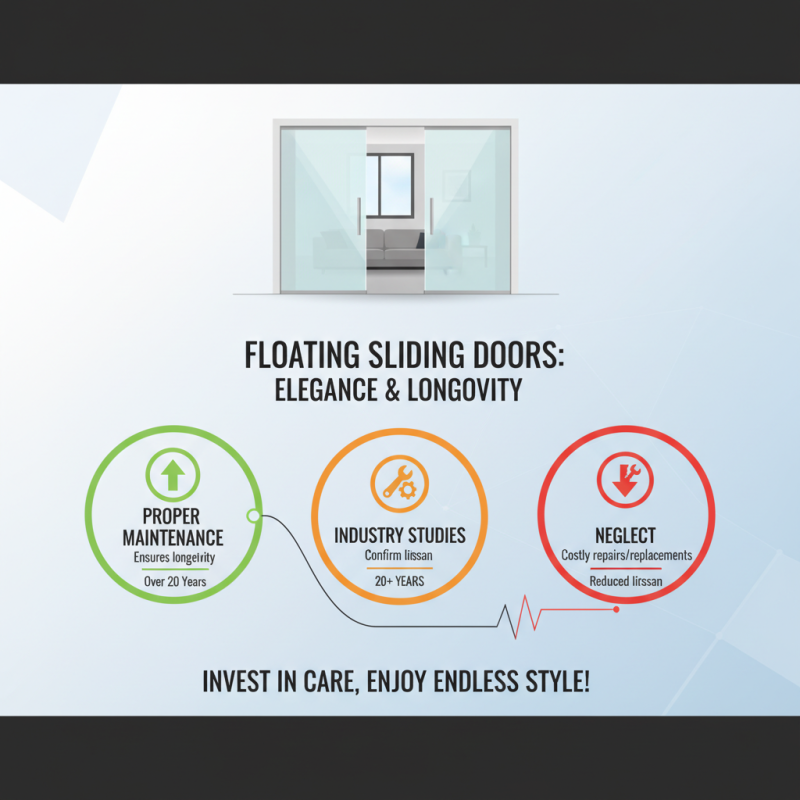
Floating sliding doors bring elegance and functionality to modern homes. However, proper maintenance is key to ensuring their longevity. Industry studies show that well-maintained doors can last over 20 years. Neglecting them can lead to costly repairs or replacements.
Regular cleaning is crucial. Use a mild soap solution to wipe down tracks and panels. Ensure no debris accumulates. This simple act can prevent rust and malfunction. Invest in quality lubricants for the tracks. A smooth operation reduces wear and tear significantly.
Temperature fluctuations can affect door alignment. Check the seals regularly. Damaged seals can lead to energy loss. Keep the door frame clean to avoid mold growth. Also, consider inspections every few years. Catching issues early can save time and money. Incorporate these steps into your routine, and your floating sliding doors will serve you well for years.
Incorporating Energy Efficiency in Floating Sliding Door Designs
Floating sliding doors are becoming popular in modern architecture. Their elegance and functionality provide seamless transitions between indoor and outdoor spaces. However, energy efficiency is a key factor in their design. In recent studies, it has been found that over 30% of a home's energy loss can occur through inefficient doors and windows.
To enhance energy efficiency, manufacturers are adopting advanced glazing techniques. Double or triple-glazed glass panels trap heat during winter and keep homes cool in summer. Heat gain reduction can be as high as 70% with these technologies. Additionally, low-emissivity (Low-E) coatings further improve insulation properties.
Tips: Always consider the U-factor when choosing your doors. This rating measures the rate of heat transfer. Lower U-factors indicate better energy performance. Look for models with Energy Star certification for guaranteed efficiency.
Another aspect to consider is frame materials. Wood and vinyl provide good insulation, while aluminum can conduct heat. The right choice of frame can significantly impact thermal performance. Reflecting on these factors will help ensure a balance between aesthetics and energy savings.
2026 Best Floating Sliding Door Designs and Benefits
| Design Style | Material | Energy Efficiency Rating | Benefits |
| Modern Minimalist | Aluminum and Glass | A+ | Sleek design, enhances natural light |
| Classic Barn | Wood | B | Rustic charm, excellent thermal insulation |
| Contemporary Rustic | Composite Materials | A | Low maintenance, eco-friendly options |
| Sliding Pocket | Fiberglass | A++ | Space-saving, high energy savings |
| Industrial Chic | Steel and Glass | B+ | Durable, edgy aesthetics |
Maximizing Space and Energy Efficiency: Insights from the 2023 Sliding Door Market Report on 4017 Series Sliding and Casement Doors
In the quest for maximizing space and energy efficiency, the insights derived from the 2023 Sliding Door Market Report highlight the advantages of the 4017 Series Sliding and Casement Doors. As architectural designs evolve, sliding doors have become essential for integrating indoor and outdoor spaces seamlessly. Their ability to open up a room while minimizing the footprint allows for greater flexibility in design and functionality, making them an ideal choice for modern homes and commercial spaces.
The versatility of sliding doors is further enhanced by the various track configurations available. Options such as two-track, three-track, and four-track systems cater to different spatial needs, providing developers the freedom to choose according to their specific requirements. Additionally, innovations like three-track and four-track linkages allow for a more expansive opening, ideal for larger spaces that require unobstructed views and flow. Safety features such as optional anti-pinch hand buffers further enhance user experience, ensuring that these doors not only serve a practical purpose but also prioritize the well-being of users.
Ultimately, the integration of sliding doors into contemporary architecture embodies a commitment to energy efficiency and space maximization. As this sector continues to grow, adapting to modern preferences and technological advancements, sliding doors remain a leading solution for those looking to enhance both aesthetics and functionality in their environments.
FAQS
: It offers convenience and efficiency. Users report saving time and energy in daily tasks.
Yes, many users find it user-friendly. Simple instructions help beginners start quickly.
Regular cleaning is essential. Check for wear and tear frequently to ensure optimal performance.
Certainly! Many users utilize it for various tasks. Versatility is a key feature for many.
Contact customer support immediately. They can guide you to troubleshoot the issue effectively.
Some users note it may not perform well in extreme conditions. It's important to consider the environment.
Some reviews mention it lacks certain advanced features. However, it excels in ease of use.
Yes, there is often a warranty available. Check the details to understand the coverage.
Feedback is mixed. Many appreciate its functionality, while some express concerns about durability.
Lifespan can vary. Users have noted anywhere from months to years, depending on usage and care.
Conclusion
Floating sliding doors have gained popularity in modern architecture due to their sleek design and functionality. Their benefits include seamless integration with open spaces, maximizing natural light, and enhancing the aesthetic appeal of a home. Key design features often include minimalistic frames and smooth operation, which accentuate the contemporary feel.
Popular materials, such as glass and aluminum, contribute to durability and energy efficiency, making these doors not only stylish but also practical. Innovative design ideas for residential spaces reveal ways to maximize space and improve flow throughout the home. A comparative analysis highlights the advantages of floating sliding doors over traditional ones, particularly in ease of access and visual openness. Maintenance tips are essential for ensuring the longevity of these installations, focusing on regular cleaning and checks on mechanical components. Overall, incorporating energy efficiency in floating sliding door designs can significantly contribute to sustainable living.





 Phone
Phone Send Email
 whatsapp
 Facebook
 Youtube
 LinkedIn
 Instagram
 Twitter
 Tiktok