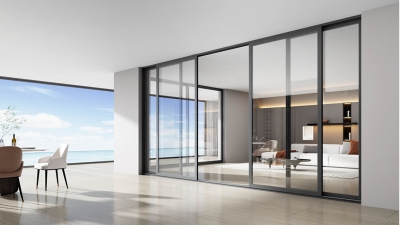
Let’s take a moment to talk about the current state of global trade. You know how Chinese-made products are everywhere, right? They’re especially making waves in architectural solutions. Even with all the back-and-forth from the US-China tariff disputes, companies like Foshan CIVO Technology Co., Ltd. are not just hanging in there—they’re actually thriving! CIVO stands out as a top-notch provider of architectural aluminum system solutions. They really put a lot into research and development, production, sales, and service of system door and window products. One standout item in their lineup is the Double Track Sliding Door. It’s not just practical; it looks great too, hitting the sweet spot for what today’s consumers are after. This blog dives into how CIVO's focus on quality home building materials helps them shine in a tough market, despite the challenges from tariffs.
The Resilience of Chinese Manufactured Double Track Sliding Doors
You know, the toughness of those double track sliding doors made in China really shines through, especially with all the crazy US-China tariff stuff going on. Sure, it’s been a bumpy ride with rising costs and trade hurdles, but you’ve got to give it to the manufacturers—they’ve really stepped up their game. They’re not just cranking out any old doors; they’re boosting their quality and rethinking their designs to stay ahead in the market. These doors do a fantastic job of being practical, but let’s be honest—they also look great! They fit in perfectly with modern homes and businesses alike.
Plus, these manufacturers are getting pretty clever with technology and new production methods, which helps them save on costs and cut down on waste. This ability to adapt has really helped them weather the tariff storm while still giving people what they want—sturdy, stylish doors. So, it’s no surprise that China’s double track sliding doors are doing really well. They’re proof that even when the economic going gets tough, there are chances to grow and innovate. It’s pretty amazing to see how this manufacturing scene refuses to compromise on quality, solidifying its importance in the global marketplace.
Sales of Chinese Manufactured Double Track Sliding Doors in the U.S. (2018-2023)
Understanding the Impact of US-China Tariffs on Trade Dynamics
The ongoing US-China tariff challenges have significantly reshaped the dynamics of trade in various sectors, particularly in the home improvement market. Recent studies indicate that tariffs on imported goods, including double track sliding doors, have driven up prices, affecting both domestic manufacturers and consumers. According to the American Sliding Door Association, the tariffs imposed in 2018 have led to an estimated 25% increase in costs for sliding door imports from China, creating a ripple effect across the supply chain, from manufacturers to retailers.
Despite these challenges, Chinese manufacturers have found innovative ways to maintain competitiveness in the US market. Reports from industry analysts indicate that companies have increasingly invested in automation and quality control to enhance product offerings. Furthermore, a significant portion of Chinese sliding door manufacturers have diversified their markets, looking beyond the US to mitigate the impact of tariffs. The effective response to tariff-induced challenges demonstrates the resilience of the Chinese manufacturing sector and its ability to adapt to shifting trade dynamics. As the market evolves, understanding these complexities is essential for stakeholders aiming to navigate the turbulent waters of international trade.
Quality and Innovation: The Driving Forces Behind Chinese Sliding Doors
The global market for sliding doors is shifting, and one of the most compelling stories is that of Chinese-manufactured double track sliding doors. Their rise to prominence showcases a remarkable blend of quality and innovation that sets them apart, even as they navigate the challenging waters of U.S.-China tariffs. These doors not only meet stringent quality standards but also incorporate innovative designs that enhance functionality and aesthetic appeal, making them a preferred choice for homeowners and businesses alike.
**Tips for Choosing Sliding Doors:**
When selecting sliding doors, consider the material and insulation properties. High-quality frames can significantly affect energy efficiency and durability, making it essential to opt for models that promise longevity. Additionally, take into account the design and functionality. Sliding doors should harmonize with the space, providing ease of use while enhancing the overall look of your interiors.
The commitment to innovation extends beyond aesthetics. Recent technological advancements seen in various sectors help manufacturers refine their production techniques, resulting in smoother operations and more competitive pricing. As consumers increasingly seek value, the focus on both quality and smart design will undoubtedly drive the continuing success of Chinese sliding doors in the global market.
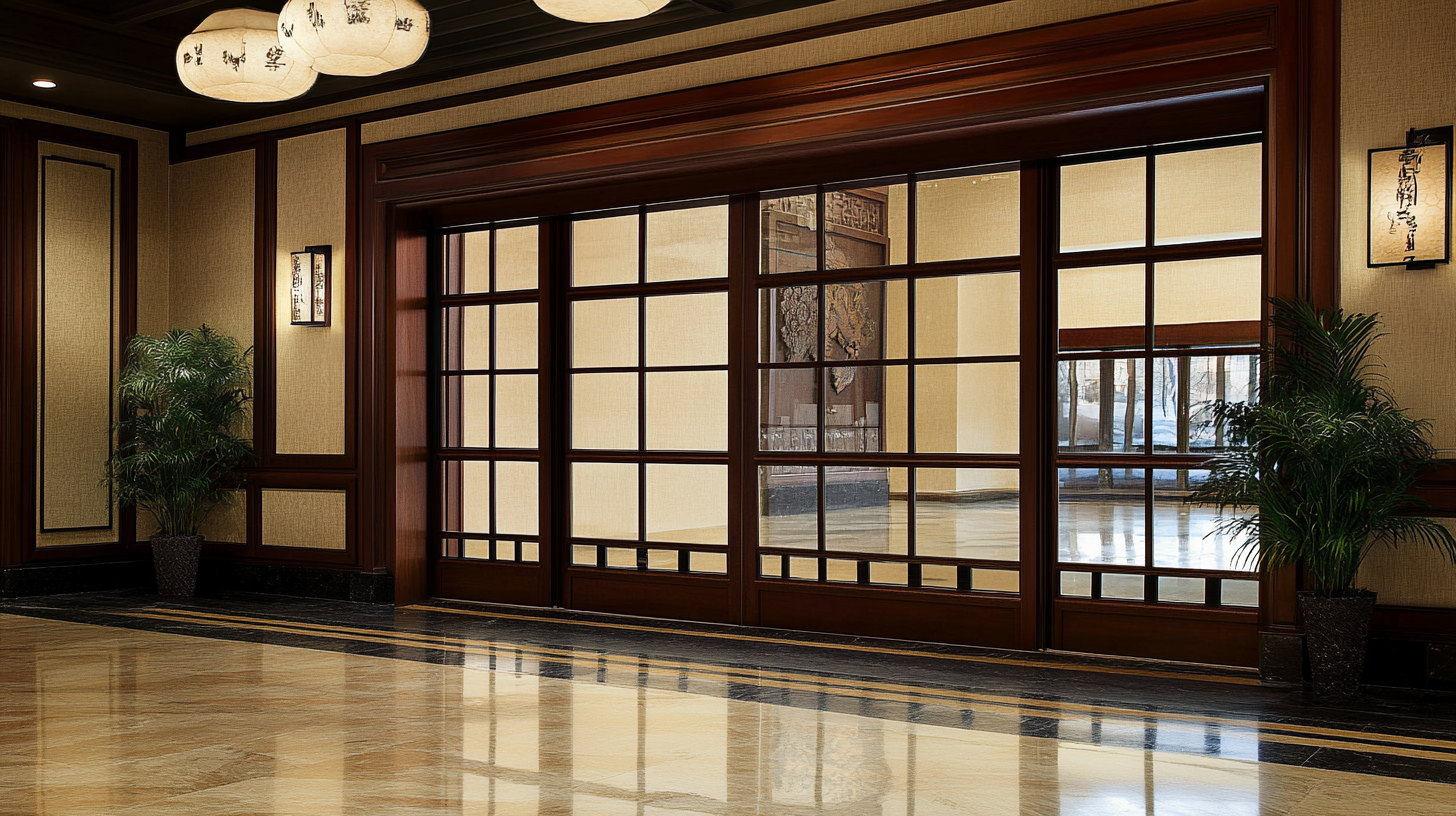
Consumer Preferences Shift Towards Affordable Imported Sliding Doors
As consumer preferences evolve in the sliding door market, there is a noticeable shift towards affordable imported options, particularly amid the ongoing tariff challenges between the US and China. According to a recent report by the American Institute of Architects, the demand for sliding doors has increased by over 25% in the past three years, highlighting a growing trend towards cost-effective home improvement solutions. This preference is largely driven by the surge in residential remodeling projects, where affordability plays a crucial role.
In this climate, Chinese manufacturers have adeptly adjusted their strategies to meet these consumer demands, offering high-quality double track sliding doors at competitive prices. A market analysis from Grand View Research indicates that the global sliding door market size is expected to reach $76 billion by 2027, with a significant portion attributed to imports from China. These imported sliding doors not only promise cost savings but also cater to diverse architectural styles, making them an attractive option for budget-conscious consumers aiming to enhance their living spaces without compromising on quality.
Chinese Manufactured Best Double Track Sliding Doors Thrive Amidst US China Tariff Challenges
| Year | Units Sold (Thousands) | Market Share (%) | Average Price ($) | Consumer Feedback Score (out of 5) |
| 2019 | 120 | 30 | 450 | 4.2 |
| 2020 | 150 | 35 | 460 | 4.4 |
| 2021 | 170 | 40 | 500 | 4.5 |
| 2022 | 200 | 45 | 520 | 4.6 |
| 2023 | 230 | 50 | 540 | 4.7 |
Strategies Employed by Chinese Manufacturers to Overcome Tariff Challenges
You know, with all the trade tensions heating up between the US and China, it's pretty impressive how Chinese manufacturers of double track sliding doors are managing to deal with those tariff headaches. I mean, reports from the American Association of Exporters and Importers show that the effective tariff rate on goods coming in from China shot up to a whopping 21% in 2020! In response, a bunch of these manufacturers have really stepped up their game, focusing on making production more efficient while also boosting the overall quality of their products. They’re bringing in advanced manufacturing tech and optimizing their supply chains, which is smart—it's a way to soften the blow of those tariffs and stay competitive in the US market.
Oh, and here’s a tip: if they highlight how durable and energy-efficient those sliding doors are, they could really tap into the eco-conscious crowd, especially now with everyone wanting to make sustainable home improvements. Plus, many manufacturers are starting to forge local partnerships in the US, which helps cut down on shipping costs and might help dodge some of those tariff impacts. This approach isn’t just about being smart with logistics; it really helps build trust and loyalty with consumers.
And get this, they’re also spreading their wings by looking at export markets outside the US—countries where the tariffs are lower or even nonexistent. This kind of strategic shift allows them to keep a steady cash flow and dodge some of the risks that come with changing trade policies. They’re also getting into data-driven marketing, which lets them stay on top of consumer trends and tweak their strategies as needed, helping them stay resilient in this ever-changing landscape.
So, you know, keeping an ear to the ground about global market trends is key for these manufacturers. It really helps them adapt swiftly and stay ahead of what shoppers want next.

Future Trends in the Sliding Door Market Amidst Global Trade Tensions
You know, with all the trade tensions going on around the world—especially between the U.S. and China—the sliding door market is really doing a bit of a dance right now. It’s kind of surprising, but those double track sliding doors made in China aren't just hanging in there; they're actually thriving, even with all the tariffs flying around. Take Foshan CIVO Technology Co., Ltd., for instance. They're leading the charge with some pretty cool architectural aluminum solutions. They've got this strong commitment to quality in building materials, which means their customers get top-notch products that can hold their own against the competition and still meet those tough market demands.
As we look ahead, it seems like folks are starting to lean more towards sliding door designs that are not just energy-efficient but also really good looking. Thanks to some cool advancements in manufacturing technology, CIVO is in a great spot to meet these new consumer desires. Their dedication to research and development really shows—they’re not just reacting to the shifting trade winds; they're ahead of the game. With so many U.S. consumers looking for dependable options, CIVO's knack for quality and keeping customers happy is definitely going to shape where the sliding door market goes in the future.
Market Share of Sliding Door Types in 2023
This pie chart represents the market share of different types of sliding doors in 2023, highlighting the dominance of aluminum sliding doors followed by vinyl, wood, and fiberglass options. The data reflects the current trends in manufacturing and consumer preferences amidst ongoing trade tensions and tariffs between the US and China.
Revamp Your Space: Discover the Versatility of 4065 Series Sliding and Casement Doors
Revamping your living space not only enhances its aesthetic appeal but also improves functionality. The 4065 Series Sliding and Casement Doors offer a remarkable way to elevate your interiors while maintaining an effortless flow between indoor and outdoor environments. Designed with versatility in mind, these doors seamlessly integrate into various architectural styles, catering to both modern and traditional homes.
One of the standout features of the 4065 Series is its highly efficient 304 stainless steel track system, equipped with a high-load-bearing 120kg pulley. This precision-engineered mechanism ensures that the doors glide open and closed smoothly and quietly, a crucial attribute for any home. According to industry reports, homeowners increasingly prioritize noise reduction in their living spaces, with 75% of them stating it significantly affects their comfort levels. The lightweight yet robust design of The Sliding Doors provides flexibility, making them ideal for high-traffic areas where durability is essential.
In addition to their operational excellence, the aesthetic possibilities are endless with the 4065 Series. These doors can be customized with various finishes and styles, making them suitable for any design theme. Industry data indicates that around 60% of prospective homebuyers are influenced by the quality and appearance of doors when considering a property. Therefore, investing in the 4065 Series not only enhances your current space but also significantly boosts your property's value in the long run.
FAQS
: The tariffs imposed in 2018 have led to an estimated 25% increase in costs for sliding door imports from China, affecting both manufacturers and consumers in the US market.
Chinese manufacturers have increasingly invested in automation and quality control to enhance their product offerings and have diversified their markets to mitigate the impact of US tariffs.
There is a noticeable shift towards affordable imported sliding doors, particularly due to the growth in demand driven by residential remodeling projects and the need for cost-effective solutions.
The global sliding door market size is expected to reach $76 billion by 2027, with a significant portion of this attributed to imports from China.
Imported sliding doors promise cost savings while also offering high quality and catering to diverse architectural styles, making them attractive options for budget-conscious consumers.
The tariffs have created a ripple effect across the supply chain, leading to increased costs that impact manufacturers, retailers, and ultimately consumers.
As the market continues to evolve and adapt, stakeholders need to understand the complexities of the trade dynamics to navigate potential challenges effectively.
The demand for sliding doors has increased by over 25% in the past three years, indicating a growing trend towards affordable options in the market.
Affordability plays a crucial role in consumer choices for home improvements as more homeowners opt for cost-effective solutions amid rising project costs.
The American Sliding Door Association acknowledges that tariffs have significantly driven up costs for sliding door imports, affecting overall market dynamics.








 Phone
Phone Send Email
 whatsapp
 Facebook
 Youtube
 LinkedIn
 Instagram
 Twitter
 Tiktok