MAKE BUILDINGS MORE FLEXIBLE

Leave Your Message
MAKE BUILDINGS MORE FLEXIBLE
In the fast-changing world of how we build, we need smart & quick fixes a lot. The "Removable Run Room" idea has come up as a top new thing. It gives a mix of use & shift-for-need for many build jobs. This blog will go into deep tech specs for Removable Run Rooms. We look at how they can make new live spots better, and give clear gains for both build teams & home folks.
At Foshan CIVO Tech Co., Ltd., we know how key it is to use top-notch stuff in home build. We stick to offering strong alum system fixes. This puts us at the front of our field. Here, we always aim to fit the clear needs of our users. With a keen eye on new ideas, making, making more, & help, our aim is to supply tough & nice-looking things that help new build styles. Join us as we dig into the fine points & pluses of using Removable Run Rooms in your next build job.
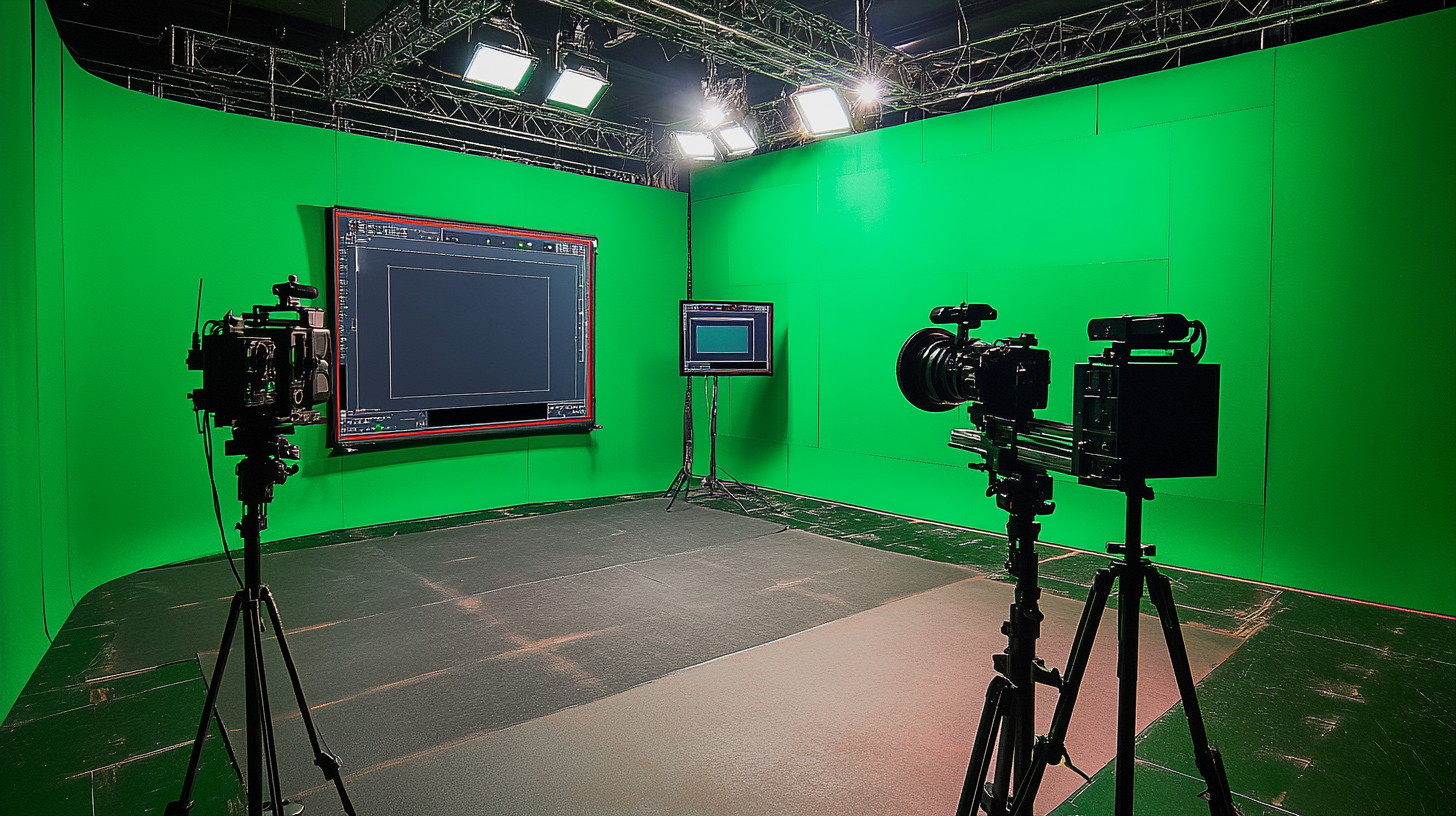
Pop-up work pods help a lot to make work smooth in many jobs, more so in train moves. These quick-set pods let us change how tracks work fast & to meet new needs. They make work flow better. Their build means they fit well with old track parts. They give a short-term yet good fix for train use. New train tech, like two-way power, shows a rise in new work ways in these same jobs. As groups take on green ways, using strong pods like Pop-up work pods cuts harm to the earth & makes reply times in moving goods & trains quicker. This shows a smart match with how the work world needs to be now.
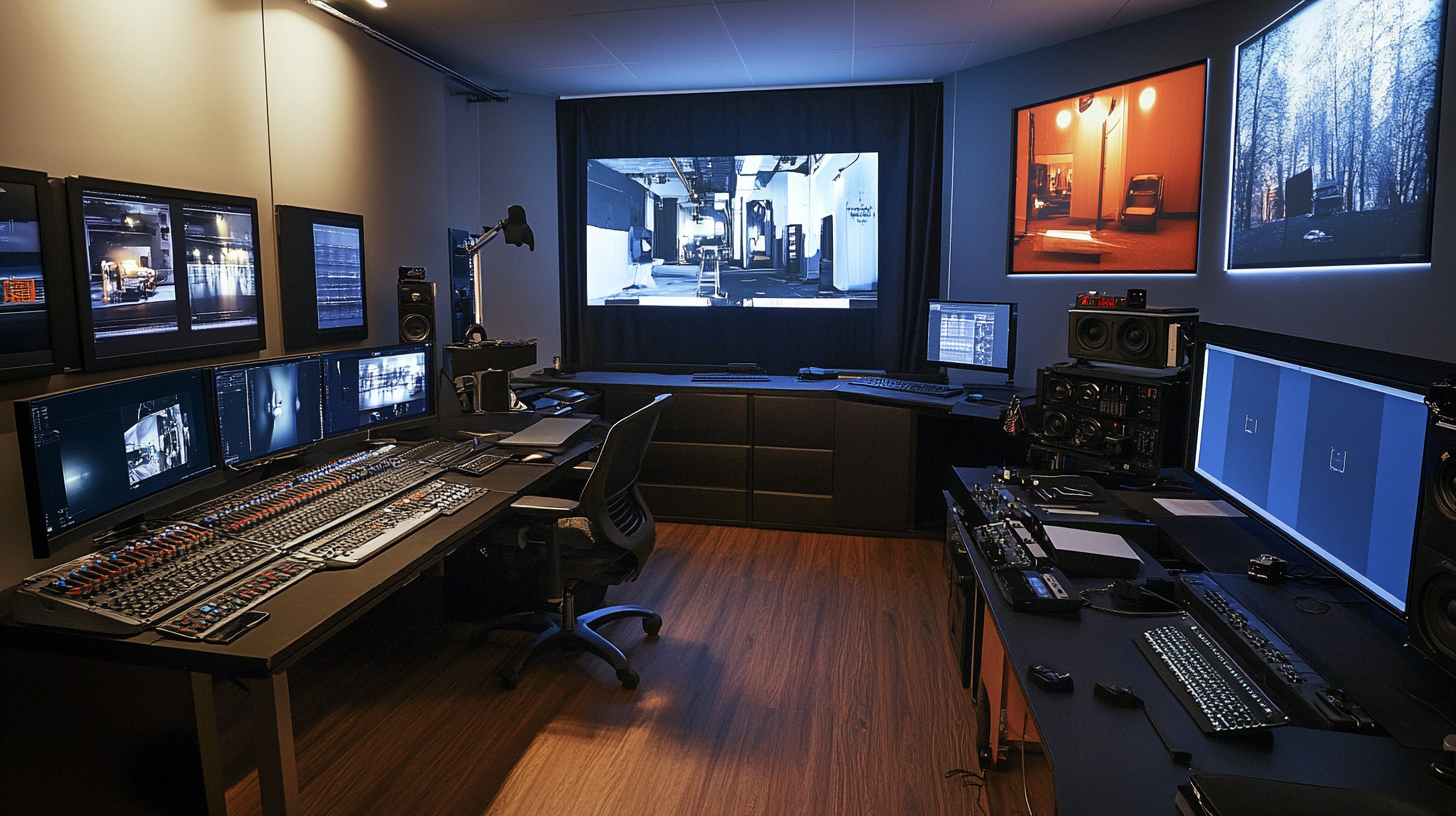
Run rooms are key in the smooth work of many sites. Big parts of these rooms are high-tech air flow that keeps air clean & temps right. This is key for both gear use & the feel for those in the room. They also use tough stuff that can take a lot of use & cuts care cost.
Also, smart tech in run rooms helps watch & handle stuff well. From lights that turn on by self to low-power use tech, these new things help stay green & also cut work costs. With more needs on sites, run room changes are key to keep up good work & low harm to the world.

When we build rooms that come apart, the type of stuff used is key to lasting & working well. Top-notch stuff to keep heat right is a must to keep temps good & stop heat from going out. Things like good polymers & boards just for heat can up the heat game of these rooms, making them fit for all sorts of work.
Also, the frame of rooms that come apart often uses light metals & mixed stuff. These not only give the needed firmness but also make it simple to move & put together. As work fields press on with new tricks, using fresh stuff shaped by new finds, like how they do in the big tech of nuclear blend, could make these rooms even better in how they're made & used.
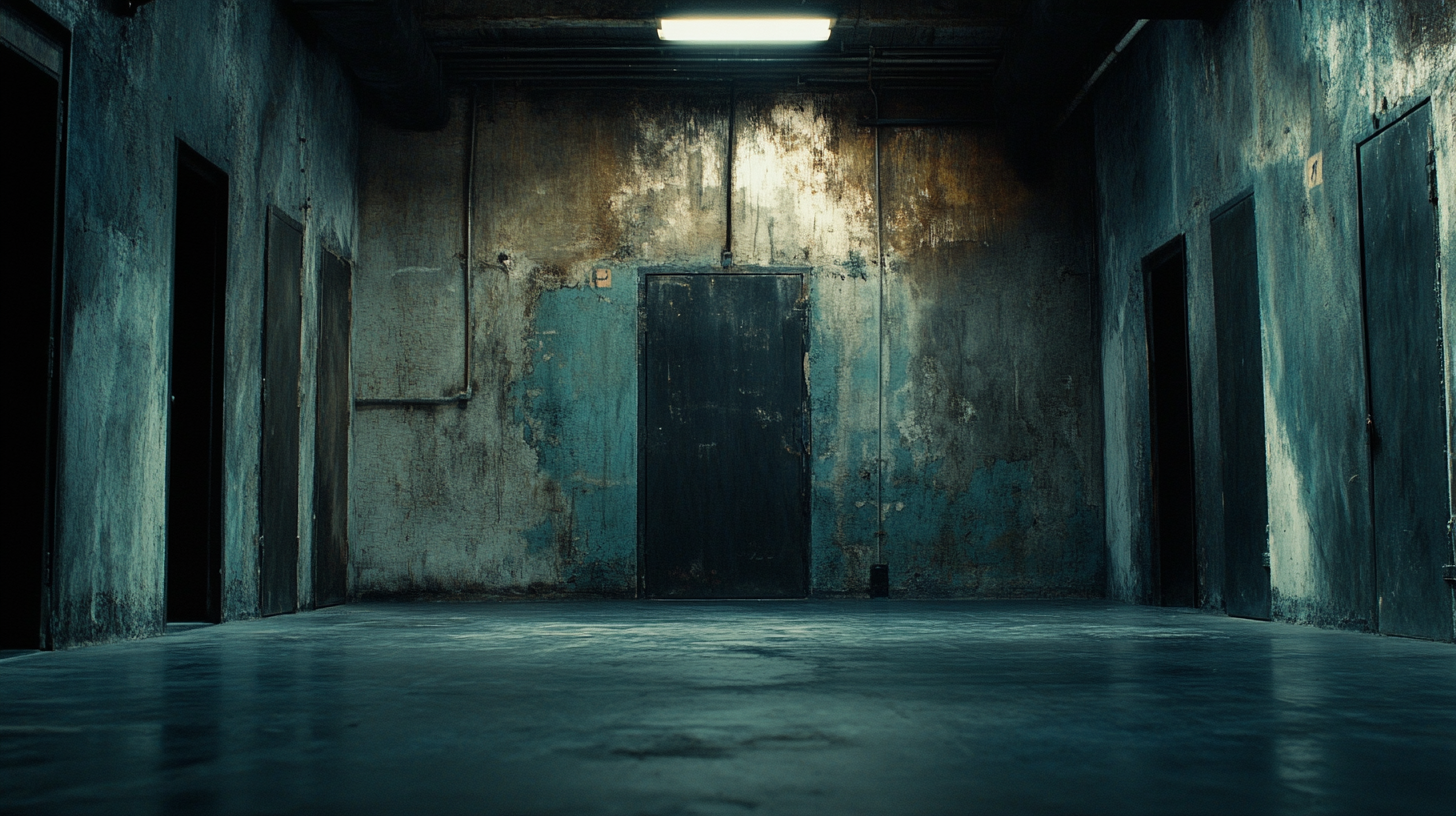
The build of mobile run rooms must aim for both ease of move & firm hold. This makes sure they work well in shifting spots. For ease of move, focus on light stuff & quick-to-fix setups for smooth shifts. This does not just up the ease but cuts the off-time when moving, key for sites that change a lot.
On the firm hold side, strong anchor gear & built-in aids must be used. This matters more in nuclear spots, where tight safety rules are a must. As seen in the new nods to tech plans for nuclear power spots, mixing firm hold & easy move is key. Keeping these in check lets mobile run rooms change well & keep up top safety while they work.
Energy use is key in the make & run of take-out op rooms. Such rooms are key in cut-work sites, where keeping the best state is a must for safe care & work win. By using new save-energy ways, docs can cut down costs a lot & help make a green care world.
New moves in tech needs for take-out op rooms show the need for air control that works well on heat & wet levels. Things like low-use lights & smart air flow not just make the work spot better for health staff but also make gear last longer. As care spots aim to boost green acts, putting energy use first in op room plans can bring better use of stuff & help for those in care.
The rules & laws on pull-off run rooms are key to keep these spots safe & work well. Big towns grow, like in the Kai Tak Runway zone. This makes it very key to have tough safe steps. These run rooms need to stick to laws. This stops risks linked to how strong they are & how safe they keep folk, more so as they are used by groups.
New trends in home deals, seen in the quick shift of the Kai Tak zone, show more new plans where fresh looks are tried. This puts a light on the must for up-to-date safe steps. It shows how pull-off run rooms need to fit into city plans. Keeping to safe laws is a must to keep trust from the folk & to get the most from these spots for fun & living use.
Taking care of removable run rooms is key. It makes them last & work well. Check & clean them often. This stops them from wearing out too soon in high-use spots. It's key to stick to the tech specs set by top boards. Just like the new rules for nuclear plants in Guangxi & Shandong.
Also, sticking to the new care tips helps spot problems early. This way, you avoid high fix costs. Operators must keep up with new norms & add them to their care routines. Just like the tech updates at the Qinshan power plant, making regular checks & updates to care steps will keep removable run rooms good for a long time.
When you plan for run room tasks, a full cost study is key. See the cash side of each design pick. It can shift the full cost a lot. Split the costs into groups, such as build, gear, & fix. This way, all who pay can see clear what they can spend.
Of late in many job zones, the race for cheap fixes is clear. For one, tech gains let groups cut costs a lot. One key find in core fuse work hints at big cuts in run costs. In the same way, when you plan for run room tasks, use new stuff & build ways. This can save much cash. Such moves make sure tasks keep on cost plan & meet top work needs.
In today's fast-change world, fit-to-need is key. The field of take-off run rooms gives many picks to fit all sorts of needs. Be it for sports, store, or short work spots. Shaping these spots lets users up their use. Each part fits just right for its planned job.
As we look at what these rooms can do, we must talk about fit-to-need picks. From plug-in styles for easy growth to tough & weather-proof stuff, the picks are wide. Users can pick from many shapes, hues, & sizes. They craft a place that works well & looks good too. It shows one's own style or brand feel in each inch of the room.
The rise of take-out run room tech marks a big change in key work fields, like air travel & shipping. This tech is not just about how easy it is to set up or fix; it shows a big move to green ways & doing more with less. As folks get more aware of Earth harm, take-out run rooms give a smart fix by making the most of space & cutting waste.
Cool new plans are here that mix in smart tech, making take-out run rooms work better. Bits like build-it-your-way parts & auto set-ups make for quick set-up & fit to new needs fast. This path hints that we'll see more tech & Earth care mix soon, making a green way to build & use run rooms. The view looks good as these steps grow, shaping what's next for this must-have tech.
Key features include advanced ventilation systems for optimal air quality, durable materials for longevity, and the integration of smart technology for better resource management.
Ventilation ensures optimal air quality and temperature control, which is crucial for equipment performance and occupant comfort.
By incorporating smart technologies such as automated lighting and energy-efficient systems, modern run rooms can lower operational costs and minimize environmental impact.
Regular inspections and cleaning should be prioritized, along with adherence to technical specifications and evolving maintenance guidelines to prevent wear and tear.
It helps identify potential issues early on, avoiding costly repairs and enhancing reliability.
Factors include construction, equipment, and maintenance expenses, which should be broken down to provide a clearer financial picture.
Breakthroughs in technology, such as those in nuclear fusion research, have enabled significant reductions in operational expenses.
Leveraging these innovations can lead to substantial savings, helping projects stay within budget while maintaining high functional standards.
Smart technology allows for better monitoring and management of resources, promoting efficiency and reducing costs.
Consistent care and adherence to maintenance protocols reduce wear and tear, thus ensuring optimal performance over time.




 Phone
Phone Send Email
 whatsapp
 Facebook
 Youtube
 LinkedIn
 Instagram
 Twitter
 Tiktok
