Picking out the perfect Casement Door for your home isn’t just about how it looks — you’ve got to think about how it works, too. Things like energy efficiency, matching your home’s style, and making sure it’s practical are all really important. Actually, I came across a recent report from the Door and Window Manufacturers Association (DWMA), and it looks like interest in energy-efficient exterior doors — especially casement ones — has shot up by about 25% over the past couple of years. That’s quite a jump, and it totally lines up with this bigger trend of more folks wanting sustainable and eco-friendly options. A big part of that push is because homeowners want doors that are not just stylish but also help save on utility bills and keep the house warmer or cooler when needed.
John Reynolds, a seasoned pro at the National Association of Home Builders (NAHB), puts it well: “A good casement door isn’t just a pretty face—it really makes a difference in how energy-efficient your home is, and it adds to your comfort, too.” So, if you’re thinking about your options, it’s worth getting familiar with the different materials, styles, and features these doors come with. Whether you’re all about letting in natural light, a breeze, security, or just saving some cash on energy bills, choosing the right casement door can seriously change the vibe of your space — making it look great and stay sturdy for years down the line.
Understanding Casement Doors: Features and Benefits
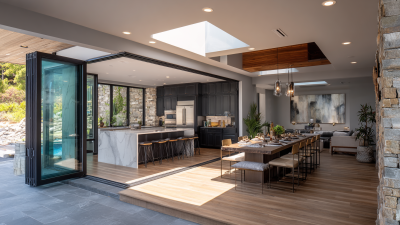
Casement doors are a popular choice for homeowners looking to enhance both aesthetics and functionality in their living spaces. These doors are hinged on the side and open outward, providing an unobstructed view and maximum ventilation. Their unique design allows them to be opened fully, which can help to create a seamless transition between indoor and outdoor areas. This feature also makes them ideal for accessing patios or gardens, allowing natural light to flood into the home and creating an airy atmosphere.
In addition to their practical benefits, casement doors are known for their energy efficiency. When closed, they form a tight seal against the elements, reducing air leaks and helping to maintain a comfortable indoor temperature. This can lead to lower heating and cooling costs over time, making them an environmentally friendly option as well. Available in a variety of materials such as wood, fiberglass, or aluminum, casement doors can be customized to match any style or home design, ensuring that they not only serve a functional purpose but also enhance the overall aesthetic appeal of your property.
Casement Doors: Features and Benefits
This chart displays the benefits of casement doors based on user preferences. The data reflects the percentage of users who prioritize each feature when choosing a casement door.
Styles of Casement Doors: Choosing the Right Design for Your Home
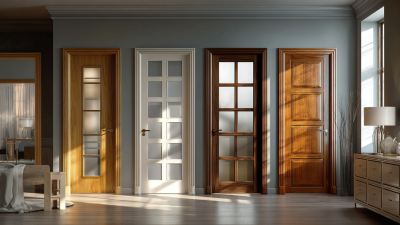
When selecting casement doors for your home, understanding the different styles available is crucial to achieving a cohesive design. Casement doors can be categorized primarily into traditional, modern, and rustic styles. Traditional casement doors often feature intricate detailing and are made from natural materials such as wood, providing a timeless aesthetic that suits classic architectural designs. This style typically includes more ornate hardware, which enhances its overall elegance.
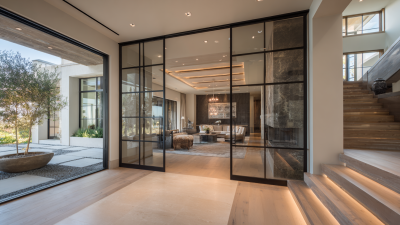
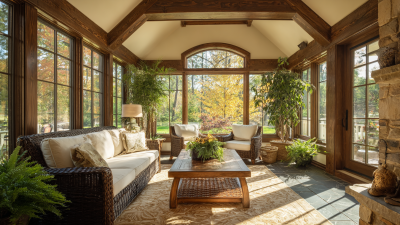
On the other hand, modern casement doors prioritize clean lines and minimalistic designs, often incorporating materials such as aluminum and glass. These doors offer a sleek look that complements contemporary homes, while large glass panels maximize natural light and enhance views. For those looking for a cozy and warm atmosphere, rustic casement doors made from reclaimed wood or featuring distressed finishes can create a charming focal point. These styles often embrace imperfections, providing a unique character that blends well with natural surroundings and outdoor spaces. By evaluating these styles, homeowners can choose a casement door that not only fits their aesthetic preferences but also enhances the overall design of their space.
Materials for Casement Doors: Wood, Vinyl, and Aluminum Options
When selecting a casement door, the choice of material plays a pivotal role in determining both aesthetics and functionality. There are three primary materials to consider: wood, vinyl, and aluminum, each offering distinct advantages. According to a 2022 industry report by the Remodeling Magazine, wood remains a favored option for homeowners seeking traditional charm and superior insulation properties. However, it does require regular maintenance, which can be a deterrent for some.
Vinyl, on the other hand, has increasingly gained popularity due to its low maintenance needs and excellent energy efficiency. The same report indicates that vinyl doors can reduce energy costs by as much as 30% compared to traditional materials. With a variety of colors and finishes available, vinyl doors also offer a modern aesthetic that appeals to many contemporary designs.
Aluminum casement doors are another viable option, particularly for those looking for durability and a sleek appearance. Industry estimates suggest that Aluminum Doors can last over30 years with minimal maintenance, making them a cost-effective option in the long run. They also provide excellent resistance to weather and corrosion, making them suitable for diverse climates. Ultimately, the choice between wood, vinyl, and aluminum will depend on individual design preferences and specific functional needs.
Energy Efficiency: How Casement Doors Enhance Home Insulation
Casement doors are increasingly recognized for their significant contribution to energy efficiency in home design. The design of these doors allows for a tighter seal when closed, minimizing air leaks that can lead to energy loss. According to the Efficient Windows Collaborative, a properly installed casement door can enhance a home’s insulation by providing a higher R-valuecompared to traditional Sliding Doors. This means that homeowners can not only enjoy reduced heating and cooling costs but also a more consistent indoor temperature throughout the year.
In addition to their energy-saving benefits, casement doors often incorporate advanced weatherstripping technology that further enhances their insulating properties. A report from the Department of Energy states that energy-efficient doors can reduce heat loss in winter and heat gain in summer by as much as 30%. This efficiency is particularly valuable in regions with extreme weather conditions, where maintaining indoor comfort is crucial. Overall, choosing casement doors can be a strategic decision for homeowners seeking to improve energy efficiency while adding aesthetic appeal to their living spaces.
Security Considerations: Ensuring Your Casement Door is Safe
When choosing a casement door, security should be a top priority for homeowners. According to the American Institute of Architects, nearly 60% of all residential burglaries occur through doors. This statistic underscores the importance of selecting a casement door that not only enhances the aesthetic appeal of your home but also provides robust security features. Look for doors constructed from solid wood, fiberglass, or steel, as these materials offer additional resistance against forced entry compared to hollow-core alternatives.
In addition to material, the locking mechanisms of casement doors are crucial for security. The National Association of Home Builders recommends doors equipped with multi-point locking systems, which secure the door at several points along the frame, providing a stronger barrier against unauthorized access.
Reinforced hinges and impact-resistant glass are also essential elements to consider, as they make it significantly more difficult for intruders to compromise the door. Homeowners should also be aware of the importance of regular maintenance; even the most secure door can be vulnerable if it’s not properly maintained. By prioritizing security features in your casement door selection, you’ll be taking important steps toward protecting your home and loved ones.
Installation and Maintenance: Tips for Long-lasting Performance
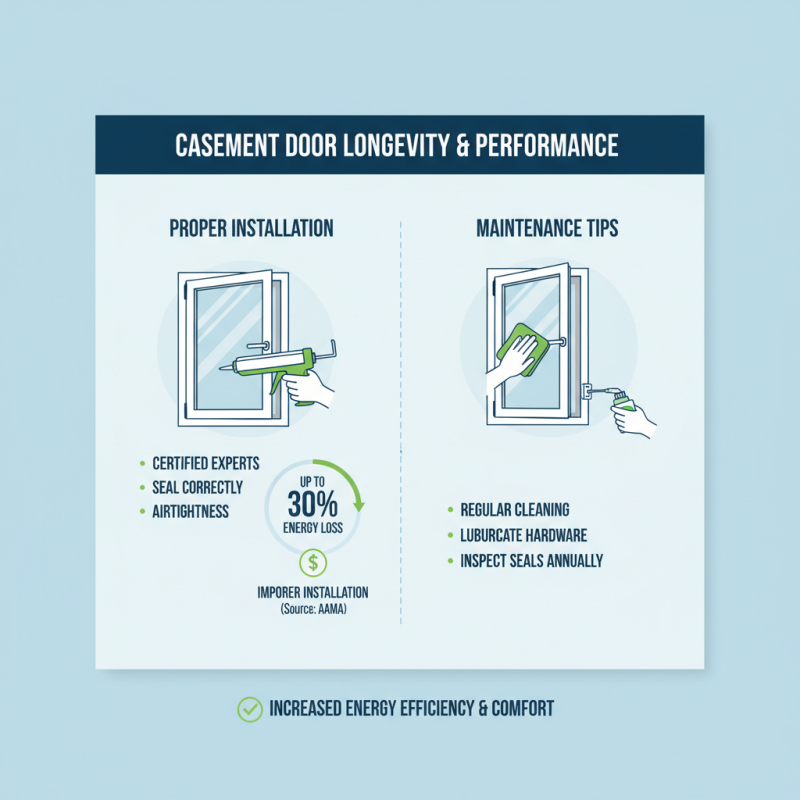
When it comes to ensuring the longevity and performance of your casement doors, proper installation and maintenance are paramount. According to the American Architectural Manufacturers Association, improperly installed doors can lead to a decrease in energy efficiency by up to 30%, significantly increasing heating and cooling costs. Professionals recommend that casement doors be installed by certified experts who can seal them correctly, ensuring tightness against air leakage and contributing to the overall energy efficiency of your home.
Maintenance is equally crucial in preserving the functionality of casement doors. A report from the National Association of Home Builders indicates that regular maintenance can extend the life of these doors by as much as 25%. Homeowners should inspect the operating mechanism and weather stripping periodically, cleaning and lubricating hinges and moving parts to prevent wear and tear. Furthermore, checking for any signs of deterioration in the frame or glass is essential, as early detection of issues can prevent costly repairs down the line. By committing to thorough installation and proactive maintenance, homeowners can ensure their casement doors serve their intended purpose effectively for many years to come.
Budgeting for Casement Doors: Cost Factors and Value Considerations
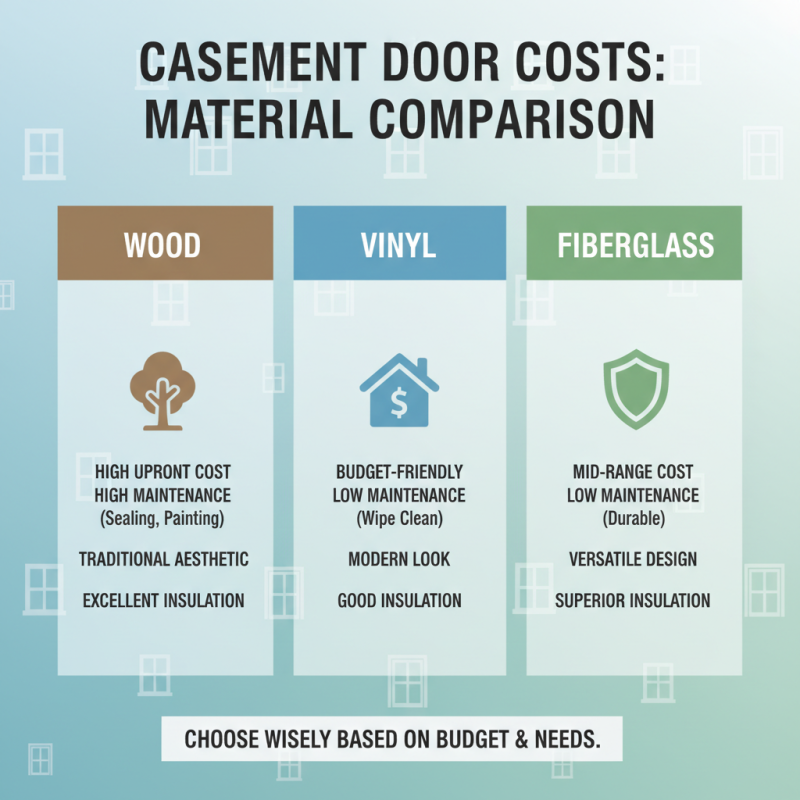
When budgeting for casement doors, it's essential to consider various cost factors that can significantly impact your overall expenditure. The material of the door is one of the primary determinants of price. Options such as vinyl, wood, and fiberglass each come with their unique price points and maintenance requirements. While wood may offer an appealing aesthetic that enhances traditional designs, it typically carries a higher upfront cost, alongside ongoing maintenance expenses. In contrast, vinyl doors may be more budget-friendly and require less upkeep, making them an attractive option for many homeowners.
Another crucial aspect to consider is the size and design complexity of the casement door. Custom-sized doors or those with intricate designs may lead to additional costs due to specialized manufacturing processes. Additionally, installation expenses should be included in your budget. Professional installation can ensure a proper fit and functionality, but it may also add a significant amount to the total project cost. It's advisable to obtain multiple quotes from contractors to find the best balance between quality and price. By carefully assessing these factors, you can determine the best investment that aligns with both your aesthetic preferences and budgetary constraints.
FAQS
: Casement doors are hinged on the side and open outward, providing an unobstructed view and maximum ventilation. They create a seamless transition between indoor and outdoor spaces and are ideal for accessing patios or gardens, allowing natural light to enter the home.
Casement doors form a tight seal against the elements when closed, reducing air leaks and helping to maintain a comfortable indoor temperature, which can lead to lower heating and cooling costs over time.
Casement doors are commonly made from wood, vinyl, and aluminum. Each material has distinct advantages, including aesthetics, insulation properties, and maintenance needs.
Wood casement doors are favored for their traditional charm and superior insulation properties, but they require regular maintenance, which can deter some homeowners.
Vinyl casement doors are gaining popularity due to their low maintenance needs and excellent energy efficiency. They can reduce energy costs and come in various colors and finishes, appealing to modern aesthetics.
Aluminum casement doors are known for their durability and sleek appearance. They can last over 30 years with minimal maintenance and provide excellent resistance to weather and corrosion, making them suitable for various climates.
When budgeting for casement doors, consider the material, size, design complexity, and installation expenses. Different materials have unique price points, and custom or intricate designs may increase costs.
Custom-sized doors or those with intricate designs typically incur additional costs due to specialized manufacturing processes, which can significantly impact the overall expenditure.
Yes, professional installation can ensure proper fit and functionality, but it may add to the total project cost. It's advisable to obtain multiple quotes from contractors to find a good balance between quality and price.
By carefully assessing materials, design preferences, and installation options, you can determine the best investment that aligns with your aesthetic and budgetary needs.
Conclusion
When selecting the perfect casement door for your home, it's essential to understand its features and benefits. Casement doors offer various styles that can complement different home designs, available in materials like wood, vinyl, and aluminum, each with its own advantages. These doors are renowned for their energy efficiency, enhancing home insulation and potentially lowering utility bills.
Security should also be a primary consideration; ensuring that your casement door is properly secured is crucial for your home’s safety. Furthermore, installation and maintenance tips can help ensure long-lasting performance, while understanding the budgeting aspects will assist in making informed decisions about the cost and value of your casement doors. Ultimately, taking the time to evaluate these factors will lead to a choice that meets both aesthetic and practical needs.



 Phone
Phone Send Email
 whatsapp
 Facebook
 Youtube
 LinkedIn
 Instagram
 Twitter
 Tiktok