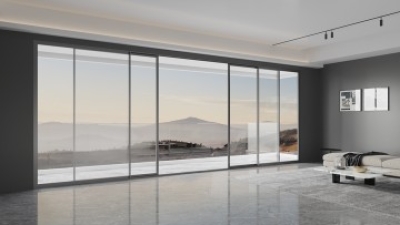
In today’s world of architecture, everyone’s always looking for that sweet spot between style, efficiency, and ease of use. That’s one reason why Automatic Doors have become so popular in a bunch of different spaces. But, let’s be honest—while they’re super convenient, they do come with their own set of headaches, like tricky maintenance, energy drain, and tricky accessibility issues. At Foshan CIVO Technology Co., Ltd., we totally get how important it is to solve these problems without sacrificing quality or functionality when it comes to building materials. With our experience in architectural aluminum systems, we’re always exploring smarter, more innovative alternatives to the traditional automatic doors. Our aim is to create access solutions that not only boost user experience but also support environmental sustainability. In this blog, we’ll dive into some of the options out there, sharing their benefits and showing how they fit with our mission to deliver top-notch system doors and windows.
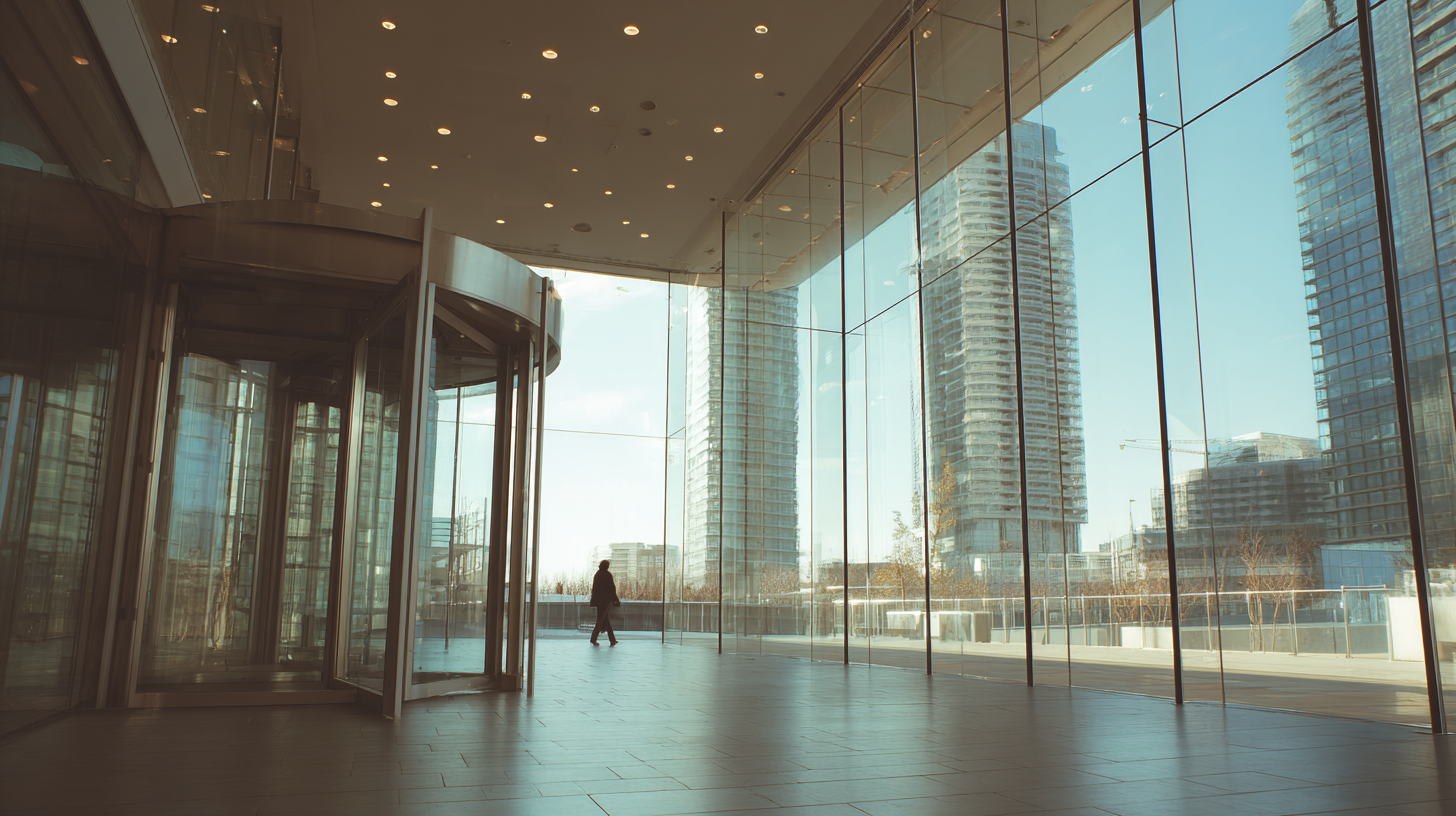
Understanding the Limitations of Traditional Automatic Doors in Modern Spaces
Traditional automatic doors have pretty much become a staple in modern buildings, but let’s be honest — they’ve got their fair share of issues that can really get in the way of smooth functioning and accessibility. I was reading a report from the International Door Association the other day, and it mentioned that about 30% of automatic door problems are actually caused by poor installation or lack of maintenance. That’s not just annoying — it’s also a safety risk and can get pretty costly to fix. Plus, these doors aren’t always friendly for everyone. For folks with disabilities, for example, they often need to push with just the right amount of force — which can be tricky or even impossible for some people, kinda unintentionally locking them out of easy access.
As our spaces keep evolving, it’s clear we need smarter, more adaptable solutions. That’s where architectural aluminum systems—like the ones Foshan CIVO Technology Co., Ltd. offers—come in. These systems aren’t just about looking sleek; they add a whole new level of practicality. They can be customized for different settings, offering features like wider door openings and manual overrides, making them much more inclusive. In fact, reports show that these tailored architectural solutions can really improve how efficient and user-friendly commercial spaces are, helping create a warmer, more inviting atmosphere for everyone. This move towards flexible, user-focused design shows just how much the industry is shifting to prioritize accessibility and making sure everyone feels welcome, no matter their needs.
Emerging Technologies: Smart Entry Systems Beyond Conventional Automation
You know, when we think about how entry systems in modern buildings have evolved, it's pretty clear they’ve gone way beyond just basic automatic doors. These days, there’s a real push towards cool smart entry tech that’s all about balancing security with convenience for users. I recently came across a report from MarketsandMarkets that says the global market for smart doors is expected to hit around $4.3 billion by 2026 — and it’s growing at nearly 22% annually. That’s pretty huge, and it really shows how people are craving more advanced solutions that fit smoothly into their daily routines. Not only do they make getting in easier, but they also help save energy, which is a win-win.
On top of that, new tech like facial scans, biometric IDs, and mobile-controlled entry systems are totally changing the game when it comes to access. For example, a study from Grand View Research predicts the biometric system market could reach nearly $50 billion by 2025, mainly because folks are getting more worried about security breaches. These smarter systems can adapt based on how you behave, making the whole experience more personalized. And thanks to IoT (that’s the internet of things), these systems can be monitored and controlled remotely, so you can manage who gets in even if you’re miles away — pretty neat, right? Looking ahead, it’s clear that the mix of sleek design and high-tech features is going to redefine how we enter both homes and businesses. It’s an exciting time for these innovations, no doubt!
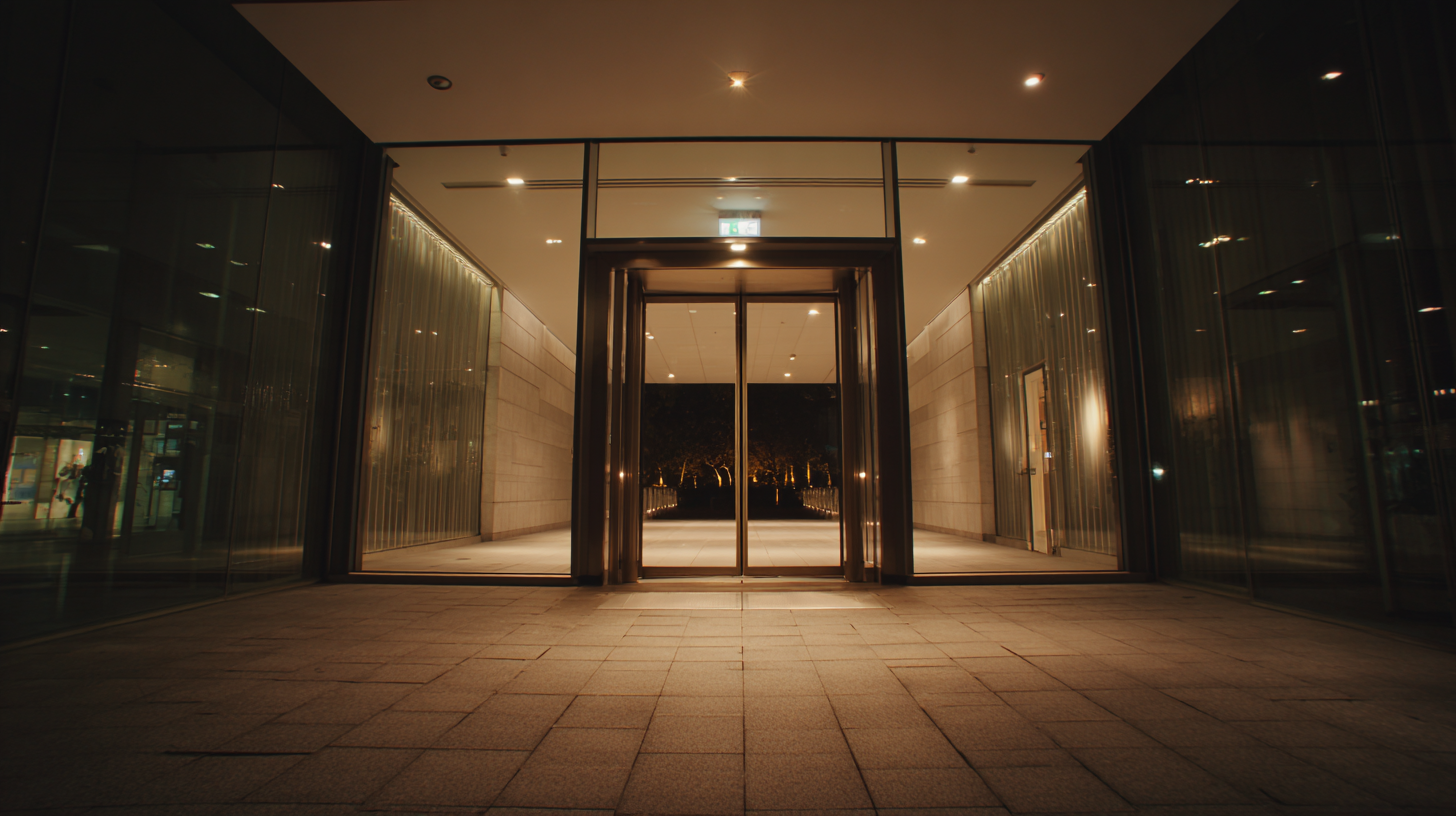
Design Innovations: Aesthetic Alternatives to Automatic Door Solutions
You know, in today’s world of architecture, automatic doors have kinda become the go-to for convenience and saving energy. But lately, there’s been this cool shift—people are starting to look for design options that look great and still do their job without feeling so automation-heavy. Spaces are now more than ever about showing off character and style, so builders and designers are getting creative with solutions that hit both the practical and the aesthetic marks.
One of the bigger trends? Sliding or Folding Doors that fit seamlessly into the overall vibe of the space. They’re a chic alternative to the usual automatic doors, saving space and still making a statement. Plus, using materials like glass or wood can really boost the look—letting in natural light, keeping things private, and giving that warm, inviting feel to entrances that visitors will remember.
**Pro tip:** When you’re thinking about door options, take a step back and look at the whole design. Pick materials and styles that match your space’s personality—this way, everything flows together naturally.
Another fresh idea? Smart entry systems—think touch or voice recognition—that add a high-tech twist to entry points. These not only step up security but also make the whole experience a bit more fun and engaging for everyone who comes by.
**Pro tip:** Don't forget to consider where the doors go. Good placement can make your space feel more welcoming and easier to navigate, while giving it that polished, thoughtful vibe.
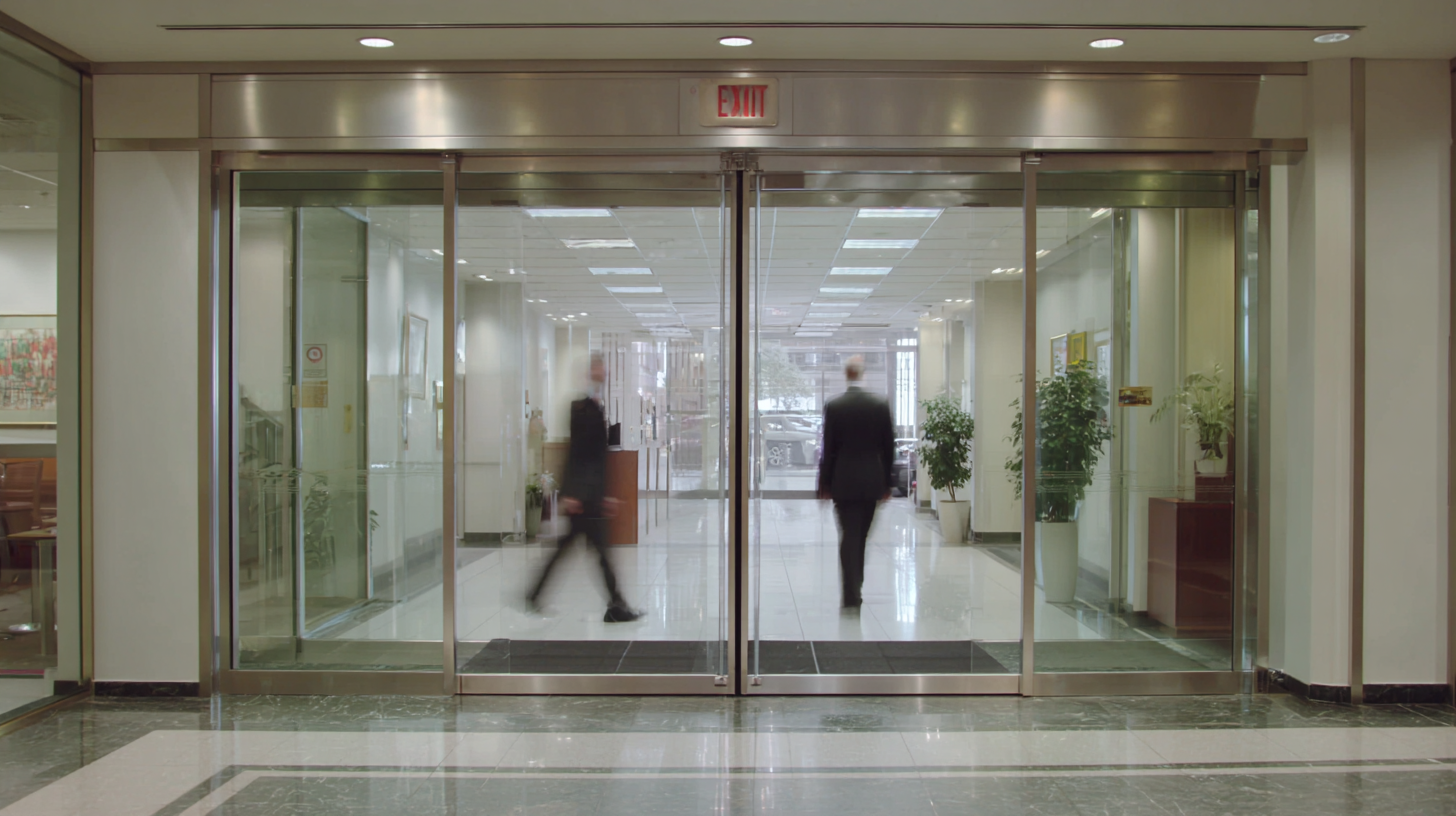
Sustainability in Access: Eco-Friendly Alternatives to Traditional Door Systems
In today's world, thinking about sustainability is pretty much a must when it comes to design—especially with things like doors. You know, traditional automatic doors are super handy, but they can guzzle a lot of energy and are often made from stuff that’s not exactly eco-friendly. As we all try to create more green and sustainable spaces, new and smarter options are popping up that focus on being kind to the environment without losing practicality.
One really interesting idea is Sliding Doors made from reclaimed wood or other eco-friendly materials. These can be operated manually or with special energy-saving mechanisms that use less power. Then there’s the bi-fold doors—another eco-wise choice since they let in plenty of natural light and fresh air, which means you don’t have to rely so much on artificial lighting or climate control. Plus, they look pretty sleek and modern, adding to the vibe of any space while helping it stay eco-friendly.
Oh, and here’s another cool thing—adding smart tech to door systems. With sensors that detect when someone’s approaching or leaving, the door can open and close on its own, making sure no energy gets wasted. All in all, these kind of innovations aren’t just good for our planet—they make our homes and offices feel more welcoming and functional too.
User Experience Focus: Enhancing Accessibility and Convenience in Modern Design
As our modern spaces keep evolving, it’s pretty clear that focusing on how users experience the environment, making spaces accessible, and offering convenience are more important than ever. Did you know that the global retail market is expected to jump from $326.8 billion in 2024 to a staggering $589.3 billion by 2032? That’s a compound annual growth rate of about 7.65%. Because of that, businesses need to get creative with how people interact with their spaces. And this is especially true when it comes to entryways. Sure, automatic doors have been the standard for a while now, but honestly, they don’t always meet the diverse needs of everyone walking through them.
Now, there are some pretty exciting new options popping up that go beyond your typical automatic door. These innovations aim to make entrances more accessible for folks with disabilities, all while being super convenient for everyone else too. Interestingly, the global automotive Human-Machine Interface (HMI) market is expected to grow at around 10.54% between 2024 and 2031, which really highlights how important user-centered design is becoming in tech. Taking cues from these trends can help us develop entrance solutions that not only work well but also genuinely improve the overall experience of a space, making modern architecture more inclusive and welcoming.
Safety and Security: Innovative Solutions for Entryways in Contemporary Environments
Nowadays, when it comes to entryways, safety and security really can’t be overlooked. You know, those old-school automatic doors? They don't always cut it anymore. That’s why it’s a smart idea to look into some of the latest innovations out there. Things like high-tech biometric systems or smart locks can seriously up your security game. For example, using facial recognition tech can make sure only the right people get in, which helps cut down on unauthorized access — pretty neat, right?
When you're exploring different options for your entry points, it’s a good idea to find a balance between function and style. Installing keyless entry systems can give your place a modern vibe while also boosting safety. Plus, these systems are pretty versatile—they let you set custom access times for different folks. Another thing to think about is adding security cameras with live monitoring. They’re a great way to keep an eye on things without spoiling the look of your space.
Tips:
- Make sure whatever system you pick follows your local safety rules so you don’t run into any legal headaches.
- Look for tech that plays nicely with your phone or other smart devices—that way, controlling everything is super easy.
- And don’t forget, it’s a good idea to update your security measures now and then—staying ahead of potential threats keeps everything safer for everyone.
Exploring the Benefits and Features of the 5068 Series Heavy Sliding Door for Modern Living Spaces
The 5068 Series Heavy Sliding Door is a prime example of how modern architectural trends are embracing both functionality and aesthetics for contemporary living spaces. This advanced sliding door system features a unique sliding and lifting mechanism that enhances usability while maintaining sleek design lines. According to a report by the American Institute of Architects, approximately 60% of homeowners now prioritize open-concept layouts that blend indoor and outdoor living areas, making sliding doors a preferred choice.
One of the standout benefits of the 5068 Series is its performance. The integration of high-quality materials ensures durability and security without compromising on economic considerations. The Energy Information Administration indicates that homes employing efficient sliding doors can experience energy savings of up to 30% due to improved insulation and reduced thermal bridging. This series not only allows for maximum light penetration, enhancing the ambiance of a space, but it also dovetails seamlessly with energy-efficient living.
In addition, the innovative sliding and lifting sliding system reduces wear and tear, promising longevity that appeals to both homeowners and builders. As noted in the latest industry trends, the demand for multi-functional, space-saving solutions continues to rise. Consequently, architects and designers are increasingly recommending products like the 5068 Series as they cater to the growing need for adaptability in modern homes, where space optimization is key.
FAQS
: Traditional automatic doors often suffer from improper installation and maintenance, leading to malfunctions, safety risks, and accessibility challenges for individuals with disabilities.
Architectural aluminum systems, like those from Foshan CIVO Technology Co., Ltd., enhance aesthetic appeal and functionality by offering wider openings, manual override options, and promoting overall efficiency and user experience.
The global smart door market is projected to reach $4.3 billion by 2026, driven by consumer preference for advanced solutions that enhance accessibility and energy efficiency.
Emerging technologies include facial recognition, biometric authentication, and mobile entry systems that offer personalized user experiences and enhance security.
Biometric systems, such as facial recognition, ensure that only authorized individuals can gain access, thereby reducing the risk of unauthorized entries and enhancing overall building security.
Keyless entry systems combine contemporary design with enhanced security by managing access permissions and allowing customized entry schedules for different users.
Regularly updating security protocols helps organizations stay ahead of potential threats, ensuring a secure environment while maintaining compliance with local safety regulations.
The integration of IoT in entry systems allows for real-time monitoring and control, enabling users to manage entry permissions remotely and enhance safety protocols.
When selecting entryway solutions, prioritize compliance with local safety regulations, invest in smart technology integration for mobile control, and consider adding security cameras for real-time monitoring.
Innovative entryway solutions, such as advanced locking mechanisms and stylish design, ensure that security measures do not compromise the visual appeal of modern spaces.
Conclusion
In the fast-changing world of modern architecture, traditional automatic doors just aren’t cutting it anymore. They come with their fair share of issues—things like design limitations and accessibility hurdles. So, as we look for smarter alternatives, new tech like intelligent entry systems is really starting to stand out. These systems don’t just make things easier for users; they also offer more flexibility and can be seamlessly integrated into all kinds of architectural styles, keeping up with today’s sleek, minimalist look.
And let’s not forget about sustainability—it's a big deal these days. Eco-friendly options for automatic doors are becoming more popular in the construction scene. Companies like Foshan CIVO Technology Co., Ltd. are leading the charge here, offering top-notch aluminum systems that aren’t just about looks—they’re built with both style and practicality in mind. With a strong focus on user experience, safety, and security, these innovative entry solutions are totally changing the game—making modern buildings more inviting, accessible, and eye-catching.




 Phone
Phone Send Email
 whatsapp
 Facebook
 Youtube
 LinkedIn
 Instagram
 Twitter
 Tiktok