MAKE BUILDINGS MORE FLEXIBLE

Leave Your Message
MAKE BUILDINGS MORE FLEXIBLE
Projections indicate that the world market for Aluminum Sun Rooms would reach a greater height in 2025, increasingly understood within the context of the greatly growing demand for living spaces that have recently become innovative. As reported by industry analysts, the bulk of the growth is driven by preferences for energy-efficient yet visually appealing extensions to the home. The Aluminum Sun Room is becoming more and more the focal point of modern architectural design because homeowners increasingly wish to connect indoor and outdoor environments. Light-weight construction, high durability, and the provision of natural light are some of the newer trends in living that it encompasses.
Well, at this time, we're going to become more aware of those changing needs. Foshan CIVO Technology Co., Ltd. has already made its mark on this transformation by cleverly producing high-quality architectural aluminum system solutions at an affordable price with the ever dynamic evolving needs of world buyers in mind. Our products will enhance living spaces in aesthetics and function durability. One way toward 2025 is putting all industry stakeholders on board and equipping them with clear strategies that would let them ride on the growing tide of acceptance of Aluminum Sun Rooms.
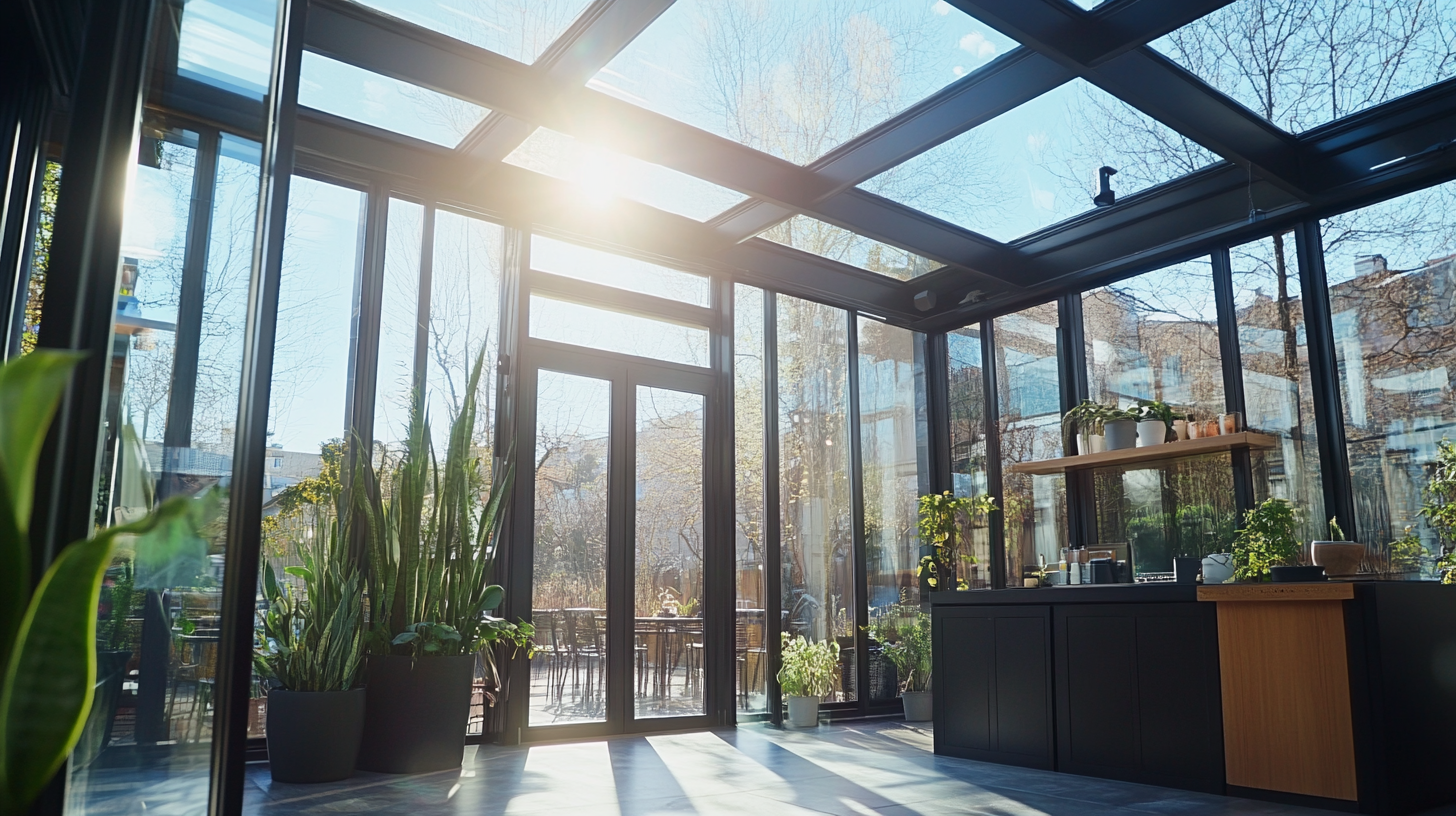
The future of aluminum Sunrooms is extremely promising, with technological advancements promising to revolutionize their design and functionality. One of the most extraordinary developments is the integration of smart glass technology into these spaces, allowing homeowners to fully control the opacity and temperature of their sunrooms. Comfort is further enhanced through this solution and energy saved from not needing to artificially heat or cool it. With developments in solar control films and dynamic glazing, aluminum sunrooms can become an energy-efficient extension of the house adapted to all weather conditions. The use of robotics and automation technologies for manufacturing processes will also enhance the customization and efficiency of aluminum sunrooms. Such technologies will allow the quicker pace of manufacturing while conserving the same high degree of quality. Moreover, customers will be able to expect designs that are strictly their own in terms of size and shape without waiting times that usually characterize custom building. Sustainability is yet another factor considered by many innovators behind the inroads that are being made in aluminum sunroom technologies. Emerging from recycled metals, new materials have started to minimize the footprint left behind in using aluminum products. Buying any of these materials therefore complements beautiful living spaces but also helps to create a greener planet. These new technologies begat all-in-all opportunity for a global client looking for modern and eco-friendly alternatives in their sunrooms.
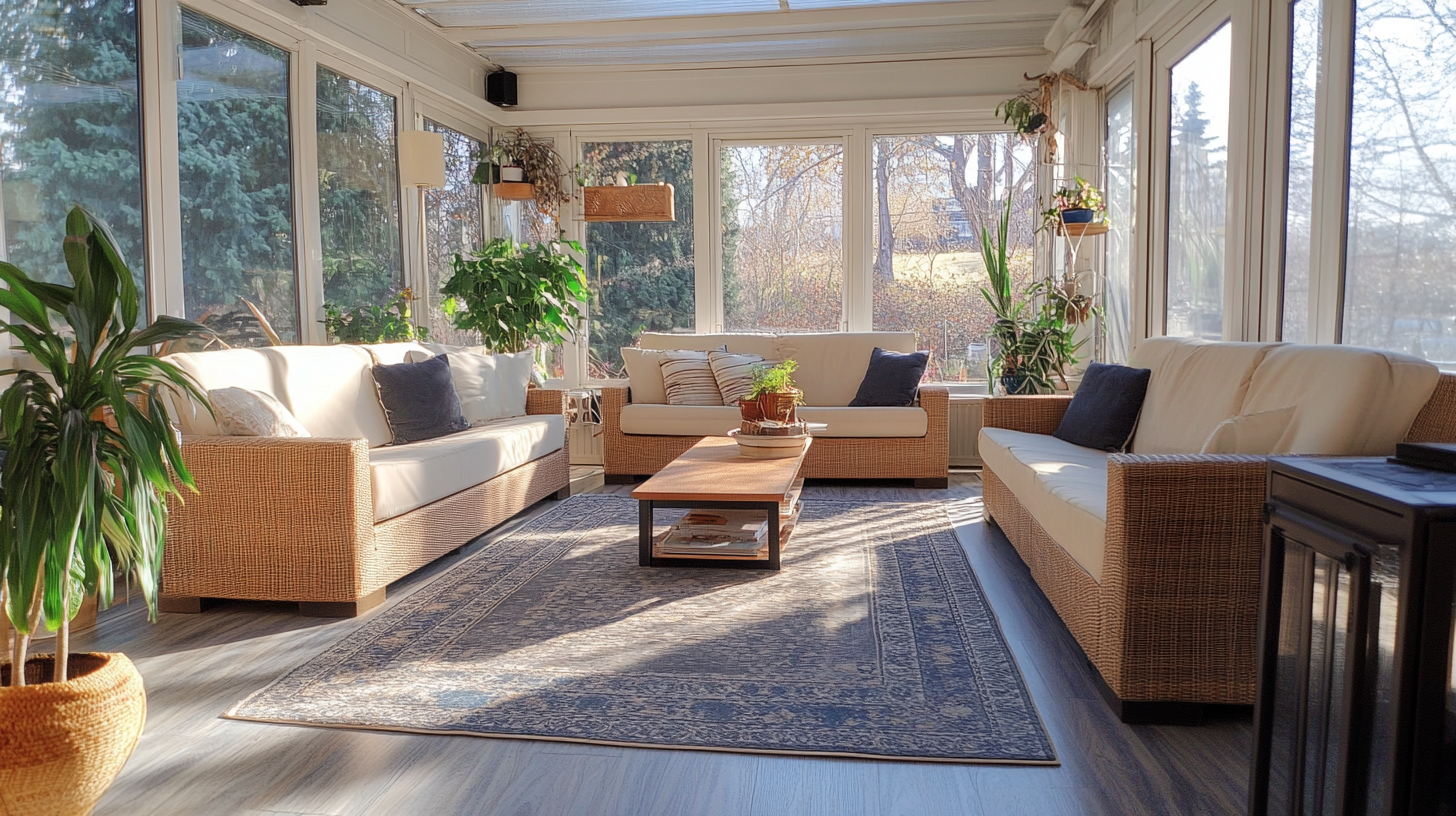
The ever-growing demand for sustainable living is triggering a massive change in sunroom construction with a focus on using eco-friendly materials. In the case of aluminum sunrooms, the green revolution has given birth to a new phase in environmentally conscious designs that enhance not only the aesthetics but also reduce carbon footprints. Manufacturers are utilizing advanced technologies to produce aluminum using recycled materials, thereby curtailing waste and preserving natural resources. By adopting these sustainable alternatives, builders and homeowners can construct sunrooms that combine contemporary elegance with environmental stewardship.
The use of sustainable materials for constructing sunrooms is no longer a trend for the global buyers who know the environmental impact; it is now a necessity. Advanced technologies like the thermal break system and low-emissivity (Low-E) glass are now widely incorporated into enhancing sunroom energy efficiency and insulation. Such materials provide warmth during the winter and cooling during the summer while also drastically reducing energy bills. For buyers, being able to create aluminum sunrooms on these sustainable technologies ensures they are stylishly augmenting their homes while positively contributing to the planet.
Moving toward the year 2025, the concept of sustainability in aluminum sunroom designs is sure to continue progressing. Manufacturers are seeking innovative production methods and sustainable sourcing to cater to the needs of environmentally conscious buyers. The strong commitment to environmental responsibility will thus carve a path for future developments in the industry-a very exciting time for buyers in search of function and ethical options in their home-building decisions.
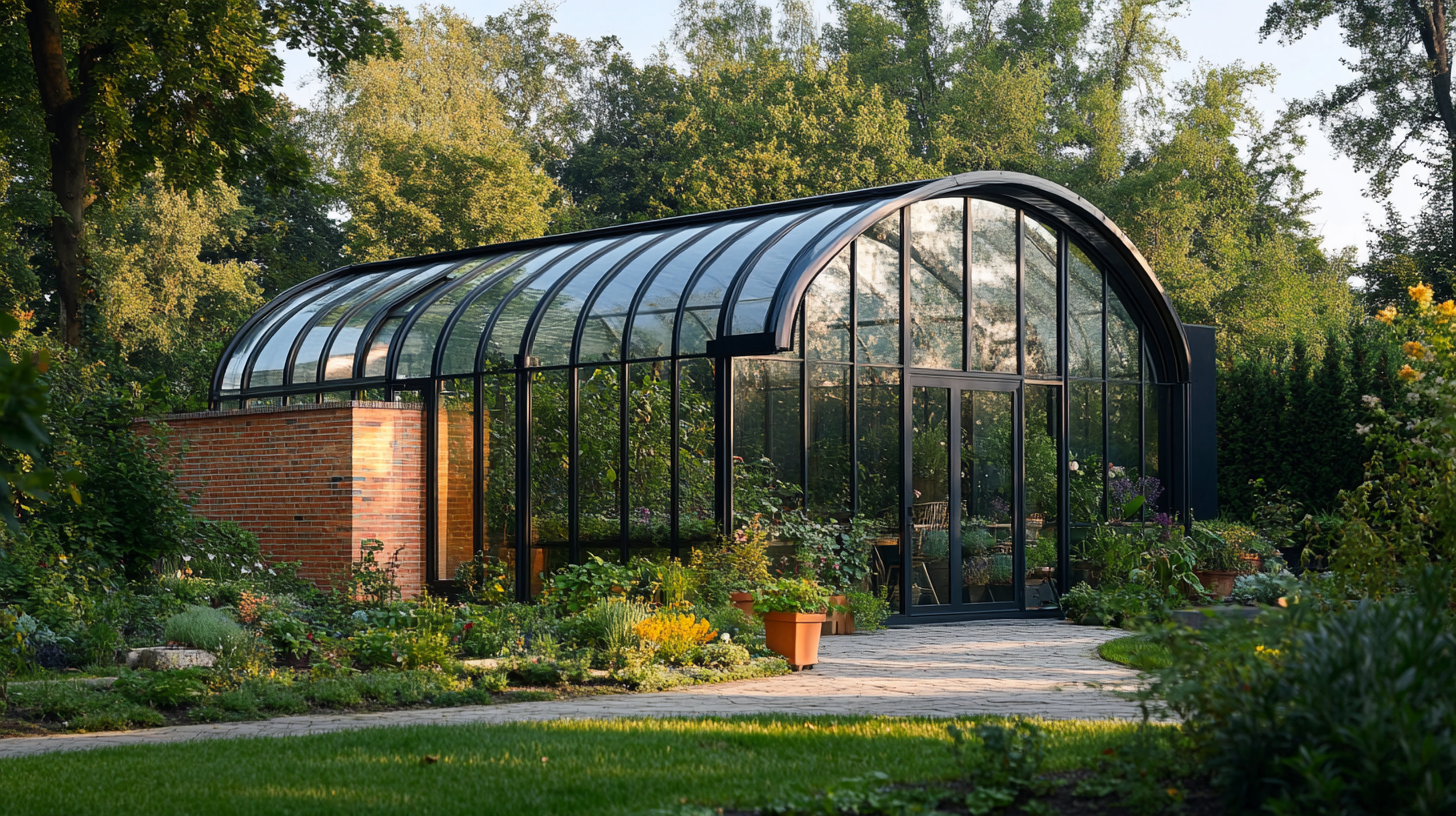
A study about the changing trends in the sunrooms has been utmost with its novel technology added to their value for the users' comfort and also functionality. Smart features thrown into various designs of aluminum sun rooms are no longer luxuries or trendy things for customers seeking to optimize their spaces but have even become necessities. Among these smart technologies for sunrooms include climate-controlling systems manipulated by automation, energy-rated glasses that tune their transparency according to sunlight flow, and even sensitive 'eyes' which link the two with enhanced assurance for homeowners.
They are innovations being given momentum toward being more sustainable and energy-efficient, similar to many other industries. For example, it debuted in the newly launched NEXO FCEV from Hyundai during the Seoul Mobility Show 2025. Just as the case of the NEXO had advanced hydrogen mobility concepts, smart sunrooms also had changed the dimensions of the environment-friendly paradigm of living associated with it. Development of such spaces is certainly making them flexible for seasonal transformations while reducing energy consumption and improving comfort levels throughout the year.
Besides, smartifying sunrooms will not only beautify the spaces but enhance occupant welfare at the same time. Smartlighting, intelligent shading, or automated systems that may even ensure indoor air quality may turn such places into a sanctuary. Future buyers must pay attention, for this understanding is very valuable to one's investments in the improvements of their sunroom when they learn about such innovative technology and the most important ways of choosing the best ones.
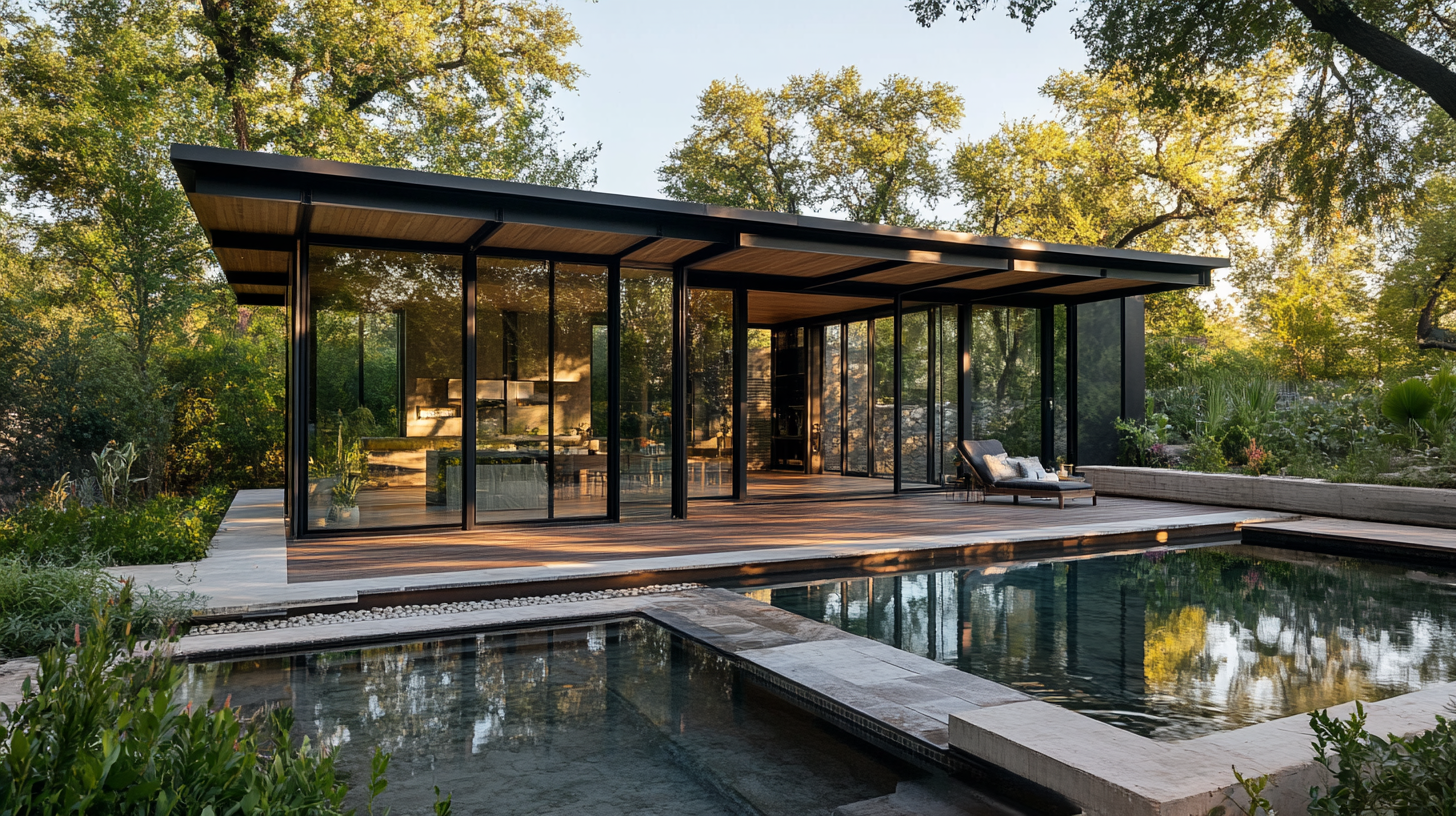
It could be expected that the aluminum sunroom stylings would undergo a significant transformation by 2025, blending style with utility. Drawing inspiration from architectural trends, the recent art in terms of design strategy, as indicated by the design and configuration of aluminum structures, is indicative of the automatic integration of timeless beauty and cutting-edge design. Through the incorporation of weatherproofing technology, aluminum sunrooms have managed fully to deliver indoors in company with the outdoors. This change has been substantiated by market reports, which reveal a projected compound annual growth of 5.5% within the global market for sunrooms, concomitantly proving the rise in demand for outdoor spaces that embody style.
Hoping to foster a renewed emphasis on the user environment and not just sunroom beautification, some of the novel aesthetic aspects exploring the realm of aluminum sunroom architecture are custom glass, curvaceous frameless appearances, and green materials. The current market analysis indicates that currently, six out of ten customers allow energy efficiency and sustainability to determine their choice to select while manufacturers coincide with significant advances in expanded insulation and green sun protection.
During the development of these trends, international consumers are expected to procure products that would balance functionality with aesthetics. The awareness of aesthetics among property buyers has enhanced making newer technologies and materials sophistication available to them, thereby ensuring they can identify techniques that beautify and provide function in architecture. This combination of function and design, seen in aluminum sunrooms, has opened up the parameters of indoor living, sparking new excitement all around the year and promising a good step forward for future sustainability.
The pace of change in now keeping up with the changes in the industry of home improvement; this aspect is highly dependent on consumer preferences in making trends, particularly in reference to aluminum sun rooms. Homeowners will want more in 2025: beauty will not be enough. They will turn to actual use, sustainability, and customization. Innovative forms are envisaged using energy-efficient glazing and automated ventilation systems, all of which are geared towards the energy savings and comfort demands. Such are now absolutely required for buyers by all appearances.
Not alone will consumers now crave the flexibility of space, making it a relaxation area or even a workspace. Dual functionality is a new consideration that manufacturers will have to start innovating for space adaptability and flexibility in their design. Custom layout, modular design, and variety of finishing will enable different users to truly personalize the space of each sunroom according to their needs and lifestyle with which the space becomes immediately theirs.
Sustainability remains a major factor for consumers in making purchase decisions. Buyers are increasingly leaning toward recyclable products and energy-efficient designs as awareness about environmental impact develops. Brands that embrace eco-friendly methods and materials not only give themselves more market segments but also enhance their leadership position in an increasingly conscious arena. Meeting and understanding the consumer preferences are thus a must for manufacturers intending to benefit from the future years of aluminum sunroom production.
Strategic sourcing, thus, is extremely important for the global aluminum buyer in 2025 because the industry is changing quickly. By modifying the very essence of aluminum sun room technologies, opportunities are constantly being created that demand a set of key strategies for the buyer to keep pace with the evolving competitive environment. The recent announcement concerning securing a huge share of the Southeast Asian market made by a major aluminum producer emphasizes the need for market source material consideration at a regional level.
Other new trends in production to foster sustainability and technology in aluminum production present their chances for buyers. Smart negotiation skills and deep market understanding may lead to advantageous partnerships. For example, firms leveraging local innovations in areas like Abu Dhabi can achieve supply chain efficiency, thereby getting cheap access to state-of-the-art production technology.
On top of that, as demand for aluminum products worldwide soars, sourcing approaches that favor a long-term relationship with suppliers must prevail. Buyers will benefit from favorable contracts while having the upper hand by working alongside prominent manufacturers and innovators. A holistic approach fosters sustainable growth; it also resiliences the entire sector from market volatility as new investments come on board.
Sunrooms made of aluminum are the ones that have grown in popularity over the last few years. Every day that goes by increases the possibility of an international buyer dealing with an increasingly complex regulatory environment. Frequently changing compliance requirements in varied markets are factors that buyers must take into account in making decisions and designing aluminum products. It goes without saying that well-informed buyers would have to keep abreast with local and international regulations, which cover safety standards as well as environmental impact and building codes. That would help mitigate having their products certified as marketable as well as ensuring that all applicable legal standards were met.
Sustainable and energy-efficient in 2025 will be a major focal point in regulation governing aluminum sun rooms. These will lead consumers into eco-friendly materials mostly recycled aluminum contents, which are likely to fall under stricter green laws with regards purchases. Besides, getting to keep all energy performance standards is indispensable as most areas are adopting stringent terms on carbon footprints. Engaging suppliers on; who are quite open to how they comply will thus lead to more informed decisions and products that can be seen as being green.
Also, with technological advancements, it would be imperative to assess the regulation governing the new innovations in sun room aluminum designs. Durability and energy efficiency technologies may trigger new compliance headaches. The collaboration with regulatory experts can put a buyer ahead of forecasting certain barriers and ways of circumventing them on the path to smooth procurement. In today's dynamic scenario, a proactive approach toward regulation considerations would safeguard investments and position buyers to outperform the market in exploiting the newest innovative trends in the aluminum industry.
The advent of 2025 will see further advances in the progress of aluminum sunroom technologies, compelling world buyers to make plans regarding future valuation measures. Future-proofing investments in sunroom solutions does not mean that it should just be about the latest developments; it should also require due assessment on that of framed durability, energy efficiency, and flexibility toward changing environmental standards. Aluminum frames are becoming common because they are very simple, yet strong and lightweight, allowing them to endure various weather resistances with little maintenance. Buyers have also to consider how long such attributes stand with regard to their sunroom investments and the performance of such investments.
More important than the material advantages is the fact that buyers should look well into the most up-to-date technological features that would serve to improve the sunroom function. Such features could include those that allow increased insulation and UV protection among smart glass technologies, which really minimizes energy costs further down the road. Buyers should also look upon how renewable energy systems, including solar panels, are incorporated into the sunrooms. This, in addition to making a sunroom more environmentally friendly, would also mean potential cost savings and independence from the electric grid. Maximizing these innovative features makes sure buyers go home with investments that would be trendy and aesthetically pleasing in the future.
Hence a strategic procurement of sunroom solutions requires an understanding of the technologies in place and those expected over time in the market. Such an approach to sunlight management can use data and expert advice to maneuver this future landscape. Emphasizing quality, adaptability, and sustainability, these investments will transform more of the sunroom projects from a liability into a value-holding asset and prove interesting even touting sunrooms globally.
Consumers are increasingly seeking functionality, sustainability, and customization in aluminum sunrooms, alongside aesthetic appeal.
Innovative designs now include energy-efficient glazing and automated ventilation systems to meet the demand for energy savings and comfort.
Homeowners prefer versatile spaces that can function as both relaxation areas and workspaces, influencing design flexibility and adaptability.
Manufacturers offer customizable layouts, modular designs, and various finish options, allowing homeowners to tailor their sunrooms to their specific needs.
Sustainability is crucial, with increasing consumer awareness leading them to prefer recyclable materials and energy-efficient designs in aluminum products.
Buyers should focus on understanding regional dynamics, enhance sustainability practices, and build long-term relationships with suppliers to adapt to market changes.
Effective negotiation combined with comprehensive market analysis can lead to advantageous partnerships and better terms with suppliers.
Understanding regional dynamics, like the significance of Southeast Asian markets, can help buyers optimize sourcing strategies and stay competitive.
Enhanced sustainability practices and technological integrations are emerging trends that provide unique opportunities for buyers.
Collaborating with leading manufacturers and innovators can secure favorable terms, foster sustainable growth, and provide resilience against market volatility.





 Phone
Phone Send Email
 whatsapp
 Facebook
 Youtube
 LinkedIn
 Instagram
 Twitter
 Tiktok